Genesis plots huge Australian comeback: EV offensive will help triple sales growth
Genesis is preparing a major Australian comeback, with Hyundai’s luxury brand rolling out a new national retail strategy it believes could more than triple sales and finally establish it as a serious premium contender.
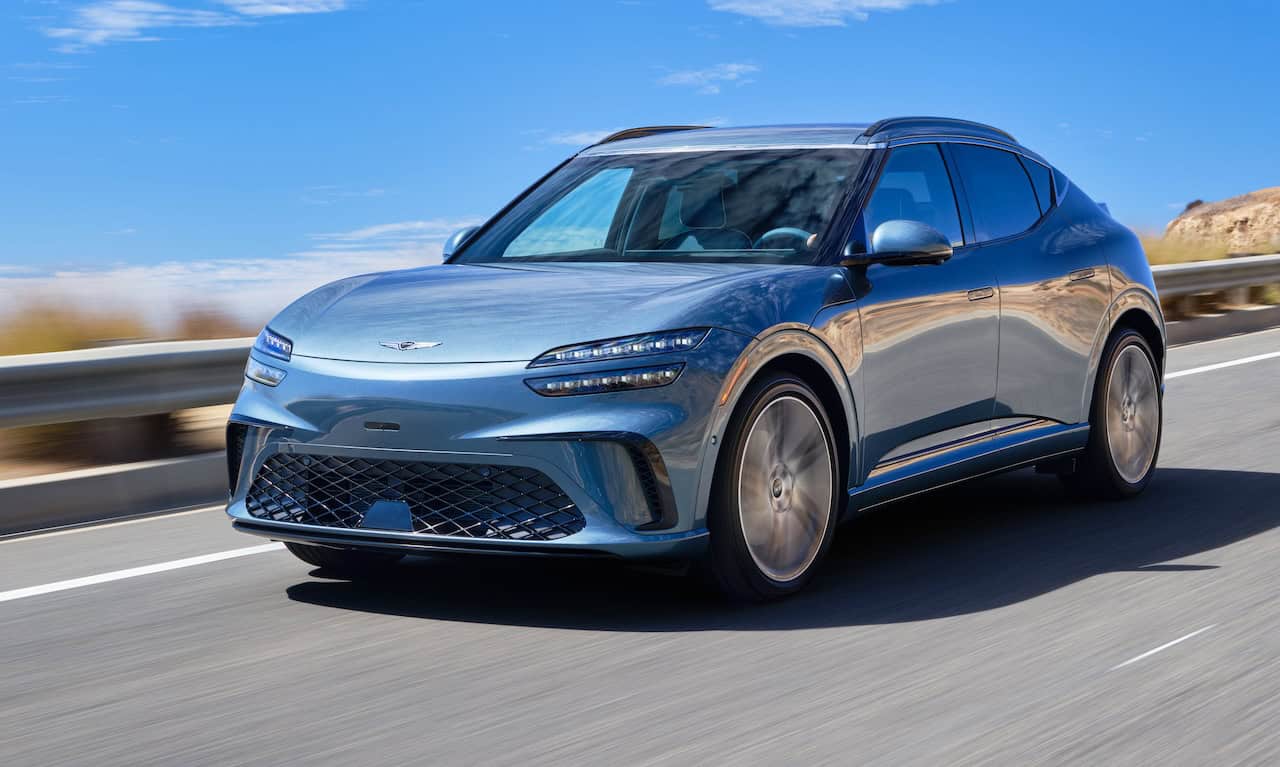
And as it rolls out the re-priced and upgraded GV60 EV range, including the new 478kW GV60 Magma performance flagship, Hyundai Motor Group Australia President and CEO Don Romano believes Genesis has the product firepower to capitalise – provided it can dramatically expand its retail reach.
The Korean challenger currently sells only around 150 cars per month in Australia, but Romano believes 500 monthly sales is achievable once Genesis has the nationwide representation to properly compete with established luxury brands.
READ MORE: Genesis GV60 Magma priced and specced for Australia: 478kW performance EV hot hatch is more expensive than Hyundai Ioniq 5 N and Ioniq 6 N
READ MORE: Price slashed: Another over-priced EV faces reality. The Genesis GV60 has been overhauled and is now $15K cheaper!
READ MORE: Genesis Electrified G80 tries again: Longer, more spacious, more luxury, bigger battery and longer range for cut-price BMW i7 and Benz EQS rival
READ MORE: 2025 Genesis Electrified GV70 gets tweaked looks, better in-car tech and improved range but costs more in bid to steal sales from new Audi Q6 e-tron
That would equate to around 6000 cars annually, compared with 1602 deliveries last year, and comes as Genesis accelerates its electrification strategy and begins building its new Magma performance brand.
But before it can capitalise on those new cars, Genesis has a more fundamental problem to solve: too few places to buy them.
The brand launched locally using a direct-to-consumer model, with Genesis itself operating a small number of retail locations rather than relying on an established dealer network.
Romano has previously described that strategy as a “distraction”, and Genesis is now moving towards an agency network using established dealers to dramatically increase its reach around Australia.
“We’re moving from a direct model to an agency model,” Romano said.
“We’ve opened two stores that are operational right now, and we’re opening a third hopefully next week. A fourth, we’re just finalising the design plans.
“It is the direction that we’re going to head in. It doesn’t mean we’re not going to keep the direct stores, because we invested all that money and they’re in certain strategic locations, so we’re still kind of working both at the same time.”
The existing Genesis-owned stores could eventually remain alongside the new network or be transferred to dealer ownership, but Romano says the immediate priority is expanding the brand beyond its current limited footprint.
“We could continue to do that, or we could convert those stores to dealer [owned], it simply depends on the development of the brand and the rate it develops,” he said.
“But right now the main focus is just to expand through the country with agencies owned by dealers.”
The timing could be particularly important for Genesis as it attempts to generate more momentum from its EV range.
The GV60 has just undergone a significant Australian overhaul accompanied by a price cut of around $15,000, addressing one of the biggest obstacles facing the electric SUV since its launch – a premium price combined with limited brand recognition and retail reach.
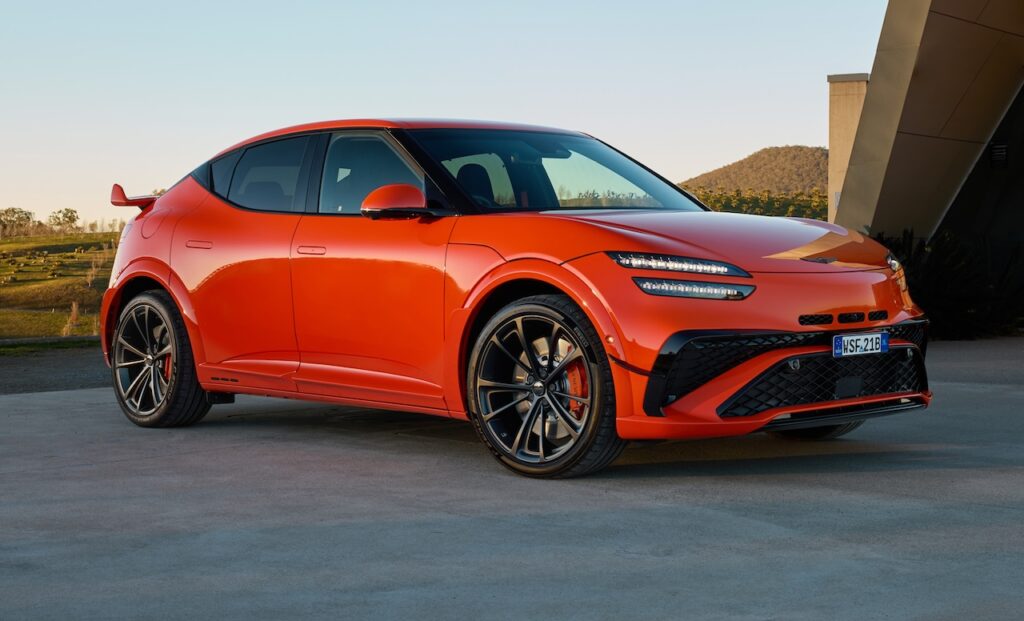
It has also been joined by the GV60 Magma, Genesis’s first full-production model from its new high-performance division and the most powerful production Genesis yet.
Its dual electric motors produce 448kW and 740Nm, rising to 478kW and 790Nm in Boost Mode, with launch control helping deliver a claimed 3.4-second 0-100km/h time.
More importantly, Magma is being developed into an entire performance sub-brand rather than simply a hot GV60 derivative, giving Genesis another potential point of difference as it attempts to lure buyers away from established luxury marques.
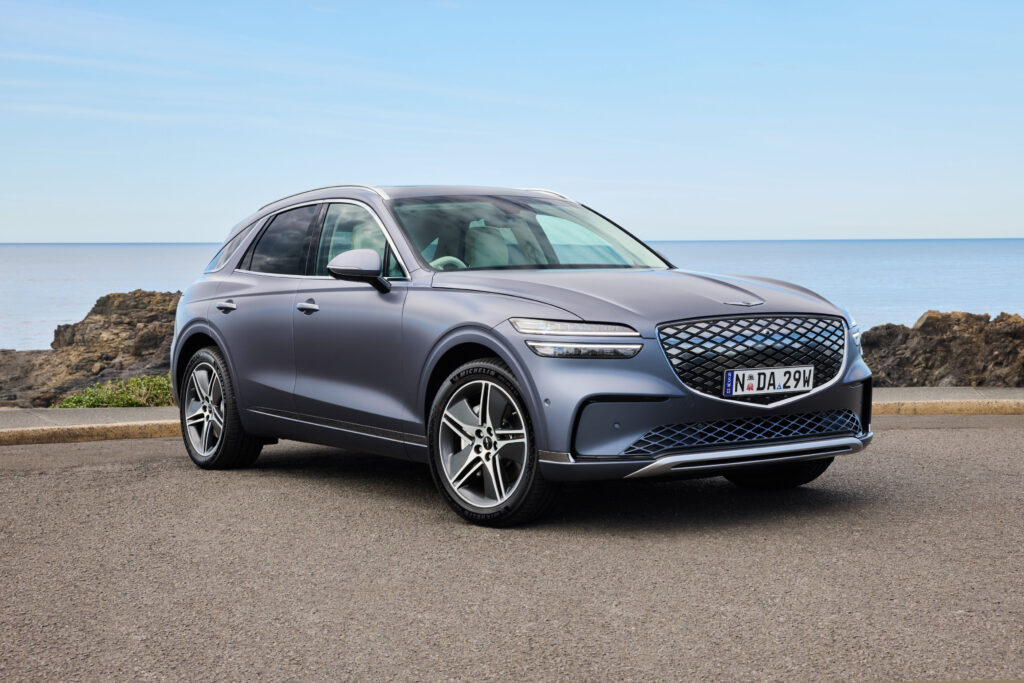
Other Evs in the local line-up include the GV70 SUV and the G80 luxury saloon.
Romano admits the broader challenge is making sure enough Australians know these cars exist – and having somewhere convenient to buy and service them.
Romano believes the current five-store footprint makes Genesis massively underrepresented in Australia and effectively prevents the company from mounting the sort of national advertising campaign required to grow the brand.
“I think right now we’re a niche brand. We’re not advertising or promoting because we don’t have the coverage necessary to be able to go out and tell the story,” he said.
“With five stores across a country of this size, it makes no sense. So we just need to go on the path we’re on right now.

“But we don’t want to force it because it’s Genesis, not a mass-market brand, so it’s best that we get the right dealers in the right place at the right time and if it takes two to three years longer that’s fine.”
Romano says the limited network also makes a major national advertising campaign difficult to justify when customers outside the existing retail catchments have limited access to the brand.
“For us to take that next leap we’ve got to tell the story, and to tell the story, we have the resources to do it, but I’d be wasting money, because if you’re for instance in Adelaide it means nothing to you because there’s no representation,” he said.
“If you’re in parts of Sydney, parts of Melbourne, parts of Perth, we just don’t have the proper coverage to service the customers.”
Fixing that problem could dramatically change Genesis’s position in Australia.
The brand has traditionally avoided publicly chasing volume, instead emphasising customer satisfaction and loyalty, but Romano says doubling or tripling current sales should be the minimum expectation once national coverage is achieved.
“I’m not as focused on the volume growth as I am on the loyalty and the customer service ratings to get the word of mouth to help get the exposure, but I would say… double and triple would be the minimum if we had full coverage,” he said.
“Because right now we’re doing 150 a month, so we should be able to do 500 absolutely, but probably way down the road when it’s done organically and not done with incentives and prices and dumping vehicles and demos – I don’t want to get near that.”
At 500 cars per month, Genesis would still have plenty of ground to make up on Lexus, which is currently selling around twice that number, but it would shift the Korean brand from a niche player towards becoming a meaningful luxury competitor.