BYD is booming in Australia, but in China it continues to suffer a sales decline. What’s the turnaround plan?
While BYD continues to grow its sales in Australia dramatically, in April it suffered its eighth straight month of global decline.
Mind you, that decline still added up to 314,000 sales.
Representing a 15.7 per cent drop year-on-year, last month’s sales were a 6.2 per cent increase over the 295,639 vehicles it sold in March, but were not enough to reverse the decline.
READ MORE: BYD’s Fang Cheng Bao Titanium 7 launched: All-electric Toyota Prado rival shapes up for Aussie arrival as a Denza
READ MORE: BYD Shark 6 expansion revealed: Cab chassis and new Performance flagship boost top-selling PHEV ute
READ MORE: BYD Seal 6 price and spec revealed
BYD, which is not state-owned, is now under pressure from its major stakeholders after suffering a slump in sales every month since September 2025.
Offsetting some of the pain, BYD sales outside China continue to grow at an astonishing rate, with 134,542 passenger cars and utes delivered in April, a 70.9 per cent boost year-on-year.
In Australia, it finished second overall in April with 7702 sales, only beaten by perennial market leader Toyota, and sits fifth overall for the year after four months.
With the slump in China, export markets now accounted for 42.8 per cent of BYD’s total volumes last month.
From January to April, BYD shifted 1,003,039 cars, a substantial 26.4 per cent drop year-on-year.
Over the same four months, export markets saw sales reach 455,707 units, representing a 59.8 per cent increase.
BYD is confident it will reach its target of 1.5 million export sales in 2026.
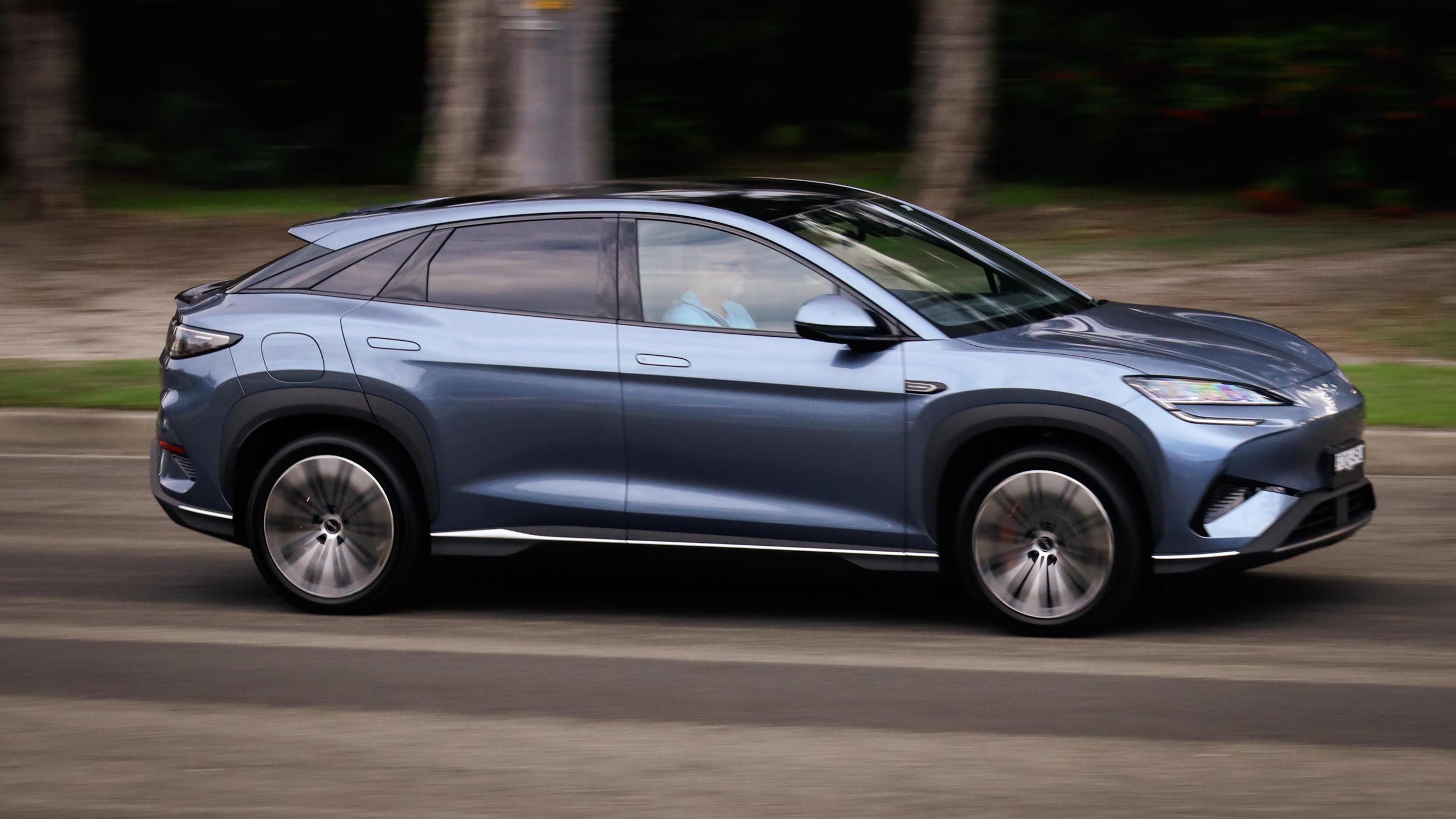
Helping BYD return a strong performance in markets outside China was the popularity of the BYD Sealion 7 (pictured top).
In Australia in April, it was not only the top-selling EV Down Under but also placed seventh outright in the top 10 best-selling vehicles, with 1780 of the mid-size SUVs finding homes here.
Globally, focusing on BYD’s sub-brands, the Dynasty and Ocean family accounted for 273,448 vehicles (-21.2 per cent), the Fang Cheng Bao off-road brand grew 190.2 per cent to 29,138 units, while premium brand Denza fell 26.9 per cent to 11,250 units.
High-end brand Yangwang grew an impressive 95.6 per cent, but that growth translated to just 264 cars.
As competition intensifies in China, BYD has also reported weaker profits in the first quarter of this year, making 4.09 billion yuan (A$826m), a fall of 55.4 per cent year-on-year.
Despite the drop, BYD comfortably remained China’s best-selling brand in April, comprehensively beating second-placed SAIC (142,487) and Geely Auto (135,591), with most of the latter’s growth fuelled by its premium Zeekr brand, which delivered 31,787 units (+132 per cent).
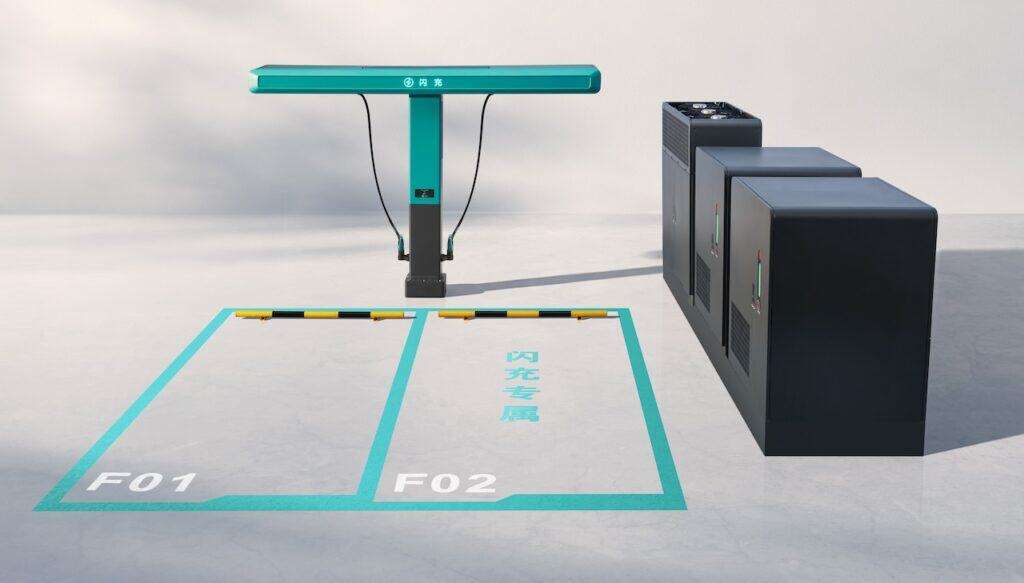
Of course, BYD is not sitting on its hands as sales fall. A raft of new models capable of ultra-fast 1000kW DC charging, as well as BYD-branded 1MW+ Flash Charger infrastructure, are central to a planned turnaround in its fortunes.