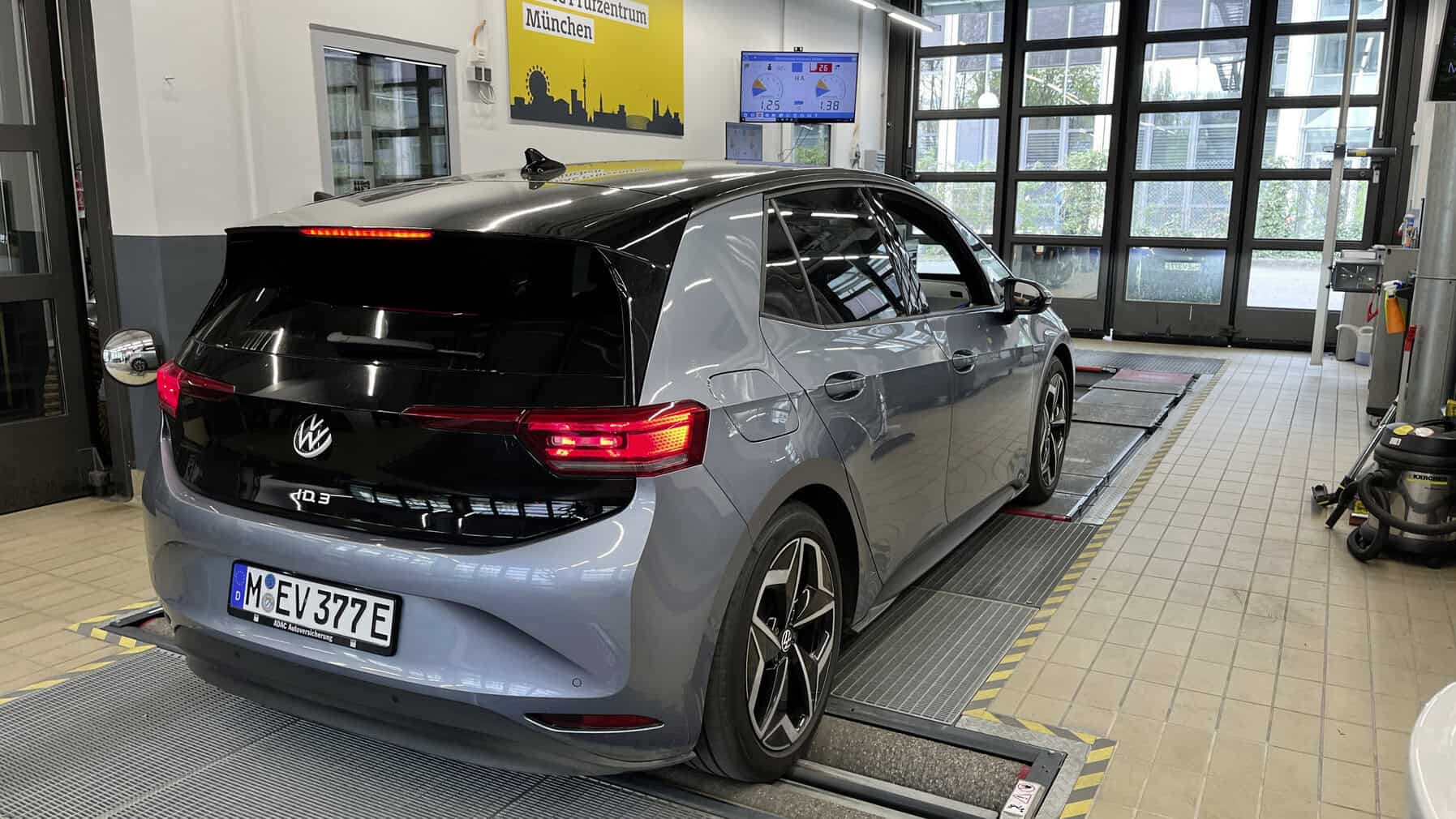
EV servicing warning: Sales boom could trigger confusion, bottlenecks and costs
Australia’s growing uptake of electric vehicles is putting pressure on the automotive service industry, according to new research commissioned by the Victorian Automotive Chamber of Commerce (VACC).
The automotive organisation says consumer confusion around EV servicing could create bottlenecks and increase costs.
The VACC claims two-thirds of EV owners believe their vehicle can only be serviced at specialist EV centres rather than local workshops, despite many automotive businesses already adapting to service electric cars.
The findings come from research conducted by Kantar involving 1000 vehicle owners across Victoria and Tasmania, as EV sales continue to accelerate in Australia.
The organisation warned that the transition to electric vehicles risks outpacing both consumer understanding and industry readiness.
According to the research, one in three motorists has delayed servicing due to time or inconvenience, while three in 10 have postponed maintenance to save money. Around 36 per cent said they were concerned about unexpected vehicle costs.
VACC CEO Peter Jones said misconceptions around EV servicing could place unnecessary strain on the service network.
“The reality is that many automotive businesses are already adapting to new technologies. But if consumers believe their options are limited, it risks creating bottlenecks, longer wait times and added pressure on the system,” he said.
The VACC said automotive workshops are increasingly being required to invest in new tooling, diagnostic equipment, safety systems and staff training to support EV servicing, while continuing to maintain the existing petrol and diesel fleet.
It warned that smaller and regional operators could face particular challenges without targeted support, potentially limiting servicing access for EV owners outside metropolitan areas.
“The transition to EVs isn’t just about buying a different type of car,” Mr Jones said.
“It’s about making sure there is a skilled workforce, properly equipped workshops, and access to servicing wherever you live — whether that’s in the city or in regional Australia.”
The organisation also linked broader cost-of-living pressures to changing servicing habits, warning that delaying maintenance could eventually lead to higher repair costs or vehicle breakdowns.
As part of its policy recommendations, the VACC is calling for greater investment in EV tools, equipment and training, along with support for regional workshops and improved consumer education around how EVs are serviced and maintained.