All change at Lexus! Toyota’s luxury brand has developed a new plan for its EV future
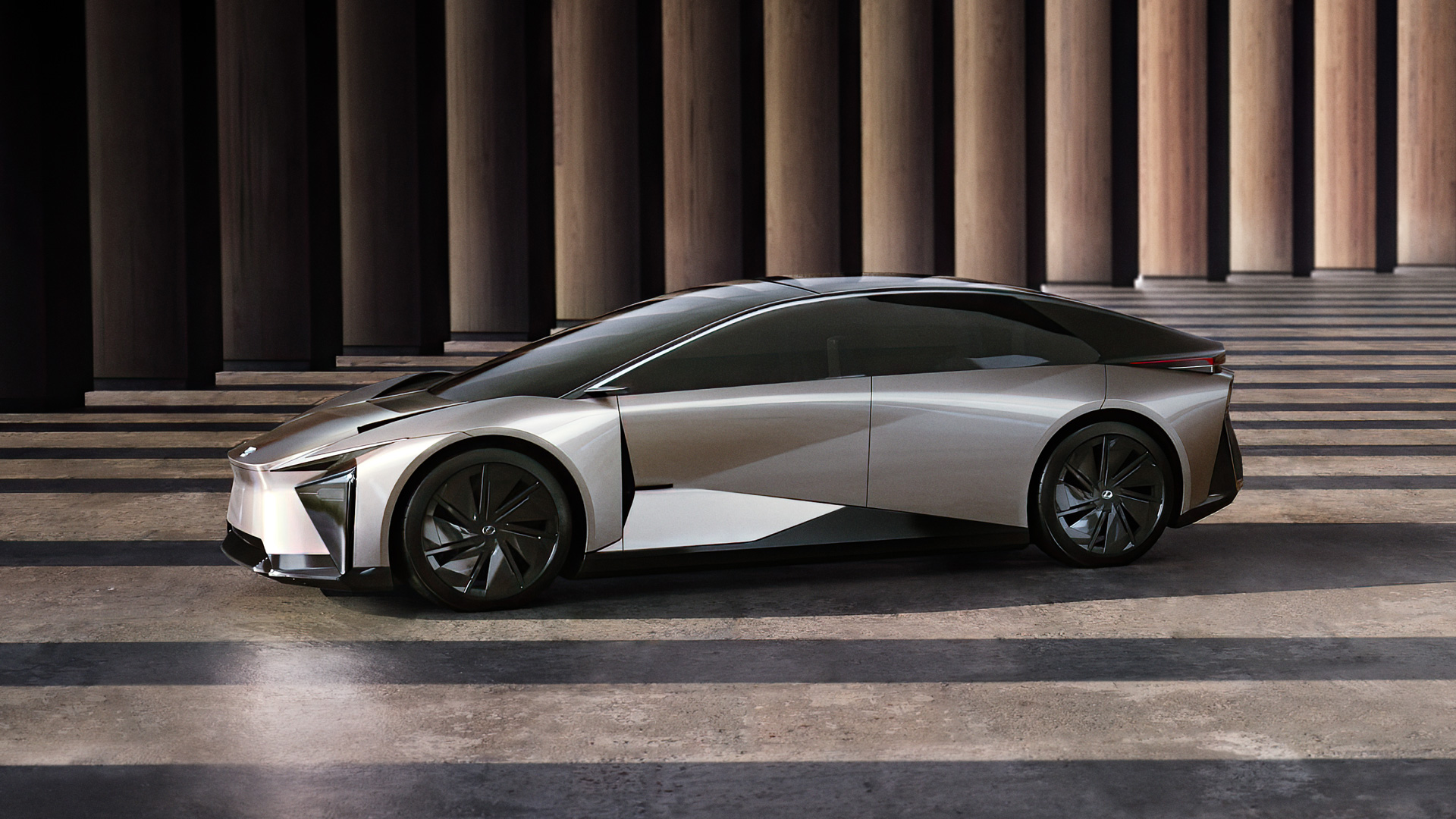
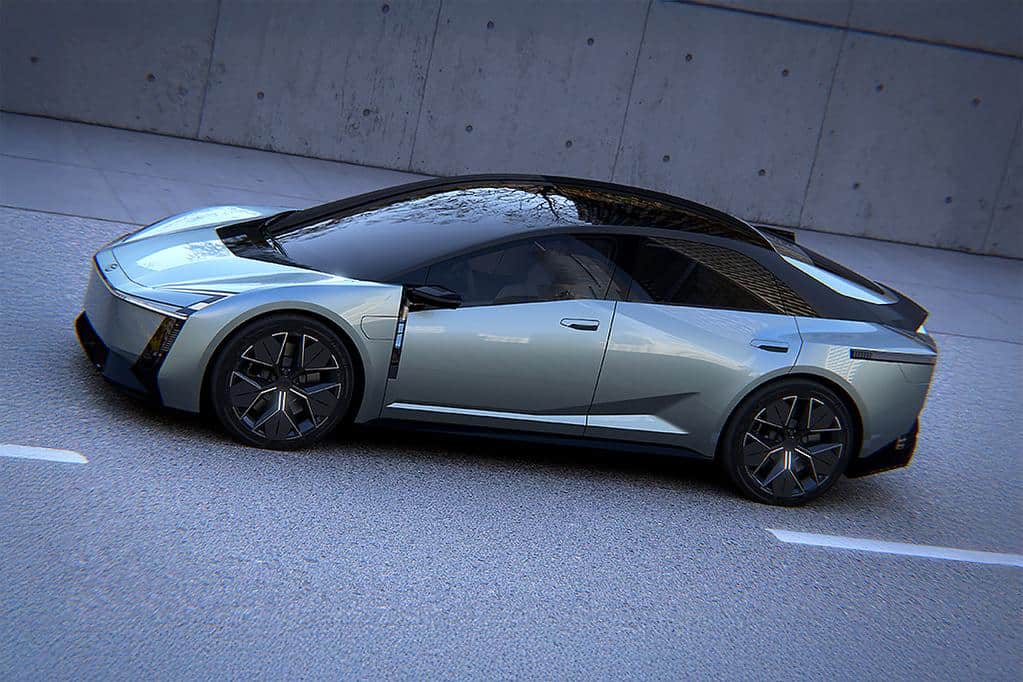
Lexus has pulled the plug on the production version of the 2023 Lexus LF-ZC concept (pictured above) that it was readying to do battle with the inbound BMW i3 and Mercedes-Benz C-Class Electric.
According to Japanese media, Lexus’ cancellation of its mid-size premium sedan comes in the wake of the Toyota brand’s wider strategy to focus its resources elsewhere following the slowdown of electric vehicle sales in key markets such as North America.
According to Kyodo News, instead of rolling out an all-electric sedan, Lexus will switch its attention to developing advanced technologies.
READ MORE: 2026 Lexus RZ Review: At $42K less than its predecessor the Lexus EV looks sharp against BMW, Audi, Tesla and Volvo
READ MORE: Denza and Zeekr have Lexus on the luxury hitlist. Here’s why the Japanese brand isn’t worried
READ MORE: Lexus reveals stunning EV overhaul! LS limo to be reinvented as electric luxury SUV and radical six-wheel EV
Mirroring a similar decision by Honda, which saw it cancel its 0 Series sedan at the very last minute, the Lexus LF-ZC was originally scheduled to be launched globally in 2027.
Primed to have been among the first recipients of Toyota’s next-generation solid-state battery, the Lexus IS was set to blow BMW and Mercedes-Benz out of the water with a 1000km range and charging times that could have delivered a sub-10-minute 10-80 per cent top-up.
Confirming to Automotive News that the Lexus IS EV project was dead, a spokesperson for the brand said:
“We decided to cancel the LF-ZC development project as part of a company-wide review of vehicle development projects.
“The cancellation of this specific development project does not mean we have given up on developing next-generation BEVs.”
Instead of creating EVs on a dedicated architecture, it has been rumoured that Lexus will now work with its parent company to create a platform that can accommodate pure-combustion engines, hybrids, plug-in hybrids and EVs.
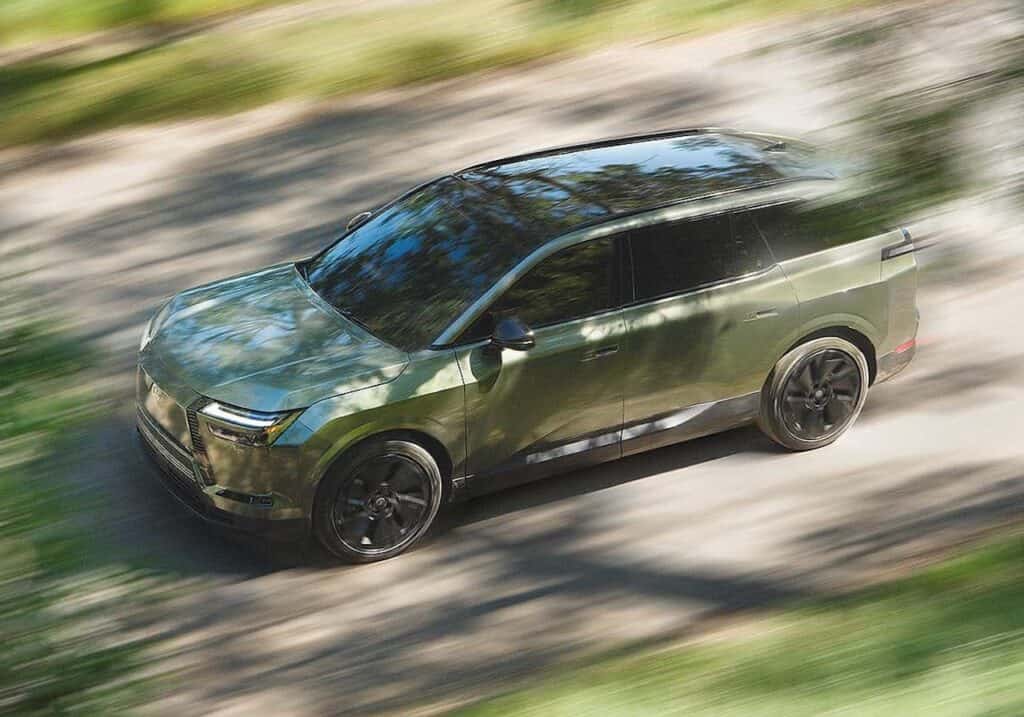
A similar approach has already been taken with the latest Lexus TZ, which is based on the same TNGA-K platform as the Lexus ES.
While the ES sedan is offered with both EV and hybrid power, the new three-row SUV has been tailored to family SUV buyers and is only offered with hybrid power, with little demand in the US for a large battery-powered SUV.
Future Toyotas, such as the Corolla hatch concept shown at the 2025 Tokyo motor show, have already given us a taste of what is to come with the car giant’s new strategy.
Available with petrol, hybrid, plug-in hybrid or EV powertrains, the next Corolla has at least one powertrain solution for every market in which it is sold, however diverse.
One drawback for Lexus is that it was thought that, with its pioneering solid-state technology, the IS could have finally proven a breakthrough vehicle in markets such as Australia, where the brand has never achieved sales success on par with some of its German rivals.
Currently, the RZ SUV is the only EV it sells in Australia, although the mid-size SUV will be joined by hybrid and all-electric versions of the eighth-generation ES sedan later this year.