2026 Beijing Auto Show Greatest Hits: All the PHEVs, EVs, supercars and mega SUVs that will change the automotive game this year
Less is more? The Chinese don’t subscribe to such nonsense.
This year’s Beijing auto show was a behemoth of an exhibition, bordering on ridiculousness in terms of acreage, number of vehicles, attendees and abundance of poorly-dressed idiots on “press day” shouting at selfie-sticked phones.
For two days, I tried embracing the carnage. I’ll try to get across some of the trends seen at the world’s largest car show; my personal highlights and lowlights; and – thanks to China – why it appears the global car industry and motor shows may never be the same again.
READ MORE: Miniscule Smart #2 EV concept a Beijing show-stopper! Australian launch likely.
READ MORE: Radical Hyundai Ioniq Earth and Venus concepts are out of this world.
READ MORE: EVs, influencers and riot police: What it’s like to cover the Beijing Auto Show.
As a working journalist, even two days trying to cover Beijing’s 380,000 square metres and 17 different halls proved impossible. Not when there’s video, photography, interviews and press conferences to do as part of the day job.
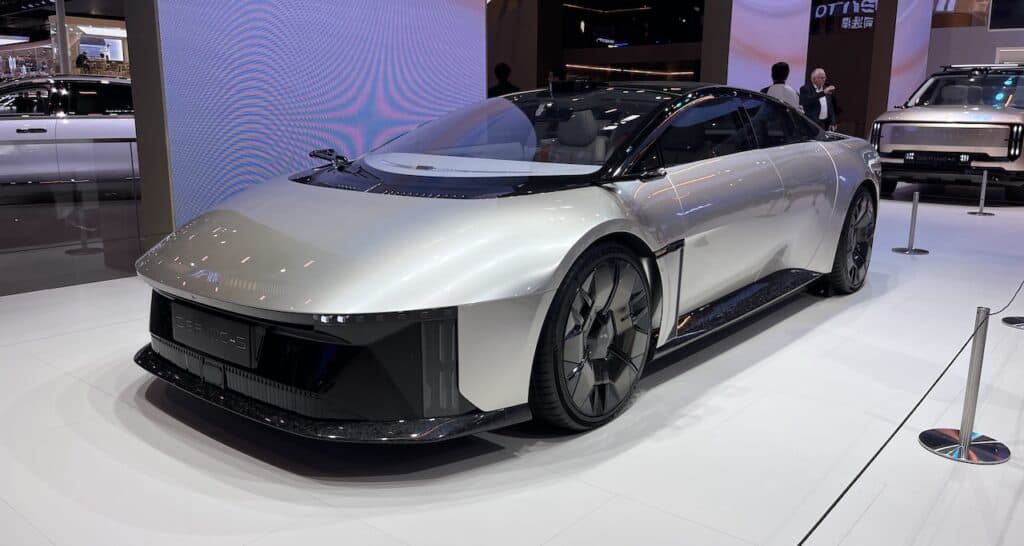
Highlighting the madness, almost 1500 vehicles were on display, 181 of them global debuts and 71 concept cars. We had to pick which of the 219 (!) press conferences to attend, in competition with 32,000 media representatives.
In full “things ain’t what they used to be” fashion, what qualifies as “media” in China in 2026 looks nothing like press day on my first international motor show – Frankfurt – a quarter of a century ago.
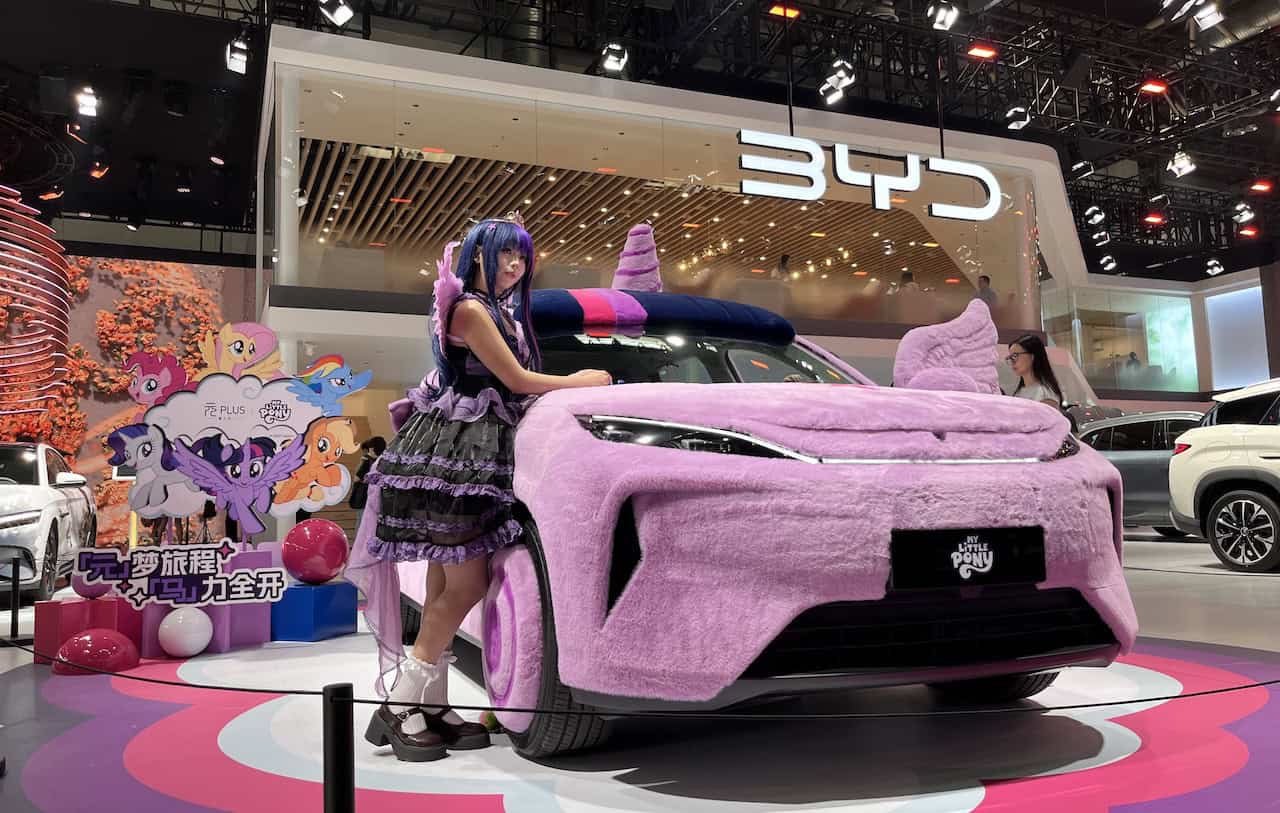
Be-suited and grizzled motoring writers armed with Panasonic dictaphones and Moleskin notebooks was the norm back in 2001. Beijing 2026? Influencers elbowing their way in front of cars, while girls dressed in Manga costumes flogged vehicles live via smartphones.
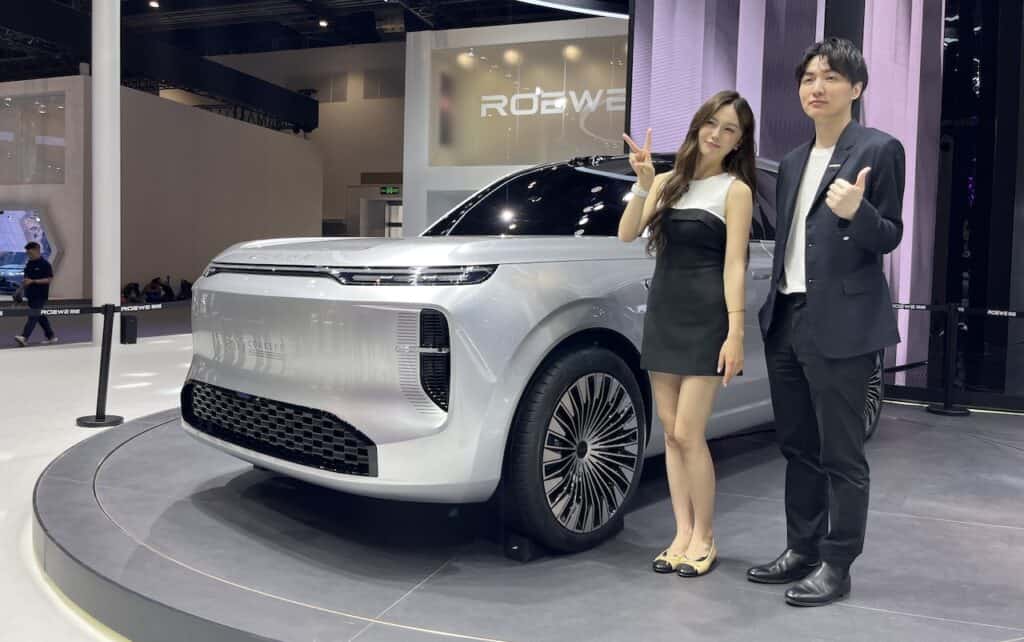
During a global press conference, a Spiderman-costumed Chinese toddler stole my seat so he could play his iPad. How a child in nappies qualifies for a media pass highlights the absurdity.
But it wasn’t hard to be enthralled by the scale, chaos and bonkersness of this event. It mirrors the global market penetration of Chinese cars in recent years. More is more. Up the size. The shininess. The razzle-dazzle.
The Chinese auto industry strives for domination; to challenge the world order, and to get there quicker than anything that’s gone before.
The weak shall be swept aside and the complainers (like this sleep-deprived motoring writer) shall be deemed obsolete. A relic from the past.
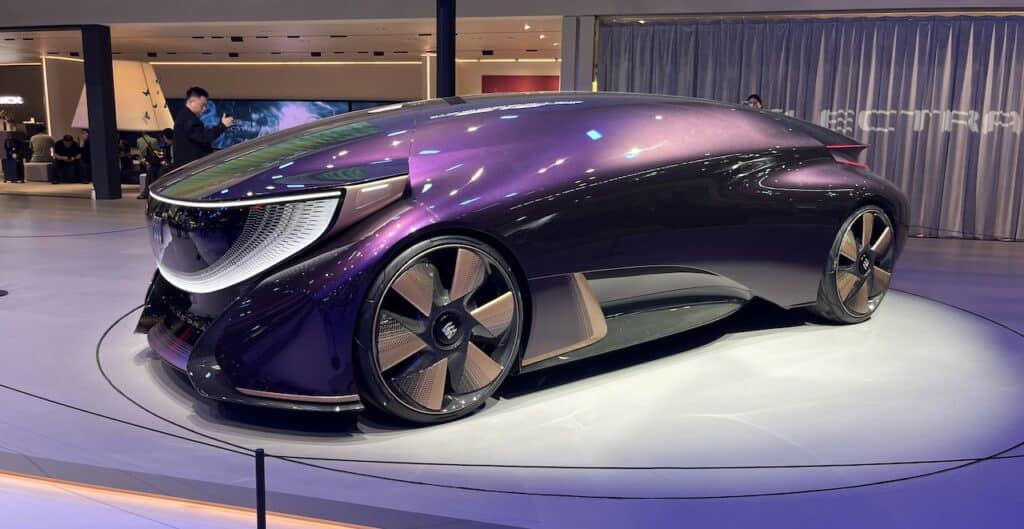
So it seemed for the bulk of legacy brands in Beijing.
The likes of Mercedes-Benz, Audi, Land Rover, Nissan, BMW and Volvo showed a few vehicles Australia and the wider export market receive, but it’s their Chinese-only (or China-collab) vehicles that feel the more innovative and exciting.
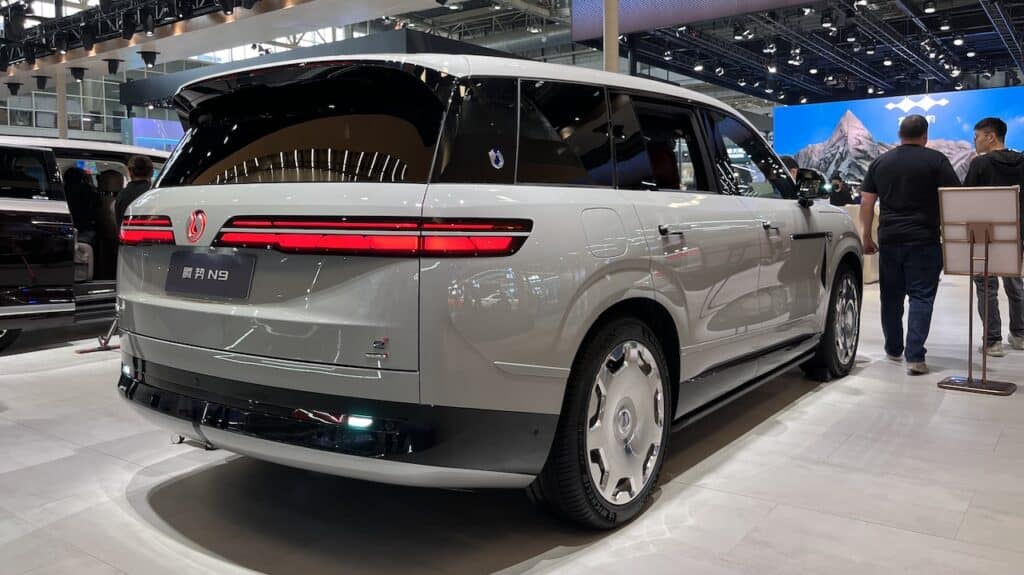
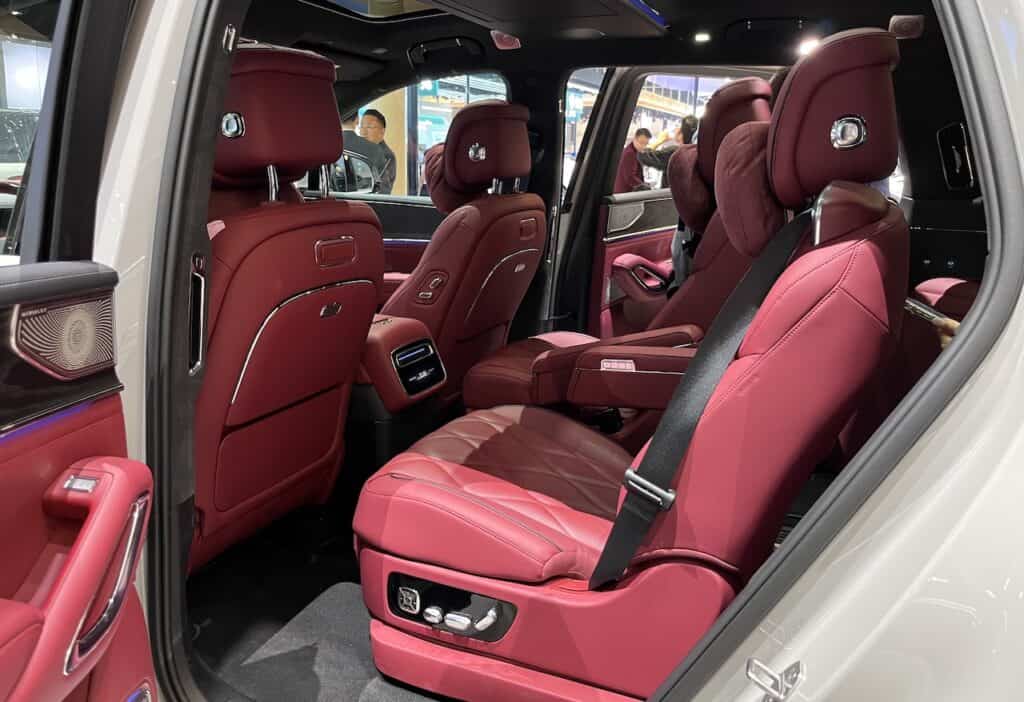
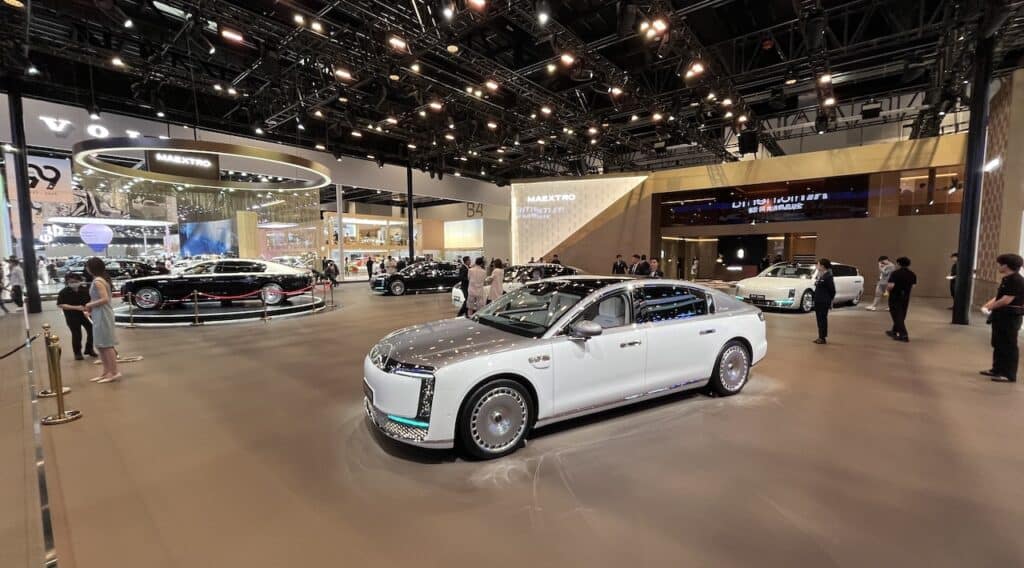
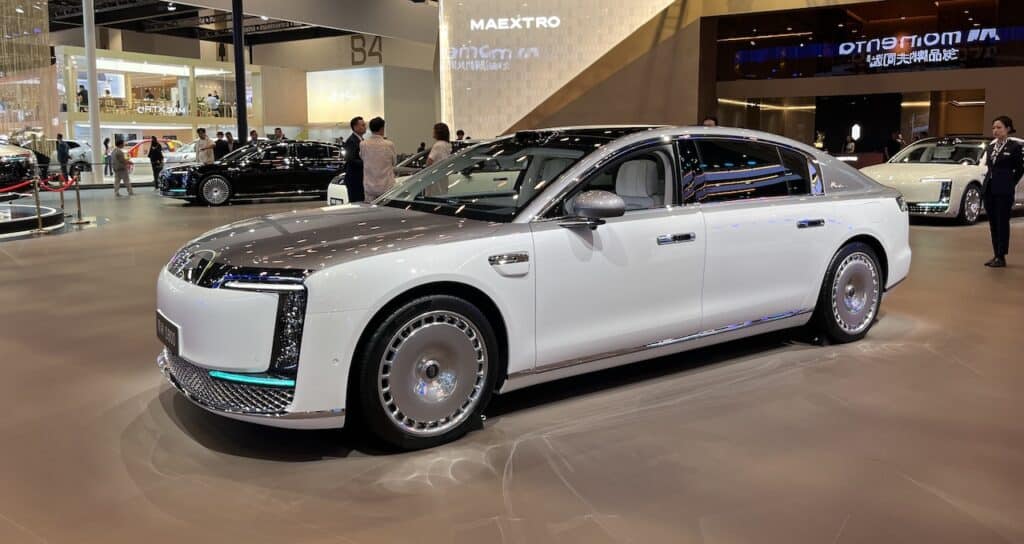
The new BMW 7 Series and Mercedes’ new S-Class sparkled, but felt old hat beside the Chinese uprising. Brought to you by Huawei and JAC, the ultra-luxe limo Maextro S800 out-Maybach’d a Maybach; ideal for the ultra-wealthy demanding to be seen.
BMW’s created its iX3 and i3 EVs in long wheelbase guise for China only, which didn’t look as dorky as they sound despite lengthy three-metre wheelbases, while Audi’s SAIC Motor-collab AUDI (all upper case) brand rolled out an E7X SUV with mighty 109kWh battery, that looked more interesting than any of its non-Chinese SUVs.
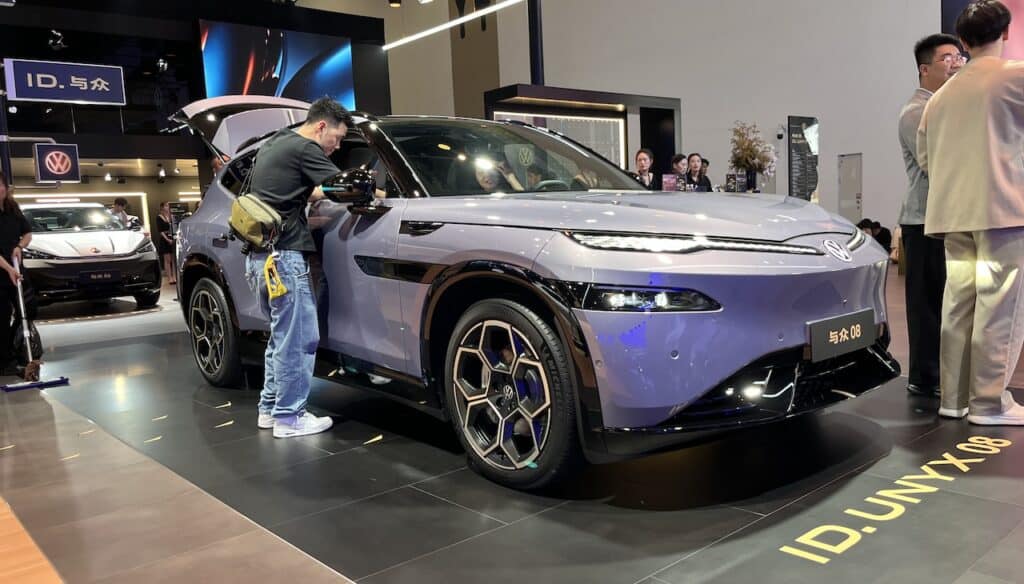
Meanwhile, Volkswagen being in bed with Xpeng is resulting in fascinating metal that would jazz up VW showrooms. Its ID.Unyx 08 may have a terrible name, but this full electric coupe-SUV-wagon with 800V tech looks superb. Different.
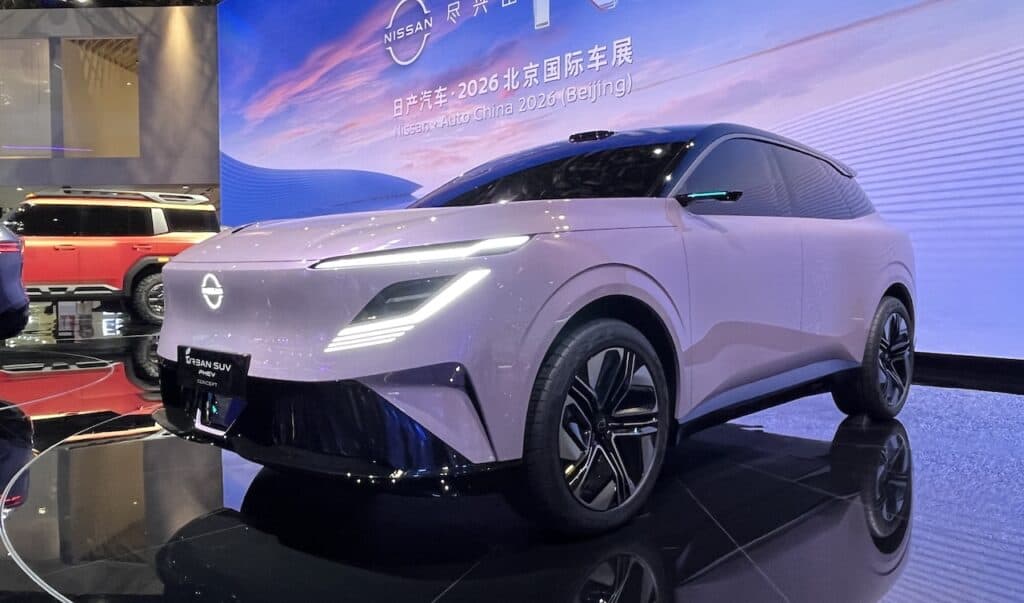
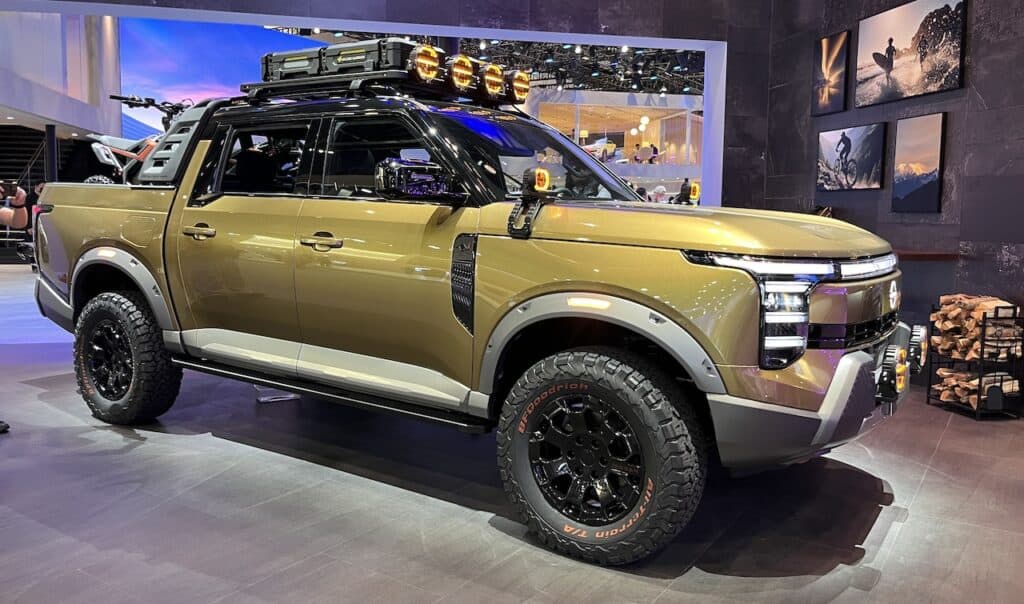
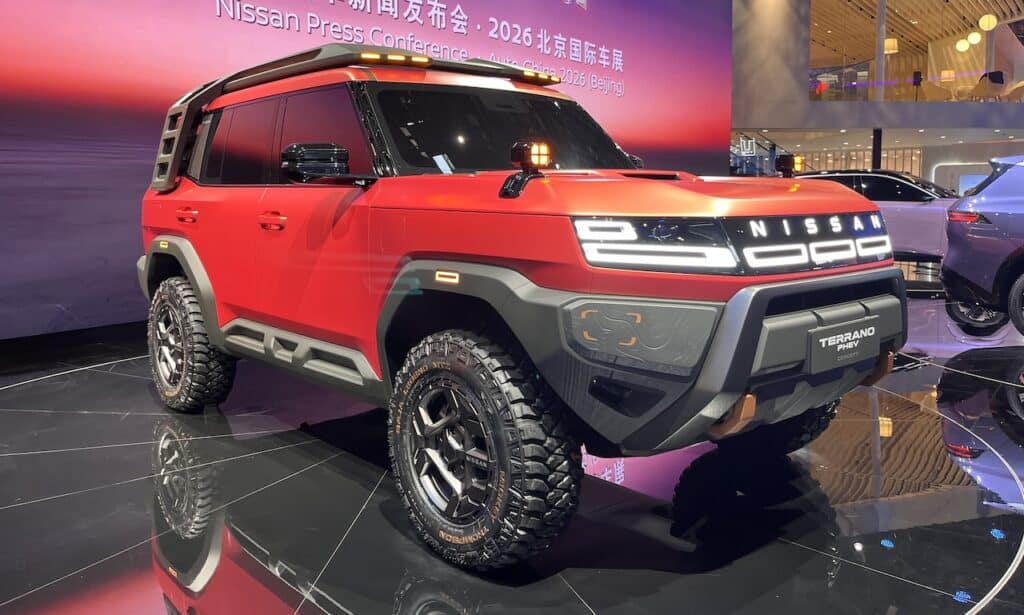
The Dongfeng-Nissan joint venture is also turning up goodies that Nissan surely would love to go global. Nissan’s Terrano Concept, Frontier Pro and Urban SUV – all plug-in hybrids and China-specific – get the juices going more than anything you’ll find in a Sydney or Melbourne Nissan dealership.
The reborn Freelander name isn’t being used on a Land Rover model, but is to be a standalone marque born from a joint venture between Chery and Jaguar Land Rover (JLR). The Freelander 8 is a three-row boxy SUV that looks likely for Australia next year, probably as an EV, PHEV and range extender hybrid.
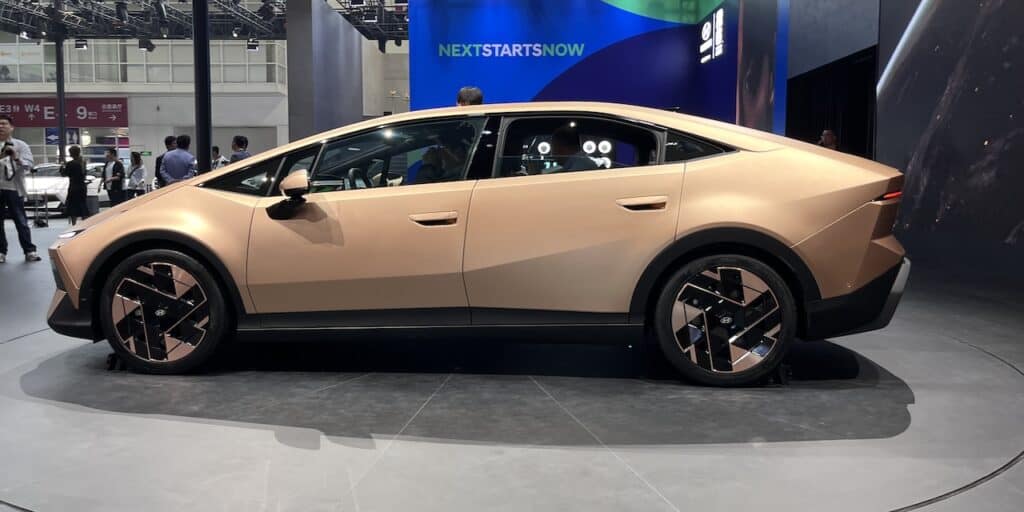
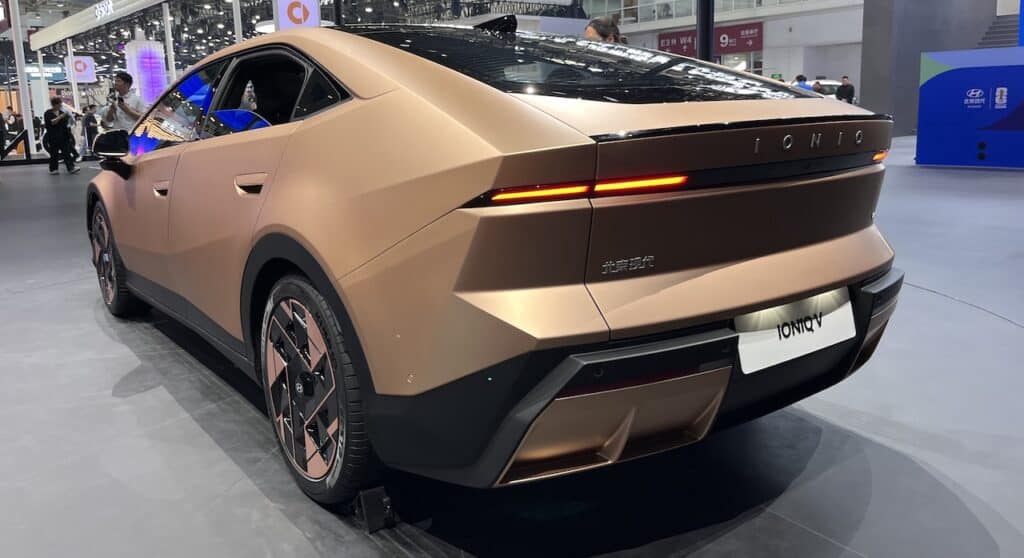
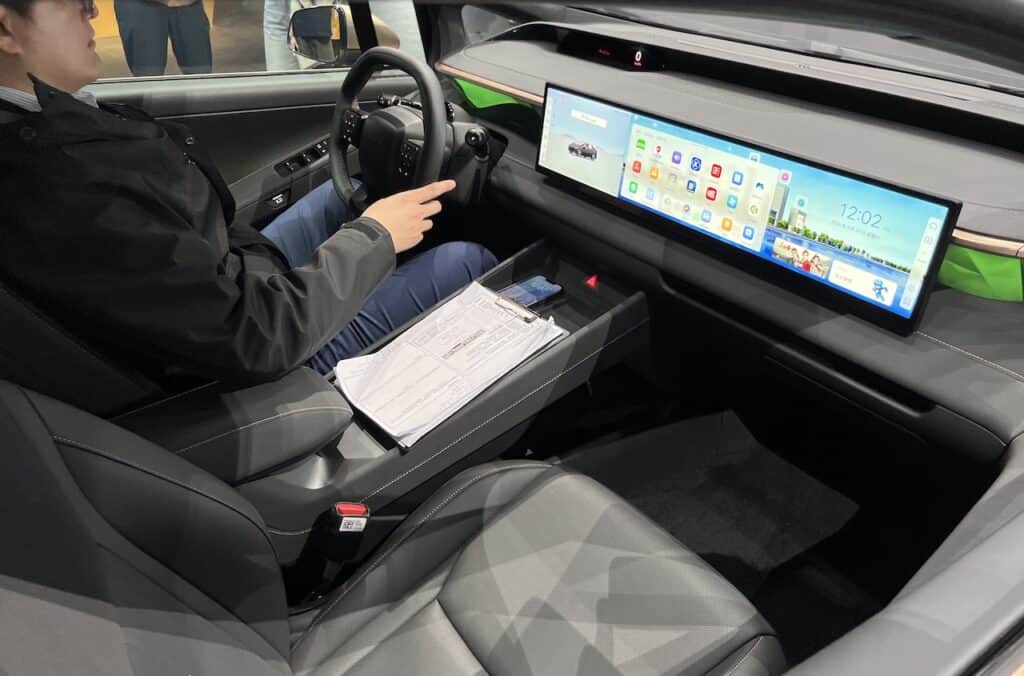
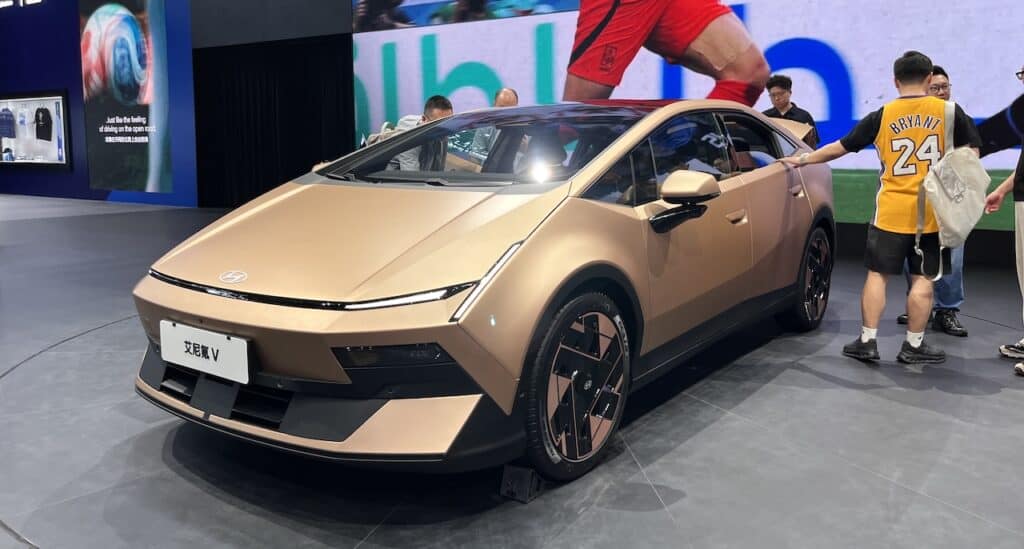
From the mainstreams, my favourite Chinese market production car was Hyundai’s striking Ioniq V.
Ioniq is already its own sub-brand in China, and the V is a near five-metre long sedan with the back end like a modern Austin Princess (Google it, kids) and the front aping something from the house of Lamborghini. Somehow, it works.
Sling the Ioniq 6N’s drivetrain under that and things would get very spicy.
Other trends? The obsession with full EVs appears to have taken a back seat. Grounded in reality, there was a big push towards PHEVs and different ways of doing hybrid, be it range extender or simply mild.
Even – clutch your pearls – proper old-school combustion. GWM announced it was developing a range of turbo-diesel engines, some au naturel, others to be plug-in hybrid and plugless hybrid oil burners.
GWM’s Tank brand near-confirmed for Australia the 700 large SUV, potentially with plug-in hybrid V8 and smart Hi4-Z setup allowing space for a 59kWh battery and EV range around 180km. Sounds like, madly, they want to take it racing a Dakar, too.
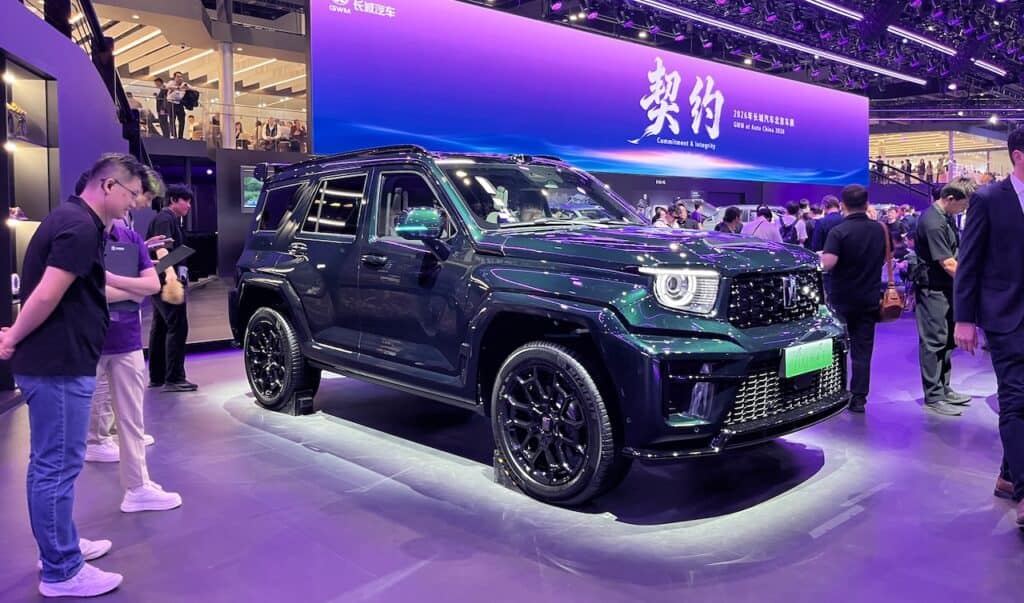
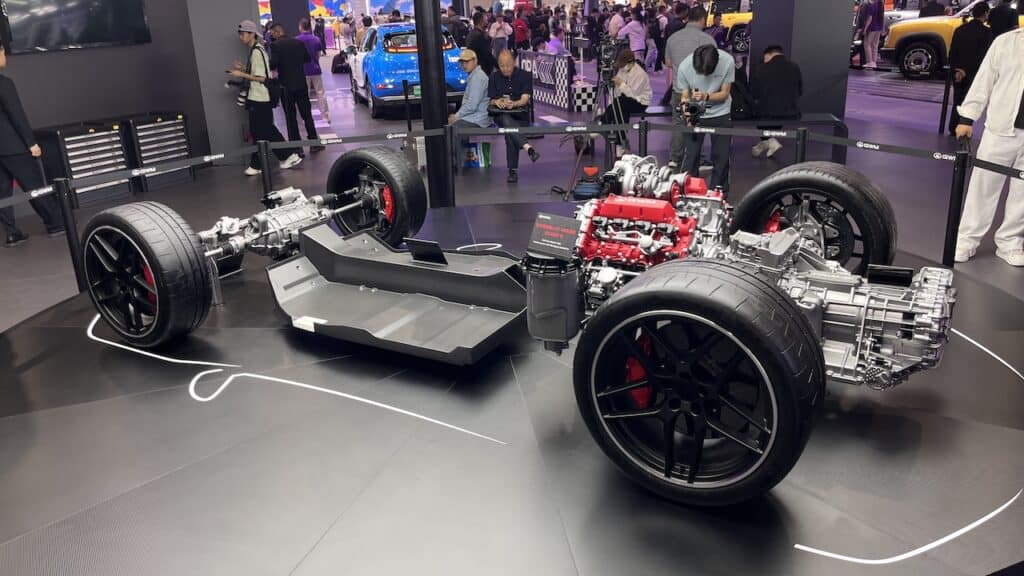
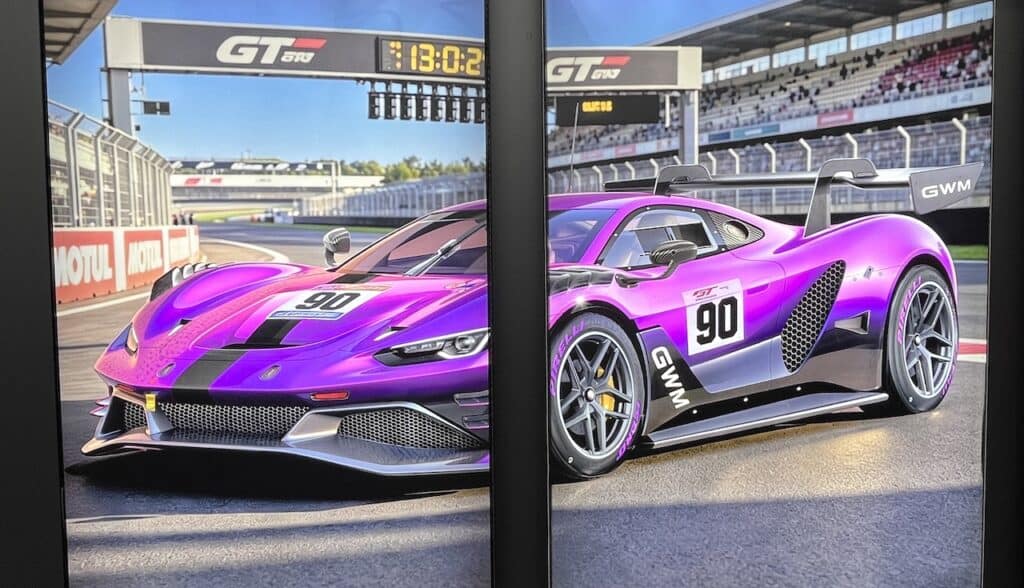
GWM also confirmed a supercar set for GT3 racing. Compelling stuff, not least with a carbon chassis on show, hosting a twin-turbo V8 with dual electric motor assistance and the promise of mega power and torque.
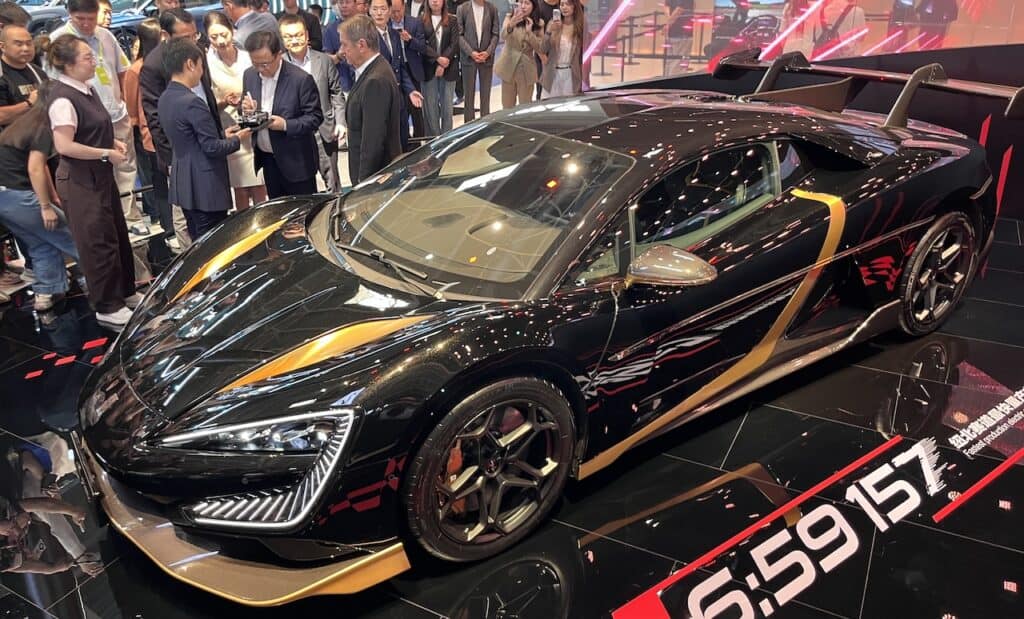
That said, BYD’s YangWang U9 Extreme EV and its near 500km/h top speed world record (for a production car) took some beating.
Aussie billionaire businessman, auto group magnate (BYD) and Sydney Roosters chairman Nick Politis was in attendance to sign papers for his example, the only one set to come to Australia.
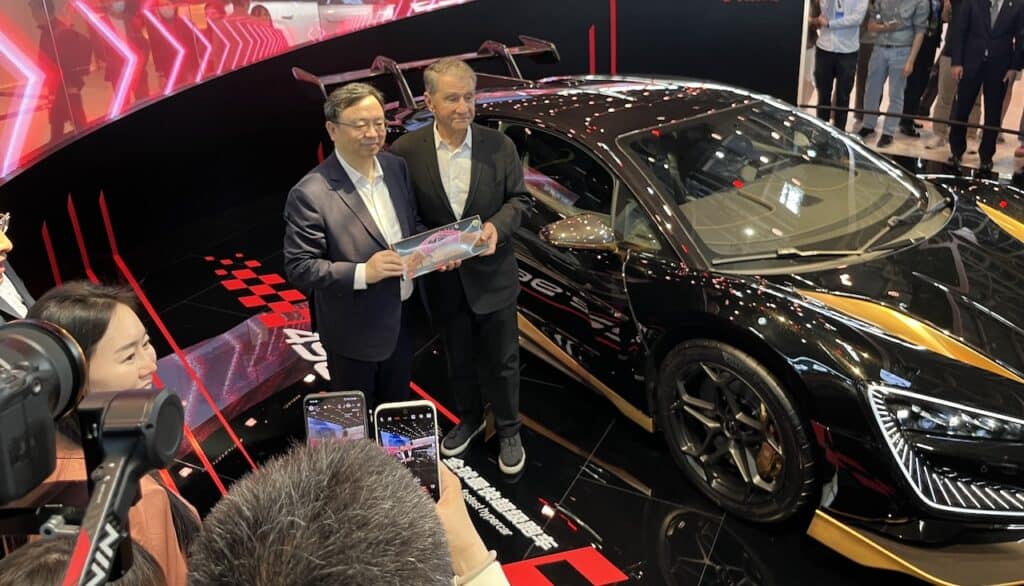
Speaking sportscars, BYD’s got money to spend on madness.
Its Denza Z four-seat convertible promises to hit 100km/h in two seconds, while sharing its 745kW tri-electric motor setup is the FangChengBao Formula X convertible EV supercar concept with carbon body.
It looked like something you’d pull straight from a Hot Wheels packet.
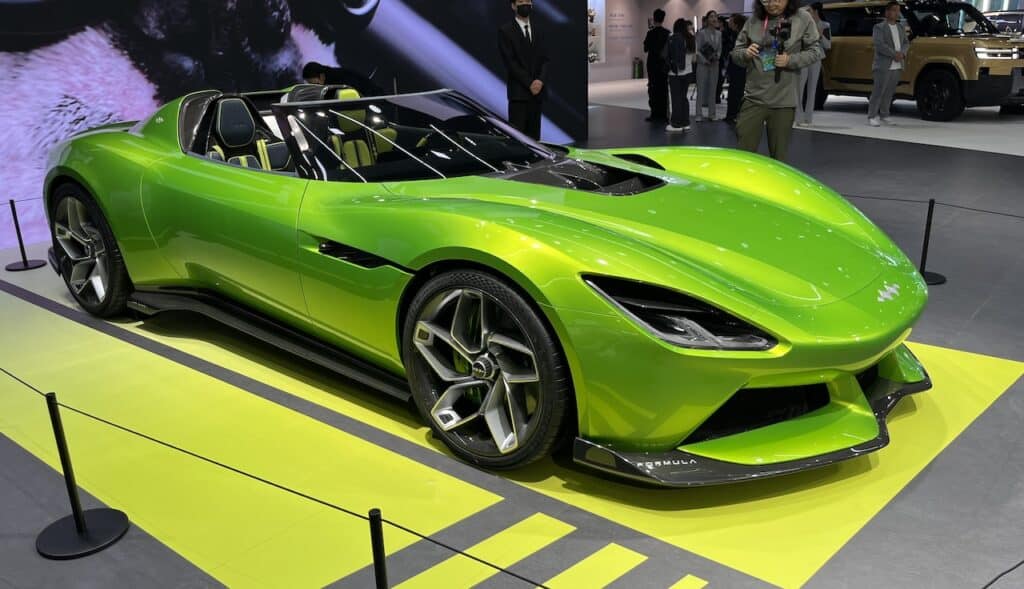
Back down to earth, wagons appear back in vogue.
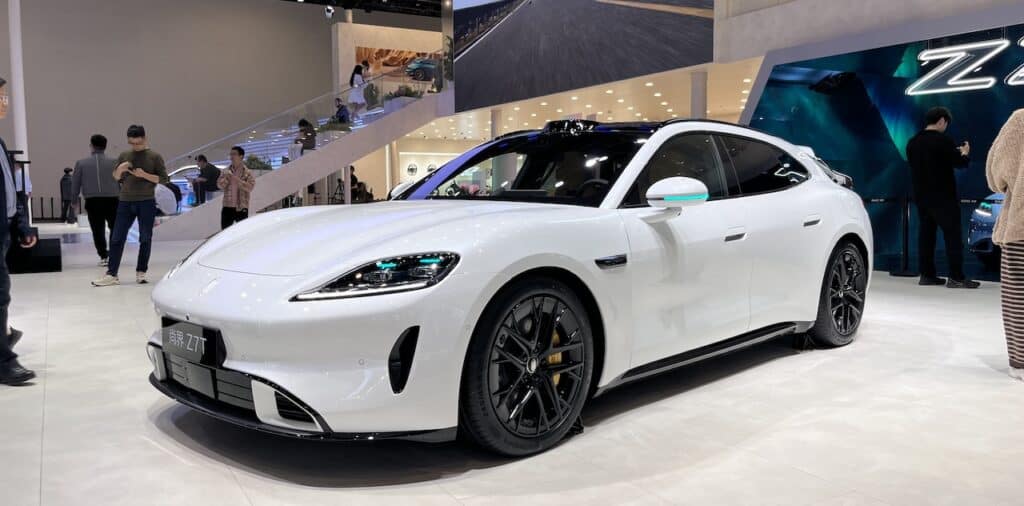
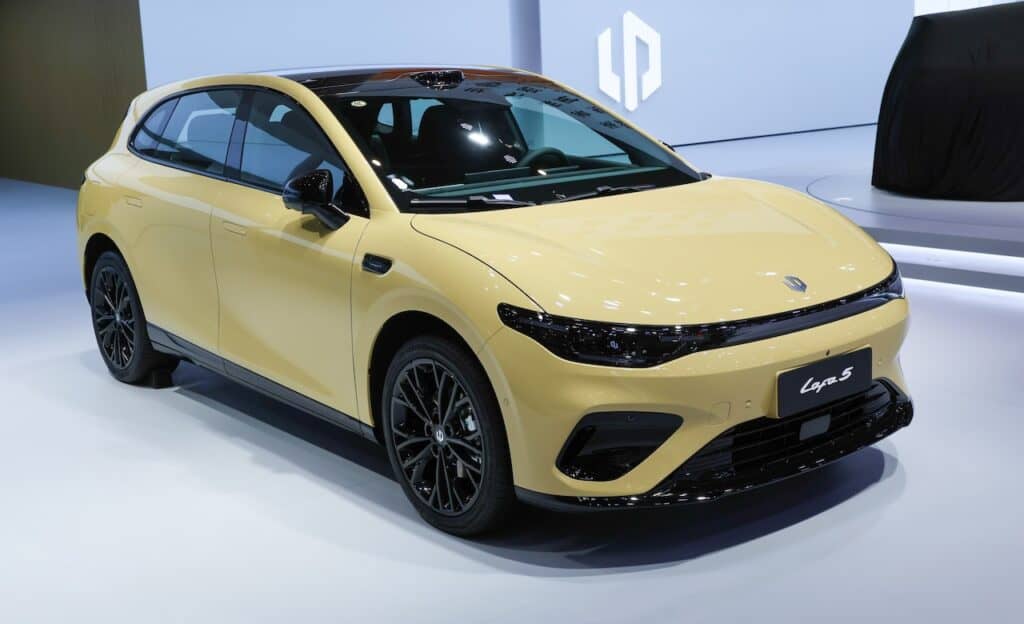
I lingered on the handsome Avatr 06T shooting brake, but was especially attracted to the SAIC Z7T: it doing a wonderful job “honouring” the Porsche Taycan Cross Turismo. See below and it’s uncanny, eh?
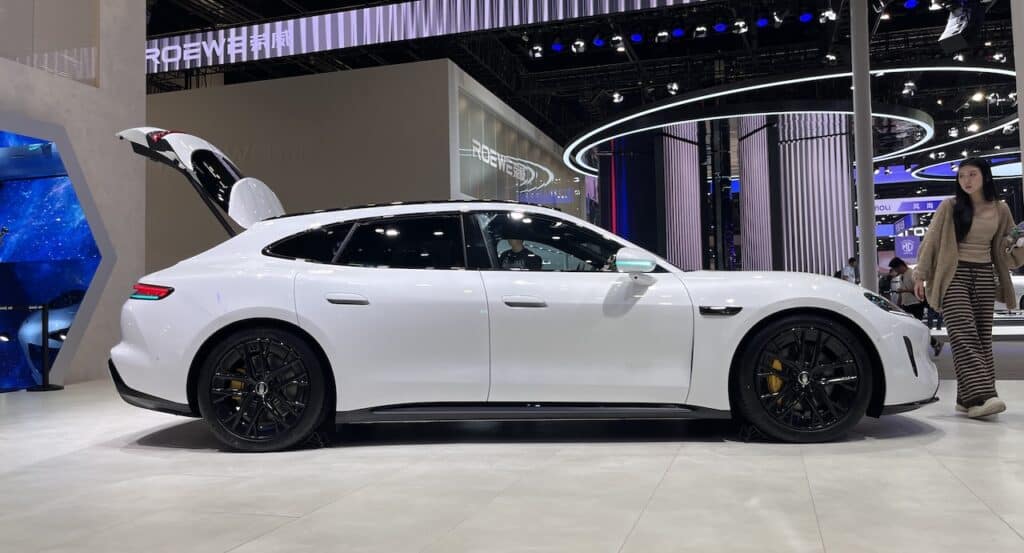
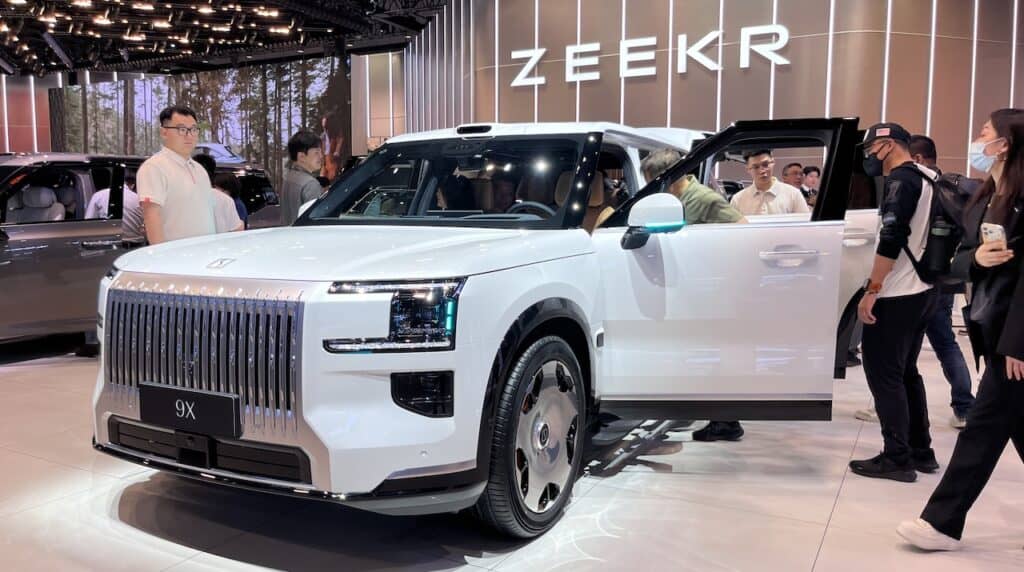
The Zeekr 7GT wagon also displayed decent big bum appeal, but more likely for our market were the brand’s 8X and 9X large SUVs, which could do decent business above the strong-selling 7X.
An obvious trend was how ubiquitous large SUVs with six or seven seats have become.
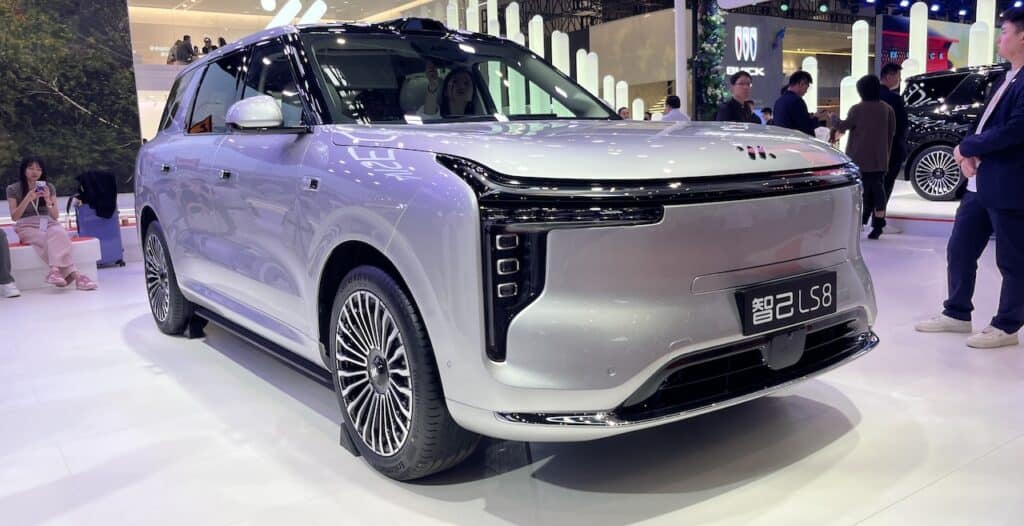
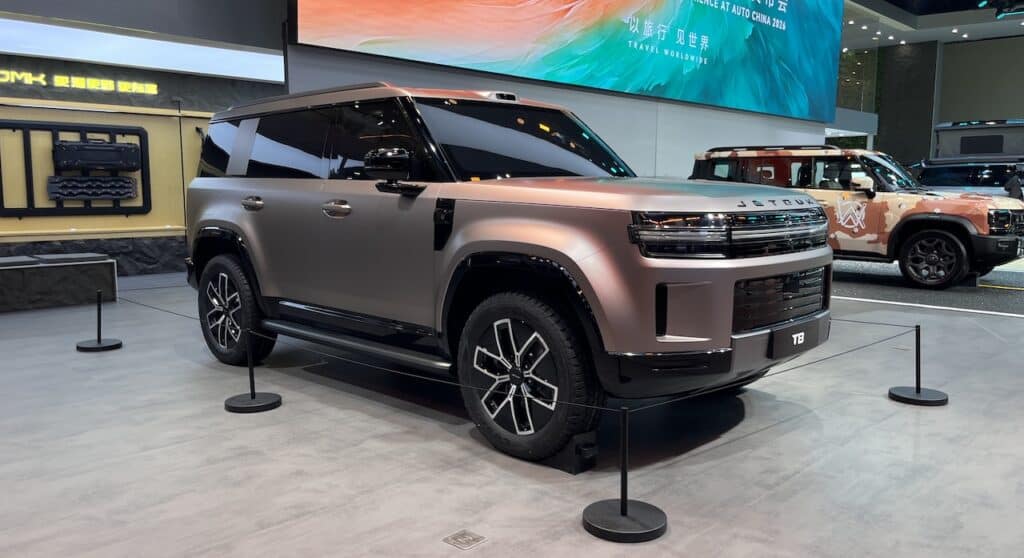
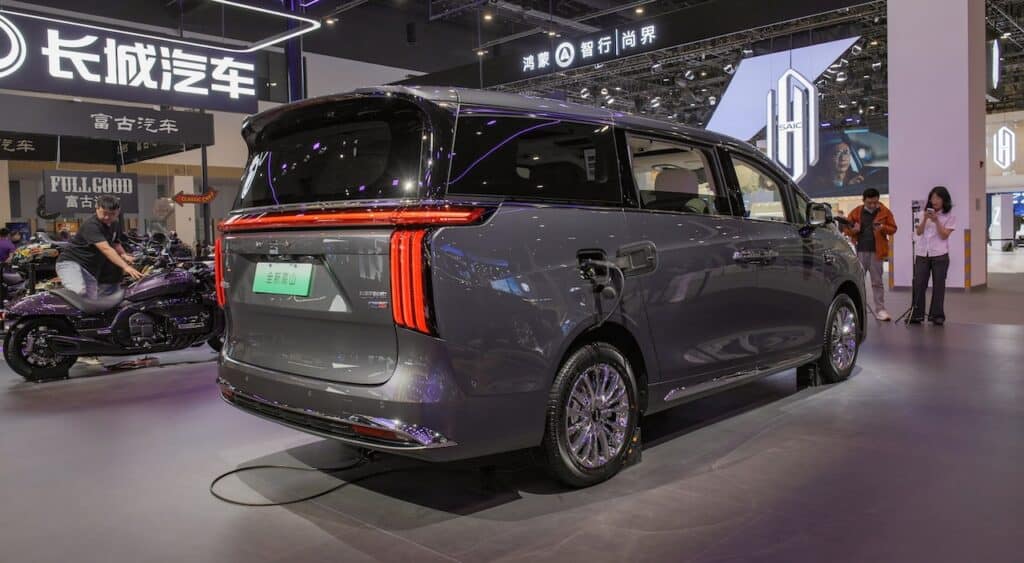
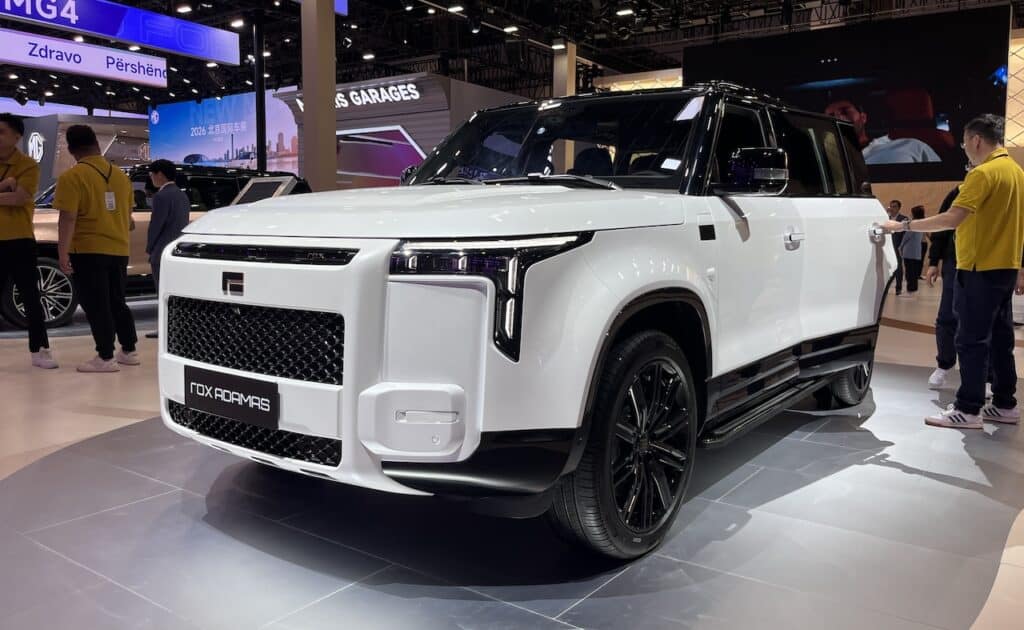
But from that Zeekr 8X to the Wey V9X, the Jetour T8 to Xpeng GX to the IM LS8, designers really are running out of ideas. If they don’t go Land Rover Defender-like boxy (see the GAC Yue 7 or Chery Tiggo X), the sleek giant SUVs are very much paint-by-numbers out of China.
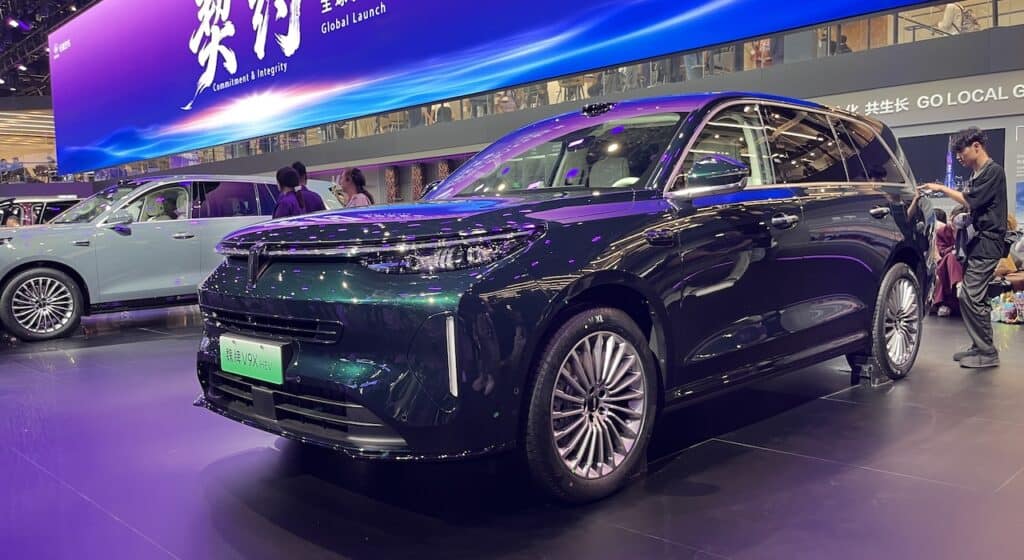
More individuality – and kudos – to Hyundai’s Chinese-only (shame) Ioniq Earth boxy effort.
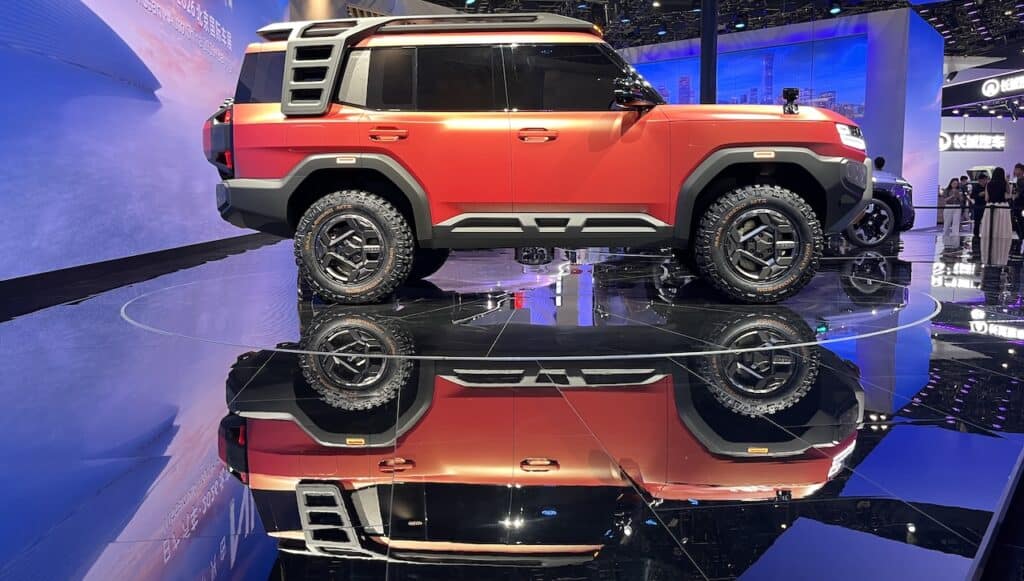
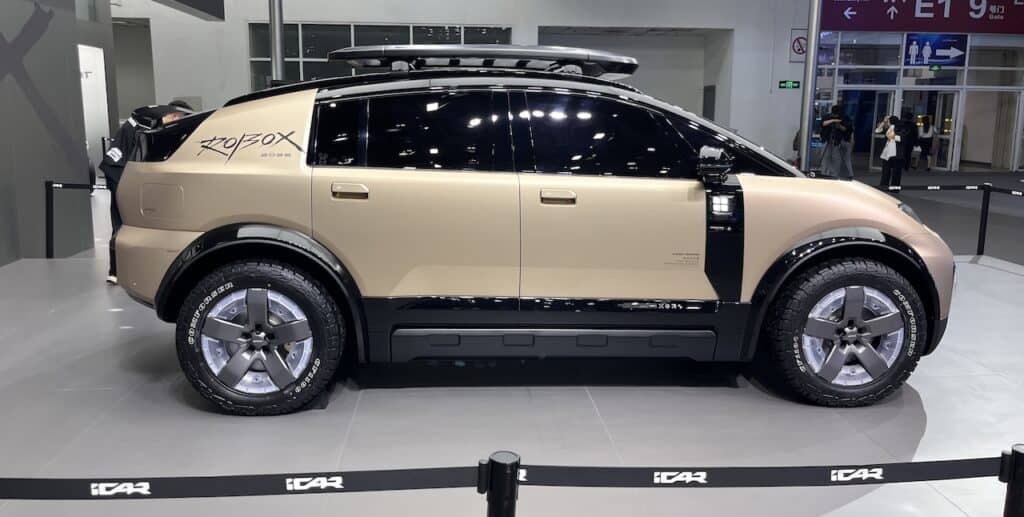
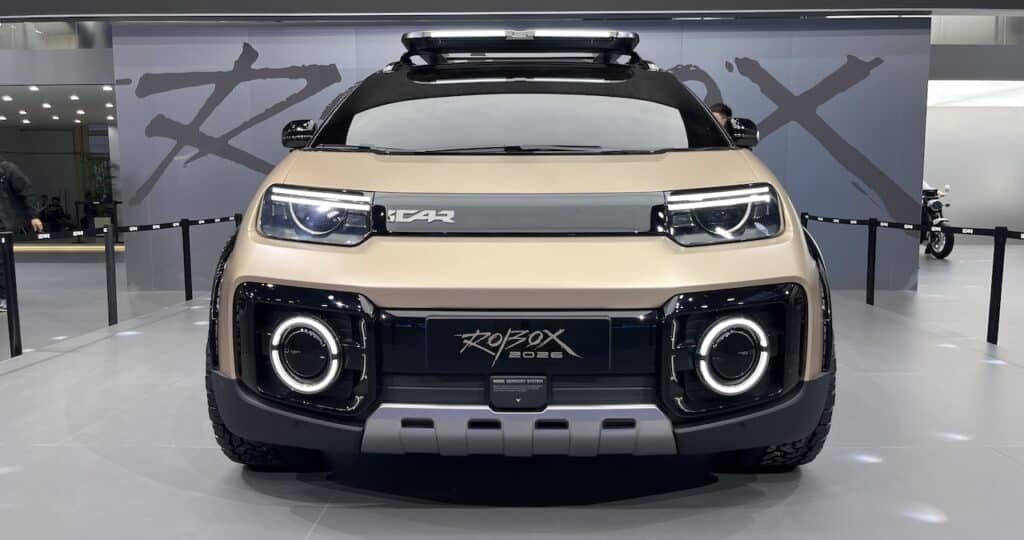
While the iCAR Robox rugged SUV looked different, tough and fun, and hopes to carry solid state batteries and EV range of 1000km.
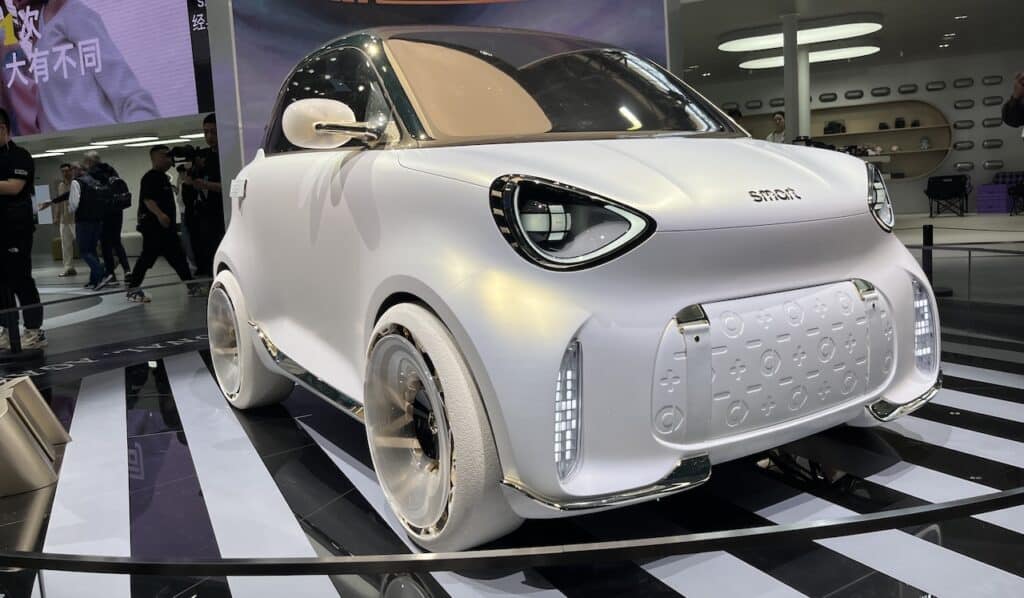
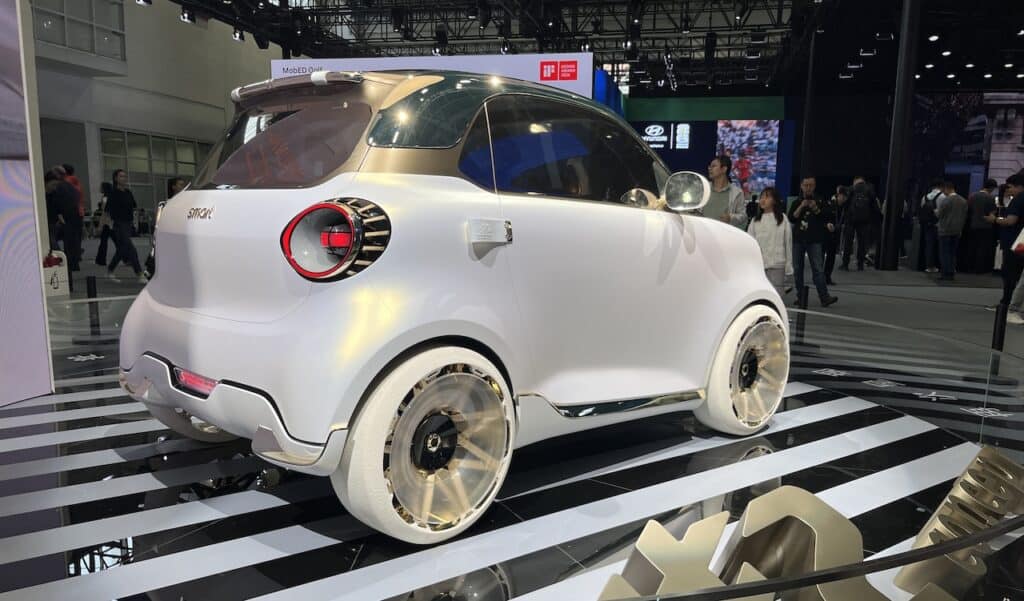
Same the Smart #2 Concept, blessedly returning the brand to its tiny city car roots while other EVs try to save the planet with hulking great three-tonne SUVs.
Post-show, nursing chronic fatigue, blisters and the worrying desire to numb my pain with tequila, I’ve been forced to process it all.
Clearly, legacy brands are more entrenched with Chinese partners than ever before – design, technology and future planning. There’s little doubt Australia and other global markets will be taking many more ‘designed for China’ models as the practice becomes more accepted and, potentially, imperative to turn a profit or simply survive.
China has put a rocketship up the world car industry’s backside, that gets clearer with each Chinese motor show I’ve attended. Will the long-established take up the fight, or simply do ever-more hopping into bed with the competition?
The latter is looking very much the new default plan.