Best EVs to buy in Australia right now: The ultimate guide to affordable electric cars
The EV landscape has been transformed. In the space of a few short years, electric cars have gone from expensive experiments to legitimate alternatives to petrol – and in some cases, the undeniable smarter choice.
And EVs now cover the entire price spectrum, from less than $30,000 all the way into the stratosphere.
Here’s our definitive guide to the best electric cars in Australia, broken down by price bracket.
Where possible we’ve listed drive-away pricing, but have otherwise pointed out you need to factor in on-road costs (ORCs).
We’ll update this list regularly to reflect the best cars you can buy in the various price brackets. Click the links below to fast-track it to the category you’re interested in:
Best EVs below $30,000
Best EVs $30,000-$40,000
Best EVs $40,000-$50,000
Best EVs $50,000-$60,000
Best EVs $60,000-$70,000
Best EVs below $30,000
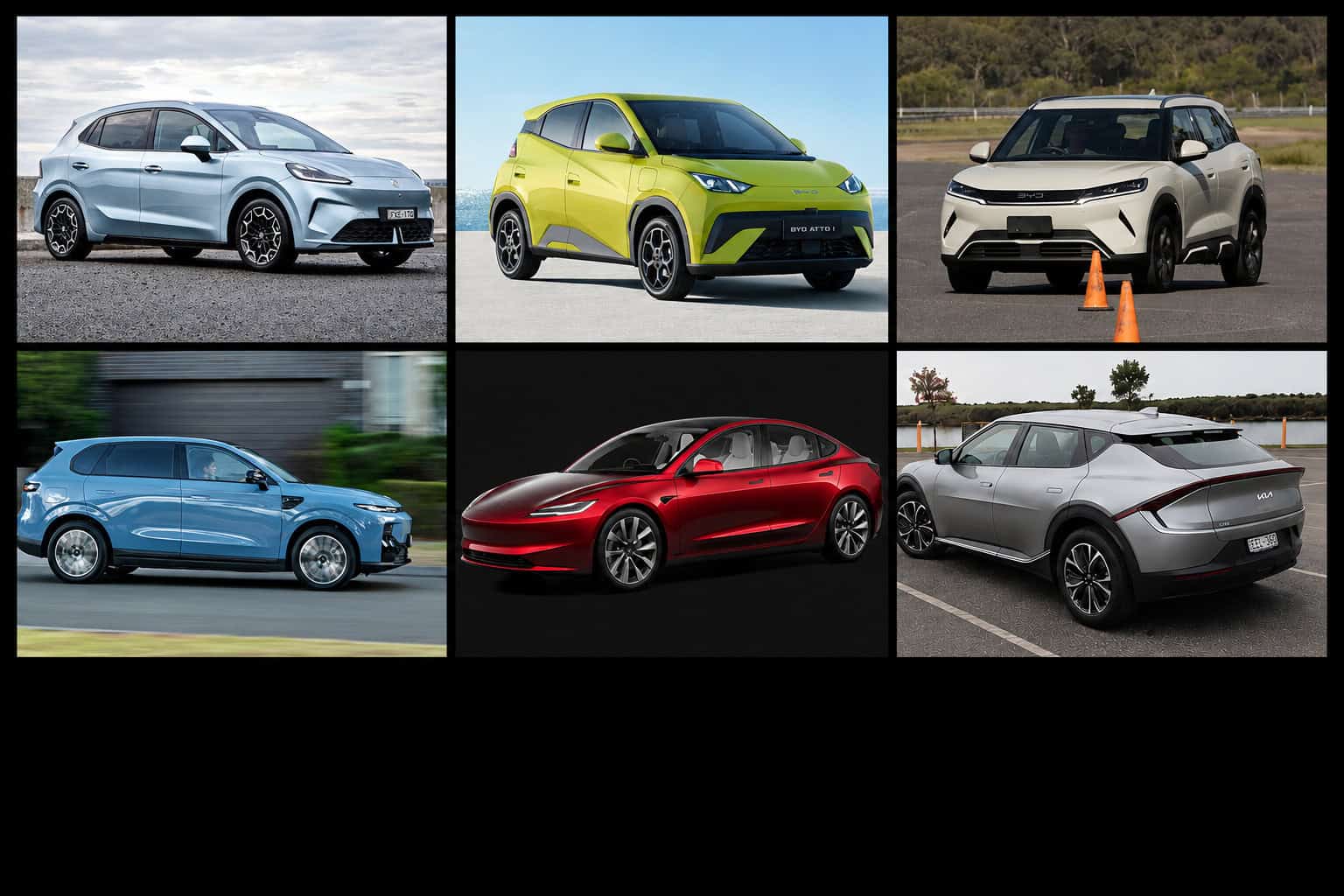
BYD Atto 1 – from $23,990 plus ORCs
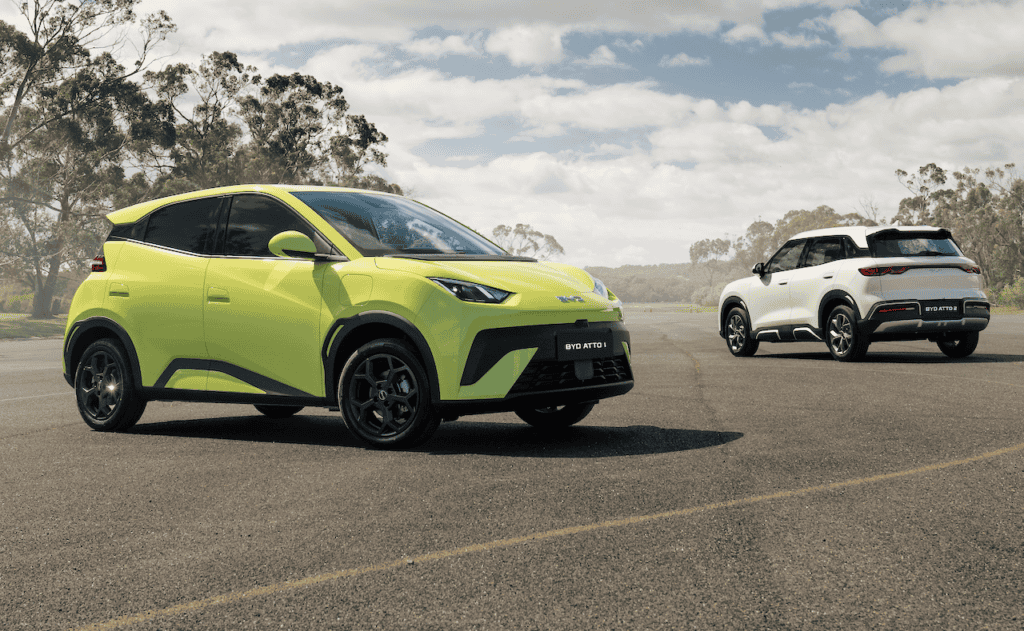
The 2025 BYD Atto 1 instantly demands attention because it lowers the pricing entry point for EVs in Australia to under $25,000.
It wasn’t long ago that EV sceptics were saying price parity with petrol was a pipe dream.
Now the entry-level BYD is cheaper than the entry-level Toyota, Mazda and Hyundai.
The Atto 1 Premium has a 115kW/220Nm e-motor and a 43.2kWh battery pack good for 310km of claimed WLTP range.
It’s small – two rear seats only – but the Atto 1 makes plenty of sense for suburban buyers wanting an entry point to EVs.
Read the full review on the BYD Atto 1
Geely EX2 – from $26,490 plus ORCs
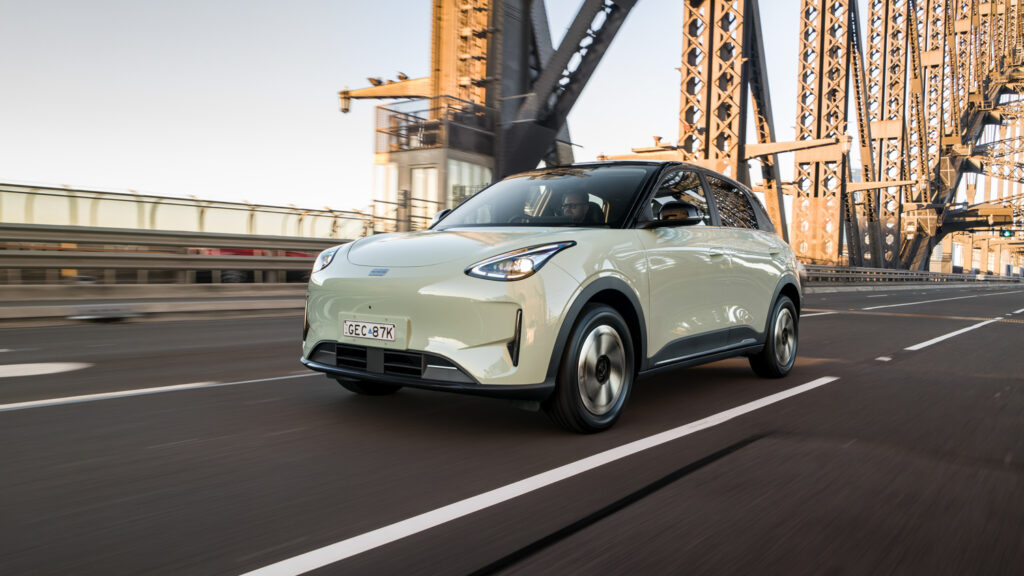
Australia’s second-cheapest EV makes a surprisingly convincing case as an affordable city runabout.
Priced from $26,490 plus on-road costs, the rear-drive Geely EX2 undercuts plenty of petrol-powered small cars while delivering a solid equipment list and a level of refinement that belies its bargain price.
Sure, the entry car only gets a 60kW/150Nm electric motor and 252km of WLTP range, but the $30,990 Inspire steps up to 85kW and a more useful 345km of range.
The EX2 is quiet, comfortable and feels more polished than its price suggests, with a rear-drive layout and multi-link rear suspension helping deliver composed road manners. The steering lacks feel, but accessible electric torque makes it sufficiently zippy in suburbia.
Cever storage solutions include a 70-litre frunk.
For buyers wanting an inexpensive, practical urban EV, the EX2 deserves serious consideration.
Read the full review on the Geely EX2
Best EVs $30,000 – $40,000
BYD Atto 2 – from $31,990 plus ORCs
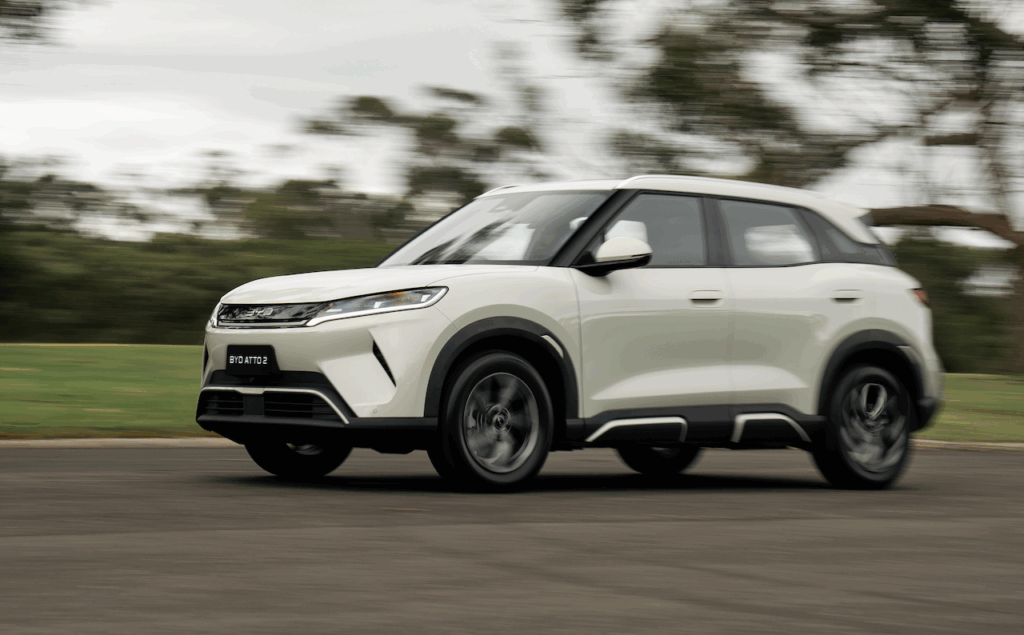
BYD’s new Atto 2 is the cheapest electric SUV in Australia and it doesn’t feel like it.
A 51.3kWh battery is paired with a single front-drive motor producing 130kW and 290Nm.
BYD claims a WLTP-tested range of 345 kilometres, and DC fast-charging from 10 to 80 per cent takes about 39 minutes.
So it’s not a road trip car. But for zipping around town it’s hard to beat.
The materials, the general feeling of solidity and a long list of standard gear means it’s surprisingly impressive.
Read the full review on the BYD Atto 2
Jaecoo J5 – from $35,990 plus ORCs
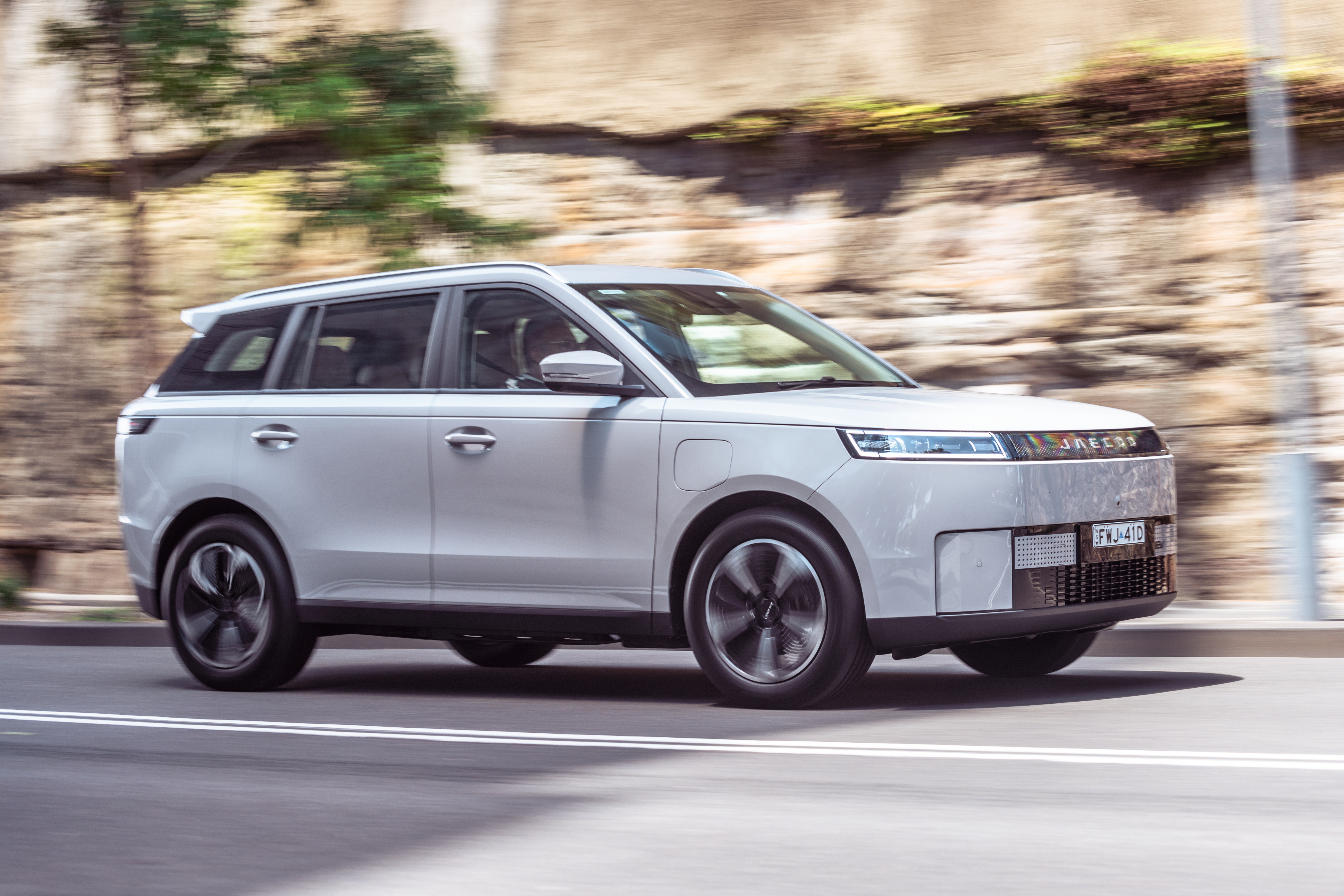
A newcomer in Australia, but one that’s hit the ground running with some Range Rover-esque styling cues.
Priced from $35,990 plus on-road costs, the J5 packs a 58.9kWh LFP battery with a claimed 402km of WLTP range.
A single 155kW/288Nm motor drives the front wheels and DC fast-charging at up to 130kW makes it good for a 30-to-80 per cent top-up in 28 minutes.
The J5 EV gets heated and ventilated front seats, 360-degree camera, ambient lighting and a wireless phone charger as standard.
The driving experience is competent rather than standout, with acceptable ride and handling balance, but as a compact SUV designed primarily for city and suburban use, it works well.
Read the full review on the Jaecoo J5
GAC Aion UT – from $31,990 plus ORCs
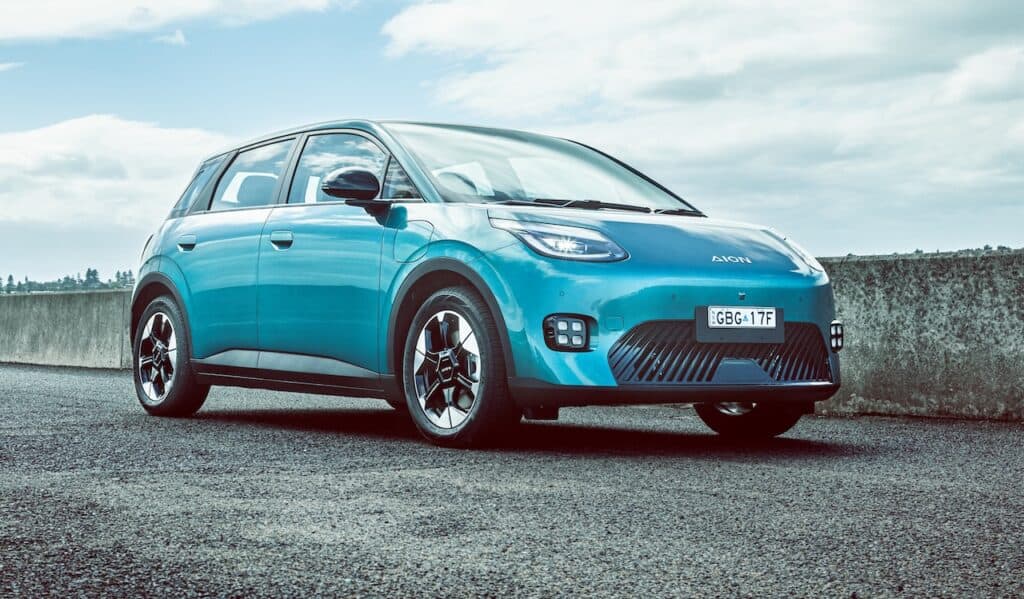
GAC’s smallest EV punches well above its weight.
The 2026 Aion UT is offered in two variants – the $31,990 Premium and the $35,990 Luxury – both sharing the same 150kW/210Nm front-mounted motor paired with a 60kWh LFP battery, delivering a claimed 430km of WLTP range.
Space is one of its standout traits: there’s impressive interior space, particularly in the rear, with good head and kneeroom even for taller adults.
On the road, the Aion UT is better resolved than many budget-focused EVs.
Sure, the ownership picture deserves scrutiny – GAC is still new here – but it’s a competitive and capable small EV at a price that makes rivals uncomfortable.
Read the full review on the GAC Aion UT
MG4 Urban – from $31,990 drive-away
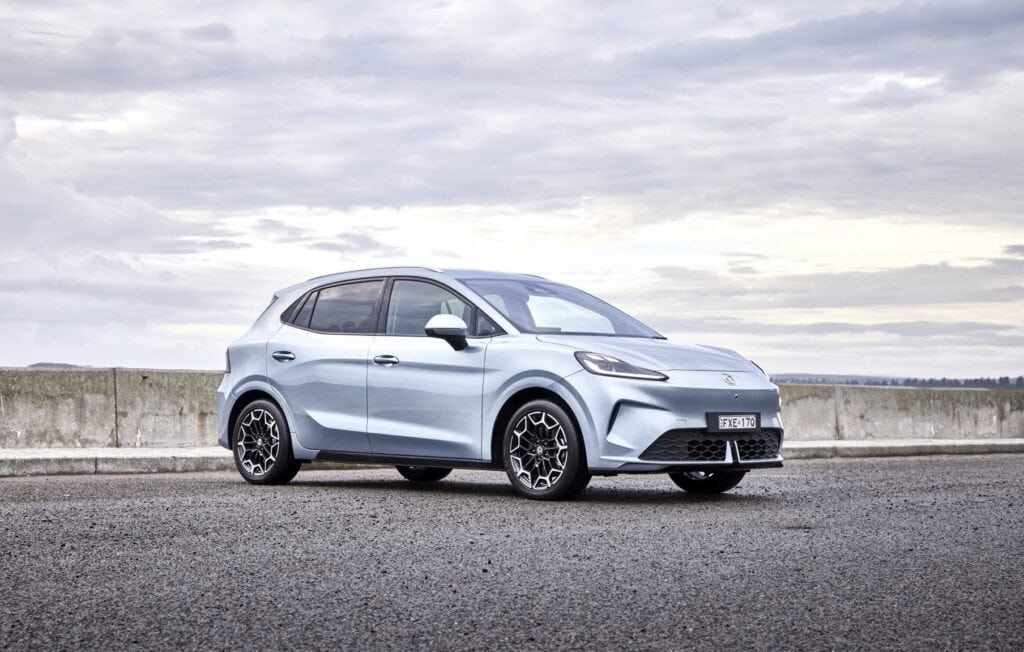
The MG badge brings brand familiarity, and now MG has given the MG4 name a very different kind of car.
Whereas the regular MG4 drives the rear wheels, the Urban gets a marginally larger body and a front-drive layout.
And at $31,990 drive-away it is one of the cheapest EVs on the market.
It’s a front-drive car with a 43kWh battery good for 316km of WLTP range, extending to 405km with the Extended Range 54kWh option for another $3000.
Its front-drive layout pays back in the cabin, where modest exterior proportions make for a surprisingly practical car.
It’s not as fun to drive as the original rear-drive MG4, but it’s far more enjoyable than petrol-powered alternatives.
In short, the MG4 Urban doesn’t stand out in any way, but it’s an honest, practical EV that ticks the boxes for easy, comfortable city motoring.
Just keep the trips short-ish.
Read the full review on the MG4 Urban
MG4 – from $39,990 drive-away
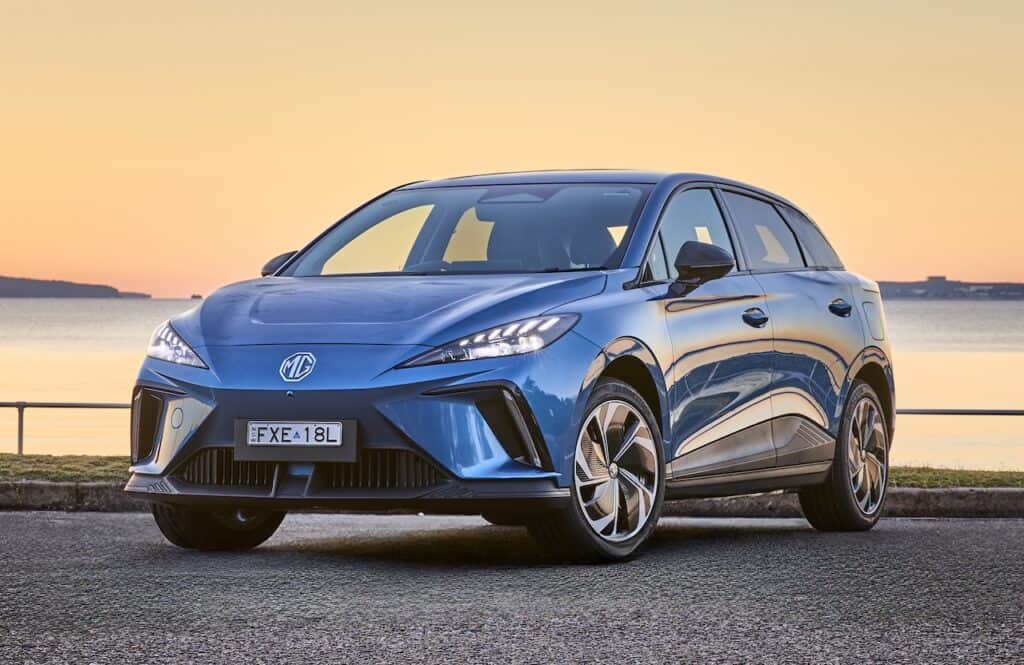
The original MG4 introduced fun and engaging driving dynamics to the budget end of the market.
While not as cheap as we’ve seen it previously, the latest iteration gets a much bigger battery and a freshened interior.
Driving the rear wheels gives it some dynamic pizazz and it easily harnesses the torque of the e-motor while letting the front wheels focus solely on steering.
MG has ditched the small batteries, the range now kicking off with the 64kWh Excite model, with deals regularly sneaking it in below $40K.
Read the full review on the MG4
Leapmotor B10, from $37,888 plus ORCs
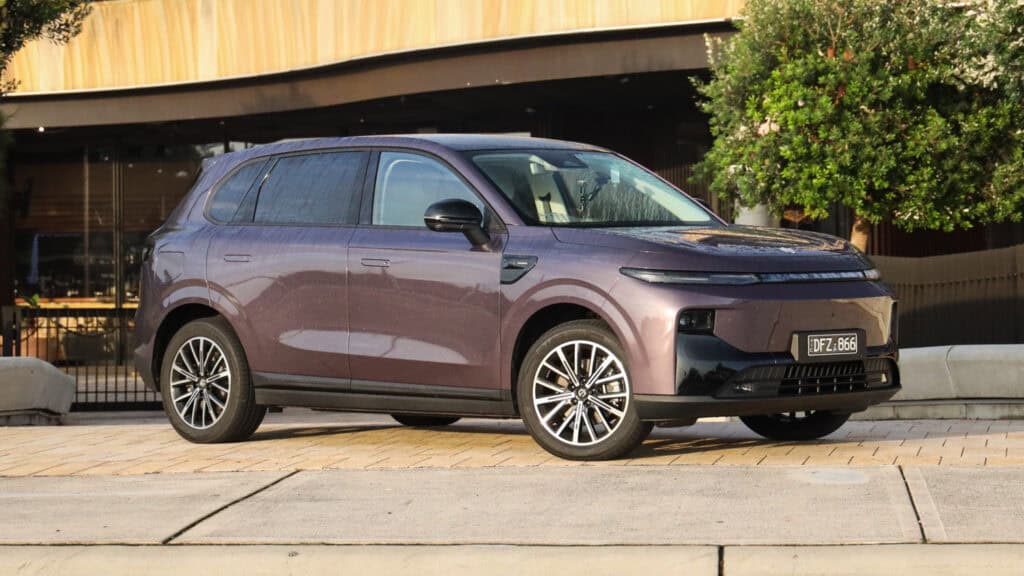
Leapmotor isn’t one of the heavy hitters of the Chinese car industry but for export markets it’s aligned with Stellantis, custodian of Jeep, Peugeot, Fiat, Ram, Opel and Maserati, among others.
The B10 has a single electric motor making 160kW and 240Nm sending drive to the rear wheels, which is relatively unusual at this end of the market.
It more confidently gets the power to the ground when accelerating out of tight corners, and gives the car a slightly different character compared with the many front-drive alternatives.
The B10 is easy going and zippy – it feels stable at highway speeds, rides in a relaxed, comfortable manner, and acceleration for overtaking is strong enough not to embarrass itself on the open road.
The Design Long Range looks classy inside courtesy of TechnoLeather seats with heating and ventilation, a heated steering wheel, powered tailgate, ambient lighting and a 67.1kWh battery good for 434km of claimed WLTP range.
The basic Style model still gets a panoramic sunroof, 360-degree camera and wireless phone charger as standard.
In short, there’s a lot of car for the money.
Read the full review of the Leapmotor B10
Best EVs $40,000-$50,000
BYD Atto 3 – from $39,990 plus ORCs
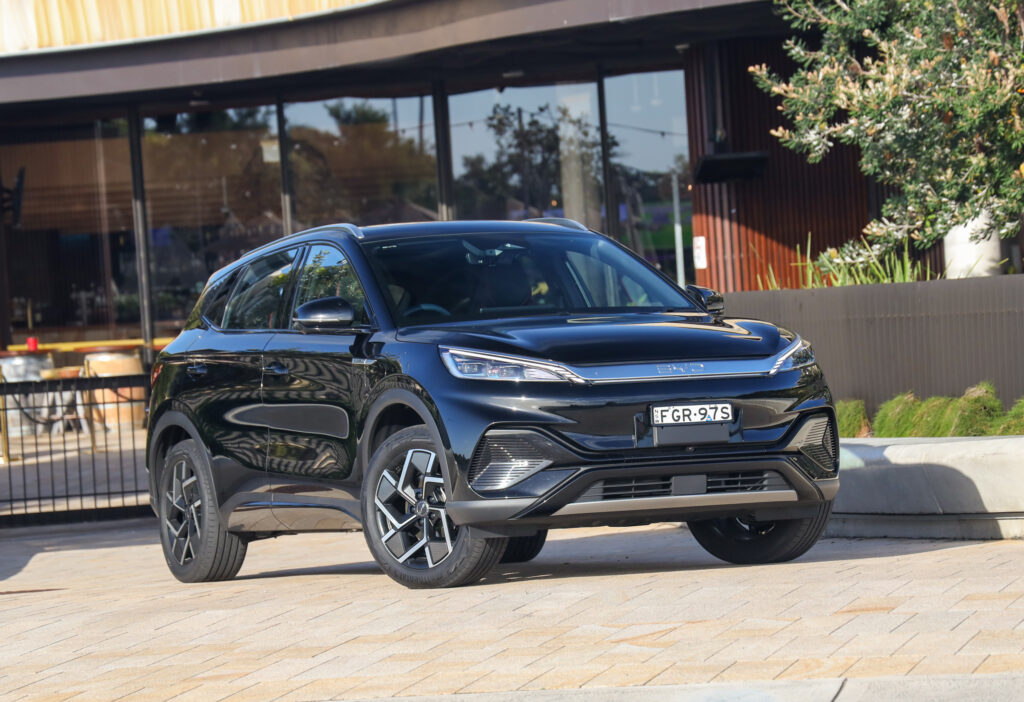
It’s getting on a bit now, but the Atto 3 still makes a persuasive case.
Hovering around $40K makes it one of the most affordable electric SUVs on the market.
And while competition is ramping up, BYD’s dealer network and the Atto 3’s well-sorted real-world usability count for something.
The larger 60.48kWh Premium variant remains good value for the range it offers.
Not the sharpest tool in the shed anymore, but still a solid choice for pragmatic buyers who want a known quantity.
Read the full review on the BYD Atto 3
MG S6 – from $49,990 drive-away
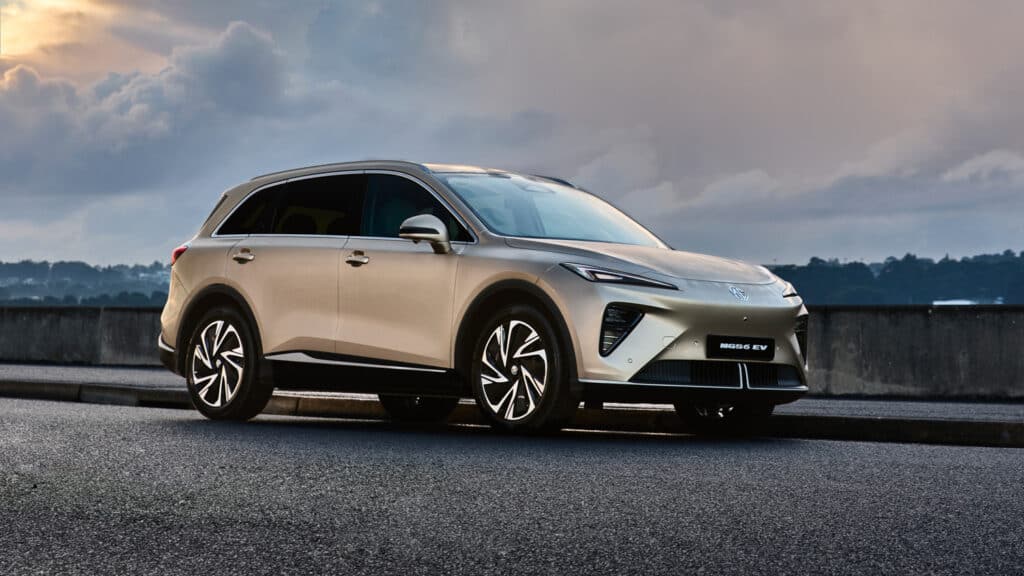
Thre MG S6 does a lot really well, even if it doesn’t stand out in any one way.
It’s spacious and comes with up to 530km of EV range, which is impressive for a car that scrapes in below $50K.
There’s a decent spread of standard gear, too.
Definitely one for the shortlist!
Read the full review on the MG S6
Kia EV3 – from $48,990 plus ORCs
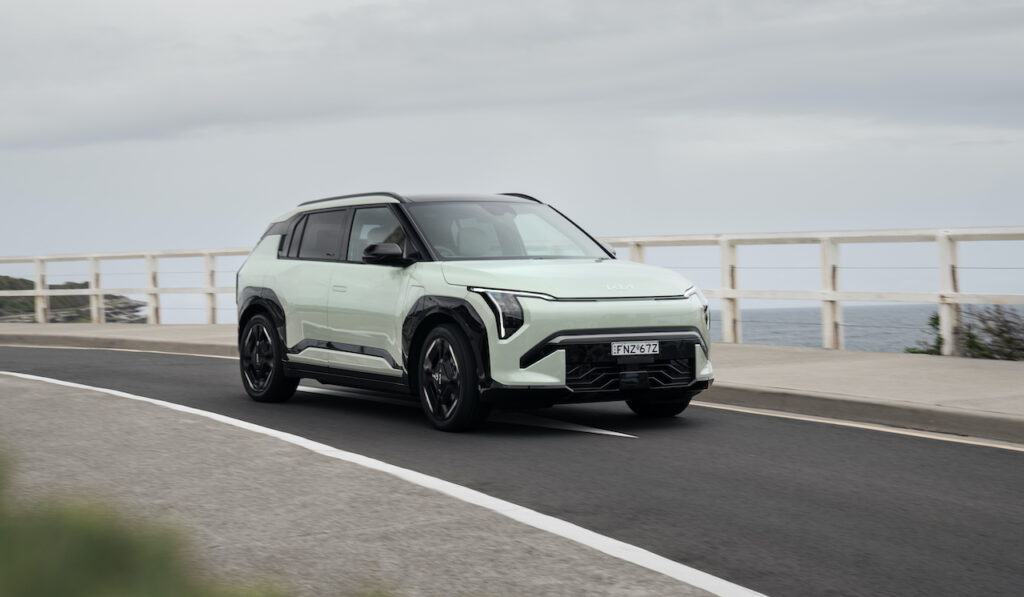
The smallest Kia EV makes a strong case for Korean quality in a field dominated by Chinese value.
All four EV3 variants share the same 150kW/283Nm e-motor driving the front wheels, and all sit on the proper Kia E-GMP EV architecture.
If outright bang-for-buck is the goal then there are better options.
But the EV3 delivers a step up in refinement, driving dynamics and overall polish.
Read the full review on the Kia EV3
Zeekr X – $48,900 drive-away
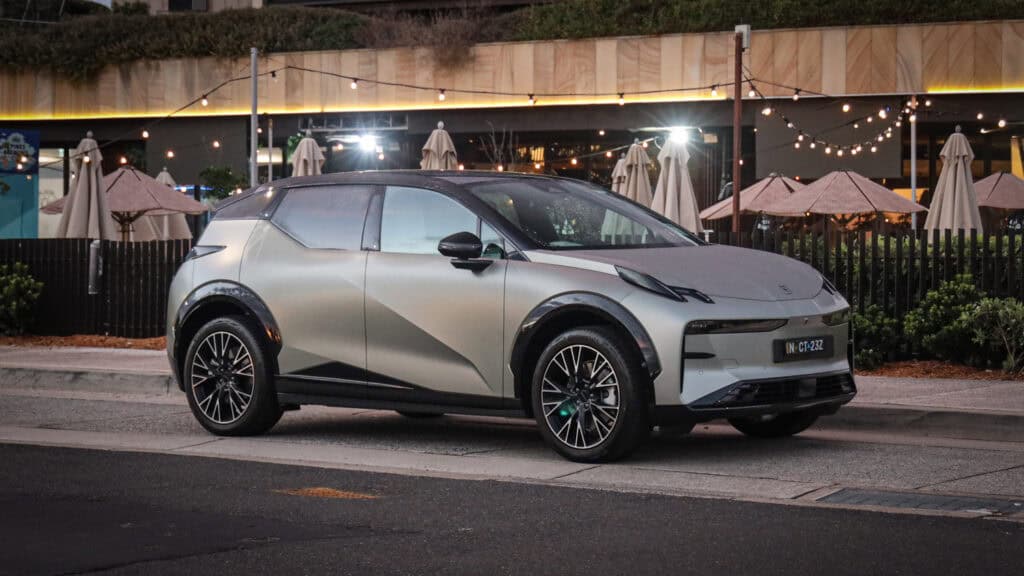
The 2026 Zeekr X has stepped upmarket and dropped in price as part of a 2026 update.
The entry Rear-Wheel Drive is less than $50K drive-away, with the All-Wheel Drive models about $10K more.
Both variants benefit from increased outputs, with the RWD now producing 250kW (up from 200kW) and the AWD stepping up to 365kW.
That’s loads more than anyone is likely to need in a city SUV.
The 2026 Zeekr X has a genuinely premium aesthetic with higher-quality materials, a plush roof lining and impressive attention to detail throughout; a 13-speaker Yamaha sound system is standard.
And whereas many Chinese EVs prioritise cushy driving, the X gives up some ride comfort for sharper dynamics.
Read the full review on the Zeekr X
Geely EX5 – from $40,990 plus ORCs

Sharp value is what stands out for the EX5, a mid-sized SUV with five doors and lashings of gear.
It’s bigger and roomier than most rivals, too.
And while the driving experience doesn’t set any benchmarks, it’s liveable and thoroughly acceptable.
As for the Geely brand, it’s one of the big players, also responsible for Volvo, Polestar and Zeekr – and with an ownership stake in Mercedes-Benz.
Read the full review on the Geely EX5
Also check out the 2026 updates to the 2026 Geely EX5
MG S5 – from $40,990 drive-away
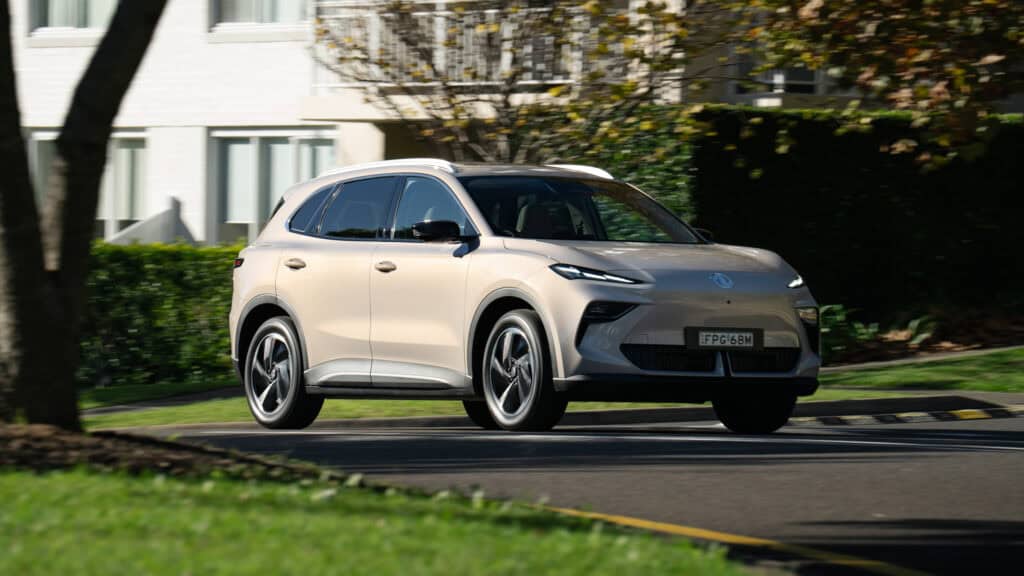
The MG S5 is based on the rear-drive MG4 beneath its SUV skin, replacing the ZS EV as the entry point to the brand’s electric SUV lineup.
It’s a sensible size and good to drive, but it’s serious EV value that cements it as a compact SUV that should be on your shortlist.
The entry Excite comes generously appointed with a 12.8-inch central infotainment screen, wireless Apple CarPlay and Android Auto, vehicle-to-load capability and MG Pilot safety suite.
Whereas some rivals run everything through the touchscreen, the MG S5 gets traditional knobs and buttons below the central touchscreen to make basic operations easier.
Rear-drive driving manners make it fun to drive, too.
Read the full review on the MG S5
Best EVs $50,000-$60,000
Toyota bZ4X – from $55,990 plus ORCs
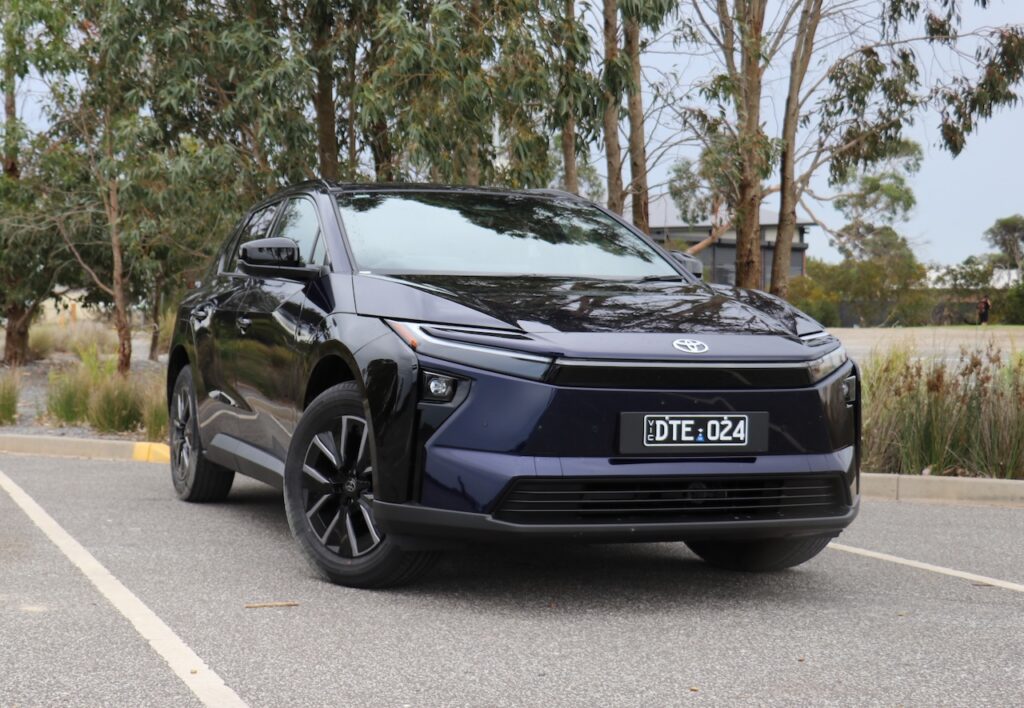
Toyota’s EV journey has been bumpy, but the updated bZ4X deserves genuine consideration now.
A $10,010 price cut as part of a 2025 update brings the 2WD to $55,990 plus on-road costs, and it arrives with improved range, power and standard equipment.
Real-world driving returned a combined average 14.8kWh/100km – comfortably covering 400km-plus in the real world.
The bZ4X 2WD is surprisingly engaging, with a well-sorted chassis able to comfortably, cohesively and quietly deal with all sorts of road conditions.
It’s now a decent vehicle at a decent price with decent performance and equipment.
Toyota dealer coverage and long-term reliability confidence are real assets that matter to mainstream buyers.
Read the full review on the Toyota bZ4X
Hyundai Elexio – from $58,990 plus ORCs
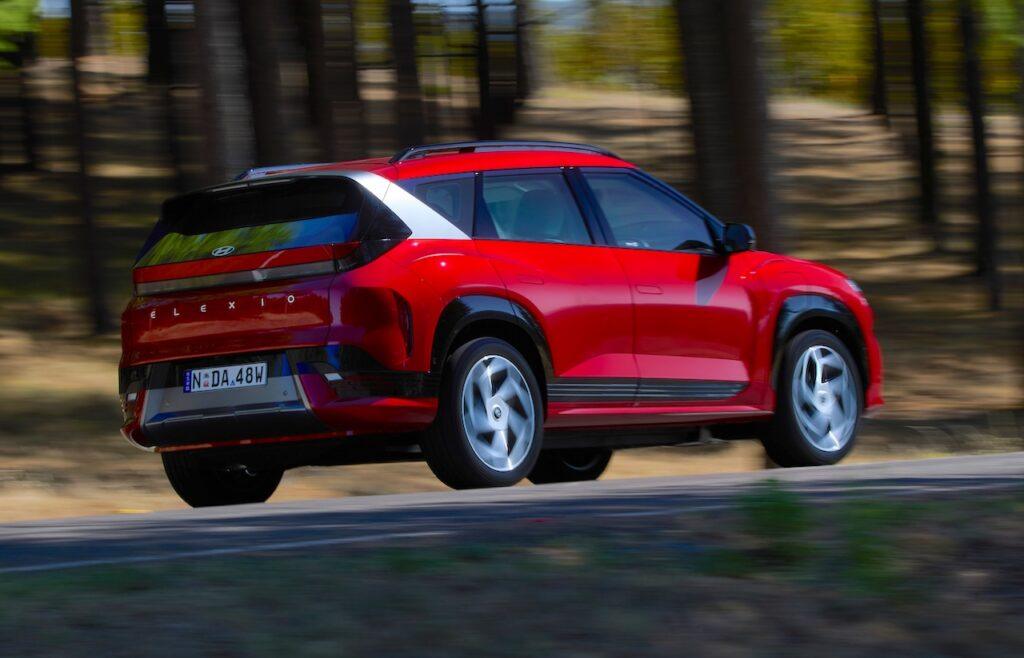
Hyundai’s boldest EV gambit yet – a car designed and built in China but tuned for Australia and priced to take on the Chinese at their own game.
Both Elexio variants share a 160kW/310Nm e-motor and a large 88.1kWh battery sourced from BYD, with a claimed WLTP range of 546km.
Equipment is extensive, with a 27-inch ultra-wide integrated display, heated and ventilated front seats, a head-up display and dual wireless phone chargers all standard on the Elite.
And while it shades some Chinese rivals for outright value, it brings Hyundai’s dealer network.
Read the full review on the Hyundai Elexio
Volvo EX30 – from $49,990 plus ORCs
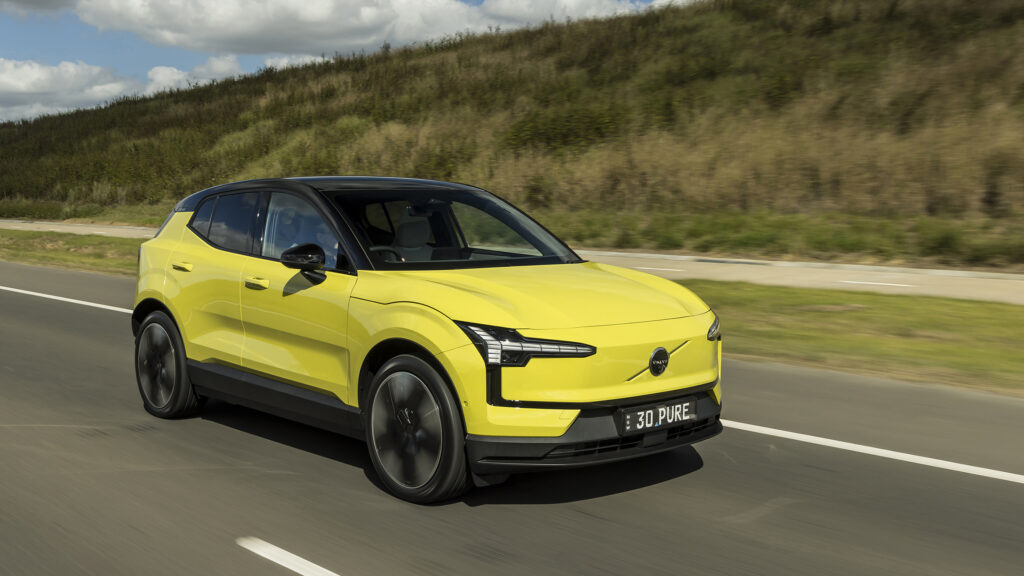
Volvo sharpened the pencil on the EX30 earlier in 2026, to the point where it now starts from $49,990 plus on-road costs – $10,000 less than before.
It’s sharp to drive and has some interesting interior finishes to add to the fun factor.
With 200kW from a single rear motor and 462km of WLTP range, it’s quick, capable and polished.
The minimal interior takes some adjustment, but this is one of the more characterful small EVs on sale. A lot of car for the money at the new price.
Read the full review on the Volvo EX30
Also check out the 2026 updates for the Volvo EX30
Zeekr 7X – from $57,900 plus ORCs
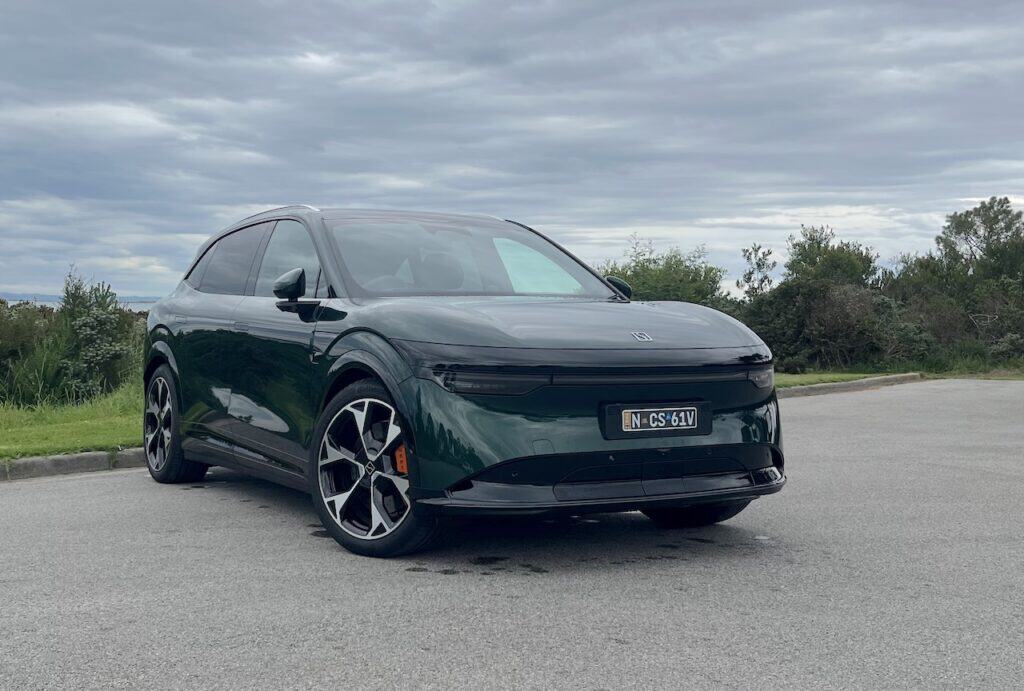
The 7X looks modern and classy, giving it a step above most rivals, the most obvious of which is the Tesla Model Y.
Zeekr’s big selling point is an 800V electrical architecture, which means super fast charging capability. Using a 350kW charger, it can go from 10 to 80 per cent in as little as 13 minutes.
The power doors on the AWD remain an acquired taste – best left as a pub conversation – but as an overall package with plenty of class the 7X is convincing.
The Long Range variant switches to NMC battery chemistry and ups the capacity to 100kWh, stepping the WLTP claimed range to 615km.
It also gets an electric steering column adjustment, head-up display and a 21-speaker sound system.
Read the full review on the Zeekr 7X
Also check out what Dr Karl had to say about his time living with the Zeekr 7X
BYD Sealion 7 – from $54,990 plus ORCs
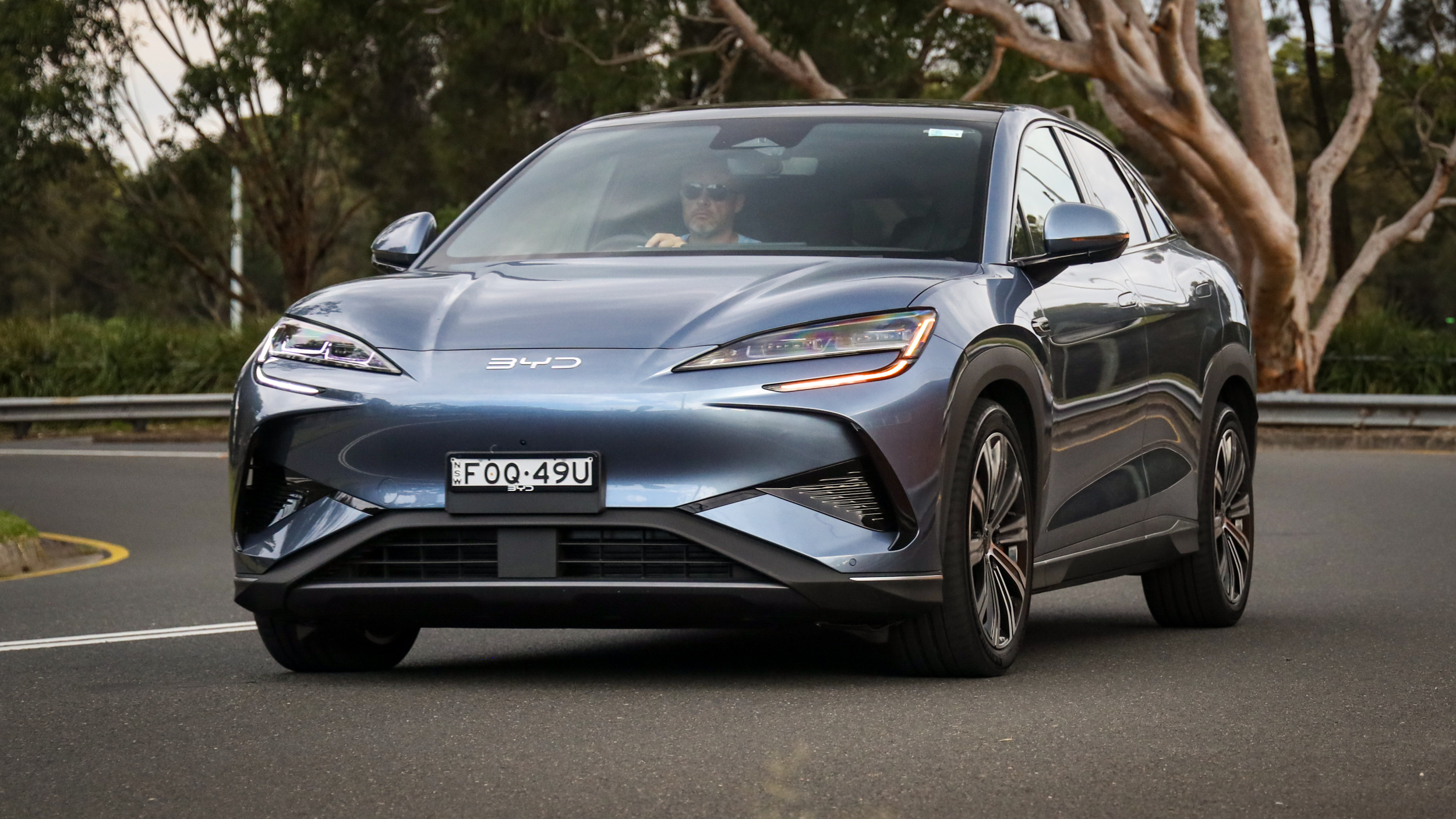
The Sealion 7 finished 2025 with more than 13,000 sales in Australia – enough to secure second place on the best-selling EV list, trailing only the Tesla Model Y.
There’s a reason it’s popular.
It’s a super-solid electric SUV loaded with gear; well presented inside and out, too.
If we’re talking raw value in this segment, the Sealion 7 is absolutely at the pointy end.
Read the full review on the BYD Sealion 7
Tesla Model 3 – from $54,900 plus ORCs
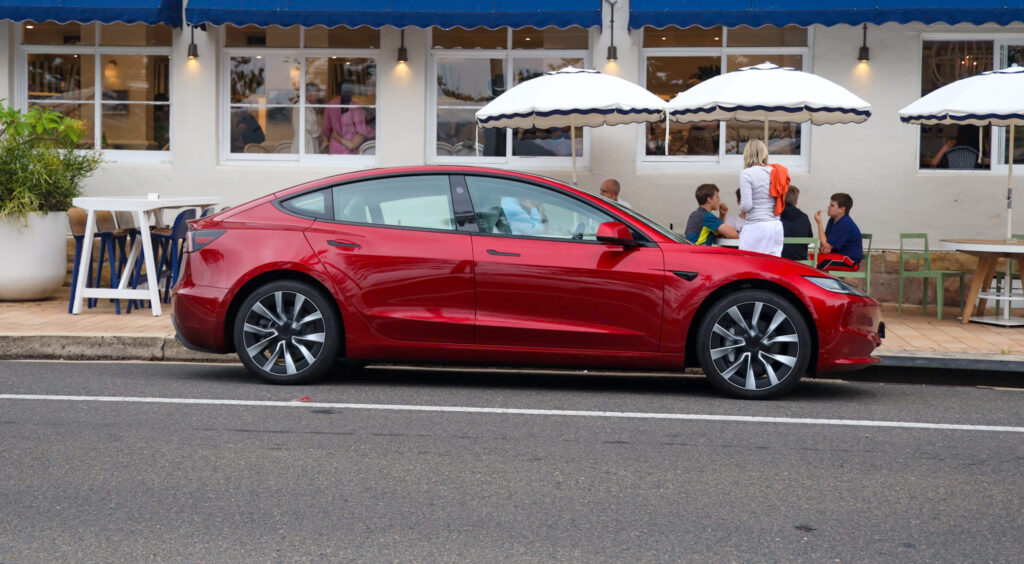
The Tesla Model 3 regularly duels with the Toyota Camry to lay claim to be the top-selling mid-sized passenger car in the country.
The base RWD – 194kW, 520km WLTP range – remains a compelling all-rounder, and the Supercharger network is still the best public charging experience in Australia.
If you want the Long Range RWD, step up to $61,900 for a remarkable 750km of WLTP range.
The updated Model 3 that arrived in 2023 is still an impressive vehicle with great packaging and a comfortable, composed suspension set-up.
The “Elon factor” is a personal decision, but the car itself remains class-leading.
Read the full review on the Tesla Model 3 Rear-Wheel Drive
Read the full review on the Tesla Model 3 Long Range Rear-Wheel Drive
Best EVs $60,000-$70,000
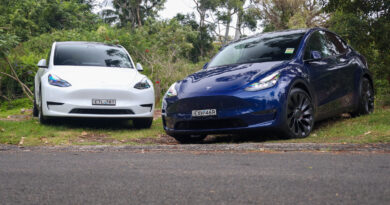
Tesla Model Y – from $58,900 plus ORCs
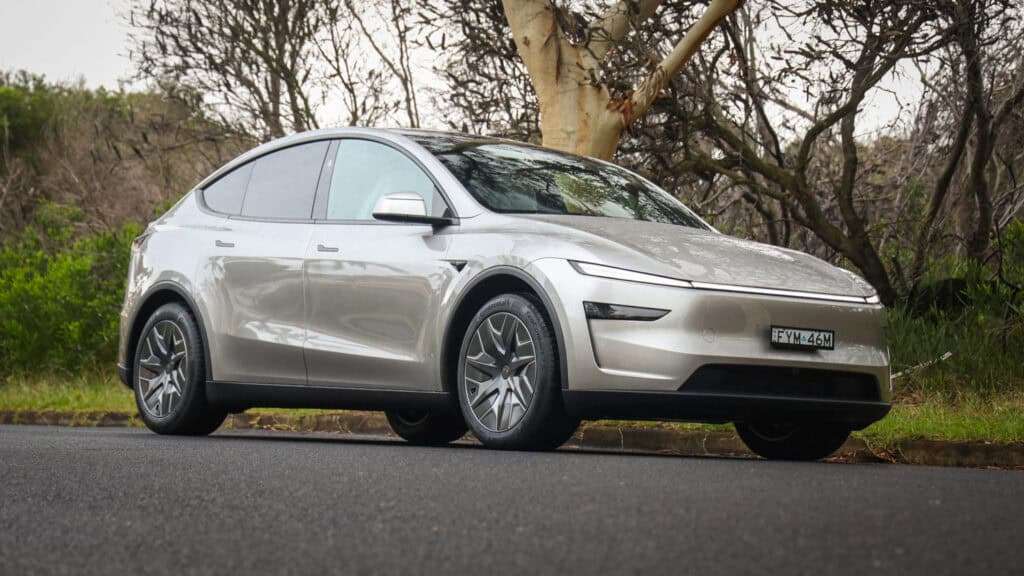
The 2025 Tesla Model Y looks sharp and has plenty of tech, including a rear infotainment screen to allow access to the arcade games and gizmos that make the Tesla experience a tad gimmicky.
The Juniper update that brought Cybertruck-inspired design cues also addressed the driving experience, adding much needed maturity and comfort.
The way the latest Model Y deals with bumps is far more forgiving and composed, making things more comfortable whether you’re on a freeway or battling the suburbs.
Australia’s best-selling EV for three consecutive years isn’t at the top of the charts by accident.
It’s practical, efficient, technologically polished and backed by the best fast-charging network in the country.
It’s also now available as a six-seater with a longer body – the Model Y L.
The competition has never been more intense, but the Model Y keeps finding ways to stay relevant.
Read the full review on the Tesla Model Y Rear-Wheel Drive
Read the full review on the Tesla Model Y L
Kia EV6 – from $72,660 plus ORCs
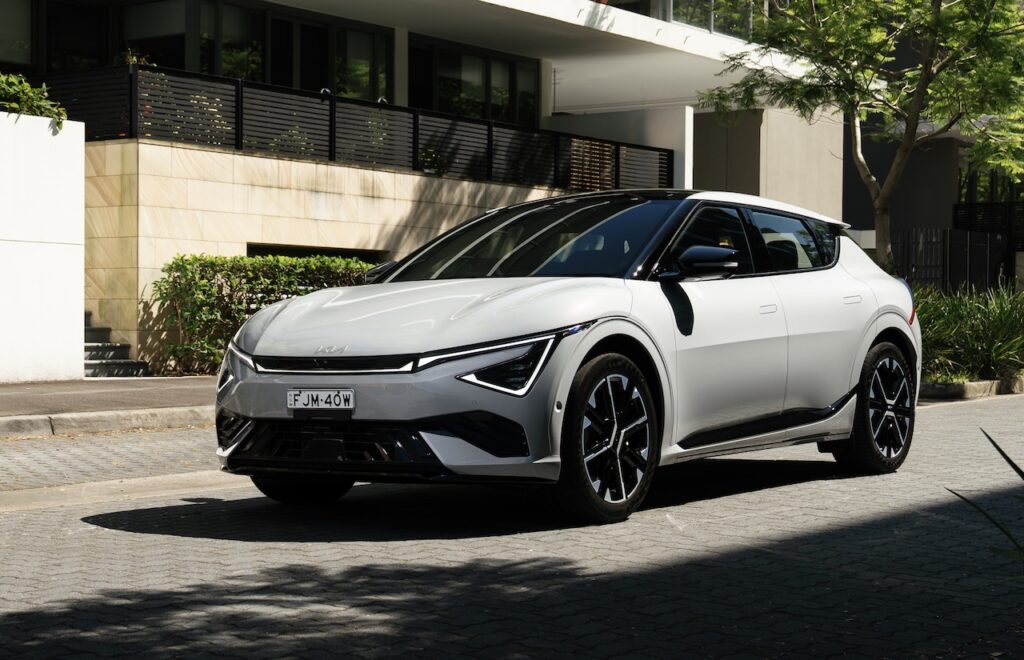
The EV6 has always been one of the most driver-focused electric cars you can buy.
The refreshed 2026 EV6 brings more range courtesy of bigger batteries.
Wireless Apple CarPlay and Android Auto are now standard across the lineup, alongside Kia Connect connected-car services and over-the-air update capability.
It’s pricier than most rivals in this bracket, but the EV6 delivers on dynamics, range and build quality in a way that cheaper alternatives still can’t fully match.