Marriage of necessity? Jaguar Land Rover and Stellantis combine to develop new-generation electrified models
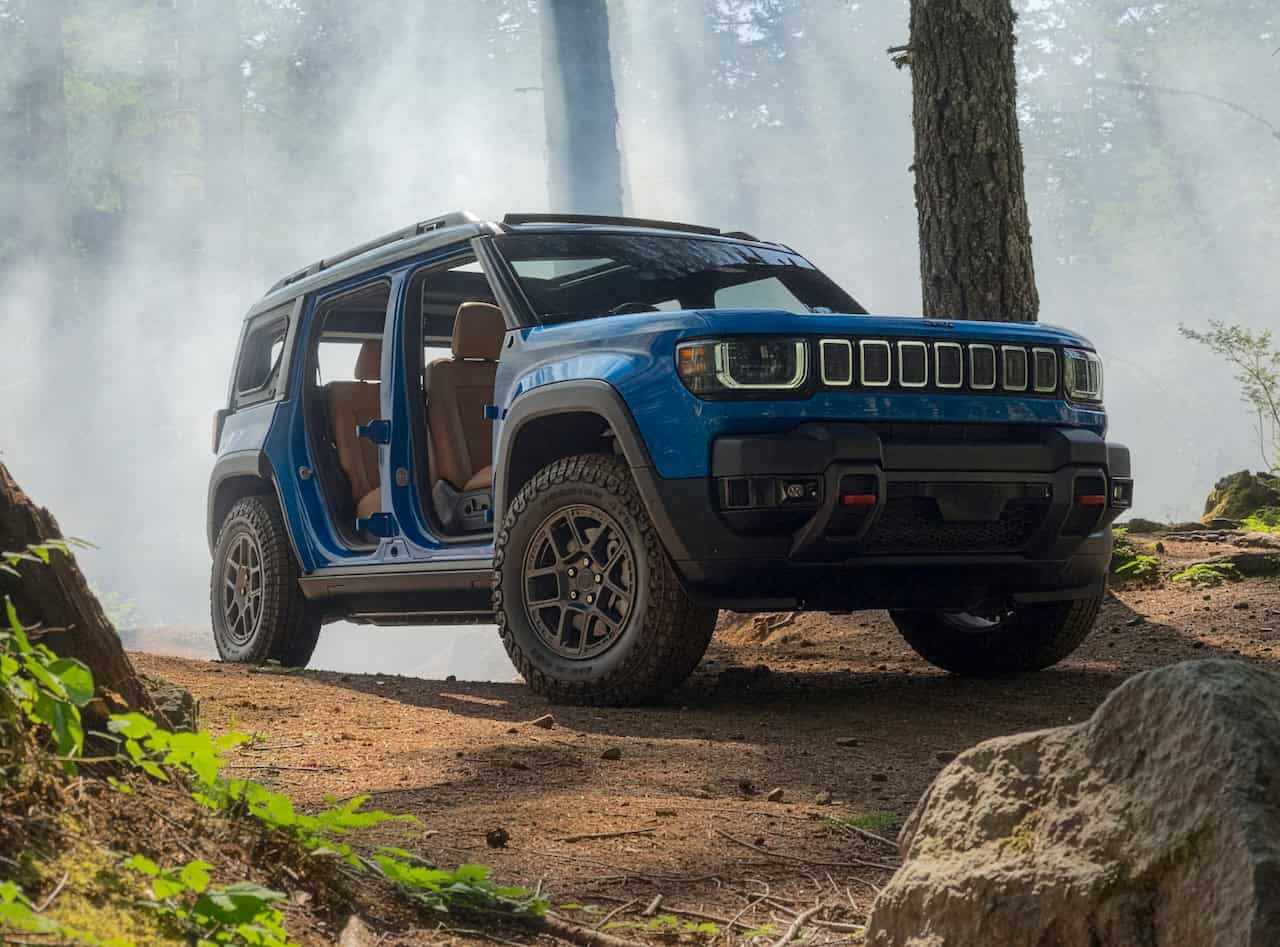
Jaguar Land Rover (JLR) and Stellantis have inked a far-reaching and complex deal that could lead to Land Rover joining forces with Jeep for the first time in both car-makers’ histories.
Announcing the new arrangement, the companies said they would “explore new opportunities to collaborate on product development in the United States” in a move designed to create “value for both organisations”.
Full details of how the joint venture might look have yet to be revealed, but it’s thought JLR could provide its all-new JEA architecture, which underpins the new Jaguar Type 01, for high-end Stellantis brands such as Maserati and Alfa Romeo.
READ MORE: Jaguar’s radical new EV named: Production badge is the least outrageous bit of this Rolls-Royce-rivalling limo
READ MORE: Hot stuff: Orders open for 2025 Range Rover Electric as luxury SUV enters final testing phase
READ MORE: 2026 Jeep Recon EV detailed: Aussie-bound electric off-roader launches
READ MORE: Maserati turns to China for help with its future EVs: You won’t believe which brand it’s talking to
In return, the Stellantis Group could contribute its latest STLA One platform, which has been created for city cars and small-to-mid-size SUVs. The architecture has also been developed for both EVs and hybrids, and could underpin successors to the current Range Rover Evoque and Range Rover Velar.
It’s unknown whether either car-maker could also gain indirect access to JLR’s Chinese partner Chery or Leapmotor, in which Stellantis already owns a stake.
If it does, Jeep could potentially spin off a rugged 4×4 based on the new Freelander, which was recently unveiled at the Beijing Motor Show by the standalone brand of the same name.
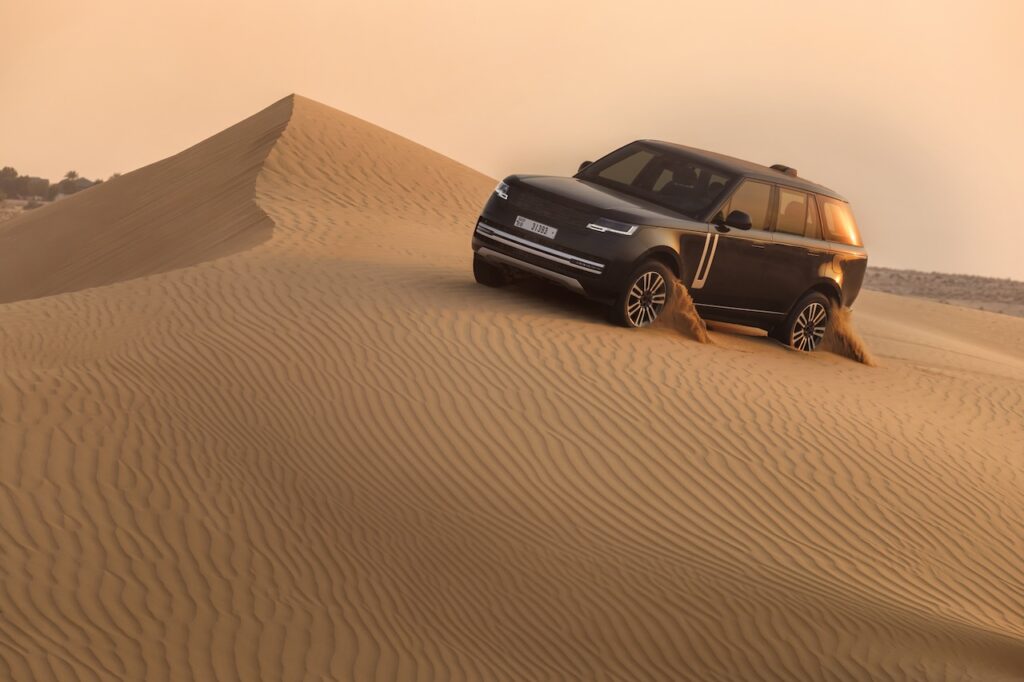
Another potential benefit of the new deal is that Land Rover might be able to avoid punitive tariffs by shifting production of models such as the strong-selling Range Rover Sport to the United States.
Other avenues for cutting costs include pooling resources when developing software and sharing the huge costs associated with autonomous driving systems.
Commenting on the proposal to work together, Antonio Filosa said: “By working with partners to explore synergies in areas such as product and technology development, we can create meaningful benefits for both sides while remaining focused on delivering the products and experiences our customers love.”
Alongside the new deal with JLR, Stellantis also announced further details of its new STLA One platform, confirming it would deliver cost savings of up to 20 per cent over existing architectures while increasing the use of recycled materials to 70 per cent.
New technology introduced with the platform includes cell-to-body battery integration, which reduces weight while boosting rigidity, along with the introduction of the new STLA Brain central supercomputer.
Other innovations enabled by the new underpinnings include steer-by-wire technology, the STLA SmartCockpit and the latest STLA AutoDrive autonomous driving system.
As part of its €60 billion ($98 billion) ‘FaSTLAne’ strategy, Stellantis will also launch 60 new vehicles and deliver 50 significant facelifts to its existing line-up between now and the end of the decade.