
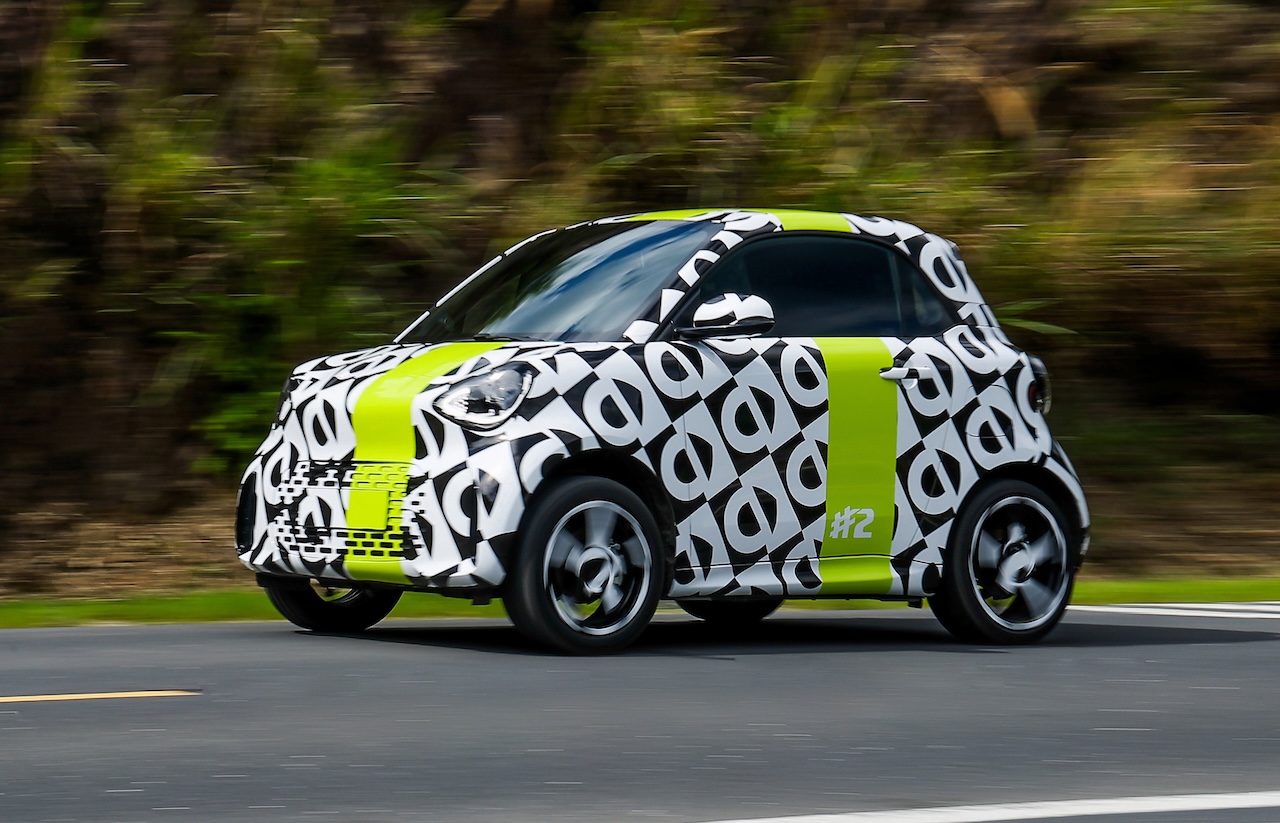
Pint-sized Smart #2 caught testing: Paris motor show debut in October and Australia in 2027, but don’t expect a tiny price when it lands here
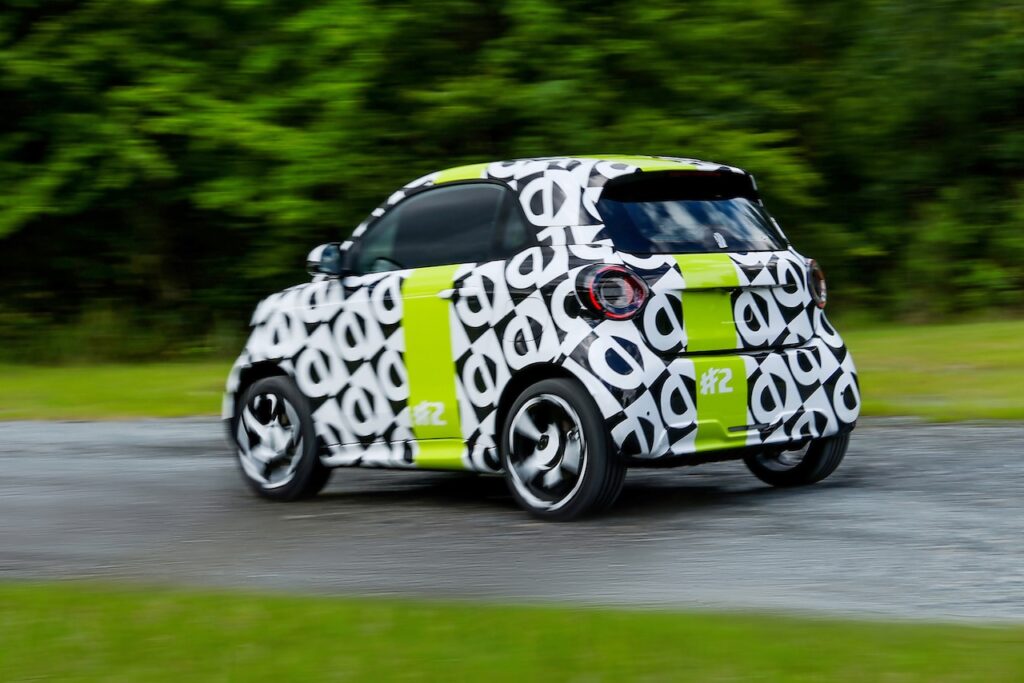
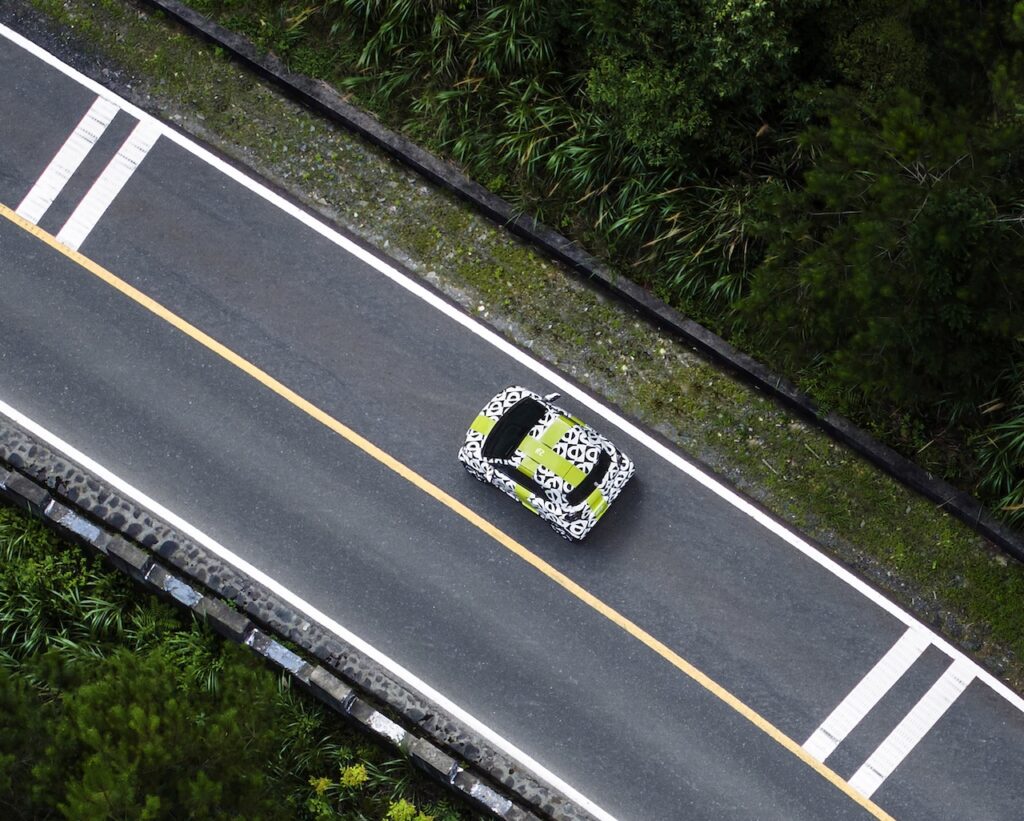
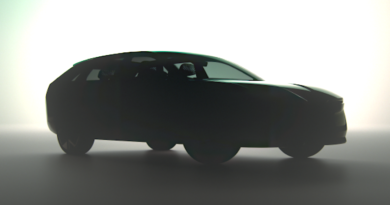
Smart has announced it has begun final testing of its Smart #2 ahead of its launch on October 12 at the 2026 Paris motor show.
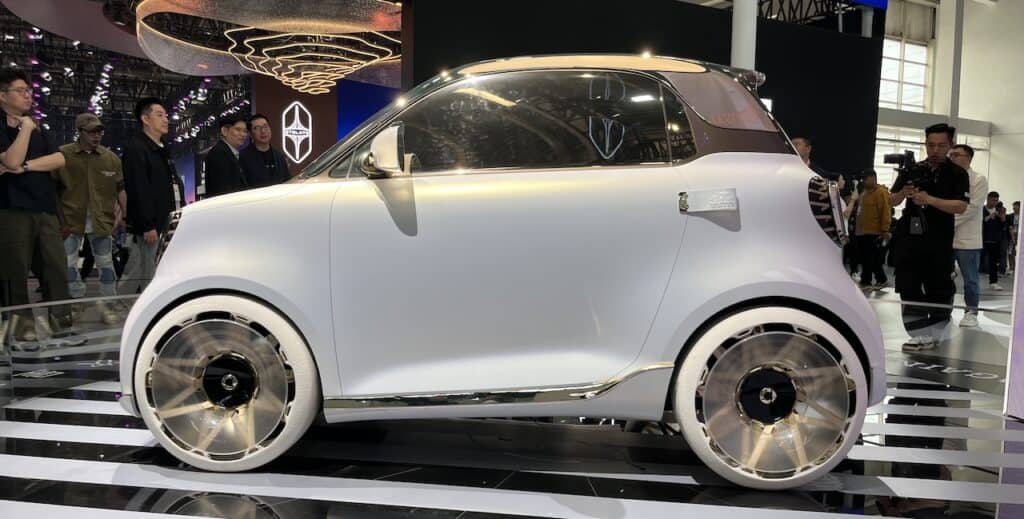
Sharing much with this year’s Beijing motor show concept, the Smart #2 has already been confirmed for right-hand-drive markets, with one senior executive declaring that the city car is 80 per cent certain for the Australian market.
When it arrives, the #2 will easily be Australia’s smallest car, the production model only slightly bigger than the concept that measured a mere 2792mm long and capable of an unbeatable 6.95m turning circle in urban environments.
READ MORE: Miniscule Smart #2 EV concept a Beijing show-stopper! Production version next, Australian launch likely
READ MORE: Aren’t Smarts meant to be small? Plug-in hybrid Smart #6 sedan sizes up BMW 5 Series and Benz E-Class
READ MORE: 2025 Smart #3 Brabus Review: Look out Mini! The loveable micro car brand has grown up with Mercedes-Benz DNA and an electric SUV line-up
Strictly a two-seater, the new Smart #2 is the first car based on Geely’s Electric Compact Architecture (ECA), with the Chinese giant owning a 50 per cent share of the Smart brand alongside Mercedes-Benz.
Smart says full details will be released at the French show, but it’s thought the production car will come close to matching or exceeding the concept, which boasted a 300km range and charging speeds that equated to a 10 to 80 per cent battery refill in less than 20 minutes.
A vehicle-to-load (V2L) capability will carry over, with the small city car acting as a power source to run domestic appliances or charge items such as laptops or e-bikes.
At the recent Beijing motor show, Smart executives were keen for their baby EV not to be seen as a potential candidate for Australia’s cheapest EV.
Instead, the Smart #2 is expected to blend maximum cabin space for its dimensions with a premium interior, along with some big-car luxury features.
It’s not yet known if the full digital pixel lighting, leather door straps or the Louis Vuitton-inspired front grille, with symbols similar to those used by the fashion house, will carry over.
Freeing up space, a pair of traditional front seats has been swapped out for a bench.
Tipped to be priced from $35,000, Smart hopes the new #2 will be viewed as a more fashionable alternative to the BYD Atto 1, GAC Aion and Hyundai Inster.
To ensure it leads its small EV class for comfort and refinement, the final shakedown of the Smart #2 includes extensive testing to eliminate unwanted noise and vibration using a wind tunnel, acoustic chamber, temperature-controlled four-post rig and plenty of testing on public roads.
Engineers have also concentrated on developing a new tyre with their partners that delivers low rolling resistance and reduced levels of noise without compromising grip.
Guaranteeing durability, the Smart #2 has been tested over bumpy, hilly roads and subjected to test tracks featuring some of the very worst potholes found in large cities.
Instead of avoiding them, engineers deliberately drove through them, as well as striking kerbs as part of the car’s tortuous urban assault course.
The all-electric, rear-wheel-drive Smart #2 comes with high levels of chassis rigidity and a next-generation version of its Tridion safety cell that is expected to deliver a five-star ANCAP safety rating.
There’s still no official word on exactly when the Smart #2 will be confirmed for our market, nor when sales will begin, but like the Smart #1 and #3, the new small EV will be sold and distributed by LSH Auto Australia through its Mercedes-Benz showrooms in Sydney, Melbourne and Brisbane.
Comments are closed.