What the heck are axial-flux motors and why are they significant? The enormous and repeatable performance of the new Mercedes-AMG CLA 45 explained
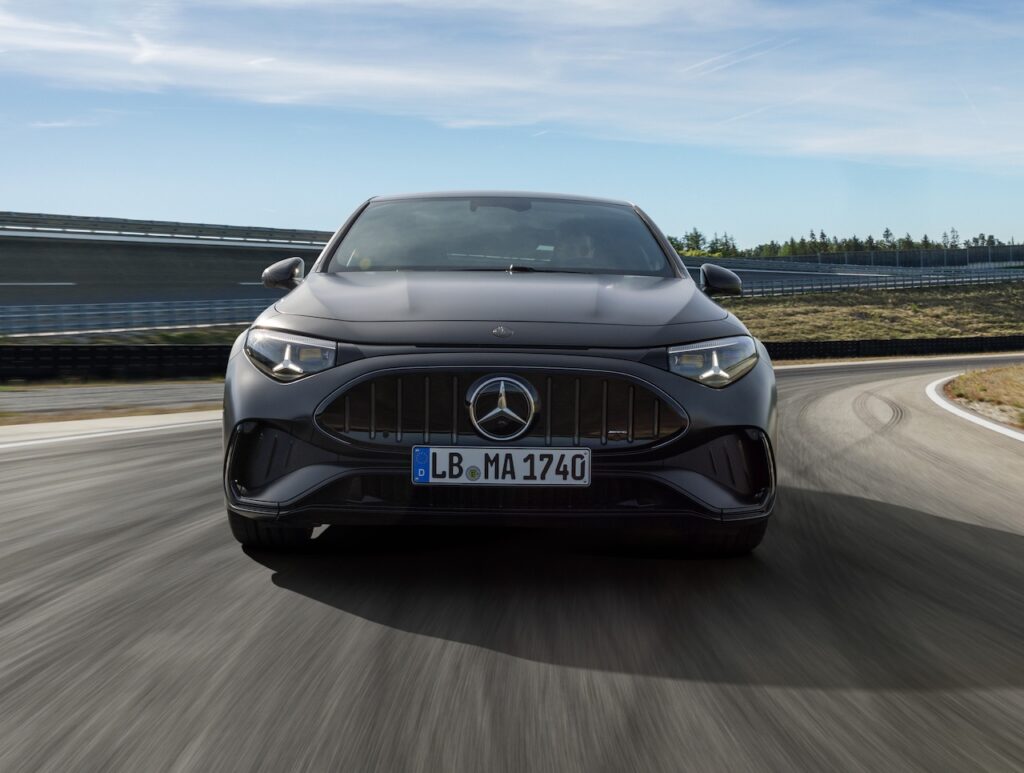
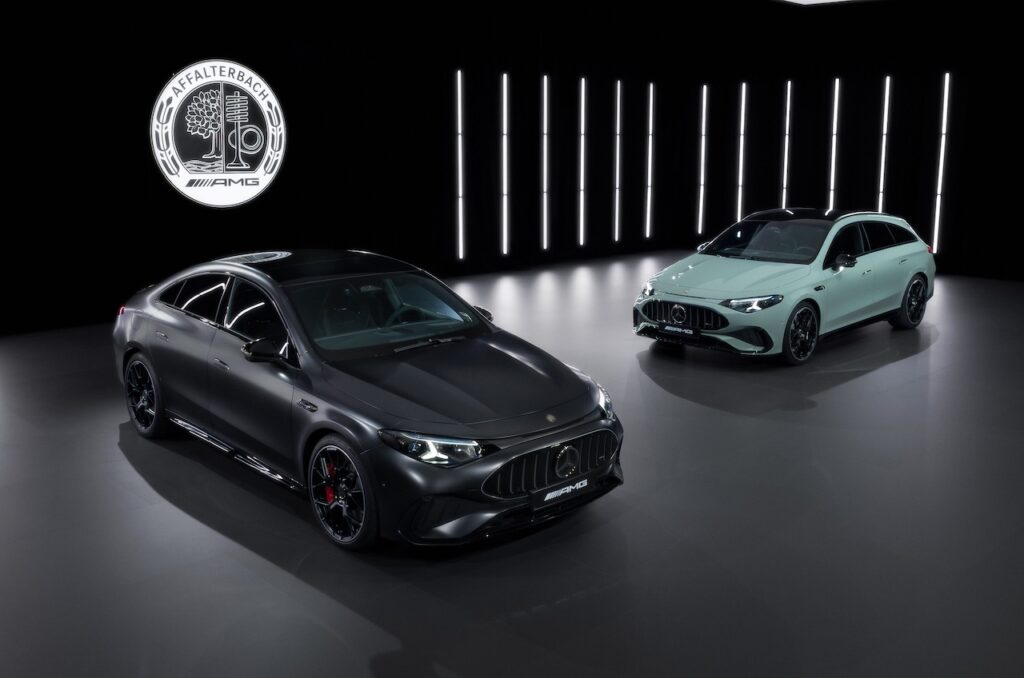
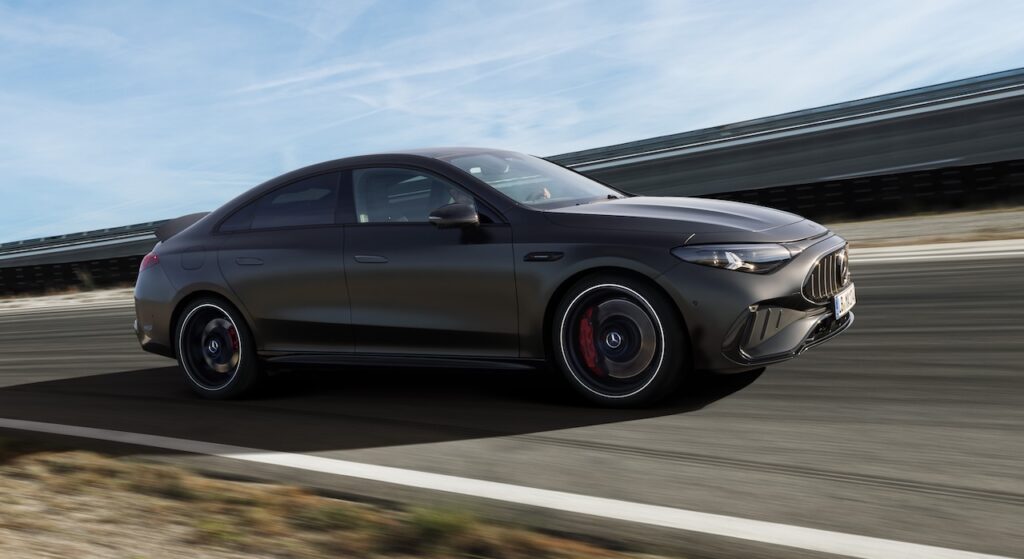
The new all-electric Mercedes-AMG CLA 45 4MATIC+ can continuously produce up to 450kW from its three axial-flux motors as the German performance brand attempts to overcome one of the biggest challenges facing high-performance EVs.
While the headline peak output of the new electric CLA 45 is 500kW, Mercedes-AMG claims its new powertrain can deliver 450kW continuously and repeatedly access its maximum performance.
That is significant because sustained high-power driving generates enormous amounts of heat in electric motors, batteries and inverters, potentially forcing an EV to reduce power to protect its drivetrain.
READ MORE: Mercedes-AMG CLA 45 tech deep-dive: The incredible lengths AMG went to making its new EV sound and feel like it’s powered by petrol. Should it have bothered?
READ MORE: Mercedes-AMG kills petrol-powered CLA 45! New 500kW EV monster gets 1759Nm, 670km range and simulated four-cylinder soundtrack
READ MORE: Unveiled: The new Mercedes-AMG GT 4-Door EV has so much tech it makes the Porsche Taycan look very yesterday
The CLA 45 uses three compact axial-flux electric motors, comprising two mounted on the rear axle and a third motor at the front.
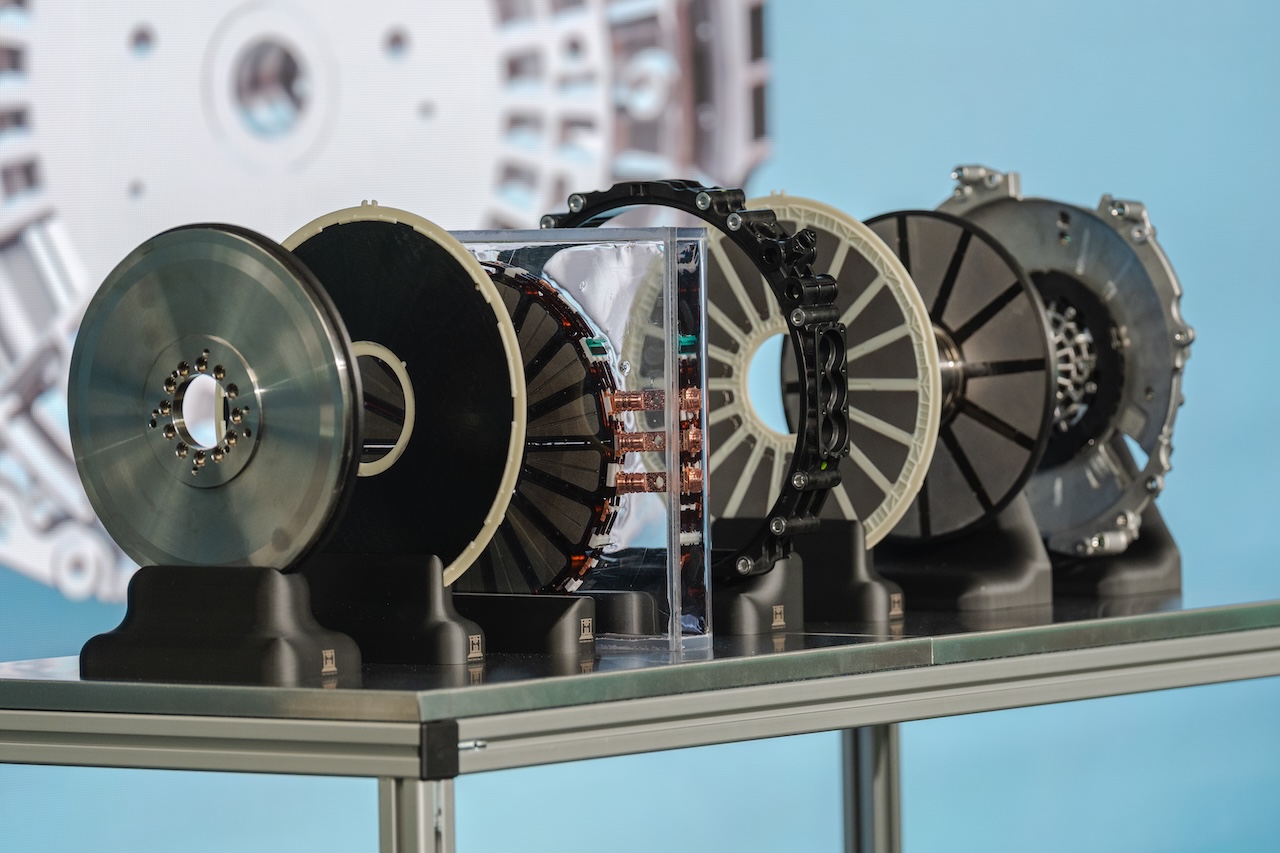
Unlike conventional radial-flux electric motors used by the vast majority of EV makers, where the magnetic flux travels perpendicular to the motor’s rotational axis, axial-flux motors arrange their main components as flat discs and direct the magnetic flux parallel to the axis.
The result is an electric motor that can produce high power and torque while occupying less space.
Mercedes-AMG says the front motor measures just nine centimetres wide, while each of the two rear motors is around eight centimetres wide.
The two rear motors are packaged within a single High Performance Electric Drive Unit, or HP.EDU.
Each motor drives through a compact single-speed planetary gearbox, while both the motors and gearboxes are oil-cooled.
Two water-cooled silicon carbide inverters are also used.
The rear motors can collectively produce the CLA 45’s full 500kW peak output.
A separate High Performance Electric Drive Unit on the front axle combines the third axial-flux motor with a spur gearbox, silicon carbide inverter and integrated cooling system.
The front motor can produce up to 225kW.
It operates as a booster when additional performance or traction is required but can also be used to improve efficiency and energy recovery.
A disconnect system decouples the front motor in a fraction of a second when it is not required, reducing mechanical losses and allowing the CLA 45 to operate as a rear-wheel drive EV.
When additional performance is demanded, the front motor is reconnected to create fully variable all-wheel drive.
Because all three motors can be controlled independently, Mercedes-AMG can continuously vary torque distribution between the front and rear axles.
The two rear motors also provide torque vectoring by individually varying the amount of drive sent to each rear wheel.
Power comes from a 94kWh usable lithium-ion battery using cells with silicon-oxide and graphite anodes.
Mercedes-AMG claims the battery chemistry improves gravimetric energy density by up to 20 per cent compared with conventional graphite-anode cells.
The battery has also been modified specifically for high-performance use, with AMG engineers altering its operating window and thermal management system to maintain consistent power delivery.
An 800-volt electrical architecture helps reduce electrical losses and cable weight while supporting higher sustained power output.
The CLA 45 can DC fast-charge at up to 330kW, with a claimed 10-80 per cent recharge time of 22 minutes.
More than 270km of additional range can be added in 10 minutes.
Despite producing up to 500kW, the sedan version of the CLA 45 has a claimed WLTP range of more than 670km, while the Shooting Brake wagon can travel more than 640km.
The electric powertrain produces up to 1759Nm and accelerates the CLA 45 from 0-100km/h in 3.0 seconds.
Using a one-foot rollout measurement, Mercedes-AMG claims a 2.7-second acceleration time.
Top speed is electronically limited to 250km/h, rising to 270km/h with the optional AMG Dynamic Plus package.
Mercedes-AMG axial-flux motors first entered production in its new electric GT four-door flagship before being introduced to the smaller CLA 45.
Mercedes-Benz Australia is yet to confirm whether the electric CLA 45 sedan and Shooting Brake will be sold locally.