
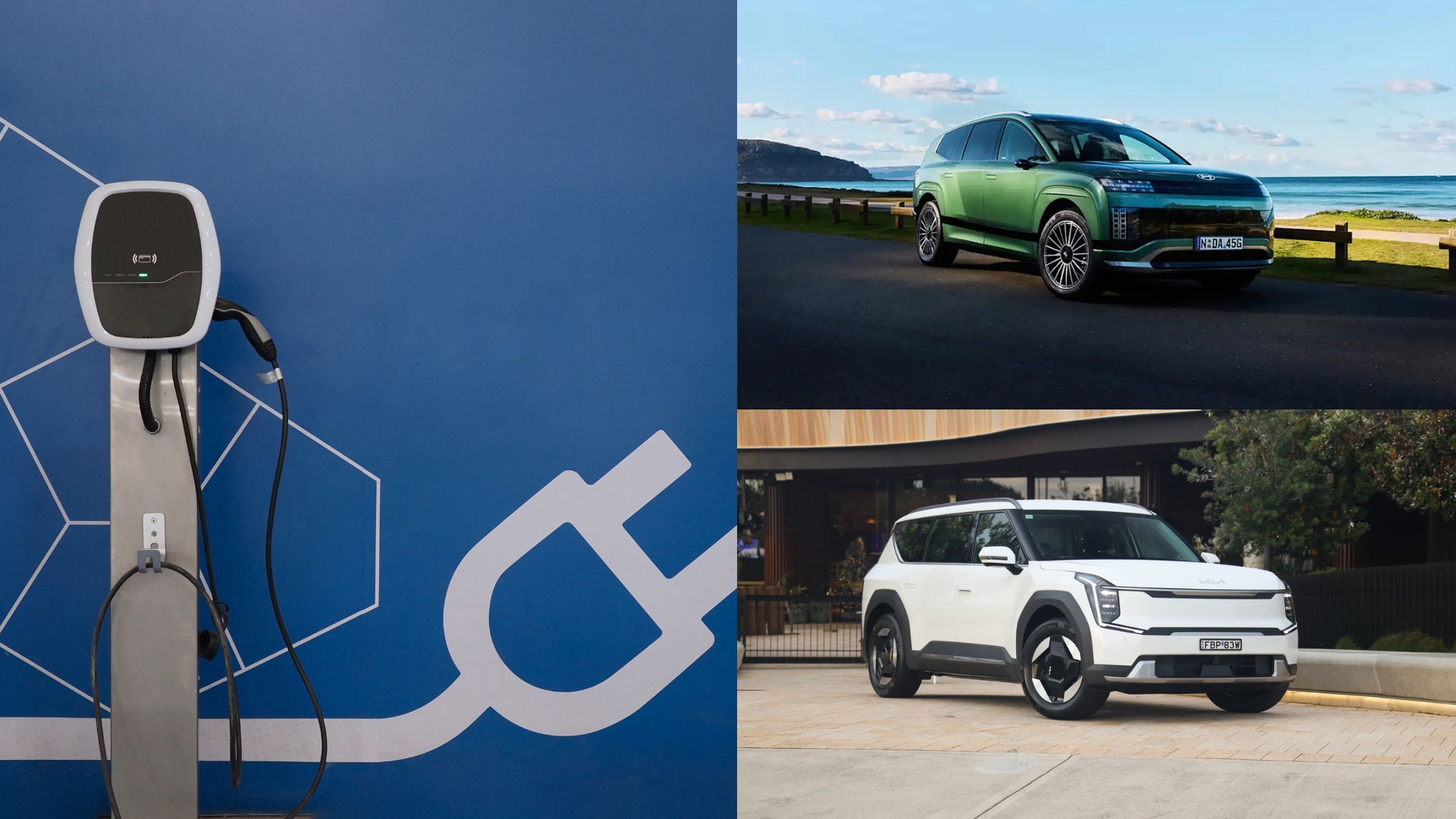
V2G is go for Hyundai and Kia in Australia! Vehicle to grid fitted to Korean EVs this year. It’s a big deal, but there are limitations
Kia and Hyundai are both on track to announce vehicle-to-grid capability in the third quarter of 2026 in what is shaping up as a significant step for bidirectional charging in Australia.
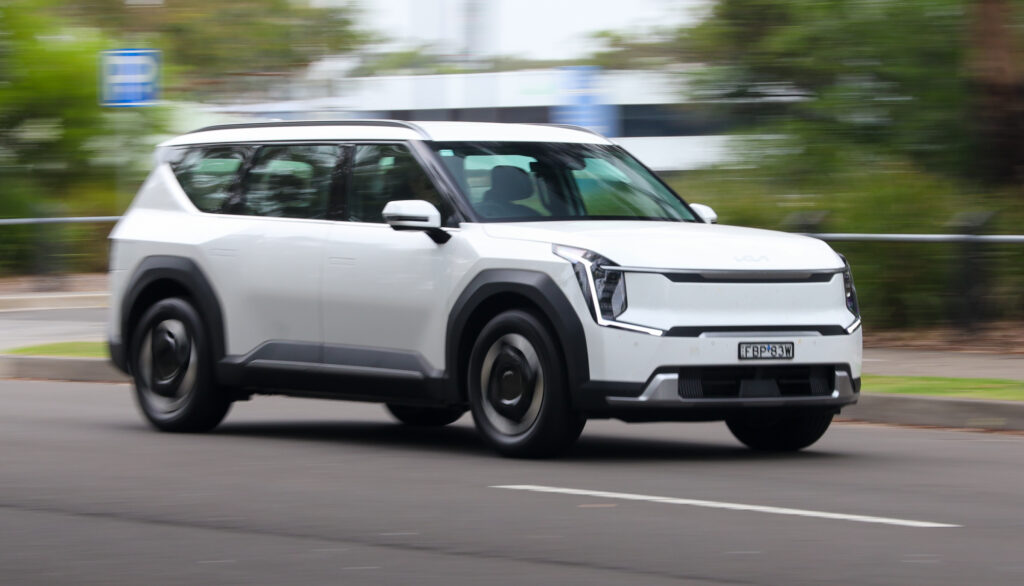
Kia Australia product planning boss Roland Rivero confirmed the brand has been running V2G trials and expects to make an announcement once testing and reporting is complete to upgrade the EV9 SUV with the important feature.
“We’re pretty confident that when we make an announcement it’ll be a positive one in Q3,” Rivero said.
READ MORE: Big step forward for V2G in Australia: Federal government’s huge investment expansion
READ MORE: V2G is go! AGL announces new trial for money-saving vehicle-to-grid EV technology, promises full roll-out in 2026
READ MORE: Grid up! Regulation rewrite boosts bi-directional charging in Australia to enable V2G, V2H
READ MORE: V2G tech to change the way we live in Australia from 2022
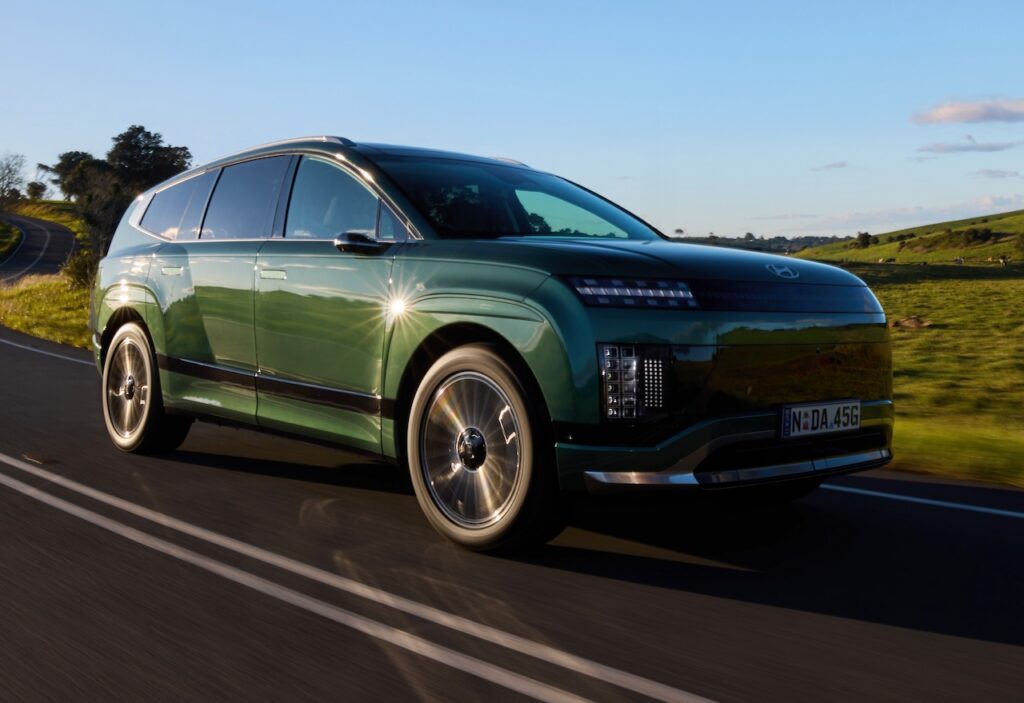
Hyundai is working to a similar timeline, with the Ioniq 9 – which shares the same 800V E-GMP architecture as the EV9 – confirmed as the vehicle at the centre of its local testing program.
Hyundai’s senior manager of future mobility and government relations, Scott Nargar, said the brand is in the advanced stages of validation.
“We’re deep in testing with chargers and cars now,” Nargar said.
“Ioniq 9 is the car we’ve been testing and we’re working with Korea on the timing for other Ioniq platform vehicles.”
“So far the testing is looking promising … but we need to get the full results back.”
The V2G system is expected to allow EV9 and Ioniq 9 owners to set a minimum battery charge level, with a range of between 20 and 100 per cent, ensuring drivers retain enough range for their own needs before any energy is exported.
The technology is also designed to respond to grid conditions to ensure power isn’t being fed in when the grid doesn’t need it, such as the middle of the day on a sunny day when solar is contributing a lot of electricity.
“The grid will only let you take energy from your vehicle when it needs it,” Nargar said.
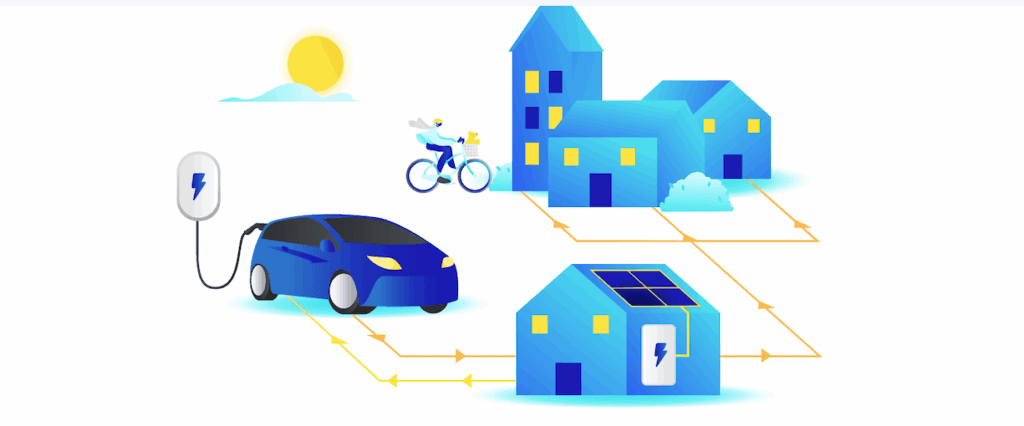
Both brands are expected to enable V2G and vehicle-to-home (V2H) functionality through a software update rather than new hardware.
For Hyundai, it is likely to be later model year Ioniq vehicles that receive the enabling software first, reflecting the additional validation work being carried out on different battery and onboard charger configurations.
Battery degradation has been a central focus of Hyundai’s testing program, given the prospect of EV batteries being cycled far more frequently than in normal daily driving.
“Plenty of degradation studies are being carried out right now,” Nargar said.
Cybersecurity has also been a major part of Hyundai’s validation work, reflecting the added complexity of allowing a vehicle’s battery to interact directly with the grid.
Kia’s own confidence in moving forward with V2G is similarly tied to battery durability, with new CEO Dennis Piccoli pointing to the brand’s degradation performance relative to competitors as one of the reasons it is comfortable extending warranty cover into a V2G context.
Rivero said Kia’s approach has been to prioritise long-term battery health and warranty certainty ahead of any commercial rollout.
“We want to make sure that we’ve done the due diligence, the due process of doing the testing and understanding the effects on battery degradation so that we can still continue to offer a solid warranty,” he said.
The Kia and Hyundai moves are indicative of a broader push toward V2G in Australia.
BYD has already confirmed it will provide warranty cover for EVs participating in energy retailer Amber’s V2G trial.
AGL’s trial, separate from Kia and Hyundai’s individual programs, has involved around 100 participants across Hyundai, Kia, BYD and Zeekr vehicles in four states, with a broader commercial rollout flagged for 2026.
Amber’s trial, backed by the Australian Renewable Energy Agency, has reported strong early results, including one South Australian customer earning $500 in energy exports in a single afternoon during a heatwave.
EVs have the potential to significantly shape the electricity supply.
Whereas most home batteries range from about 10 to 30kWh in capacity (some are 50kWh and up), most EVs have a battery capacity of at least 50kWh, with some exceeding 100kWh.
With that much energy storage available there’s the potential to smooth out demand peaks and make owners money by selling excess electricity during peak times.
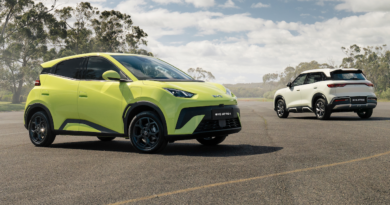
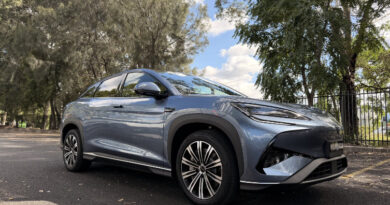
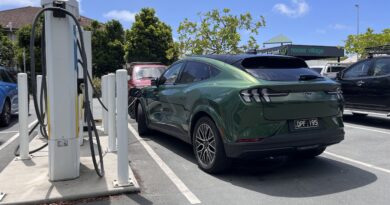
BYD’s Atto 3 has been v2h capable for years. And it works.