
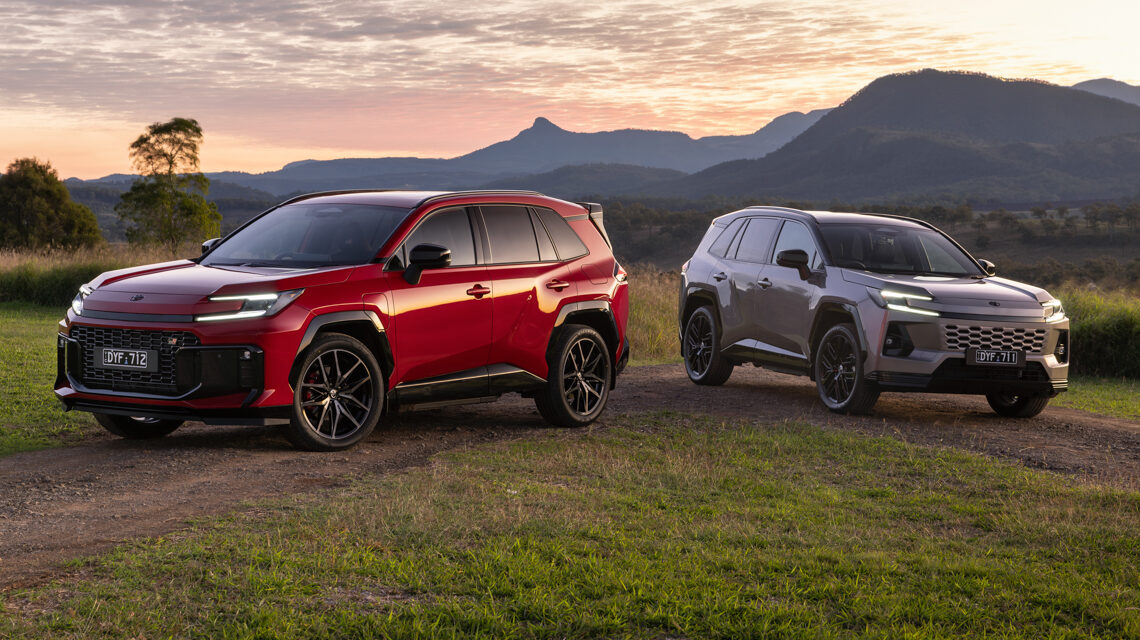
2026 Toyota RAV4 PHEV Review: New plug-in hybrid takes the fight to GWM, Haval, BYD
For a company that led the way on hybrids, it’s been a glacial journey to this – Toyota’s first plug-in hybrid.
The RAV4 PHEV is the first Toyota sold in Australia with a petrol-electric system that can be recharged externally.
It’s based on one of the brand’s biggest sellers and arrives into a market overflowing with plug-in hybrid rivals, most of them from China.
READ MORE: 2026 Toyota RAV4 Review: Top-selling electrified SUV is more expensive, but key updates have delivered a better vehicle
READ MORE: New Toyota RAV4 could make history as first SUV – and electrified – top seller
READ MORE: Toyota Hilux EV price announced
READ MORE: Toyota confirms compact EV for Australia: More affordable Toyota C-HR BEV on the way to fight BYD Atto 3 and Geely EX5 … but don’t rush your dealer just yet
Like a lot of PHEVs, it promises the best of both worlds – electric performance and the associated running costs for daily drives and the reassurance of petrol for longer adventures.
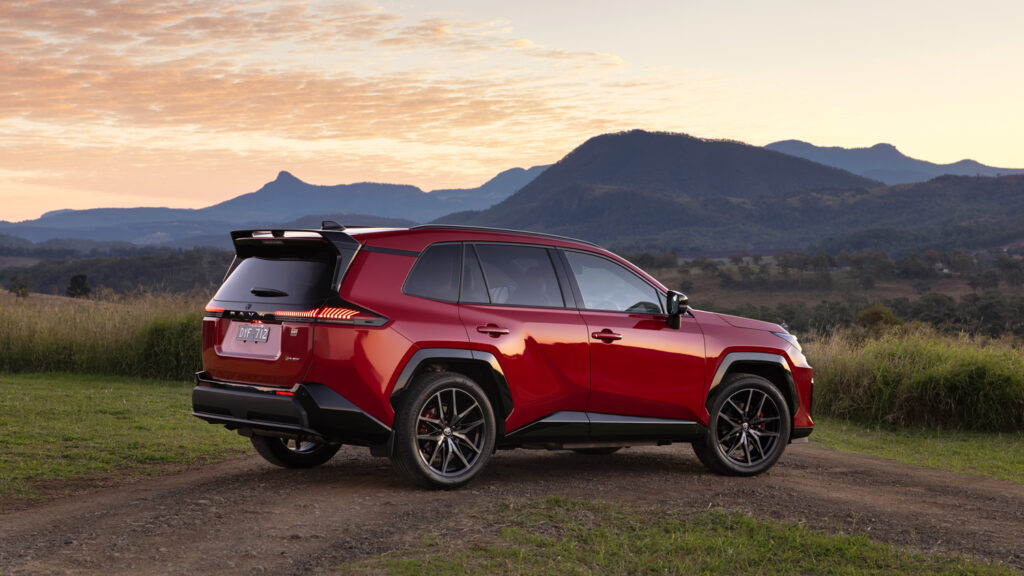
Let’s see if that holds true.
2026 Toyota RAV4 PHEV: Price and equipment
There’s a lot less choice if you’re shopping for a Toyota RAV4 PHEV compared with the regular RAV4 hybrid.
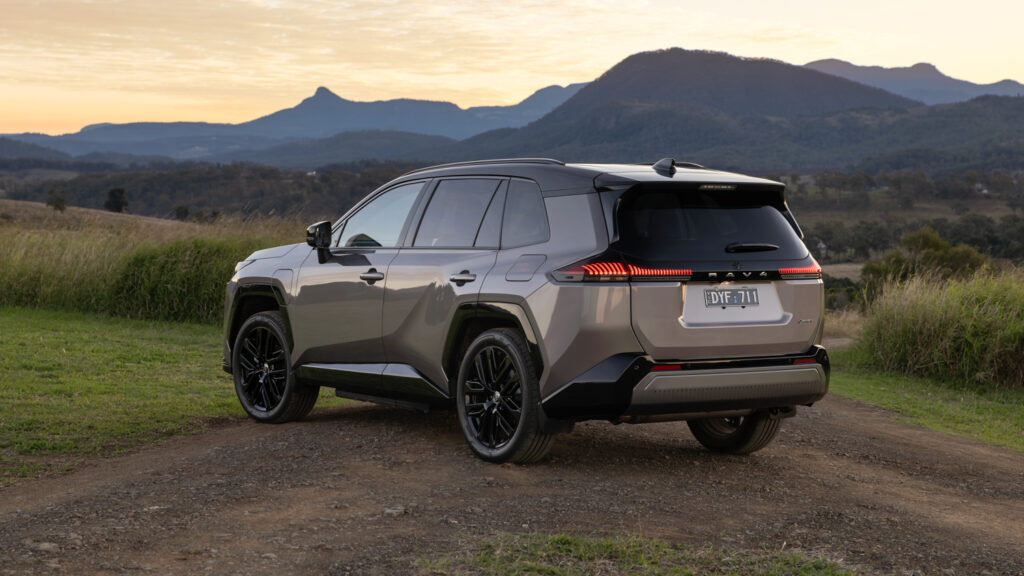
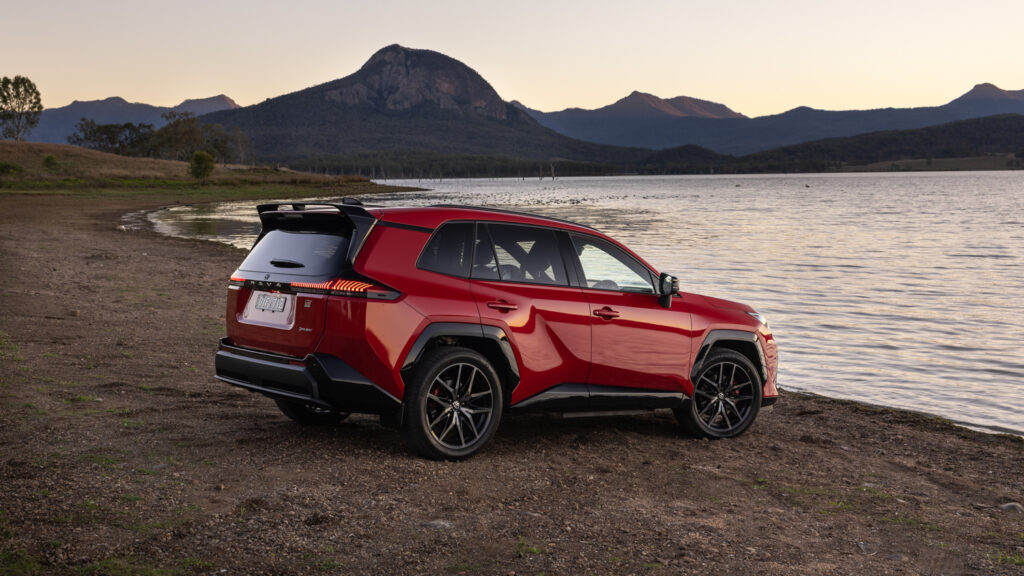
Toyota has focussed the range on the pointy end, with an XSE and PHEV-only GR Sport.
The RAV4 PHEV kicks off at $58,840 plus on-road costs for the XSE 2WD, stepping up to $63,340 for the XSE AWD and topping out at $66,340 for the GR Sport AWD.
That makes it the most expensive RAV4 you can buy.
Comparisons get tricky because the GR Sport is only available as a plug-in hybrid, whereas the XSE can be had as a regular hybrid or a PHEV. Line up the XSE AWD in each flavour and the plug-in commands a $5000 premium over its hybrid twin.
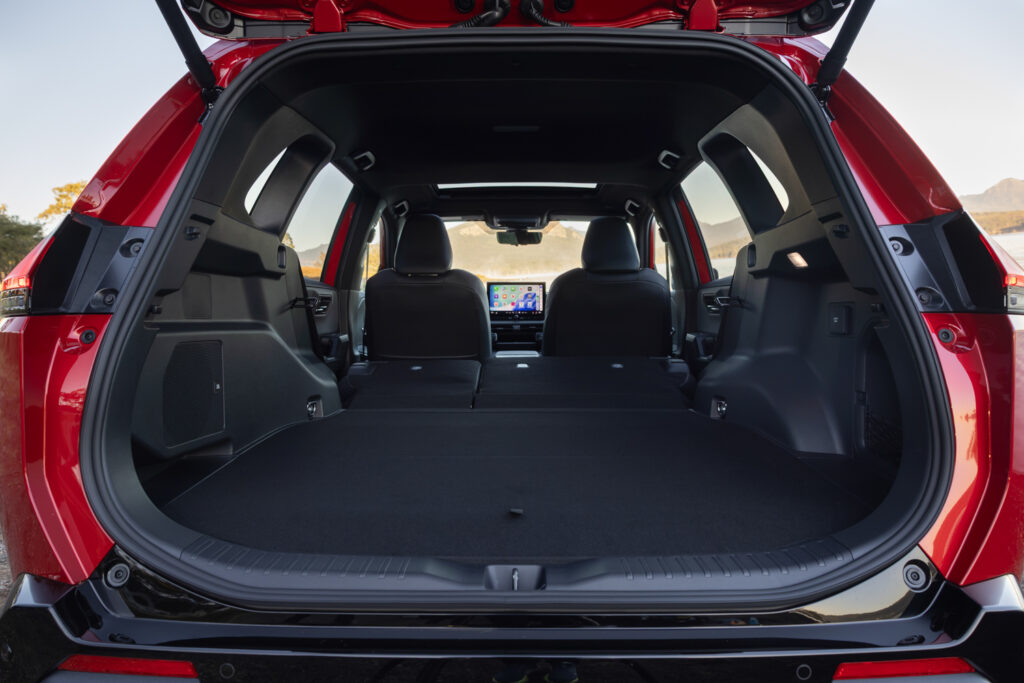
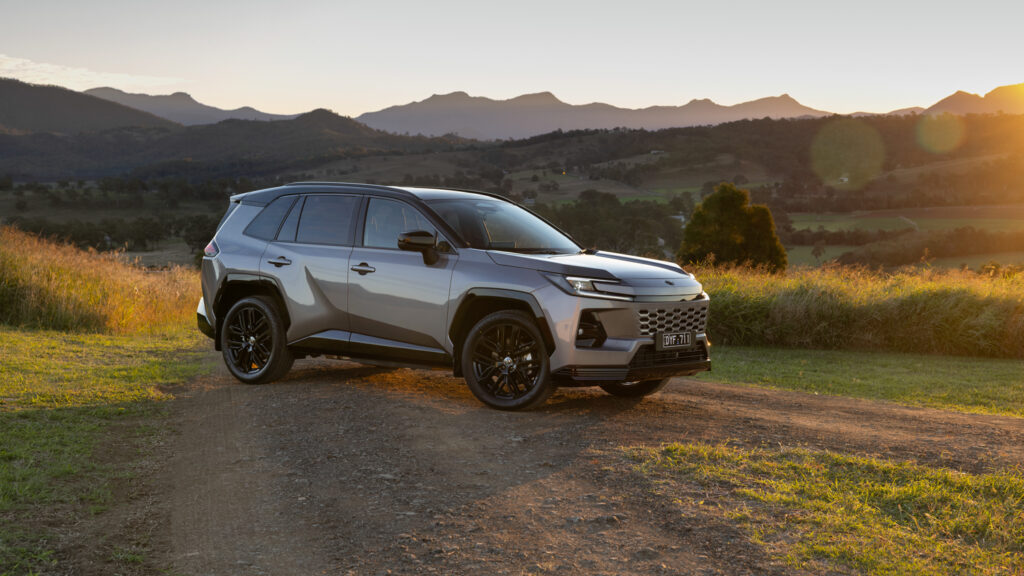
The XSE PHEV mirrors the equipment of its hybrid equivalent – 20-inch black alloys, synthetic leather and suede sports seats, heated and ventilated front pews, a panoramic view monitor and a tilt-and-slide sunroof – with a couple of PHEV-specific additions: larger disc brakes and a 1500W vehicle-to-load outlet in the boot for powering camping gear or small appliances (the 1500W limit means it won’t run hair dryers or toasters, each of which typically draws about 2300W).
The GR Sport builds on that with a head-up display, digital rear-view mirror, nine-speaker JBL audio, two wireless phone chargers and a powered tailgate with kick sensor (allowing you to wave your foot under the bumper to open the boot).
It also gets a 20mm wider track as part of a unique chassis tune that includes firmer dampers and a unique steering tune.
As with regular hybrid RAV4s the PHEV models get a standard space saver spare wheel.
All RAV4 PHEVs run Toyota’s new Arene operating system with over-the-air updates, and the battery is covered by an eight-year warranty.
Servicing is required every 12 months of 15,000km and is capped at $325 per service for the first five check-ups.
After that service pricing ramps up to between $446 and $786 per service.
2026 Toyota RAV4 PHEV: What we think
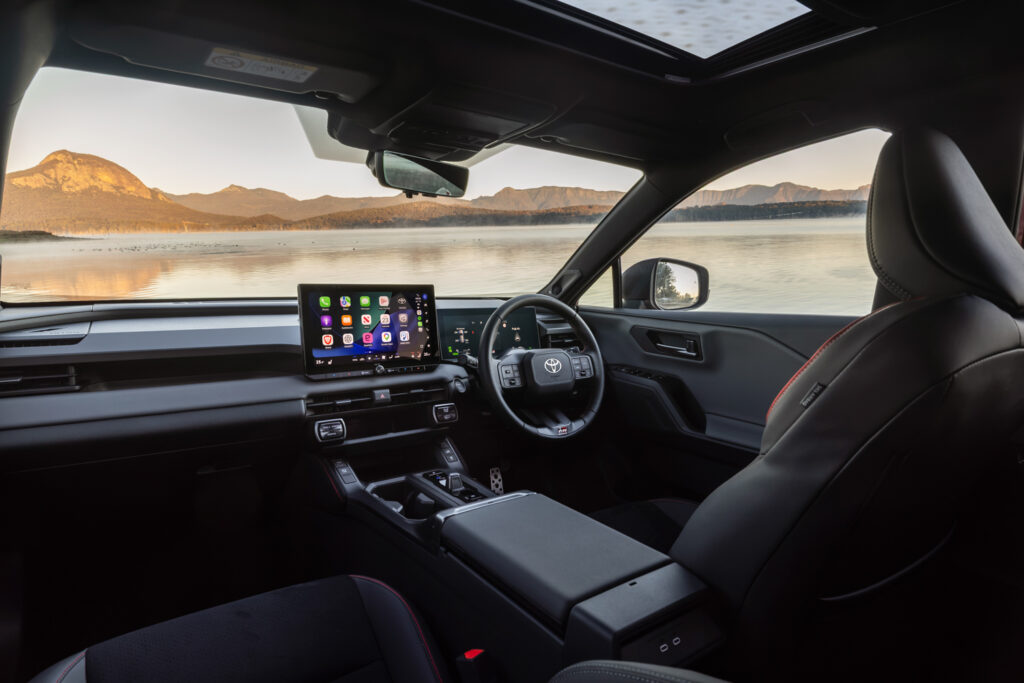
Step inside and it’s the same as any other RAV4 – which is a good thing.
There’s a refreshing normality to it.
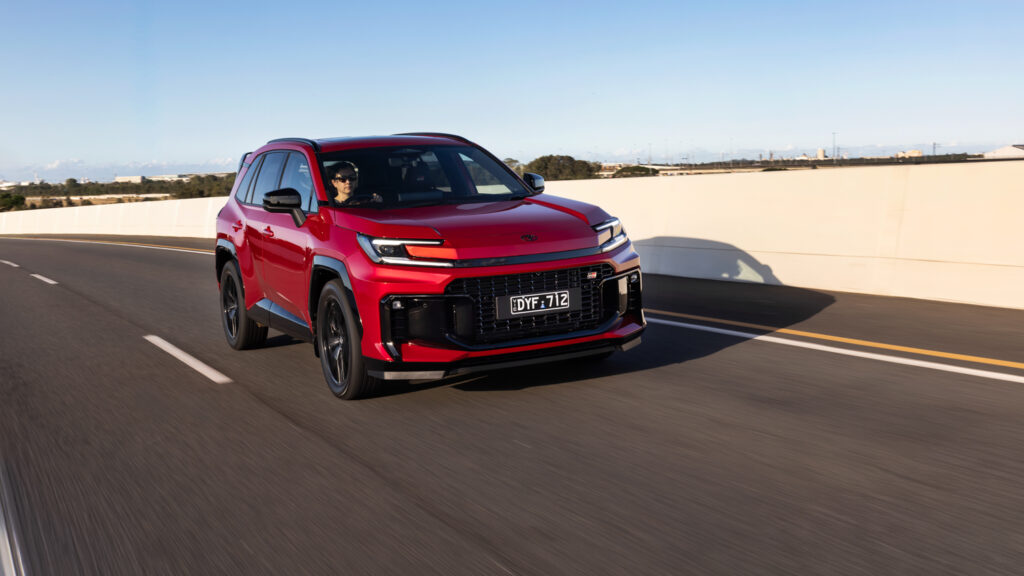
There are buttons and dials and layout is familiar and everything is where you’d expect it to be, which counts for plenty in an era when so many rivals bury basic functions in touchscreen menus.
The cabin is practical, too.
It doesn’t change the game – many Chinese alternatives deliver more theatre for the money – but it’s livable and likable, and it goes about its business without fuss.
The same goes for the driver assistance systems, which are really well tuned.
Where a lot of modern cars – particularly Chinese ones – have you diving into menus to switch off the beeps and bongs, the RAV4’s alerts and warnings never annoyed us.
We didn’t feel the need to turn anything off.
The RAV4 PHEV’s battery pack is 22.7kWh – about a quarter to a third the size of your average EV battery.
It can charge at up to 11kW on AC and up to 50kW on DC.
Plug into a 50kW DC fast charger and you’re looking at 28 minutes to get from 10 to 80 per cent.
On AC it’s about two-and-a-half hours using a three-phase charger, or more like three-and-a-half hours on the single-phase units most homes have.
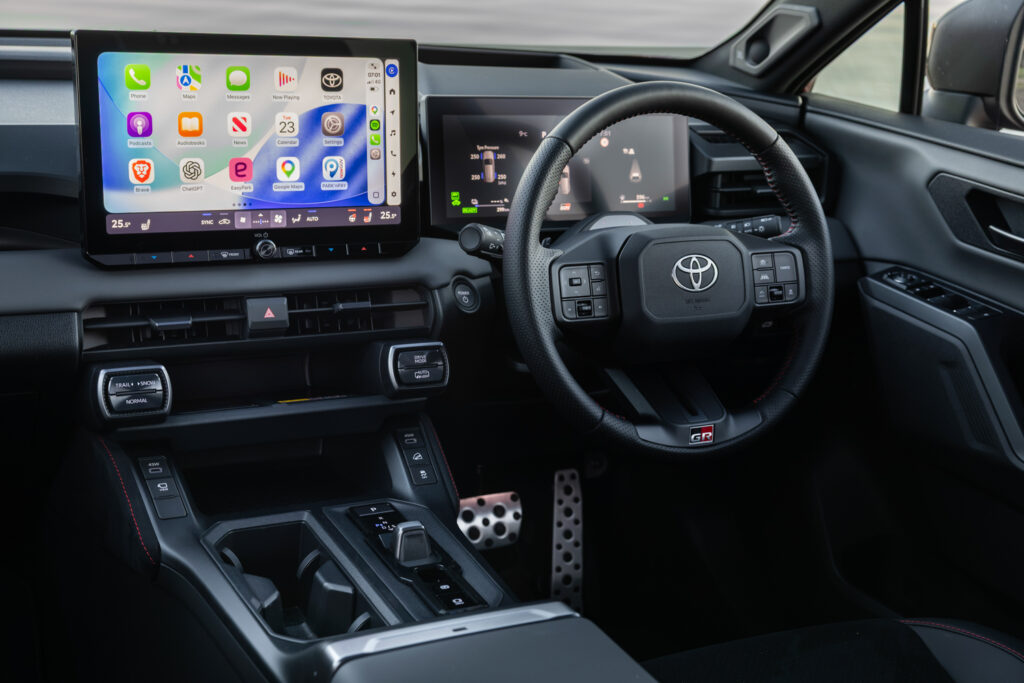
Claimed electric range is 121km for the 2WD and 113km for the AWD. In the real world it’ll be less than that – figure on 95 to 100km from the AWD.
Which brings us to the DC charging, because on a road trip it doesn’t really stack up. That 28-minute session buys you 80 per cent of a small battery – roughly 80km of real-world driving.
And with public fast chargers typically costing upwards of 60 cents per kilowatt-hour, you’ll pay $11 or so for the privilege.
You’re better off using petrol on a longer trip and saving the plug for home, where cheap overnight rates – or free solar – do the heavy lifting.
It’s also worth being realistic about efficiency.
Running in EV mode we saw energy consumption of around 24 to 25kWh/100km – more than you’d use in a proper EV that isn’t hauling an engine around.
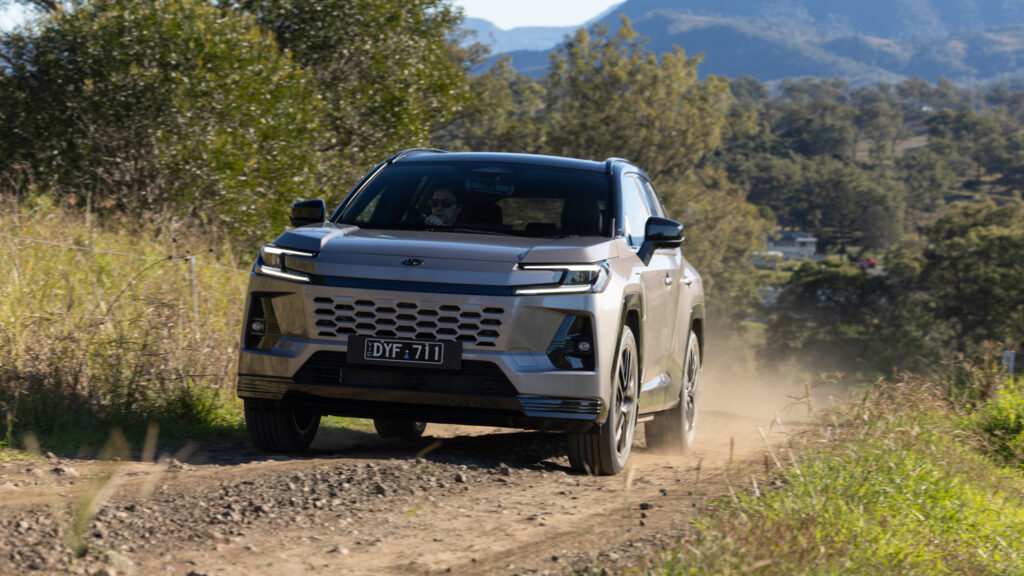
And once it’s operating as a hybrid, don’t expect it to match the official fuel figure: the claimed 0.7L/100km is fanciful. It’s never going to use that.
But it delivers on performance – more so if the battery has charge in it.
The AWD versions make a combined 227kW, the most powerful RAV4 to date, while the 2WD makes do with 201kW.
That’s not a huge difference on paper, but the 0-100km/h time tells a different story: the 2WD is ho-hum at 7.5 seconds to 100km/h while the AWD is more enthusiastic at 5.8 seconds.
In the AWD models – the only ones I drove – the front motor does most of the work.
It’s good for 151.4kW and 272Nm (Toyota engineers like to be specific!), while the rear motor on AWD models chips in a modest 40.7kW and 122.6Nm.
So, like regular all-wheel-drive RAV4 hybrids, this is a front-driven car at heart.
The thing we really like is what happens in EV mode.
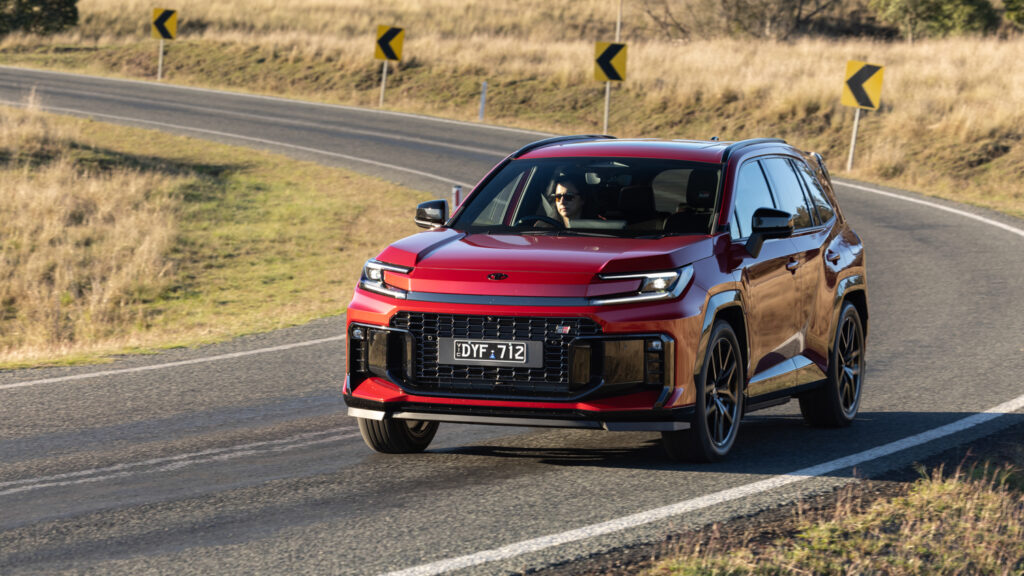
With a charged battery you can floor the throttle and it won’t fire up the engine – it just gets on with it, running purely on electricity. It drives more like an EV, and around town it’s surprisingly peppy.
It’s not as powerful in EV mode as most proper EVs – not bad, just not quite as punchy – but there’s plenty of zip for the daily grind.
Drain the battery, though, and it loses some of that sparkle.
The 2.5-litre engine only makes 105kW on its own – not a particularly powerful unit – so the system leans heavily on its electric side (which is good!).
It’s most noticeable above 80 or 90km/h, where the urgency fades.
It’s not slow, it just doesn’t have the same pep it showed around town on a full charge.
It runs on premium unleaded, too, so factor that into your fuel bills.
The transmission does its thing without fuss and everything works well, though the RAV4 PHEV does feel heavy-ish – it’s around two tonnes, a little over for the AWD versions – and you sense that mass in the way it moves.
As for the GR Sport’s 20mm wider track and performance dampers, we didn’t really feel them. It doesn’t make an enormous difference from behind the wheel.
One practical note: towing capacity is 800kg for the 2WD, while the AWD can pull 1500kg braked. Not class-leading, but useful.
Here’s the thing worth keeping in mind with any plug-in hybrid: if you’re planning to run it almost exclusively in electric mode, you’re dragging around an engine, a fuel tank and a gearbox that aren’t doing anything.
The biggest benefit of the system comes from running it on electricity as much as possible – that’s where the savings are. But if that describes your driving, an EV might make more sense. The RAV4 PHEV’s sweet spot is for those who mostly potter around town on battery power but genuinely need the petrol safety net for regular longer trips.
2026 Toyota RAV4 Verdict
So, no, the RAV4 PHEV isn’t the best of both worlds – no PHEV is.
There are the usual compromises you get when you combine a petrol engine with an EV system and a decent-sized battery – weight, cost and a petrol engine that’s nothing special once the electrons run out.
But it is a very good plug-in hybrid, albeit one that doesn’t come cheap.
And in a sea of rivals predominantly from Chinese brands, there’s a refreshing normality to the way it goes about its business.
Score: 4/5
2026 Toyota RAV4 PHEV price and specifications
Price: From $58,840 plus on-road costs
Basics: Hybrid/PHEV/EV, # seats, # doors, car type (sports/SUV/wagon/etc), FWD/RWD/4WD/AWD
Range: 121km 2WD/113km AWD (WLTP)
Battery capacity: 22.7kWh
Battery warranty: 8 years/160,000km
Fuel consumption: 0.7L/100km (claimed)
Powertrain: 2.5-litre four-cylinder petrol (105kW) with electric motors
Motors: 1 front, 151.4kW/272Nm; 1 rear (AWD only), 40.7kW/122.6Nm
Combined output: 201kW (2WD), 227kW (AWD)
AC charging: 11kW, Type 2 plug
DC charging: 50kW, CCS2 combo plug
0-100km/h: 7.5 seconds (2WD), 5.8 seconds (AWD)

What a pointless car. Like all other PHEVs. Also missing out on a spare wheel. Just get a regular EV. If you want to do long journeys regularly you’re still better off with a diesel anyway, and permanently fitted spare wheel.
The RAV4 PHEV does get a space saver spare as standard. I’ve updated to the review to include that.
Early reviews suggested otherwise but if they now include a donut spare that would be much better than nothing. The Outlander and other similar PHEVs omit the spare entirely.
Another issue I have with PHEVs is battery longevity as it is small and cycles more frequently than an ev. I know the Outlander at least had a lot of complaints about the battery. Interesting to know what the real world electric range would be in 4-5 years. My Tesla LFP real world range is ~40km less than advertised wltp after 2.5yrs. Not much of an issue on an ev but on a PHEV it would be.