



New Lexus ES EV deep dive: World-first cabin tech, new operating system and safety technology that can call for help if its driver is incapacitated

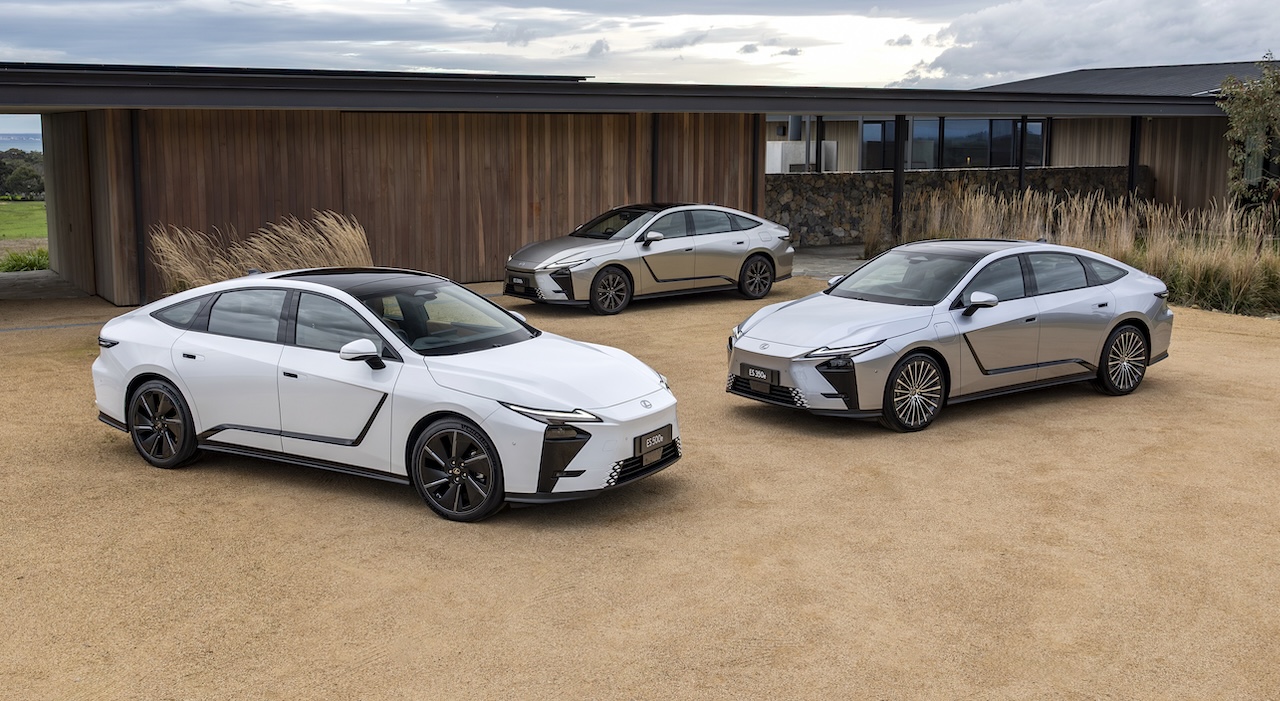
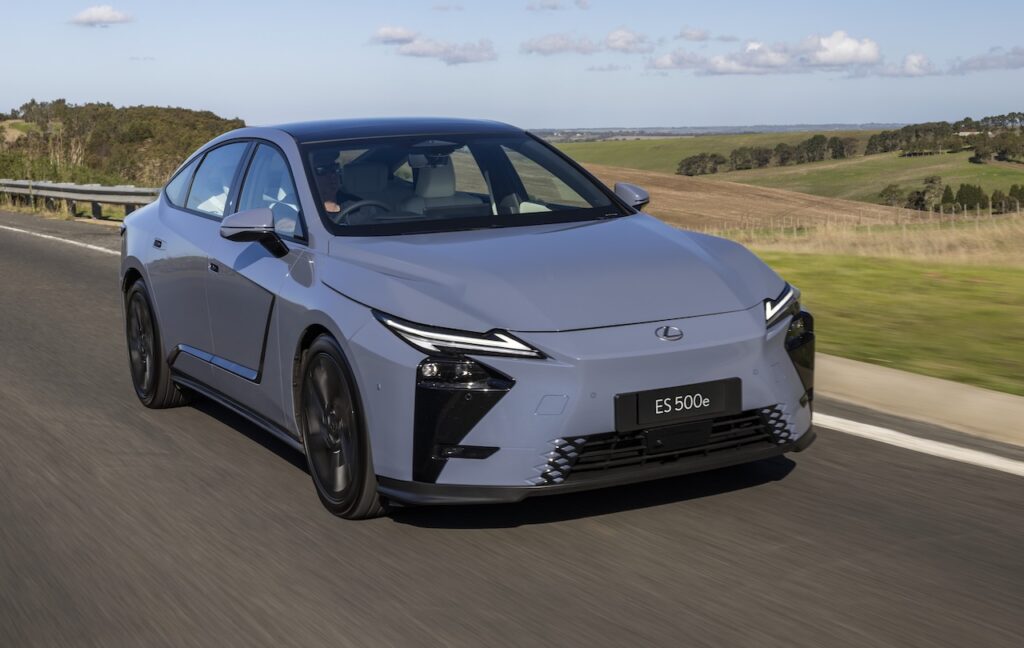
The all-new 2026 Lexus ES will introduce world-first hidden cabin switches, a new-generation operating system and upgraded safety technology capable of automatically stopping the car and calling for emergency assistance if its driver becomes incapacitated.
Arriving in Australia initially as the first battery-electric ES before the ES 300h hybrid follows later in 2026, the eighth-generation luxury sedan is being used to introduce a broad range of new technology for Lexus.
Among the biggest changes is the debut of the Arene software platform, with the ES the first Lexus production model to use the new operating system.
READ MORE: First-ever electric Lexus ES detailed for Australia: Priced from $77,000 with 510km range. New hybrid also confirmed
READ MORE: All change at Lexus! Toyota’s luxury brand has developed a new plan for its EV future
READ MORE: Denza and Zeekr have Lexus on the luxury hitlist. Here’s why the Japanese brand isn’t worried
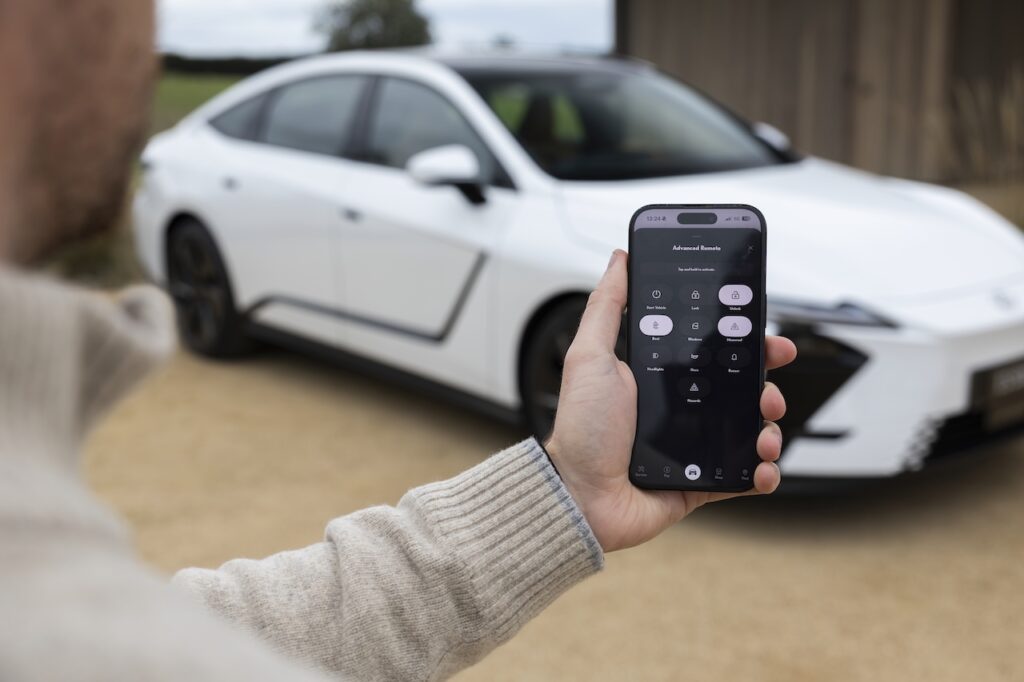
Arene underpins the car’s infotainment, connectivity, active safety and driver assistance systems and significantly expands the number of vehicle functions that can be updated over the air.

Lexus says OTA updates can be used to diagnose and fix issues with systems including the multimedia system, active safety technology and the battery pre-conditioning system on electric models.
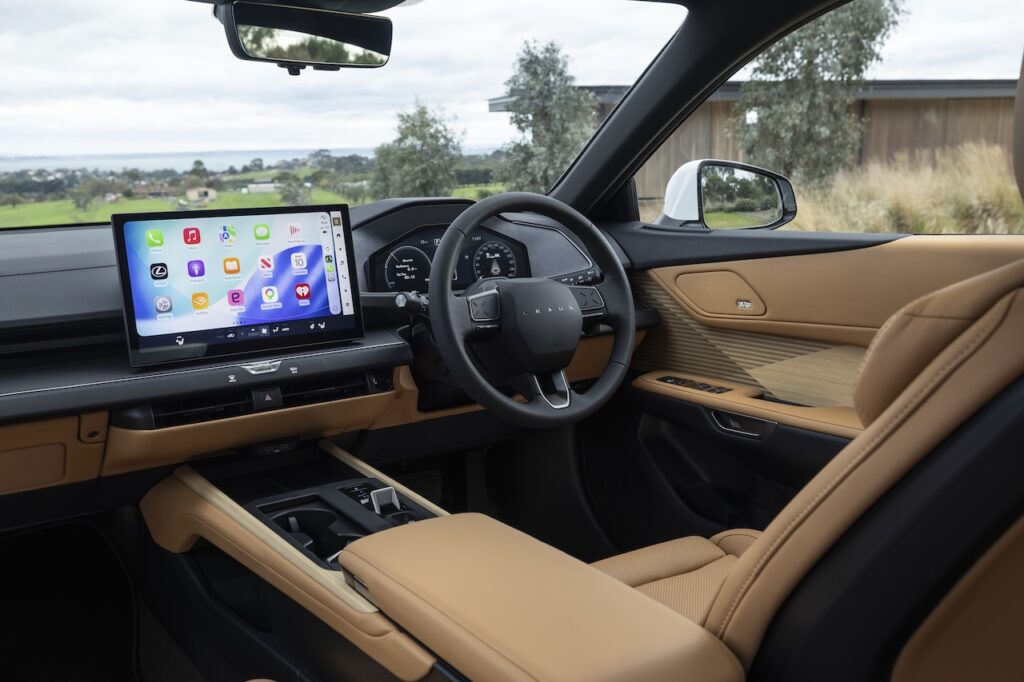
The new operating system is displayed through a standard 14.0-inch high-definition central touchscreen with customisable widgets, embedded satellite navigation, an upgraded voice assistant and integrated Spotify streaming.
A 12.3-inch digital instrument display is also standard and can display navigation instructions from wireless Apple CarPlay and Android Auto.
The new ES also gains an embedded drive recorder that uses the vehicle’s existing exterior cameras to capture footage while driving.
It supports continuous loop recording, manually activated recordings and incident-triggered clips, with footage able to be viewed and exported through the multimedia system.
The completely redesigned cabin also introduces what Lexus claims are world-first responsive hidden switches.
Fitted to the dashboard and steering wheel, the physical switches are normally concealed before illuminating when the driver or front passenger moves their hand towards them.
Unlike capacitive touch controls, the switches provide physical feedback when operated.
The system is designed to reduce visual clutter while retaining the tactile operation of conventional buttons.
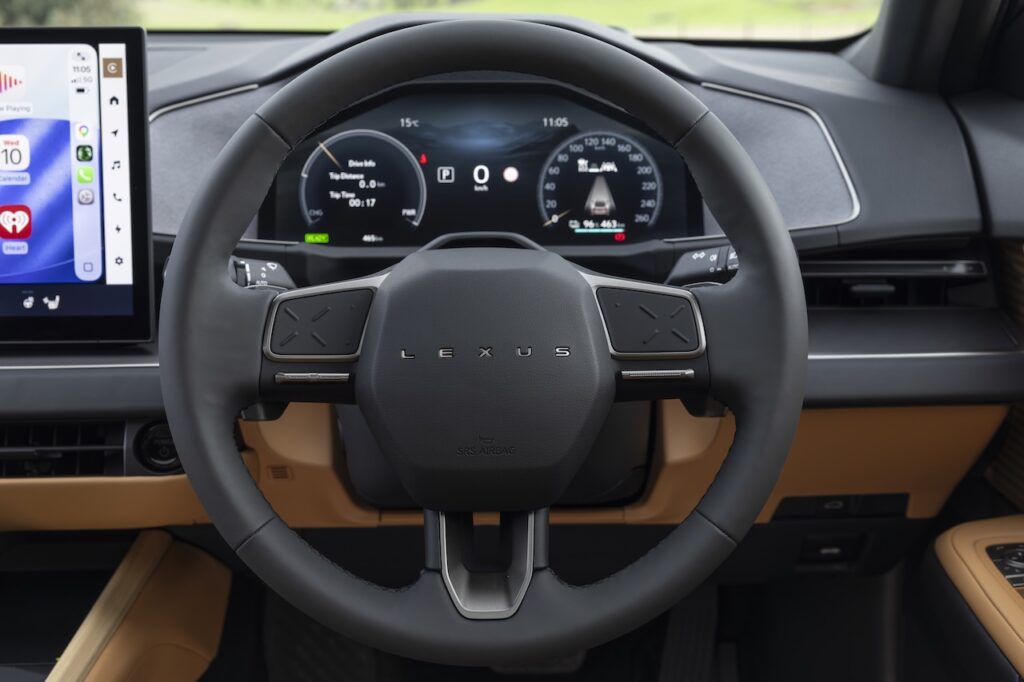
Other cabin changes include a new smaller-diameter steering wheel carrying a Lexus wordmark rather than the traditional ‘L’ badge, a shift-by-wire Electro-Shiftmatic gear selector and a new-generation front seat design.
The ES also introduces bamboo layering ornamentation that combines printed bamboo strips with surface-emitting lighting to provide different visual effects during the day and at night.
The new-generation ES is also the first model to introduce fourth-generation Lexus Safety System+ technology.
Lexus says 15 existing driver assistance functions have been upgraded, while multiple new features have been introduced.
A higher-resolution front camera and upgraded radar increase the distance and width over which the car can detect potential hazards.
The autonomous emergency braking system can respond more quickly to sudden braking by vehicles ahead and operate at shorter distances.
The system can also detect crossing vehicles at intersections, including vehicles partially obscured by other cars.
Front cross-traffic alert is offered on the ES for the first time, while the rear cross-traffic alert system can now detect bicycles.
The upgraded adaptive cruise control system can detect the braking of two vehicles ahead and uses map information to adjust vehicle speed for curves, intersections and stop signs.
A new Eco Run mode can provide gentler acceleration and calculate the aerodynamic benefit of following other vehicles, displaying an air-drag reduction rating to the driver.
The ES also introduces lane-change assistance that works with the adaptive cruise control and lane-tracing systems to help accelerate, decelerate and steer the car during an overtaking manoeuvre.
One of the most significant additions is a new connected Emergency Driving Stop System.
If the system detects no driver inputs for a specified period, it issues audible and visual warnings.
If the driver remains unresponsive, the ES is designed to slow gradually to a stop, activate its hazard lights and unlock the doors.
The system can then automatically place an SOS call to the Australian Emergency Call Centre, allowing emergency services to be dispatched to the vehicle’s location.
The technology requires the adaptive cruise control and lane-tracing assistance systems to be active.
Other new safety technology includes proactive driving assist, which can provide gentle braking and steering assistance when approaching slower vehicles or negotiating curves.
The blind-spot monitoring and safe-exit assistance systems can detect approaching bicycles and vehicles to help prevent occupants opening a door into their path.
Battery-electric ES models also introduce a new high-definition Adaptive High-beam System that uses 16,384 micro-LED pixels to selectively control illumination.
The system can shade light vertically as well as horizontally and reduce the amount of light directed towards pedestrians.
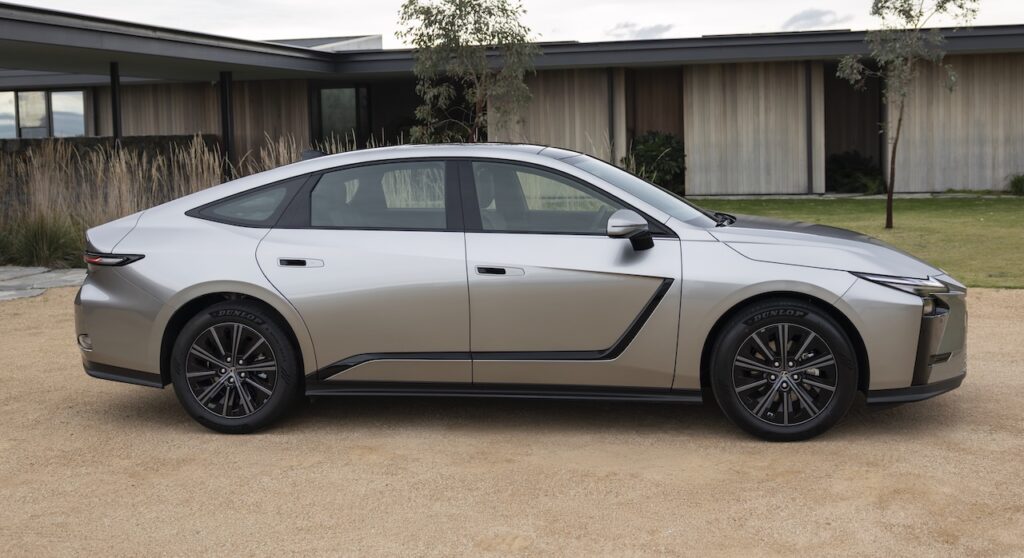
Underneath, the new ES is based on an extensively redeveloped GA-K architecture that Lexus describes as its first multi-pathway platform designed from the outset to accommodate both hybrid and battery-electric powertrains.
The structure uses more than twice as much structural adhesive as the outgoing ES, while extensive use of high-strength steel and hot stamping saves 20kg.
The suspension has also been completely redesigned, with revised MacPherson struts at the front and a new multi-link rear suspension, while the battery-electric ES 350e and ES 500e gain Adaptive Variable Suspension.
Lexus says the changes improve body rigidity, ride comfort, steering response and refinement while helping compensate for the substantial increase in size of the new-generation sedan.
The all-new Lexus ES 350e and ES 500e electric sedans will arrive in Australia first, priced from $77,000 and $84,000 before on-road costs respectively, with the $75,000 ES 300h hybrid following later in 2026.