
XPeng’s flying car targets Australian national parks and outback tourism
The flying car could soon be a reality in Australia – although it looks a lot more like a big drone rather than a car.
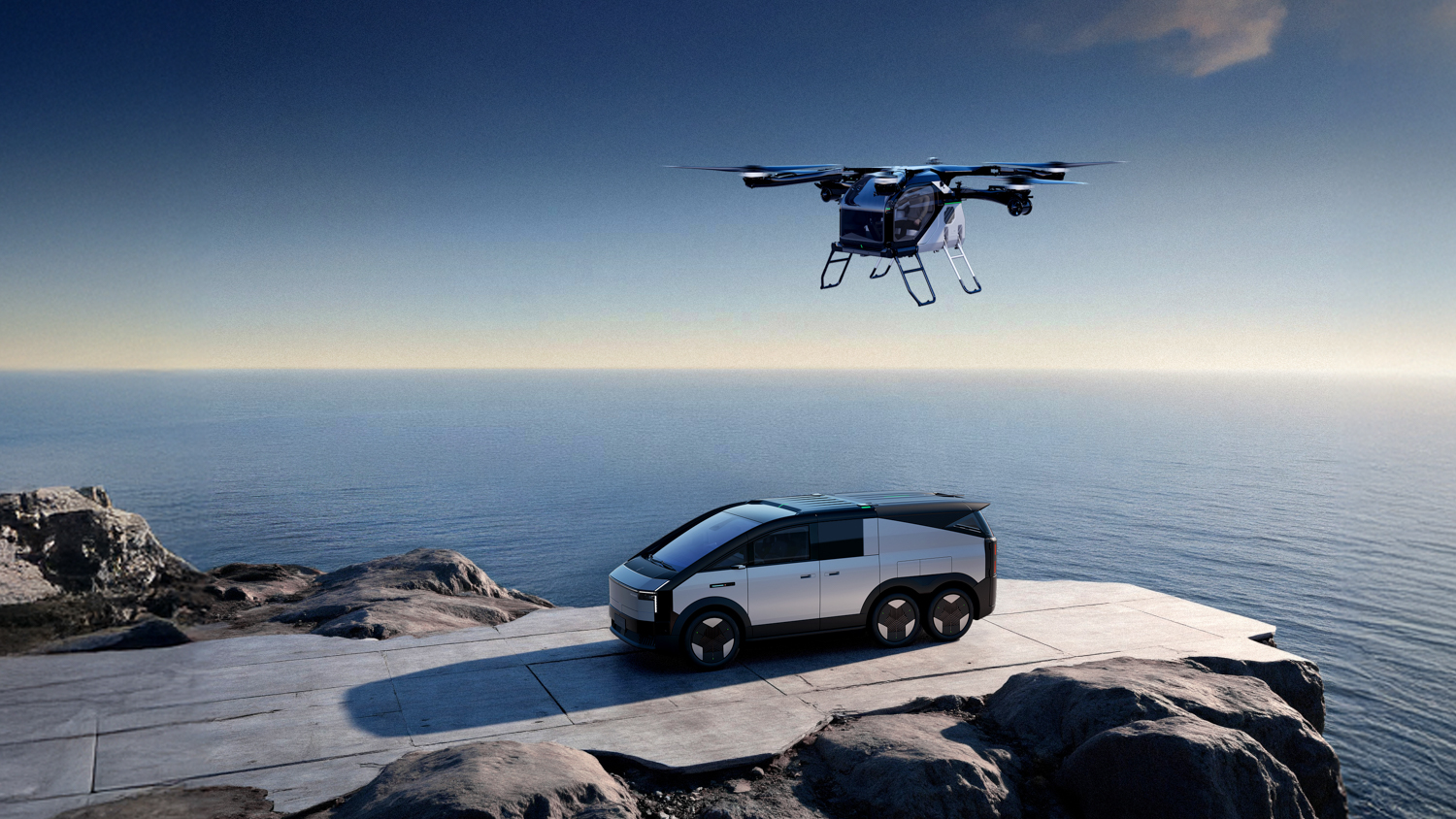
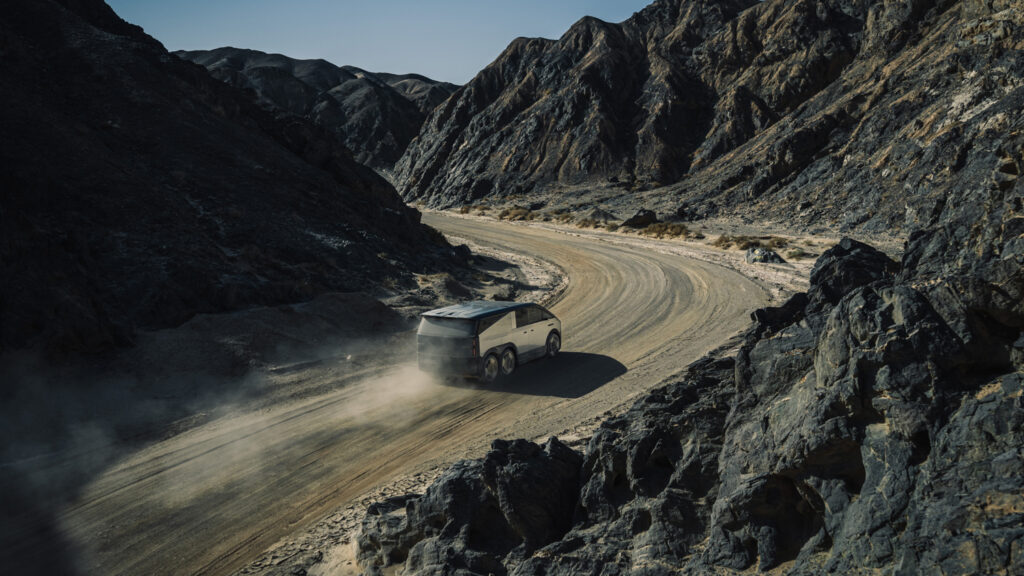
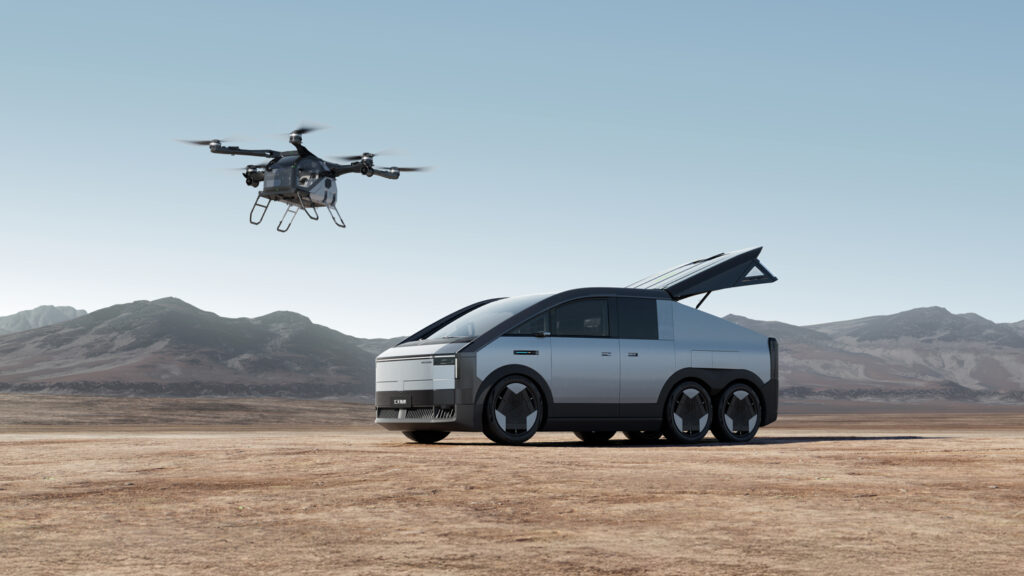
XPeng wants Australia to be one of the first international markets for its Land Aircraft Carrier, a two-part machine that pairs a futuristic road-going van with a two-person electric drone that unloads automatically from the rear.
And the company sees leisure travel – national parks, lakes and remote or scenic areas – as the market that makes it viable.
READ MORE: XPeng action! New Aussie distributor announces XPeng G6 update including AWD Performance
READ MORE: Electric full-size XPeng GX revealed: But is its styling just too close to Range Rover for comfort
READ MORE: Space invader: Upgraded luxury seven-seat XPeng X9 is now world’s longest-range pure-electric seven-seater vehicle. In Australia soon
“Imagine there are flying camps and flying parks in outskirts of the city, near national parks, on a lake, across the river,” XPeng vice chairman and president Dr Brian Gu said at the brand’s Australian relaunch in Melbourne.
The drone component carries two people for up to 20 minutes per charge, flying within geo-fenced areas. Gu says the licensing requirement would likely mirror recreational aviation rather than a pilot’s licence.
“The licence actually we’re getting for that use potentially be like sporting licence, just like hang gliders or power parachutes,” he said.
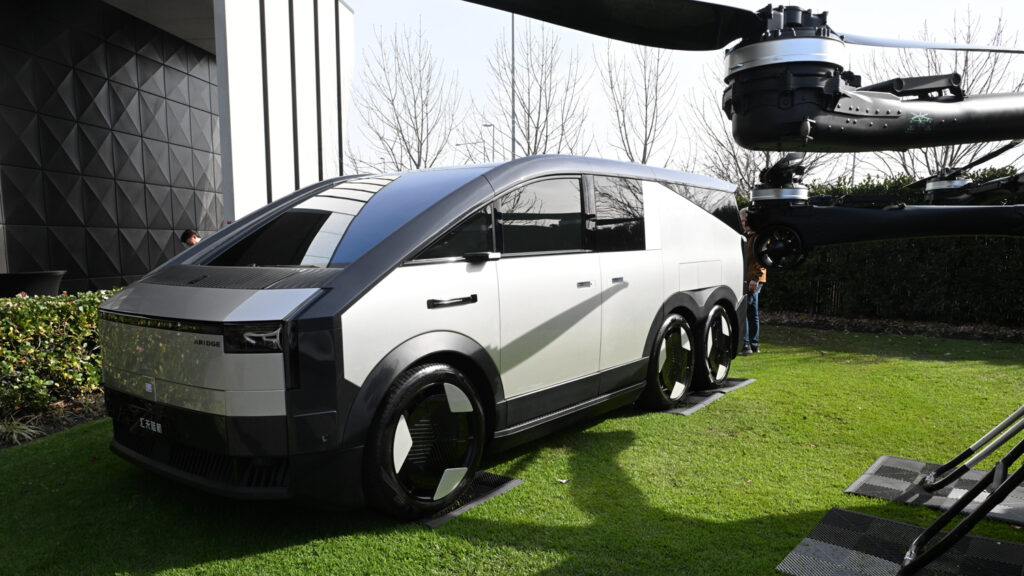
Dr Gu insists it’s easy to fly – more like a drone than a helicopter.
“It’s a joystick operation. Unlike the helicopters … lots of switches and belts and very difficult to manoeuvre. This is one hand. You can control the whole flying experience.”
The use case XPeng envisions: drive the carrier vehicle during the week, then load up friends on the weekend and head to a flying park.
It’s not cheap. Chinese pricing guidance is under 2 million yuan – roughly $430,000 – with Australian pricing yet to be determined.
XPeng claims more than 7000 pre-orders worldwide – including early bookings from Australia.
XPeng has built a 120,000 square metre factory in Guangzhou, alongside XPeng’s EV plant, with planned annual capacity of 10,000 units.
Asked why XPeng’s timeline is so much shorter than the decades-away predictions for urban air mobility, Dr Gu argued the leisure positioning is precisely the point – it sidesteps the safety and regulatory hurdles of flying over cities.
“It’s not intended to fly inside the city over people’s heads,” he said. “We think this is actually much easier to implement than air taxi … we have probably one of the more clear commercialisation pathways.
Australian availability hinges on Chinese type certification being granted first, after which XPeng says it will pursue international partnerships and look at local regulations; in Australia that could be a significant hurdle.
The authorities will not know what to do with this vehicle. Almost certainly will require a private pilots licence and extensive training. Which is big money. Hard to see how they will sell more than a hand full a year at best, that is after it gets approval which could take years. Good publicity for Xpeng,