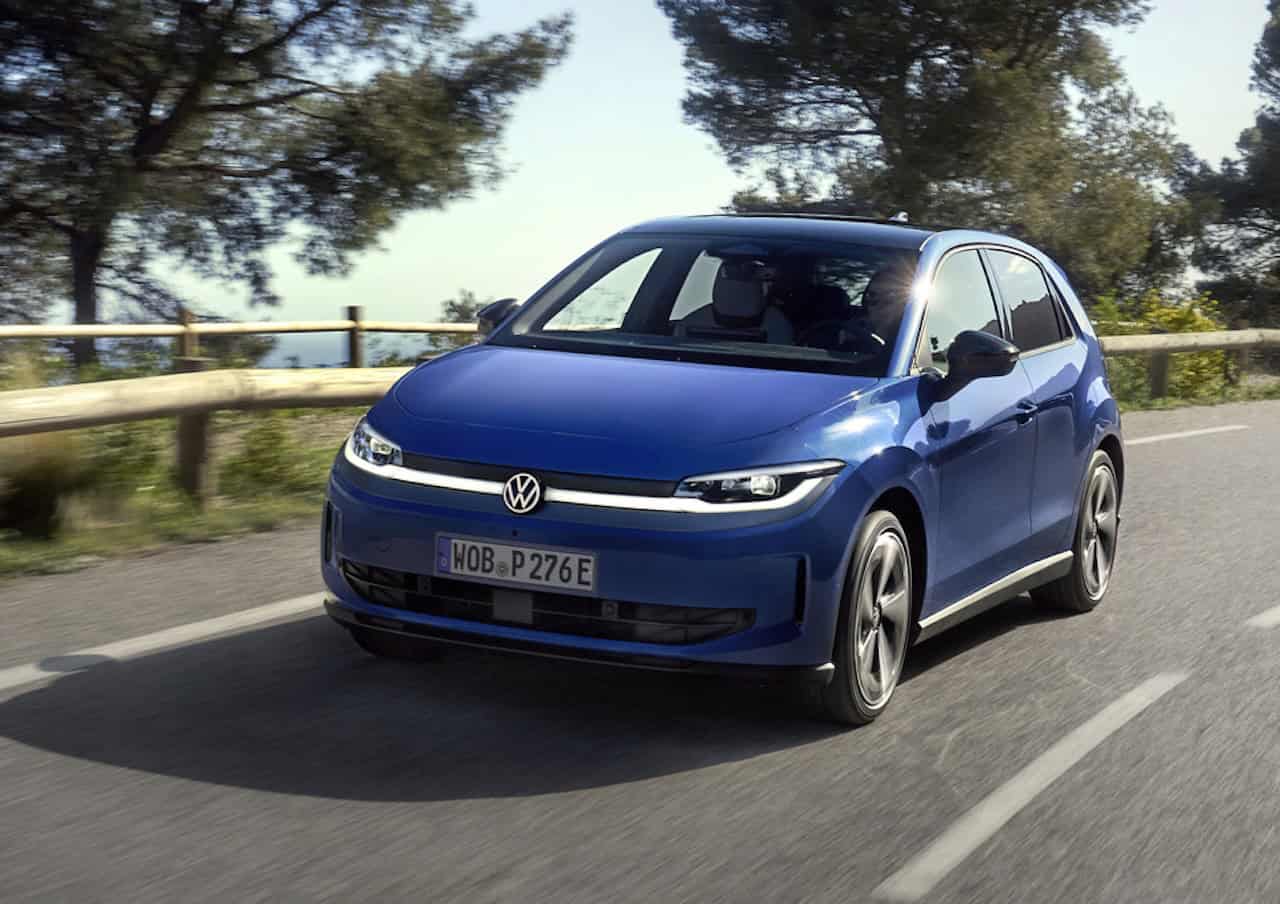
Global unveiling: After many teases, the VW ID. Polo has been revealed in full. Is this the best small EV in the world?
After an extended preview phase, the Volkswagen ID. Polo has been fully unveiled and has already been heralded by the German brand as “just the beginning” of its EV reinvention, following recent years in which it has lagged behind rivals in both technology and sales.
Designed, developed and engineered as an alternative to the Renault 5 in Europe – as well as models such as the MG4, Geely EX2, GWM Ora and Aion UT – the Volkswagen ID. Polo has been priced from around €25,000 (A$40,000) in markets like Germany.
For that, Volkswagen claims buyers get a small hatch that sets new standards with its WLTP range of up to 454km, advanced driver-assistance technology and high levels of efficiency.
READ MORE: Let’s get physical! Proper buttons return to next gen Volkswagen ID. Polo. MG4 and BYD Dolphin rival shows off its all-new cabin design
READ MORE: All-new Volkswagen ID. Polo detailed: BYD Dolphin and MG4 fighter’s EV powertrains confirmed
READ MORE: VW’s affordable EV offensive! New ID.Cross compact SUV makes global debut: VW ID.Polo, Skoda Epiq and Cupra Raval to join it on-sale in 2026
On sale in mainland Europe now, right-hand-drive deliveries in markets such as the UK are expected to begin from late next month.
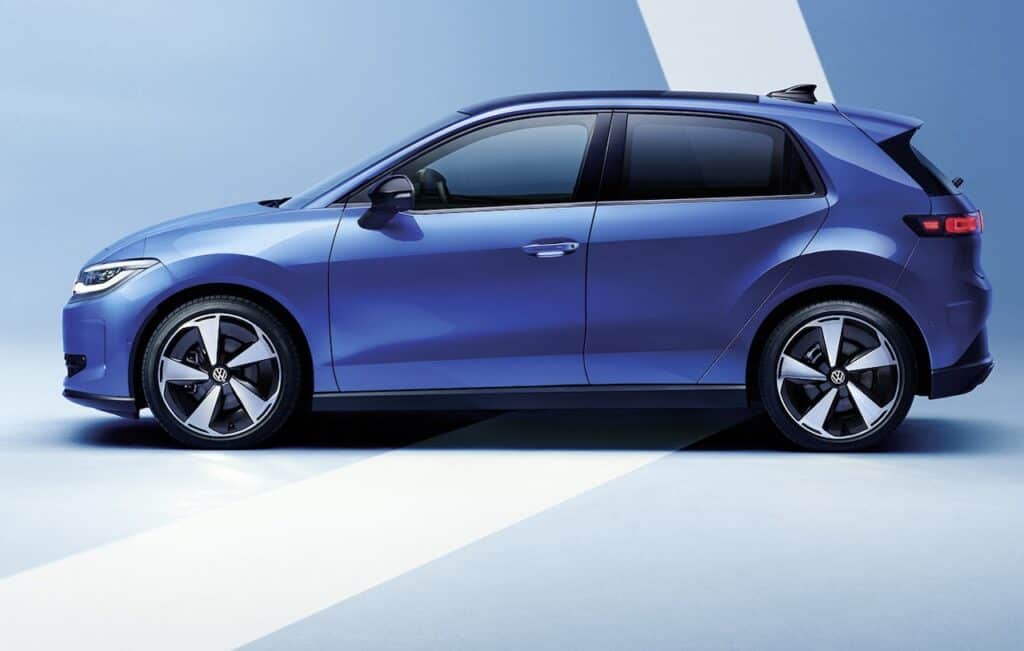
Set to be offered alongside the current combustion-powered Polo hatch, the all-electric ID. Polo measures 4053mm long, 1816mm wide and 1530mm tall, with a 2600mm wheelbase – almost identical to the petrol version – although its 441-litre boot is nearly 25 per cent larger.
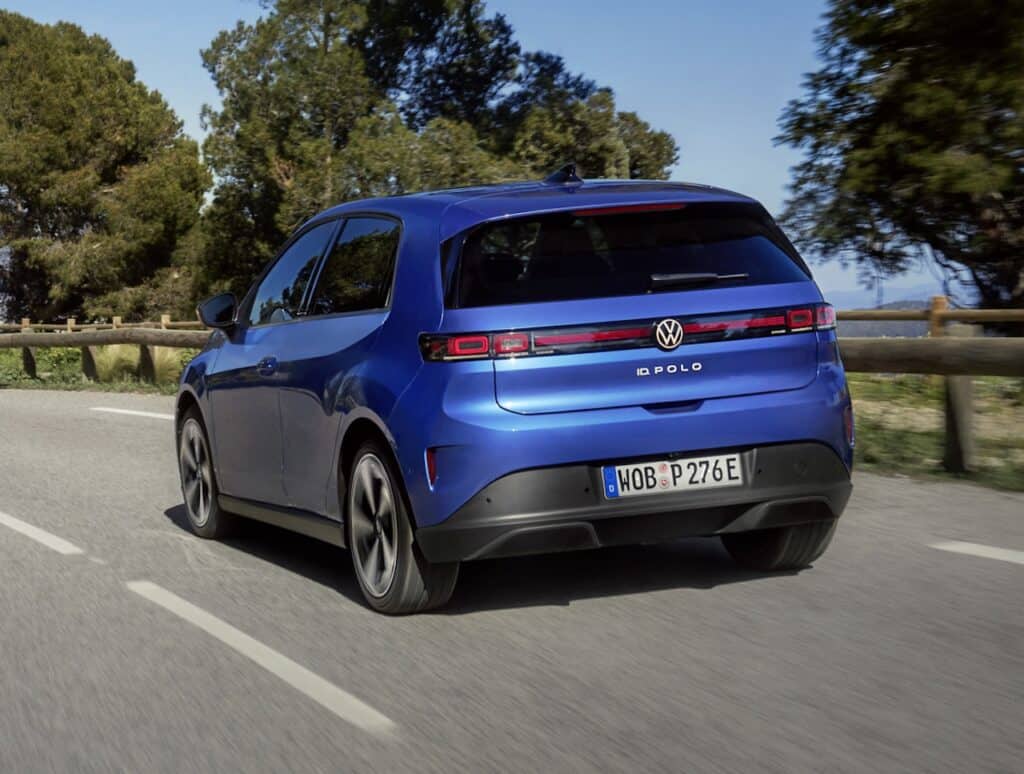
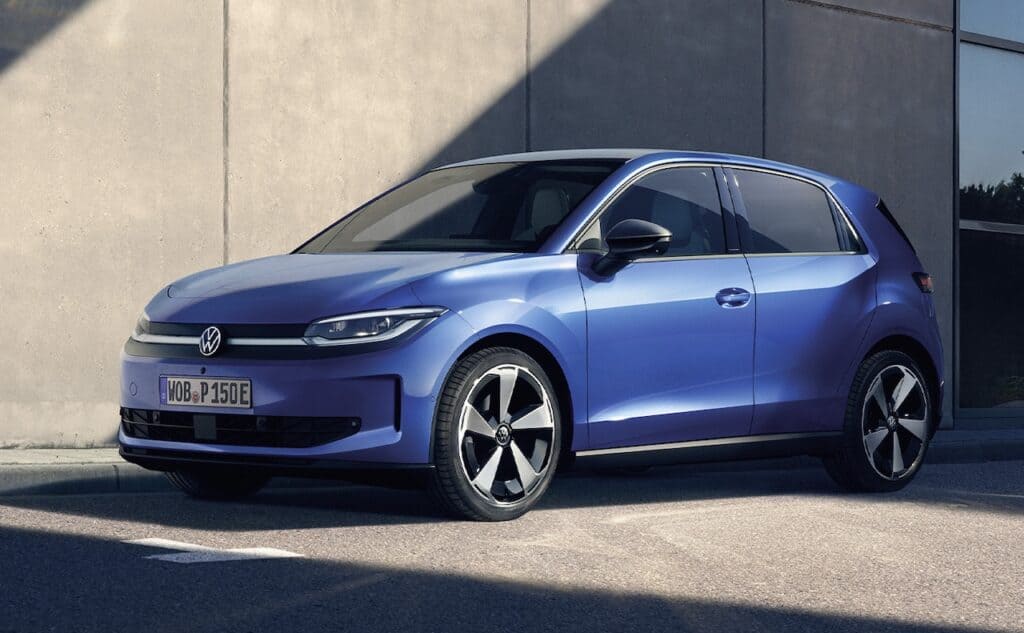
Styled to mimic classic hatchback proportions, designers have borrowed cues such as the C-pillar shape from the original Mk1 Golf, while adding a “friendly” front-end design, with all but the entry model featuring a full-width light bar.
Pronounced front and rear arches, a slim rear light bar and an illuminated rear badge add presence, while inside the ID. Polo continues the push for higher perceived quality through upgraded materials.
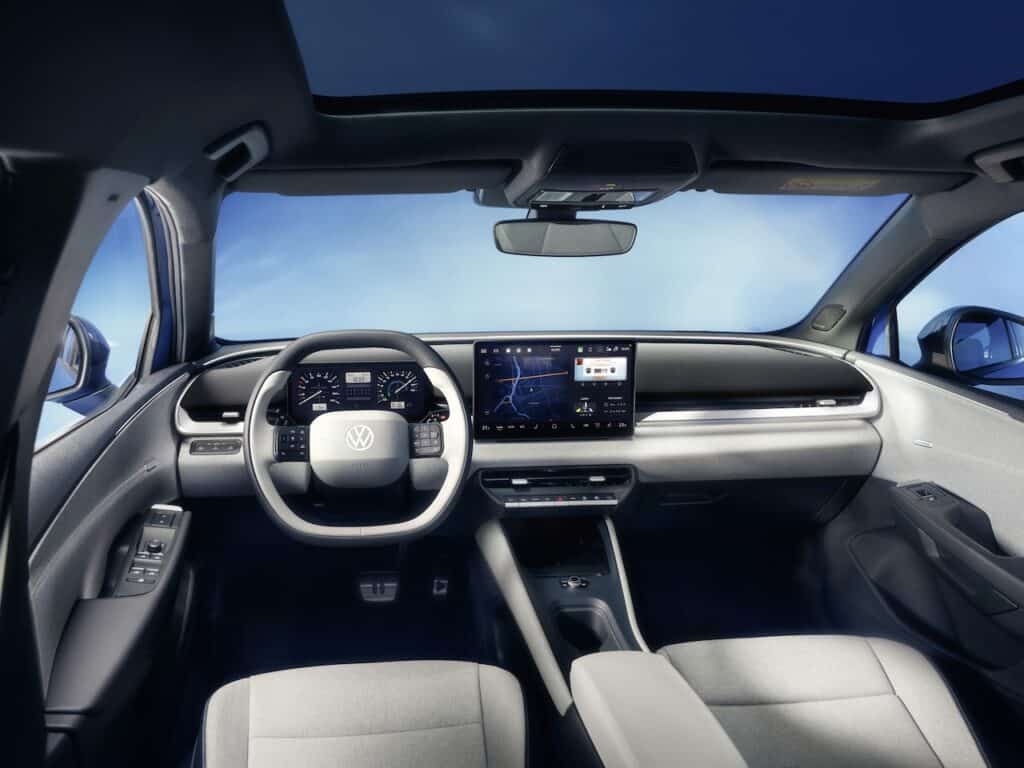
As standard, all models come with a 10.25-inch digital instrument cluster and a large 13-inch central infotainment screen, with the former offering an optional retro display that mimics the original Golf Mk1.
Based on Volkswagen’s updated MEB+ platform, which allows vehicle-to-load charging for devices such as laptops and e-bikes, the ID. Polo is offered with either a 37kWh LFP battery or a larger 52kWh NMC battery.
The smaller battery can be paired with either an 85kW or 99kW electric motor, delivering a claimed range of 315km or 329km respectively.
The larger battery features a front-mounted e-motor producing 155kW, enabling a driving range up to 454km and a 0-100km/h sprint time of 7.4 seconds.
Charging the 37kWh battery from 10 to 80 per cent takes around 23 minutes at up to 90kW DC, while the larger battery requires approximately 24 minutes at up to 105kW. AC charging is supported at up to 11kW.
New technology includes Volkswagen’s updated Connected Travel Assist system, which can now recognise traffic lights – claimed to be a first in its class – while one-pedal driving is also available.
While LED headlights are standard across the range, higher-spec models gain the brand’s IQ.Light LED matrix headlamps.
Options include a 10-speaker Harman Kardon 425-watt sound system, panoramic roof, and 12-way electrically adjustable seats with massage function.
Further down the track, a performance-focused ID. Polo GTI is expected to arrive. It’s alreday been previewed by the 2023 ID. GTI concept. Even hotter GTI Clubsport and a flagship all-wheel-drive ID. Polo R – tipped to produce up to 300kW using twin in-hub rear motors – are also under consideration.
While not yet confirmed for Australia, the ID. Polo is expected to be on Volkswagen Australia’s radar, with local executives indicating the small electric hatch is being evaluated for the market.