Dreame over! Chinese vacuum giant abandons EVs, killing ambitious 2027 Australian launch
Dreame Technology has abandoned its ambitious move into electric cars, killing plans to launch a new range of EVs in Australia as early as 2027.
The Chinese technology company, best known here for its robot vacuum cleaners and other smart-home products, has confirmed it will no longer pursue its automotive project as an independent business.
The shock reversal comes only a year after Dreame announced it was moving into cars and just five months after senior executives confirmed Australia and New Zealand would be among its first export markets.
READ MORE: Would you buy a car from Harvey Norman? New Chinese brand Dreame confirmed for Australia, and it will be very different to BYD, Geely and Zeekr
READ MORE: Phwoar-door: Dreame Nebula Next 01 is Chinese vacuum maker’s Porsche Taycan-humbling hyper-sedan that boasts some crazy new tech
READ MORE: Why the new Dreame EV is a nightmare for luxury car-makers: Chinese vacuum maker unveils first two gob-smacking – but familiar-looking – models
It comes six years after the UK vacuum maker Dyson abandoned its efforts to build EVs.
Dreame had been promising everything from mainstream electric SUVs aimed at BYD and Tesla to wild high-performance models featuring solid-state batteries, four-motor powertrains and even rocket-assisted acceleration.
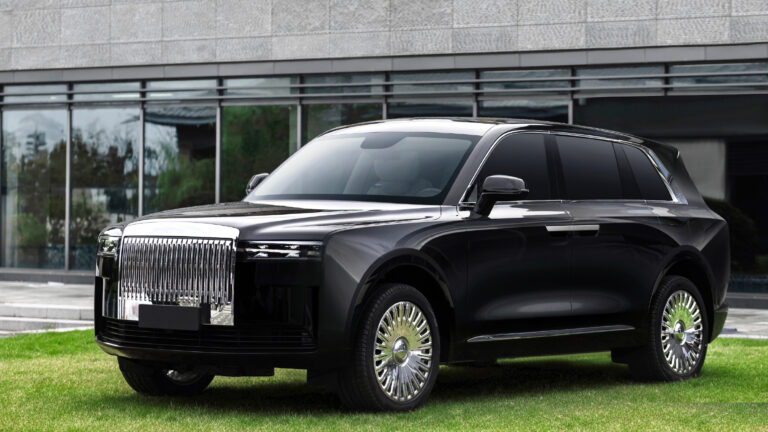
But none of them will now reach production under the plan Dreame had outlined.
According to a report by CarNewsChina, Dreame has effectively dismantled its automotive operation, which at its peak employed close to 1000 people.
Dreame subsequently confirmed the change of direction in a statement, saying it had reviewed factors including automotive research and development and production cycles, the level of sustained investment required and increasingly intense market competition.
“The company has decided not to advance the automotive project as an independent business unit at this stage,” Dreame said in a statement reported by Reuters.
That effectively ends what had been one of the most extraordinary proposed new entries into the Australian EV market.
Dreame executives confirmed in Shanghai in March that Australia and New Zealand were intended to become the company’s first right-hand-drive automotive markets, with an Australian launch targeted for early 2027.
Its initial local line-up was expected to include a small SUV, a medium SUV and a passenger model, with the vehicles pitched as relatively mainstream alternatives to EVs from BYD, Tesla and Toyota.
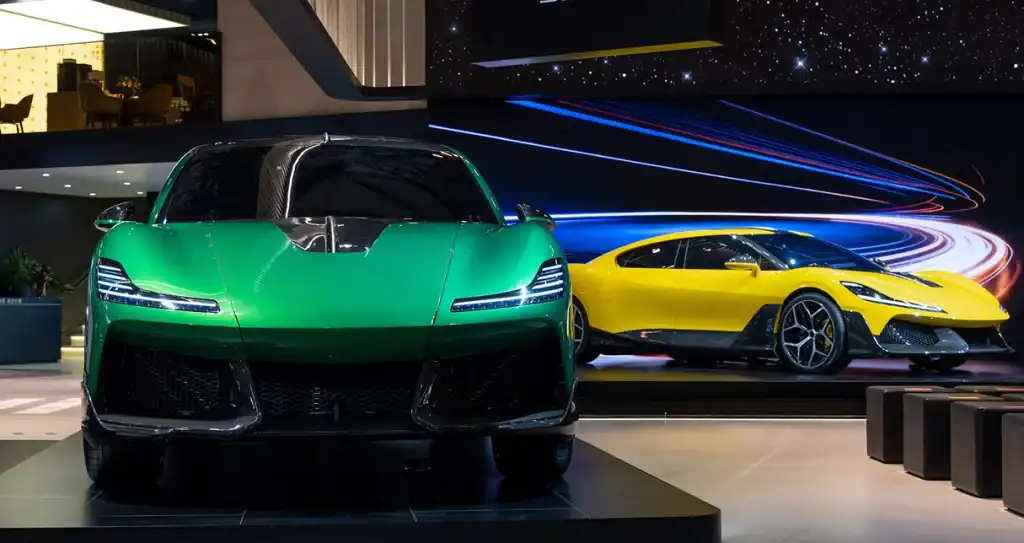
The company was even considering bypassing the conventional dealer model in Australia and potentially selling cars through consumer-electronics retailers such as Harvey Norman and The Good Guys.
Dreame Australia and New Zealand country manager James Moore told EV Central at the time the company already had about 700 retail distribution points across its existing floor-care, smart-home and beauty businesses.
“We’re not afraid of going left-field,” Moore said of the possibility of unconventional car distribution.
The mainstream EVs were only one part of Dreame’s extraordinarily ambitious automotive plan.
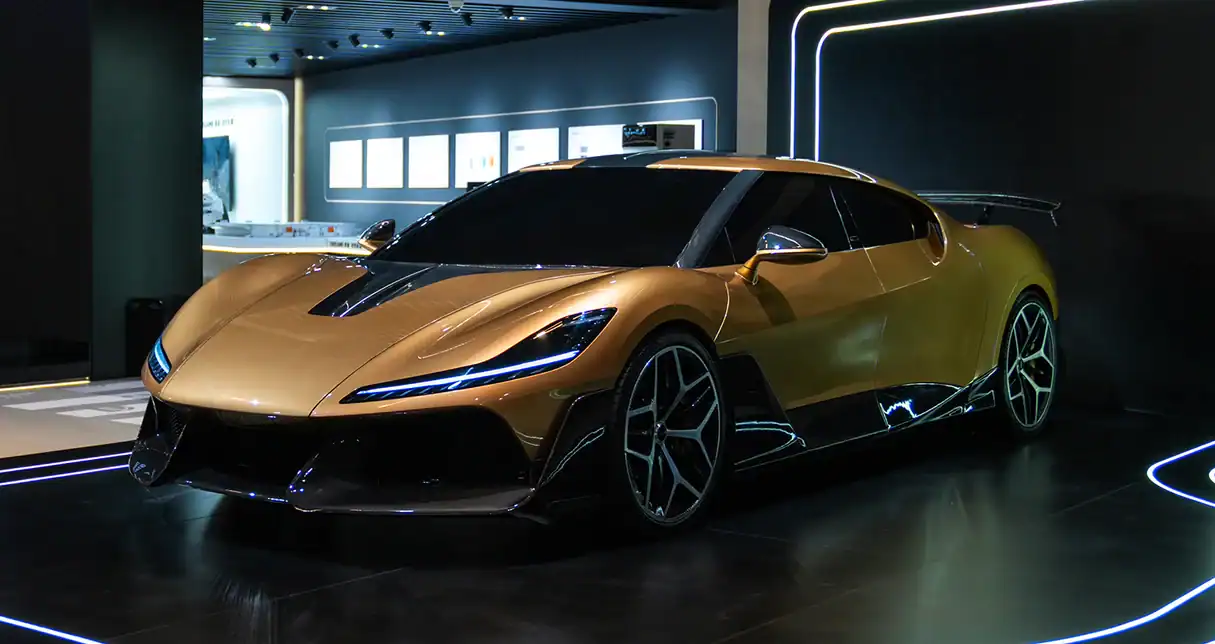
Its Nebula Next performance operation had produced a succession of increasingly spectacular concepts, including the four-door Nebula Next 01 revealed at CES in Las Vegas in January.
That car was claimed to use four electric motors producing a combined 1399kW and to accelerate from 0-100km/h in just 1.8 seconds.
Dreame later went considerably further with the Nebula Next 01 Jet Edition, unveiled in San Francisco in April.
It was claimed to combine a sulphide-based solid-state battery exceeding 450Wh/kg with two solid rocket boosters delivering as much as 100kN of thrust, helping produce a claimed 0-100km/h time of just 0.9 seconds.
CarNewsChina now reports, citing former employees and Chinese media reports, that there was considerably less substance behind some of Dreame’s spectacular automotive demonstrations than the company’s public claims suggested.
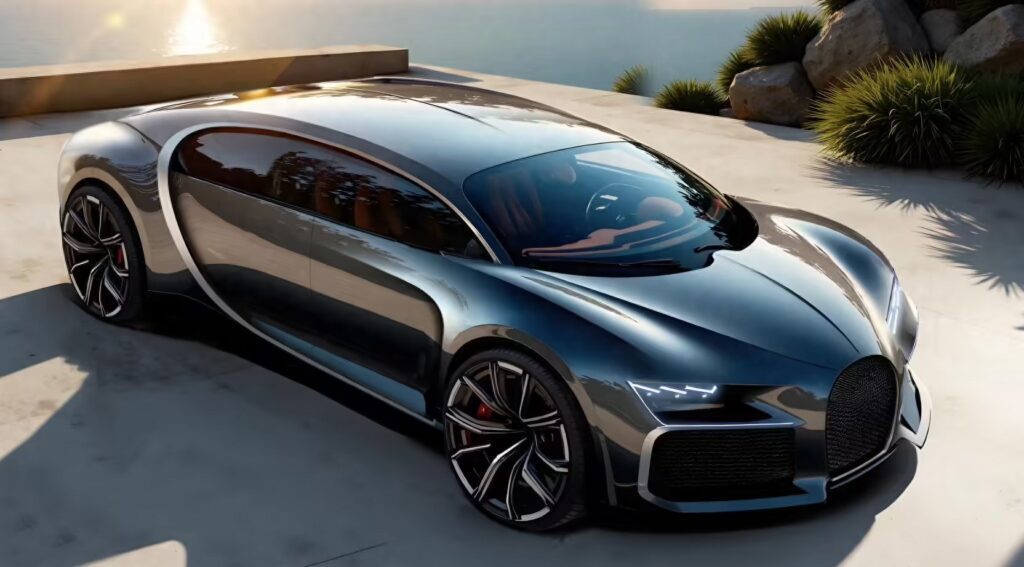
The report says a supercar displayed at CES lacked a functioning chassis, while the later “Rocket Car” was allegedly based on a model commissioned from a Shanghai company and modified to produce its dramatic demonstration.
CarNewsChina also reports Dreame’s automotive workforce had been steadily cut since May to only a few dozen staff, predominantly working in finance, legal and human resources to wind down the operation.
Dreame says automotive technology and intellectual property developed through the project could instead be redirected into other parts of its business.
The company is now concentrating on four main areas spanning smart-home products, outdoor products, smart mobility including electric two-wheelers, and robotics.