Suzuki wants tiny e Sky EV for Australia: Affordable electric mini could set price benchmark and help meet NVES targets
Suzuki Australia is pushing to bring the tiny new e Sky electric car Down Under, arguing the pint-sized EV could deliver the value and accessibility the Japanese brand is known for while helping it meet increasingly stringent Australian emissions regulations.
The Suzuki e Sky has yet to be officially confirmed for Australia, but the local operation has now expressed “strong interest” in the battery-electric kei car and believes it could be a competitive addition to its line-up.
“We are aware that overseas-specification models are currently under development, however at this stage there is no confirmation regarding availability for the Australian market,” Suzuki Australia General Manager Automobile Michael Pachota said.
READ MORE: Suzuki e Vitara priced: Small electric SUV arrives under $47K, but rises are coming!
READ MORE: 2026 Suzuki e-Vitara Review: Japanese brand’s first EV has some familiar traits, but lacks the price focus of BYD, Jaecoo and MG
READ MORE: Suzuki’s Aussie electrified overhaul! Cheap mild-hybrid Suzuki Fronx coming soon, electric Suzuki Vitaras will be here in 2026
“From Suzuki Australia’s perspective, we have expressed strong interest in this model and believe it could be a very compelling addition to our local line-up.
“We see significant potential for it to compete strongly within its segment, particularly through Suzuki’s traditional strengths of value, efficiency and accessibility.”
Perhaps more significantly, Pachota confirmed the zero-emissions e Sky could have an important role to play in helping Suzuki comply with Australia’s New Vehicle Efficiency Standard (NVES).
“Importantly, vehicles of this nature could also play a valuable role in supporting our product strategy as we work towards meeting Australia’s New Vehicle Efficiency Standard (NVES) requirements in the coming years,” he said.
“We will continue to work closely with Suzuki Motor Corporation regarding opportunities for the Australian market and look forward to sharing further information should the model be confirmed for Australia.”
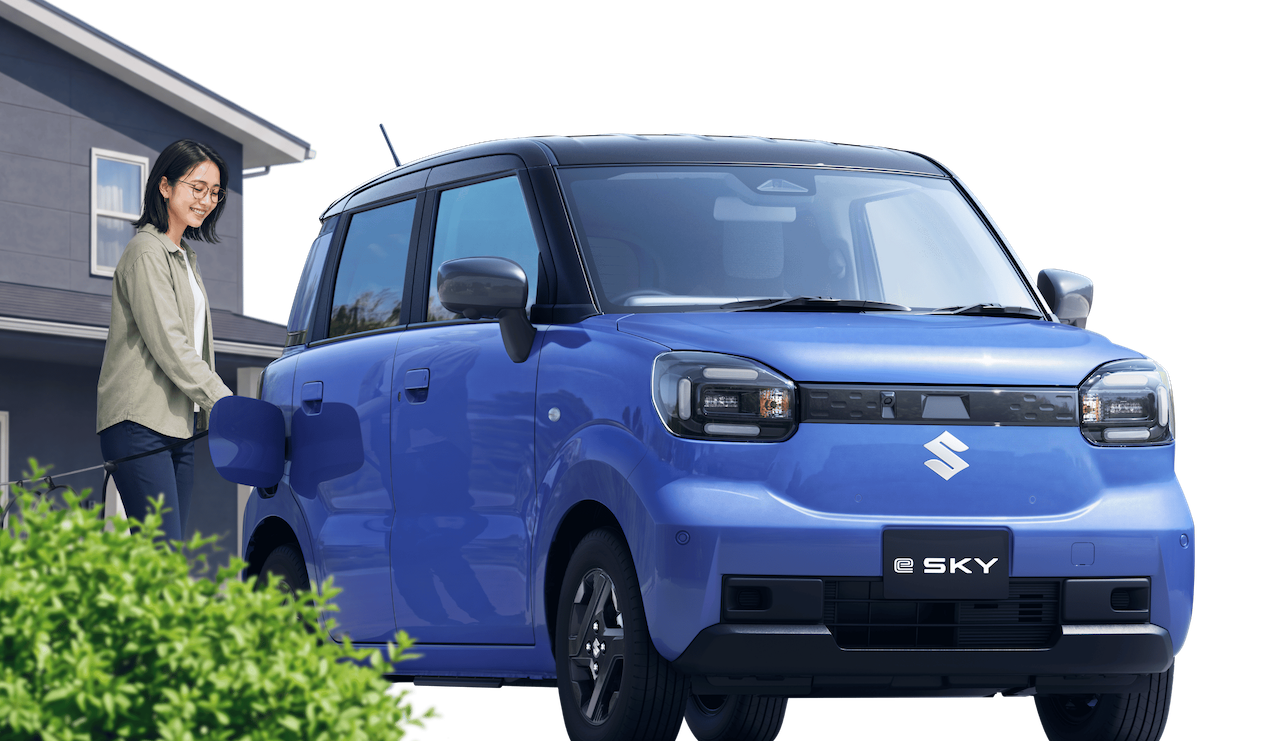
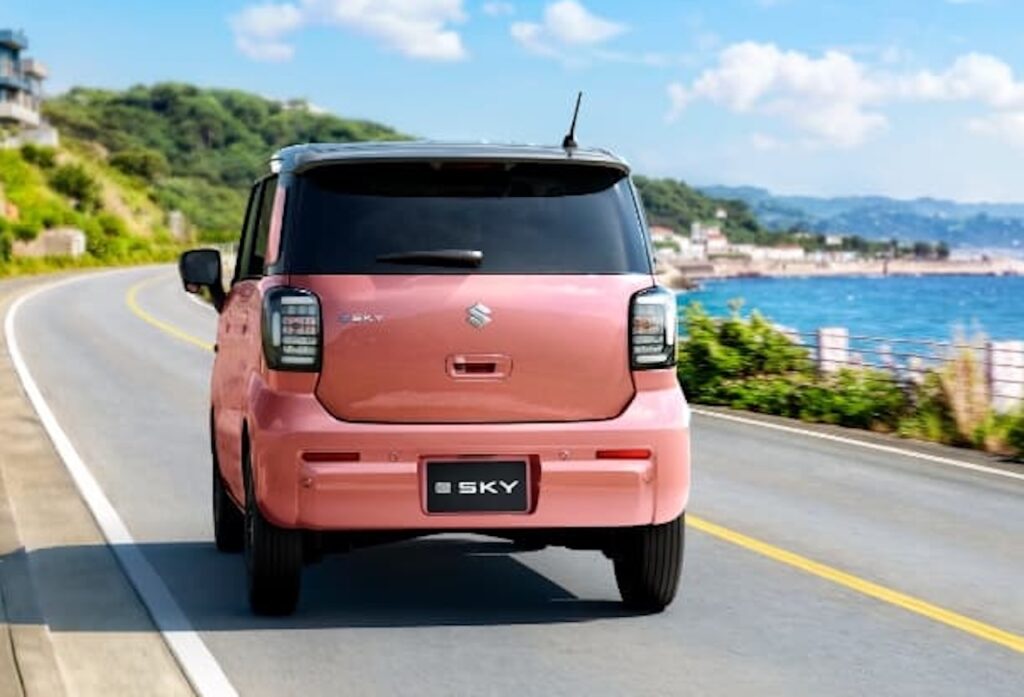
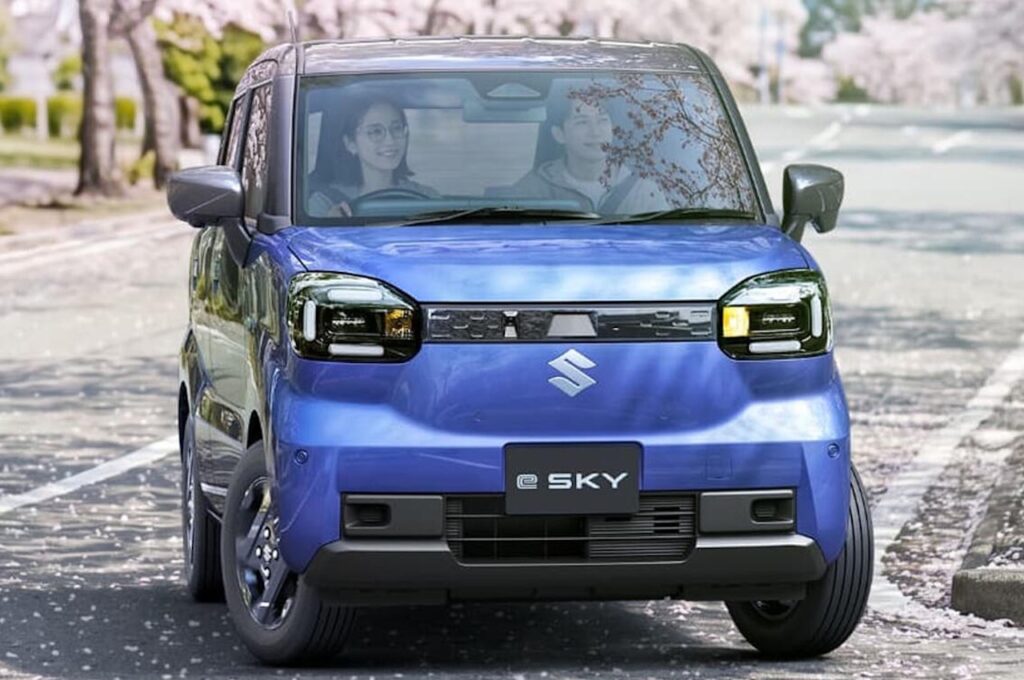
The e Sky is Suzuki’s new battery-electric kei passenger car and the production evolution of the Vision e-Sky concept revealed at the 2025 Japan Mobility Show.
At around 3395mm long, 1475mm wide and 1625mm high, it is tiny even by Australian city-car standards and considerably shorter and narrower than most of the affordable EVs currently sold here.
Its diminutive dimensions could also make the e Sky an intriguing rival for the Honda Super-One, another tiny Japanese EV that has already been confirmed for Australia.

However, while the Suzuki conforms to Japan’s tightly regulated kei-car dimensions, the wider Honda Super-One is based on a kei car but has been developed for export markets including Australia.
Suzuki has previously said the Vision e-Sky was being developed with a driving range of more than 270km, while more recent information surrounding the production car points to a range of about 300km.
The e Sky is expected to use a relatively small battery, keeping weight, cost and energy consumption down in keeping with Suzuki’s traditional small-car philosophy.
That could become particularly important if the e Sky reaches Australia, where the bottom end of the EV market is rapidly becoming more competitive.
Chinese brands have driven EV pricing sharply lower, led by the BYD Atto 1 at $23,990 plus on-road costs, while the incoming Honda Super-One is officially Australia’s cheapest Japanese EVs.
Pricing for the e Sky has not been announced for Australia because the car remains unconfirmed, but a competitive positioning would give Suzuki an electric alternative at the affordable end of the market rather than attempting to take on larger and more expensive electric SUVs.
The NVES federal scheme sets increasingly stringent CO2 targets across a manufacturer’s new-vehicle fleet, meaning the addition of a battery-electric model can help offset emissions from petrol-powered vehicles.
That is potentially significant for Suzuki, whose Australian range continues to rely heavily on petrol-powered small cars and SUVs including the Swift, Fronx, Vitara and Jimny.
Suzuki Motor Corporation has already begun its transition to battery-electric vehicles with the larger e Vitara, developed alongside the Toyota Urban Cruiser.