CATL accelerates sodium-ion battery development, announces new battery with 600km range will enter production this year
The world’s largest battery producer, CATL, has announced it is pushing ahead with plans to mass-produce within 2026 a sodium-ion battery capable of delivering a driving range of up to 600km.
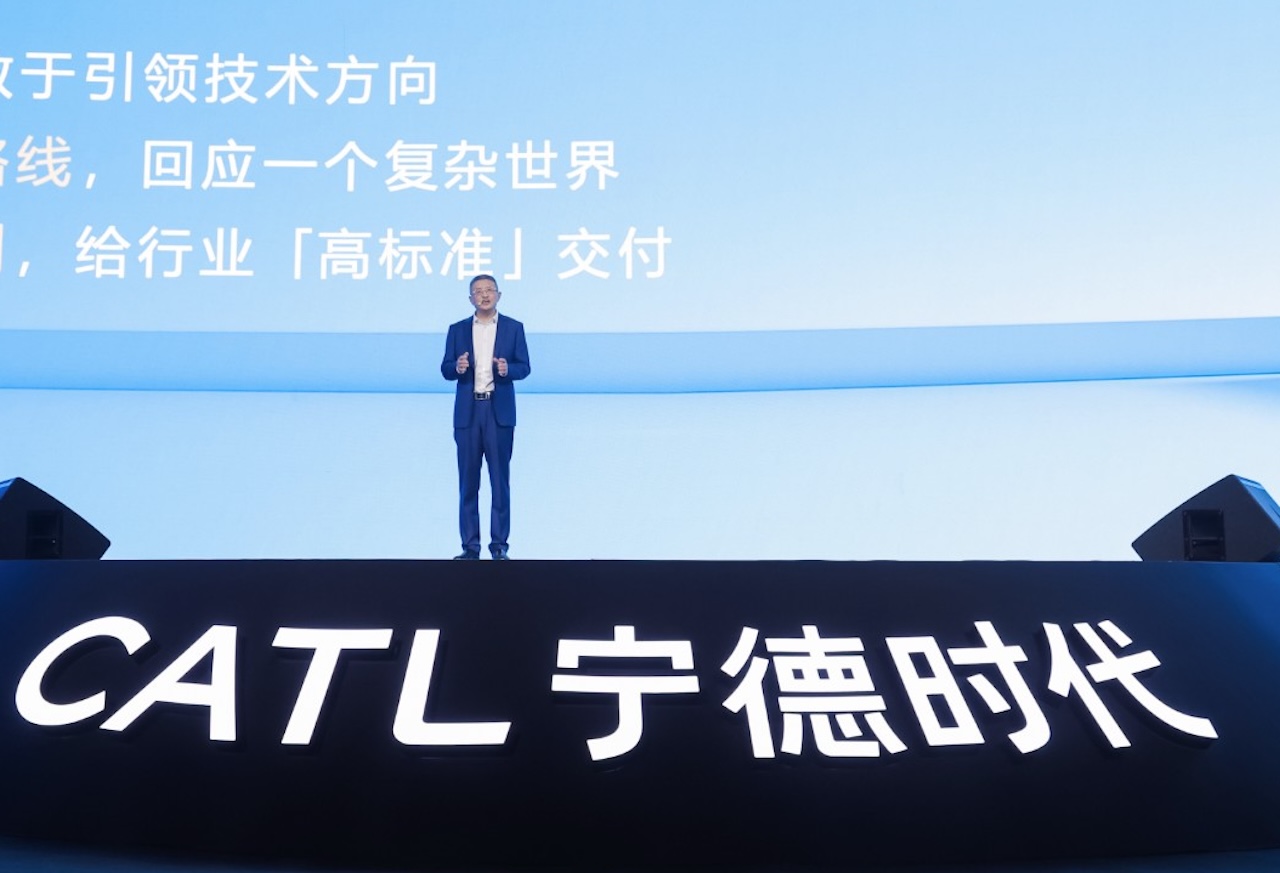
According to Wu Kai (pictured top), chief scientist at CATL, previous manufacturing bottlenecks have eased and mass production can now begin, with the sodium-ion batteries destined for passenger vehicles, commercial vehicles, battery-swapping networks, the national grid and stationary energy storage.
Attracted by the abundance of raw materials that can be sourced from seawater or rock salt, sodium-ion batteries are between 30 and 40 per cent cheaper to produce than equivalent lithium-iron phosphate (LFP) batteries, although they currently have a lower energy density.
READ MORE: Multiple battery breakthroughs! Why CATL’s three new batteries could change electric cars as we know them
READ MORE: Radical EV shift! Battery giant CATL says sodium-ion tech will be on sale by late 2025
READ MORE: BYD’s radical breakthrough! Next-gen Blade battery 2.0 is as fast to top up as petrol: 10-70 per cent charge will take just five minutes!
While an LFP battery typically has an energy density ranging from 180-200Wh/kg, the current generation of sodium-ion cells sits between 100-175Wh/kg. However, battery makers such as CATL are expected to improve this in the near future.
At the upper end of the market are ternary lithium-ion cells, used in long-range and higher-performance EVs, which typically average between 250 and 300Wh/kg.
Next-generation solid-state batteries could significantly exceed this, with projections ranging from 300 to 800Wh/kg.
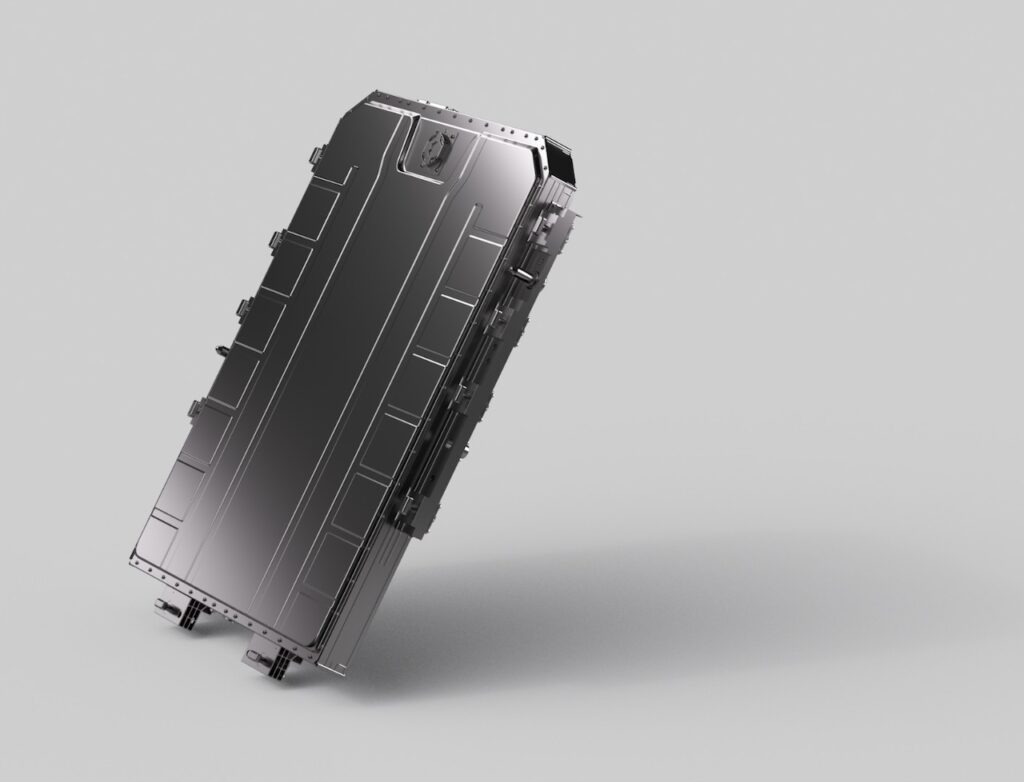
In some conditions, particularly extreme cold, sodium-ion cells outperform other battery chemistries, retaining up to 90 per cent of their capacity at temperatures as low as -40°C.
CATL’s faith in the more sustainable sodium-ion technology is remarkable, considering the company already commands a leading 46.6 per cent share of the Chinese battery market.
As well as investing in sodium-ion technology, CATL has also detailed its development of lithium-air battery technology, which deploys a lithium negative electrode and atmospheric oxygen as the positive reactant.
The open-cell architecture draws oxygen directly from the atmosphere, rather than relying on a heavy and expensive chemical host contained within a sealed battery pack.
Combined, the reaction produces lithium peroxide, which is said to maximise energy density beyond even solid-state batteries. Some analysts predict lithium-air cells could ultimately become the true successor to LFP batteries.
The attraction of the new technology is that, in addition to reducing weight, it should also be substantially cheaper to produce, aside from the cost of sourcing lithium.