Xiaomi adds first family SUVs: SkyNomad PHEV offers swivelling seats, up to 505km claimed EV range
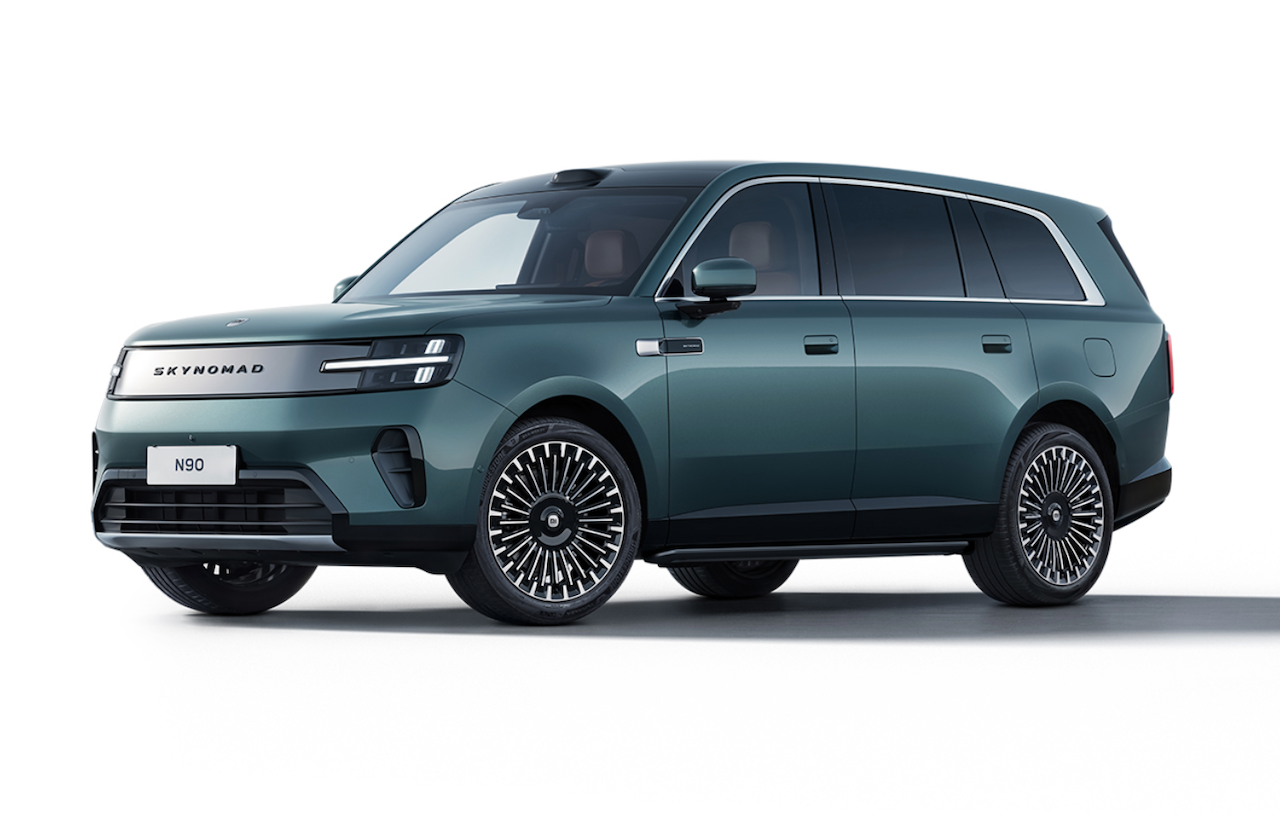
More details have dropped about the new SkyNomad N70 and N90 SUVs from one of China’s hottest brands, Xiaomi.
The range-extender pair made their first major motor show appearance at Chengdu, providing a closer look at two family-focused models that represent a dramatic change of direction from the sporty battery-electric SU7 sedan and YU7 SUV that established Xiaomi as a serious automotive player.
And while the five-seat N70 and seven-seat N90 use petrol engines, thanks to enormous batteries they provide up to 505km of claimed electric-only range.
READ ONLY: Cop that Germany: Xiaomi YU7 GT EV shapes up for international sale by clinching new Nurburgring SUV lap record
READ ONLY: That’s crazy! 2026 Xiaomi SU7 EV becomes one of the fastest selling cars of all time
READ ONLY: Is Australia next? China’s controversial Xiaomi announces European expansion. BMW and Benz targeted with its super-fast EVs, cheap pricing and pioneering tech
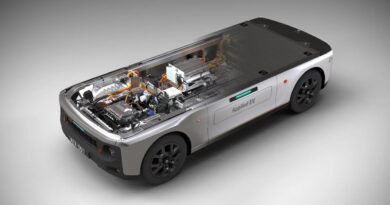
Both sit on Xiaomi’s new Kunlun architecture and use a 1.5-litre turbo-petrol engine purely as a generator rather than mechanically driving the wheels.
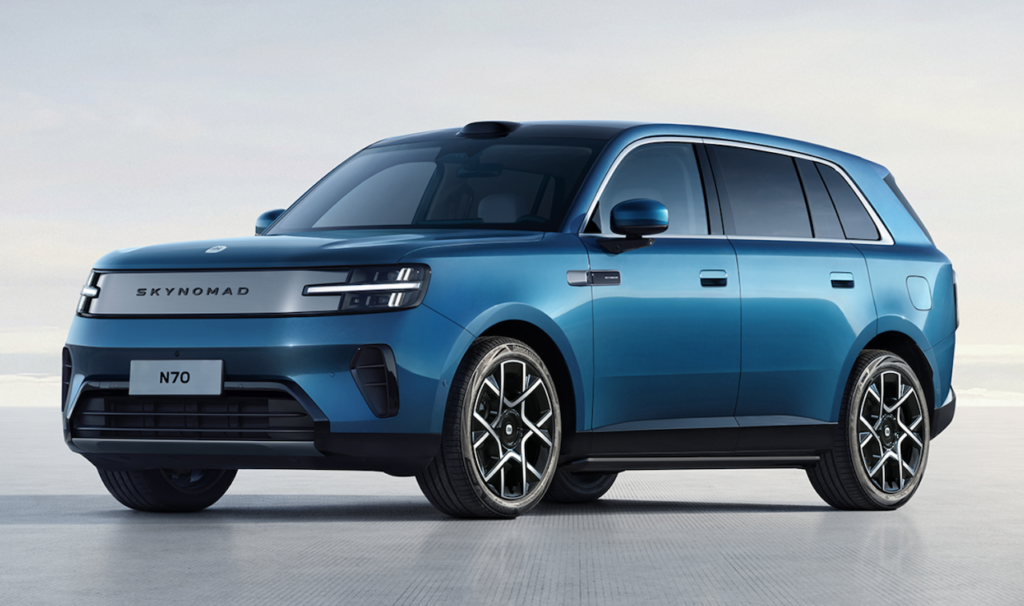
The flagship Max versions combine 210kW and 100kW electric motors for 310kW all-wheel drive, backed by a huge 76kWh ternary lithium battery supplied by CALB.
Xiaomi claims up to 505km of electric range under China’s optimistic CLTC test, while regulatory figures list more realistic WLTC electric ranges of 370-380km for the N70 and 363km for the larger N90.
That means owners with regular access to charging could potentially drive either SkyNomad as an EV for most everyday uses, with the petrol range-extender only required for longer journeys.
Xiaomi claims up to 1461km of combined range for the N70 Max, while the larger N90 Max can stretch that to as much as 1705km.
The N70 is the smaller of the pair, although at 4960mm long, 1998mm wide and 1785mm high on a 2950mm wheelbase it is still firmly in large-SUV territory.
The N90 stretches to 5285mm long, 1998mm wide and 1825mm high with a substantial 3080mm wheelbase, putting it into the same dimensional territory as full-size luxury SUVs.
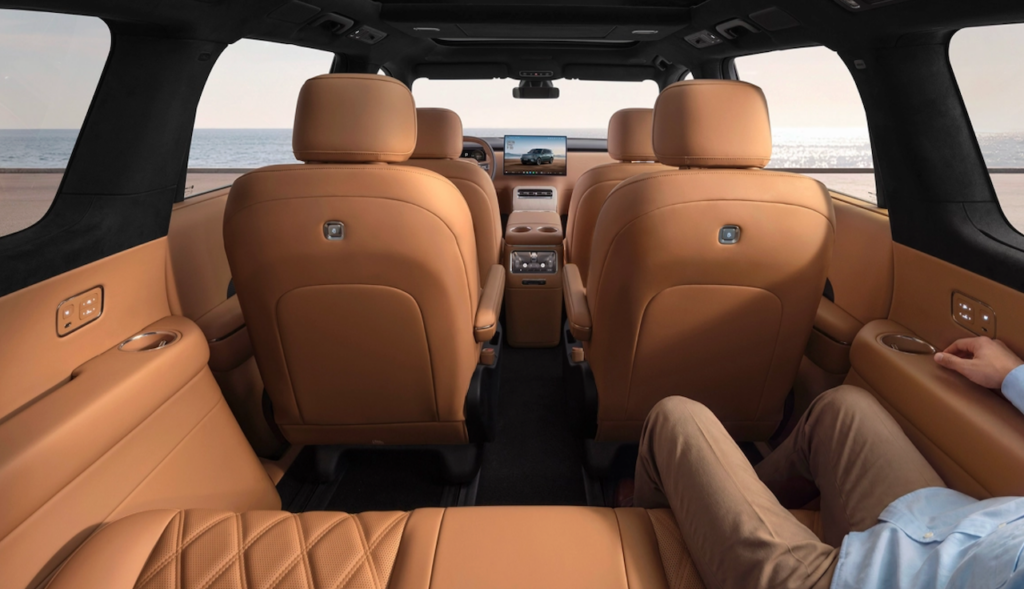
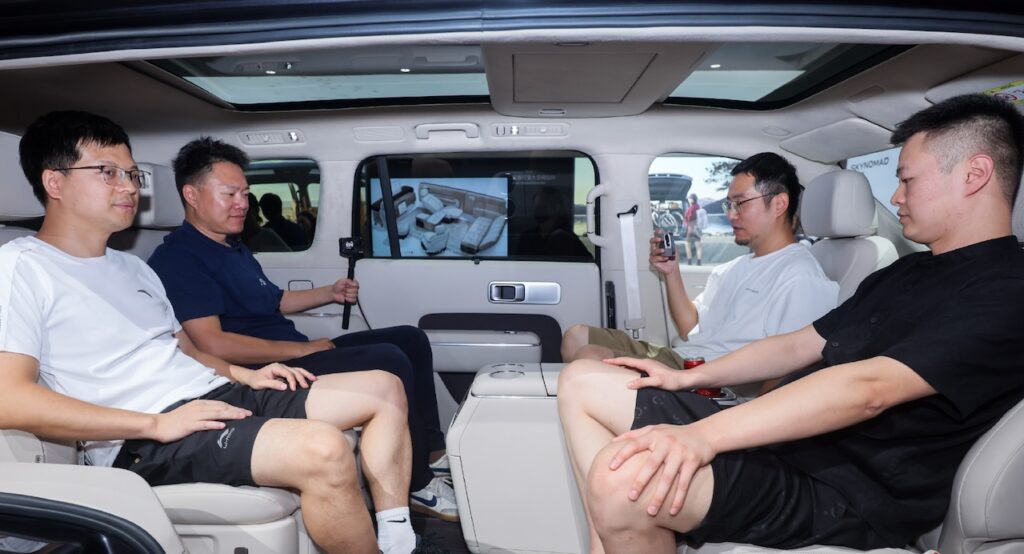
Both demonstrate Xiaomi’s technology-company roots with a 16.1-inch central touchscreen, 8.8-inch driver display, large head-up display and a 21.4-inch 3K rear entertainment screen available on the N90.
One of the more unusual features is the ability to swivel the front seats through 180 degrees when stationary, creating a lounge-like interior arrangement.
The N90 also offers adaptive air suspension with variable damping, double-wishbone front and five-link rear suspension, while its extensive driver-assistance hardware includes LiDAR, millimetre-wave radar, cameras and ultrasonic sensors.
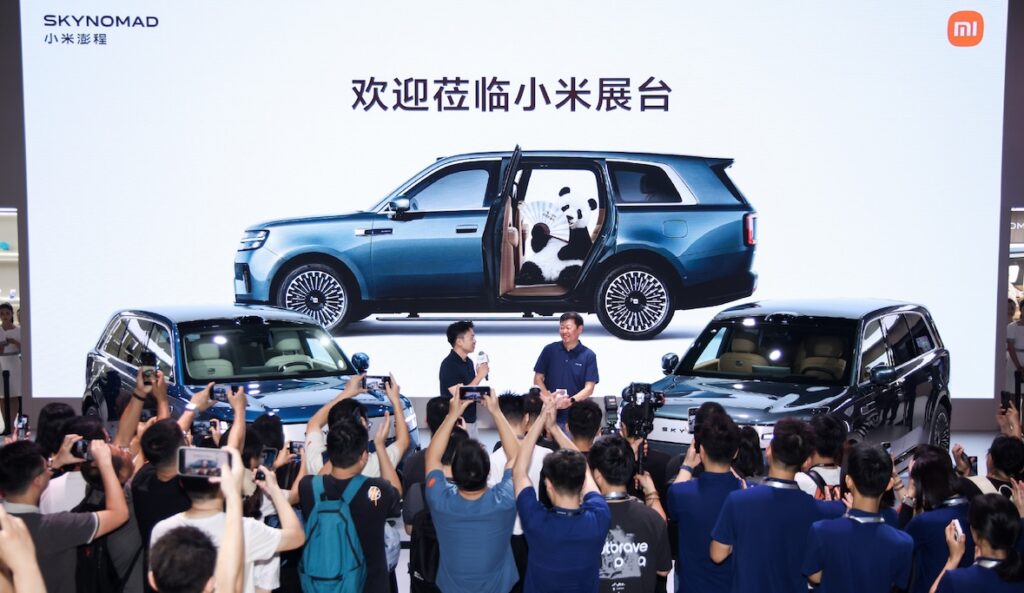
Xiaomi has already opened Chinese pre-orders, with the N70 Max priced from 259,900 yuan – about $A55,000 – and the N90 Max from 299,900 yuan, or around $A63,000 at current exchange rates.
Those are pre-sale prices for the flagship Max versions rather than the complete ranges, with cheaper Pro and standard variants due to be detailed when the SkyNomads officially launch in China in September.
The pricing also provides some idea of how aggressively Xiaomi intends to compete. The N90 Max starts below the 339,000-yuan Tesla Model Y L in China, while the N70 Max sits close to the 249,800-yuan Li Auto L6.
Demand doesn’t appear to be a problem. Chinese reports suggest SkyNomad reservations may already have exceeded 100,000 less than three weeks after pre-orders opened, although that figure has not been independently verified.
The frustrating bit for Australian EV buyers is that Xiaomi still doesn’t sell cars here.
The electronics giant has made clear it has international ambitions for its rapidly expanding automotive business, but there is no confirmed Australian launch or timing for the N70, N90 or any other Xiaomi vehicle.