Three-row Lexus TZ EV looking good for Australia: Kia EV9 and Volvo EX90 fighter to be built in right-hand drive
The three-row, all-electric Lexus TZ has been announced for right-hand-drive markets, following the launch of the large Volvo EX90 and Kia EV9 rival in Japan.
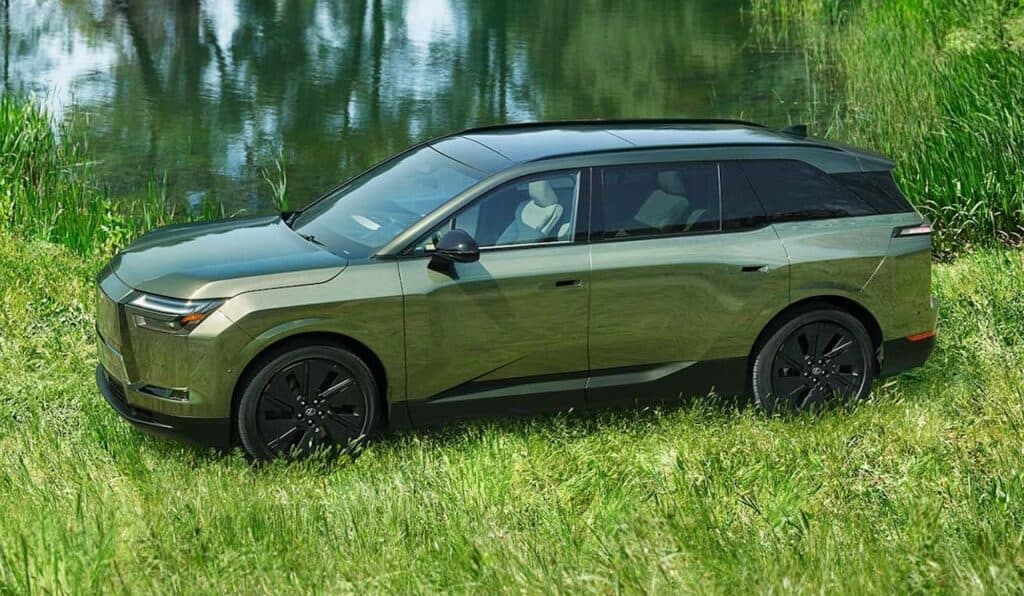
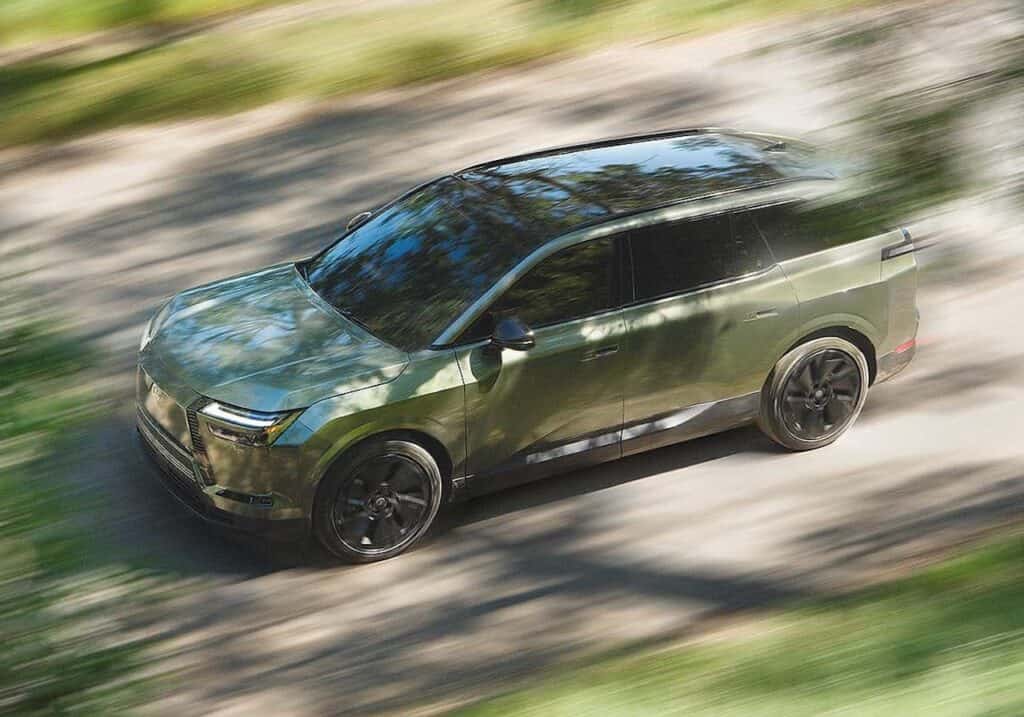
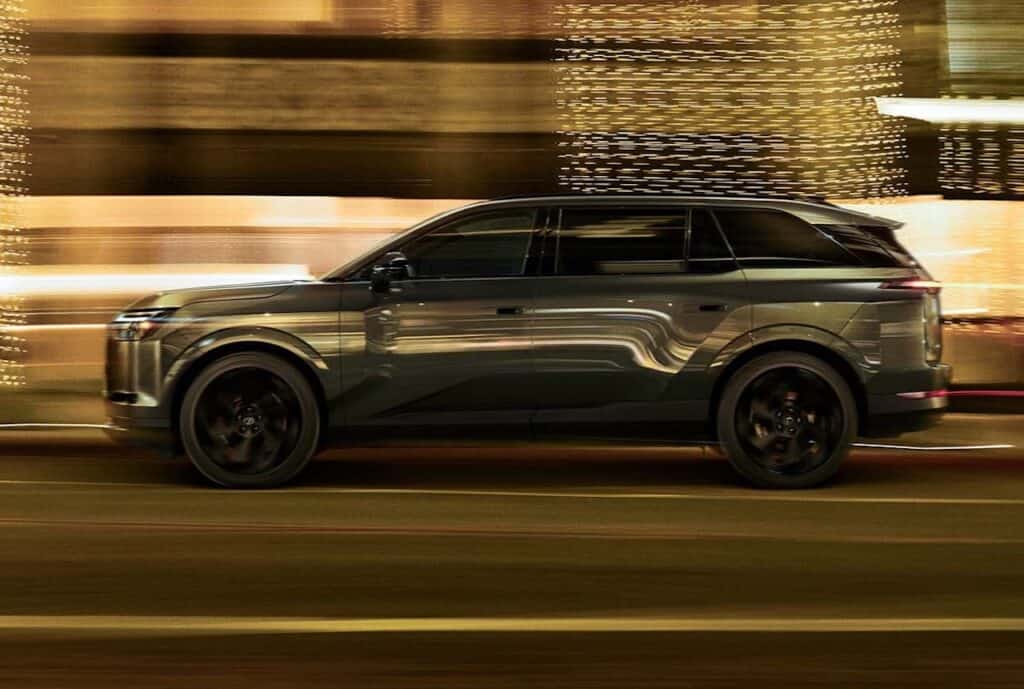
Measuring an imposing 5100mm long, 1990mm wide and 1705mm tall, with a generous 3050mm wheelbase, the new SUV is heavily based on the Toyota Highlander (or Kluger in Australia) and Subaru Getaway large SUVs sold in the US.
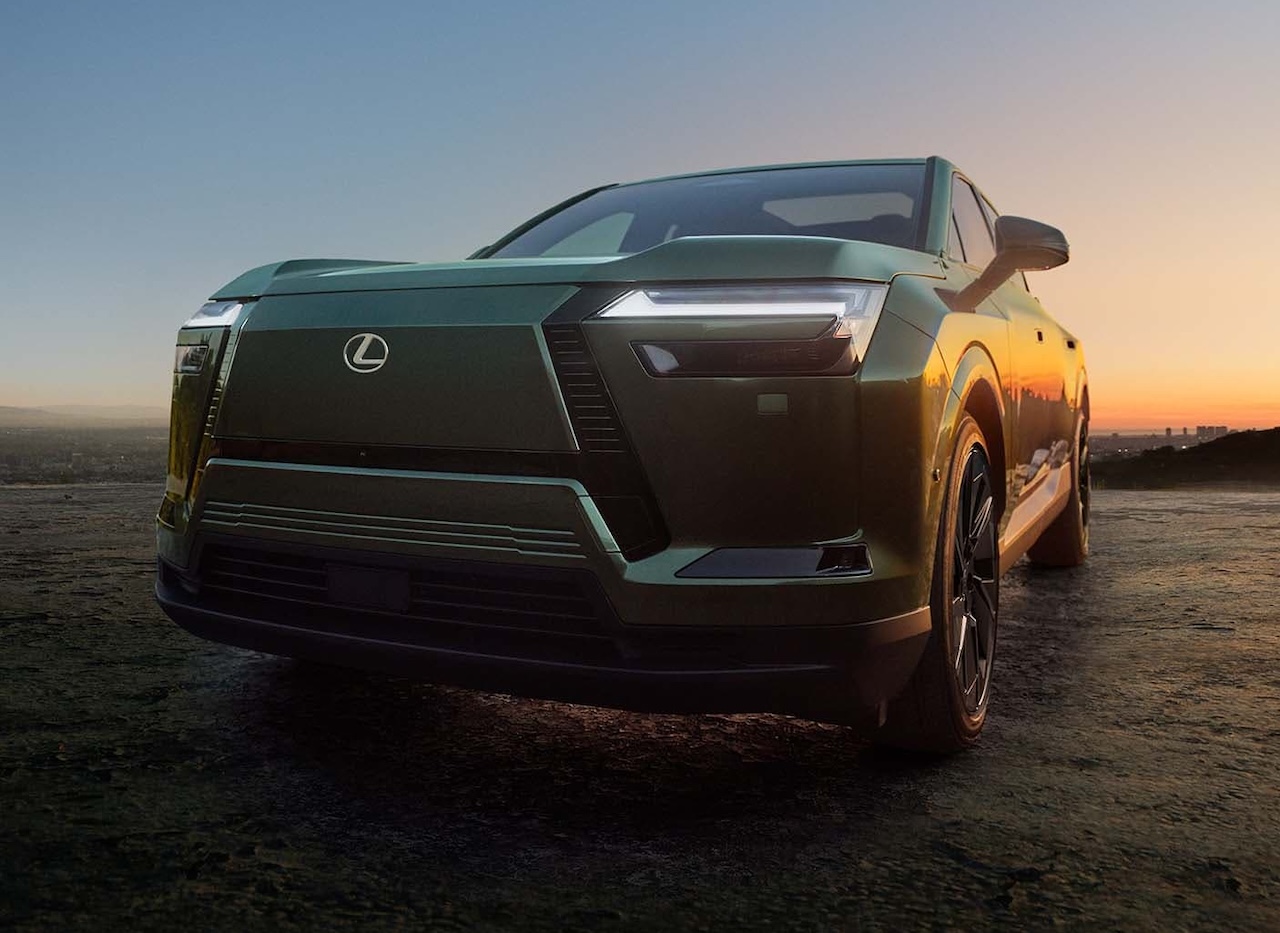
Adopting a design heavily influenced by the Lexus GX and LX sold in Australia, the new TZ blends slim front lamps with a blocky overall look, without even attempting to incorporate the brand’s traditional spindle grille.
READ MORE: 2026 Lexus RX 500h F Sport Performance Review: It’s a very nice Lexus, but not quite what its name suggests
READ MORE: And the latest Tesla Model Y Performance rival is … a Lexus. Yep, you read that right, Lexus!
READ MORE: Electric overhaul: Meet the next-gen Lexus LFA supercar that trades its petrol-sucking V10 for state-of-the-art EV power
The squared-off styling continues at the rear, where there is a slim full-width light bar, while buyers will be offered a choice of 20- or 22-inch alloy wheels.
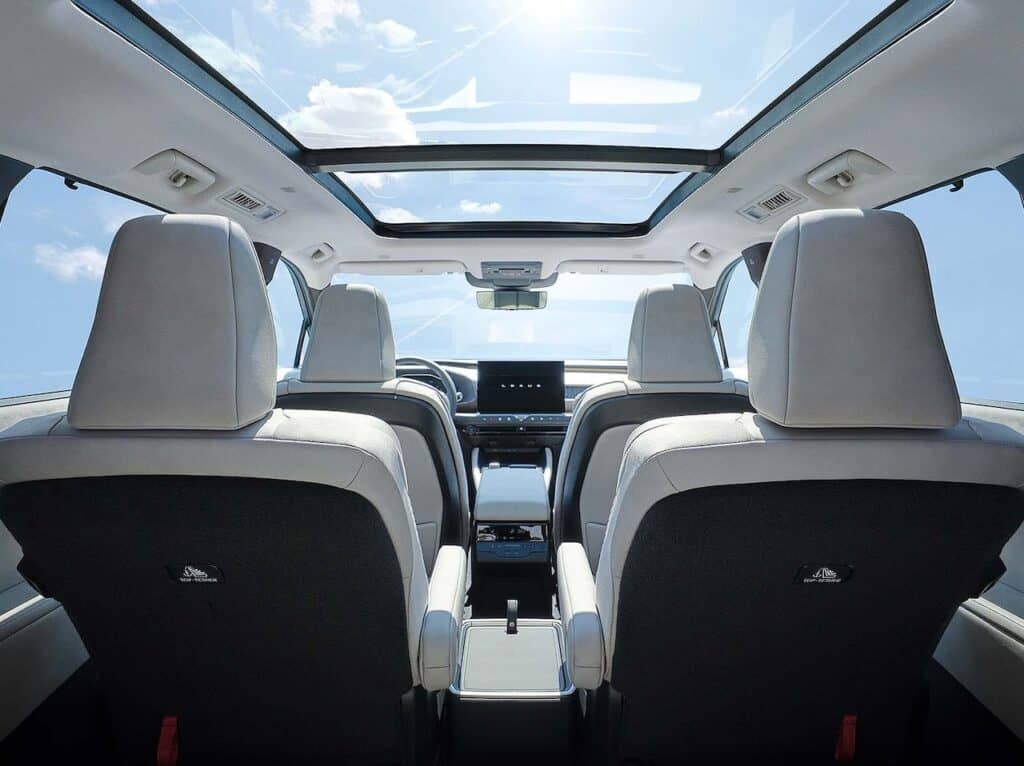
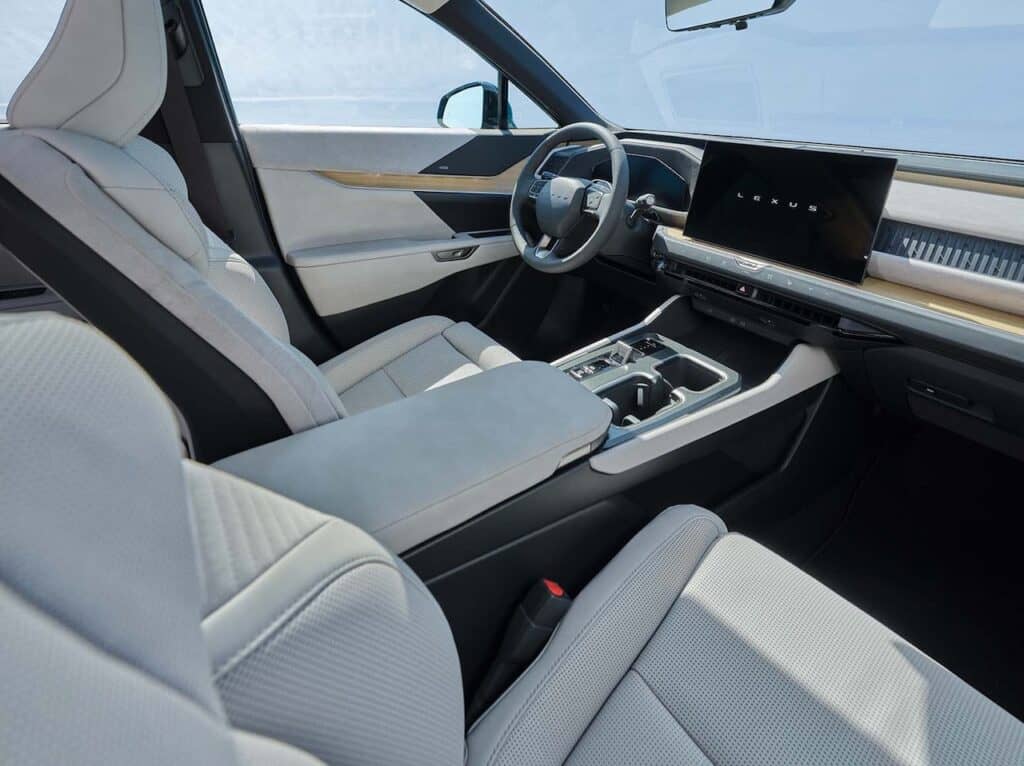
Inside, there is a 2+2+2 seating arrangement, with second-row occupants treated to the most luxurious seats, including heating, ventilation and ottoman-style leg rests.
Up front, the driver and front passenger face a large 14.5-inch infotainment touchscreen paired with a 12.3-inch digital instrument cluster.
Below the screen sits a row of shortcut buttons, along with separate controls for the start-stop button and hazard lights, plus a traditional rotary volume knob.
Helping boost the feeling of luxury is the liberal use of materials Lexus calls ‘forged bamboo’ and recycled aluminium.
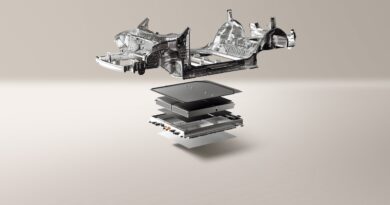
For now, just one powertrain is being offered in the Lexus TZ — a dual-motor all-wheel-drive set-up producing 300kW, paired with a 95.8kWh battery.
Off the line, 0-100km/h takes a claimed 5.4 seconds, while steering wheel-mounted paddles and virtual gearshifts are designed to add extra driver engagement, especially when paired with a soundscape inspired by the original Lexus LFA supercar.
On the European WLTP test cycle, Lexus claims the TZ can travel up to 530km on a single charge — slightly more than the 512km claimed for the 283kW Kia EV9 AWD, but well short of the 617km offered by the 335kW Volvo EX90.
Charging also trails both rivals. The Lexus TZ uses a 400-volt electrical architecture that limits DC fast charging to 150kW, with a 10-80 per cent recharge taking a claimed 35 minutes — notably slower than the 22 minutes claimed for the Volvo EX90.
Helping the large SUV feel more agile than its dimensions suggest, the TZ features rear-wheel steering that cuts the turning circle to a small car-like 5.4 metres.
Boosting comfort is a new drive mode that coordinates the rear-wheel steering, front brake balance and all-wheel-drive system to minimise pitch, dive and body movement for a smoother and more relaxing ride.
Refinement is also claimed to be a key focus, while a large panoramic glass roof is designed to flood the cabin with natural light.
For buyers wanting more entertainment, a 21-speaker premium audio system is available as an option.
Boot space is limited to 290 litres with all six seats in place, but expands to 2017 litres with the second and third rows folded flat.
No official announcement has yet been made regarding the Lexus TZ for the Australian market, but if approved for local sale, it could arrive around the same time UK deliveries begin in early 2027.