BYD’s new 850km electric SUV revealed: Third-gen Tang packs five-minute charging and luxury-car tech
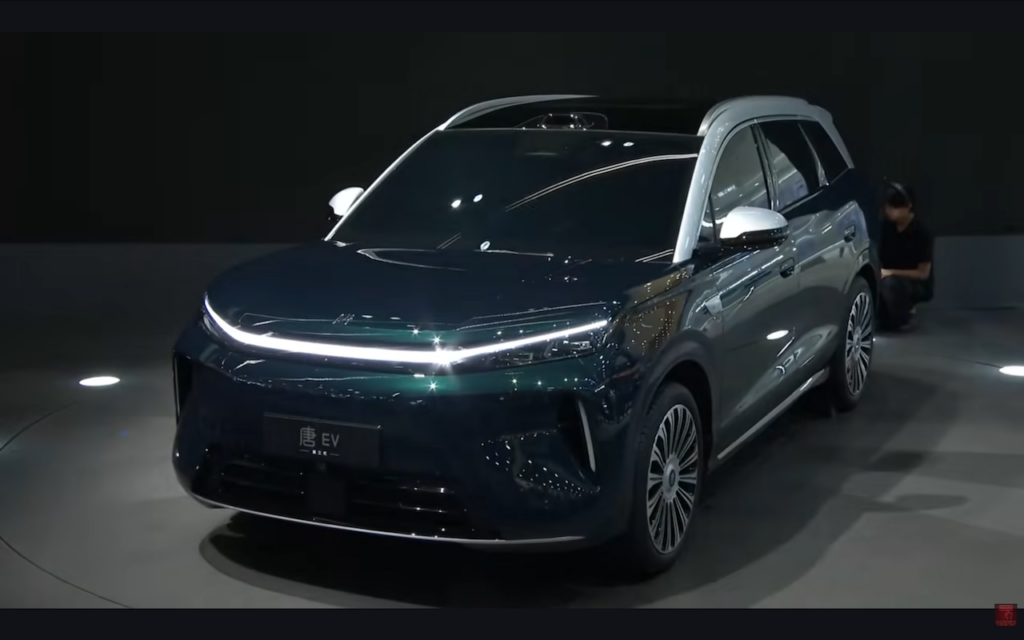
BYD has unveiled the third-generation Tang at the Chengdu motor show, transforming one of its longest-running SUV nameplates into a sleek five-seat EV flagship with up to 850km of claimed range and ultra-fast charging.
And while the Tang name may not mean much to Australian buyers, don’t assume this big electric SUV won’t eventually make its way Down Under – potentially wearing an entirely different badge.
Measuring 5045mm long, 1980mm wide and 1760mm high, and riding on a 2950mm wheelbase, the new Tang is a substantial SUV that will sit below the even larger Da Tang in BYD’s Chinese Dynasty range.
READ MORE: BYD’s giant new Toyota LandCruiser rival shown: Tai 9 packs an EV-sized battery, 310km electric range and 2300km total range!
READ MORE: BYD adds yet another new model to its Aussie line-up: M9 to join the growing Chinese people-mover battle
READ MORE: BYD’s 1000km electric limo priced at $50K! Huge new Da Han packs 570kW, ultra-fast charging and S-Class dimensions
Unlike the outgoing Tang, which has been offered with seven seats, the third-generation model revealed at Chengdu is a dedicated five-seater with an increased focus on passenger space and luxury.
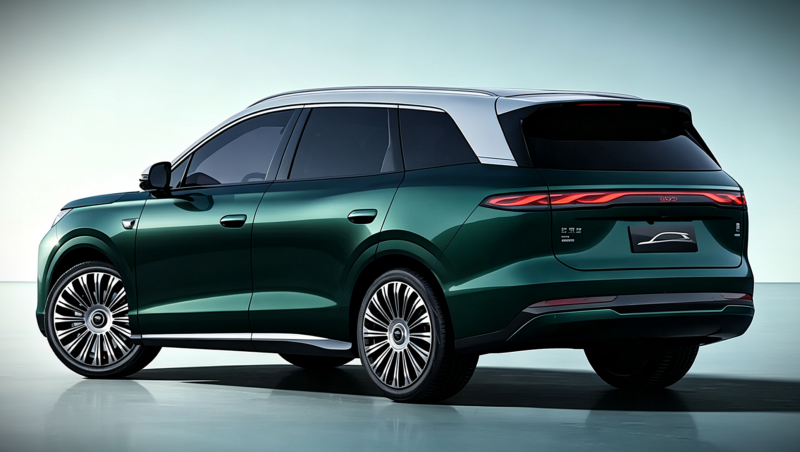
It is due to go on sale in China during the fourth quarter of 2026, with pricing yet to be announced.
The headline technology is BYD’s new second-generation Blade lithium iron phosphate battery and latest Flash Charging system.
Two battery capacities have been detailed – 88.7kWh and a substantial 105.8kWh – delivering claimed CLTC ranges of 730km, 830km or 850km depending on specification.
Under suitable conditions BYD says the battery can charge from 10 to 70 per cent in about five minutes and reach 97 per cent in nine minutes.
That’s significantly faster than the 10-80 per cent charging times of around 20-30 minutes that remain common among current-generation EVs, although BYD has not yet detailed the maximum charging power accepted by the new Tang.
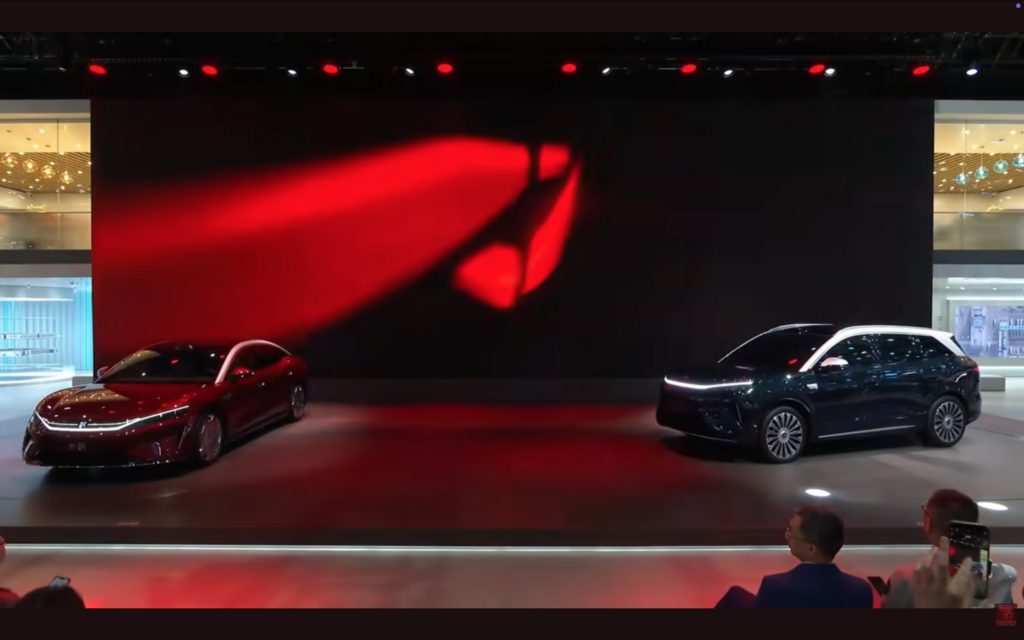
So far, Chinese regulatory filings have revealed a rear-wheel-drive version using a single permanent-magnet electric motor producing 300kW, along with a surprisingly high 250km/h top speed.
More variants could follow, but BYD has yet to publish the complete Tang range ahead of its Chinese launch.
Inder the skin BYD’s DiSus-A intelligent body-control system incorporates dual-chamber air suspension, while a road-preview function uses sensors to assess the surface ahead and adjust the suspension accordingly.
God’s Eye B advanced driver assistance is also standard across the range, employing roof-mounted LiDAR and an array of other sensors to support assisted highway and urban driving and automated parking functions in China.
The Tang’s dimensions and increasingly premium positioning also put it into an interesting part of the global EV market.
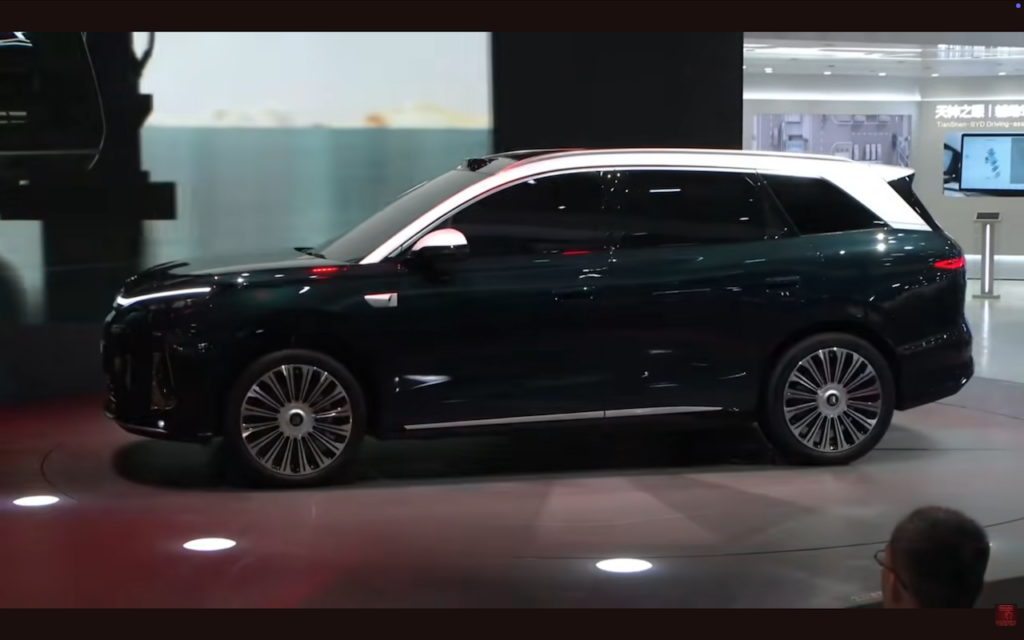
At just over five metres long, it’s in broadly the same large electric SUV territory as the BMW iX, Tesla Model X and incoming XPeng G9, while its combination of air suspension, a large battery and luxury-oriented five-seat cabin suggests BYD wants the Tang to compete on more than simply price.
It’s also worth untangling the name because BYD’s increasingly complicated Chinese and export-market naming strategy makes predicting what this car might be called in Australia particularly difficult.
Tang is one of the historic nameplates in BYD’s Dynasty series, which uses names drawn from Chinese imperial dynasties. But BYD doesn’t necessarily retain those names when it exports the cars.
The clearest example is already sitting in Australian showrooms.
The Tang L launched in China in 2025 but its plug-in hybrid export version is sold here as the BYD Sealion 8. In some other markets the Tang L has instead become the Atto 8.
Above the Tang sits the enormous Da Tang – essentially the Dynasty family’s 9-series SUV flagship – creating a two-model Tang flagship family in China.
That makes predicting an export name difficult. Sealion 8 is obviously already taken in Australia, while BYD’s growing Ocean-series range means there are increasingly few obvious gaps in its local SUV naming hierarchy.
Could it instead become a Denza? It’s possible, although there is no evidence yet that BYD intends to take that route.
Denza is now established in Australia as BYD Group’s premium brand, initially with the Fang Cheng Bao-sourced B5 and B8 plug-in hybrid off-roaders.
The Tang is a core BYD Dynasty product, so the more obvious scenario would be for it to remain a BYD in export markets but adopt a different model name – just as Tang L became Sealion 8 in Australia.
Nothing has been confirmed for Australia, but a five-seat electric SUV offering an enormous battery, air suspension, sophisticated driver-assistance technology, up to 850km of claimed Chinese range and five-minute rapid charging would certainly fill a gap above the current Sealion 7.