Revealed: Hyundai’s 1000km-plus electric ute tech will debut in Santa Fe SUV range extender
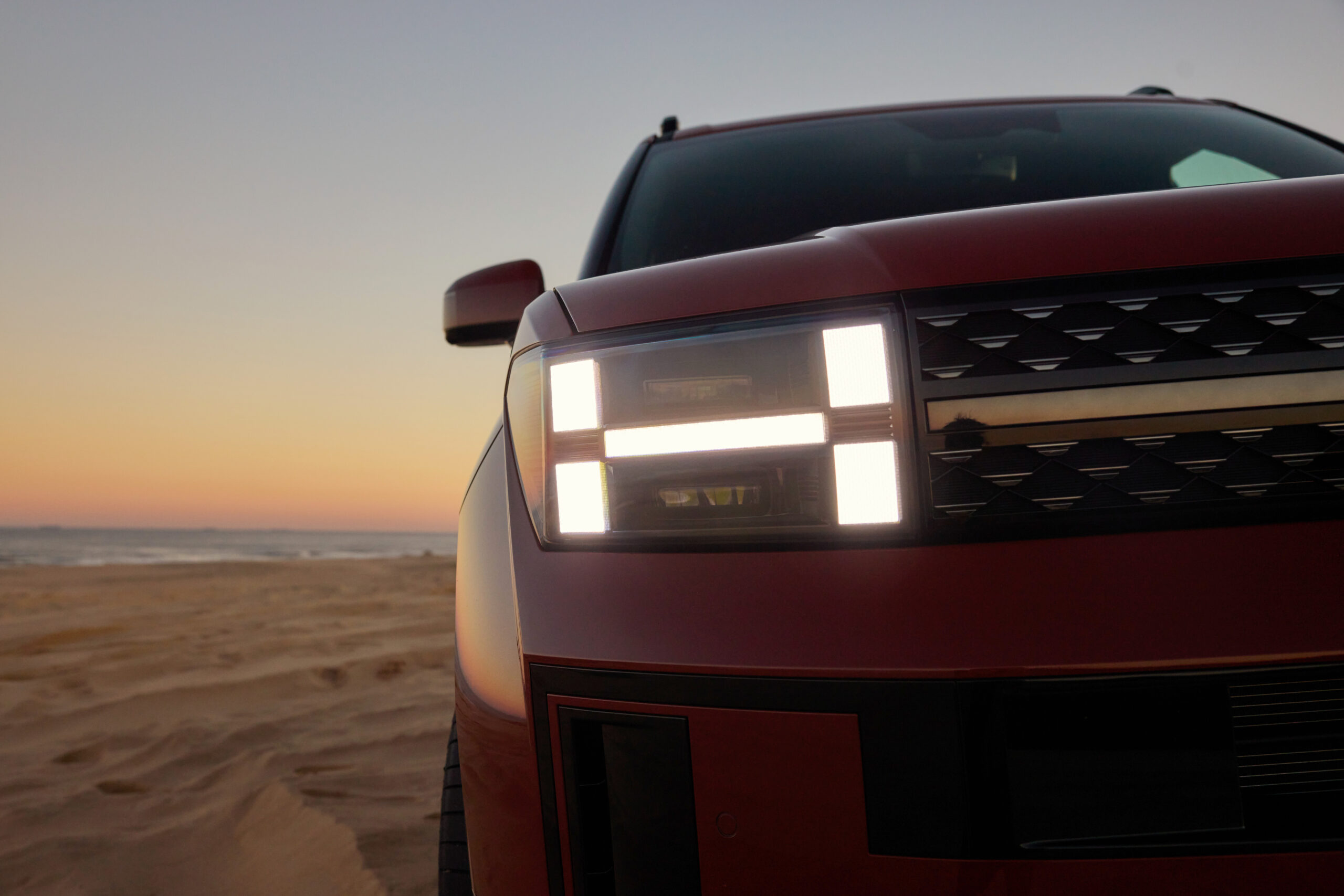
Hyundai has revealed the first production version of the extended-range electric vehicle technology expected to play a crucial role in its long-awaited Australian ute, confirming a Santa Fe EREV capable of more than 960km of total driving range will launch in the first half of 2027.
The announcement provides the clearest look yet at the new-generation range-extender technology Hyundai Australia has identified as its preferred powertrain for the electrified dual-cab it wants in local showrooms before the end of the decade.
Hyundai has stopped short of confirming its upcoming midsize pickup will use the same EREV system, but significantly announced the Santa Fe EREV alongside confirmation it intends to expand into new “white spaces” including body-on-frame vehicles and a midsize pickup.
READ MORE: Hyundai’s 1000km-plus electric ute delayed: It’s still coming to Australia but it could take until 2030 to get here
READ MORE: Hyundai electrified ute accelerates: “Mind blowing” range extender to take on BYD Shark 6 by 2028
READ MORE: Hyundai hybrid ute delayed: Trump’s tariffs take priority over green light for BYD Shark 6 fighter
The Santa Fe EREV is expected to deliver more than 600 miles – or about 965km – of total driving range and will be produced at Hyundai Motor Manufacturing Alabama in the US from the first half of 2027.
Hyundai says it is designed to provide an EV-like everyday driving experience without the range and charging concerns associated with battery-electric vehicles on longer journeys.
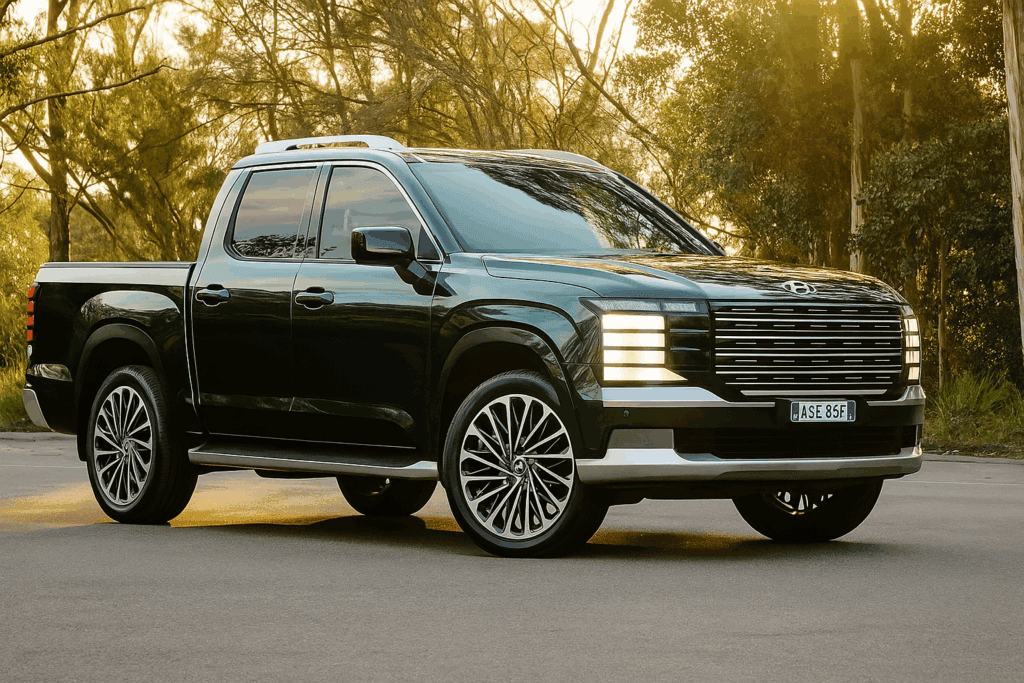
That makes the technology especially relevant to Australia, where Hyundai Australia CEO Don Romano has previously described EREV as “option number one” for the brand’s much-anticipated ute.
Hyundai remains committed to entering the Australian dual-cab market, but Romano revealed in July the project was taking longer than initially hoped and could now arrive anytime between now and 2030.
“It’s definitely going to happen. The timing is really the issue,” Romano told EV Central.
“I’d say we’re still looking at between now and 2030. There’s a timeframe, but even that isn’t a guarantee and it would be subject to us saying ‘that’s the right ute for Australia’.”
The latest announcement from Hyundai Motor Company provides considerably more detail about the technology that could eventually help make that business case.
Unlike a conventional hybrid or plug-in hybrid, an EREV primarily relies on its electric motors to propel the vehicle, with an internal-combustion engine acting predominantly as an onboard generator to replenish the battery and extend driving range.
Hyundai says its new EREV will use newly developed high-performance battery cells and require less than half the battery capacity of a comparable battery-electric vehicle while maintaining EV driving characteristics.
The company claims those new cells offer more than double the output of the high-nickel cells it previously used while reducing charging times by 40 per cent.
A smaller battery potentially brings significant advantages for a ute, reducing battery cost and weight while retaining the electric propulsion and very long combined driving range potentially suited to towing and remote-area travel.

Hyundai Australia has previously flagged more than 1000km of range from the EREV technology being considered for its ute.
Romano first hinted at the system in late 2025 when he described technology Hyundai was developing for its future ute as potentially “mind-blowing”.
“We need to differentiate ourselves,” he said at the time.
“There are technologies that we’re currently developing that are different than anything we’ve brought to the market.”
EV Central subsequently reported the technology under development involved an engine acting as a generator to support electric propulsion.
By July this year Romano was openly identifying EREV as Hyundai Australia’s preferred solution.
The ute itself is becoming an increasingly important part of Hyundai’s global strategy.
As part of its 2026 CEO Investor Day roadmap, Hyundai said it plans to launch or refresh more than 100 vehicles by 2030 and move into segments where it is currently underrepresented.
Those “white spaces” account for about 29 per cent of global vehicle sales and specifically include body-on-frame models, a midsize pickup and light-commercial vehicles.
However, plenty remains unresolved for Australia.
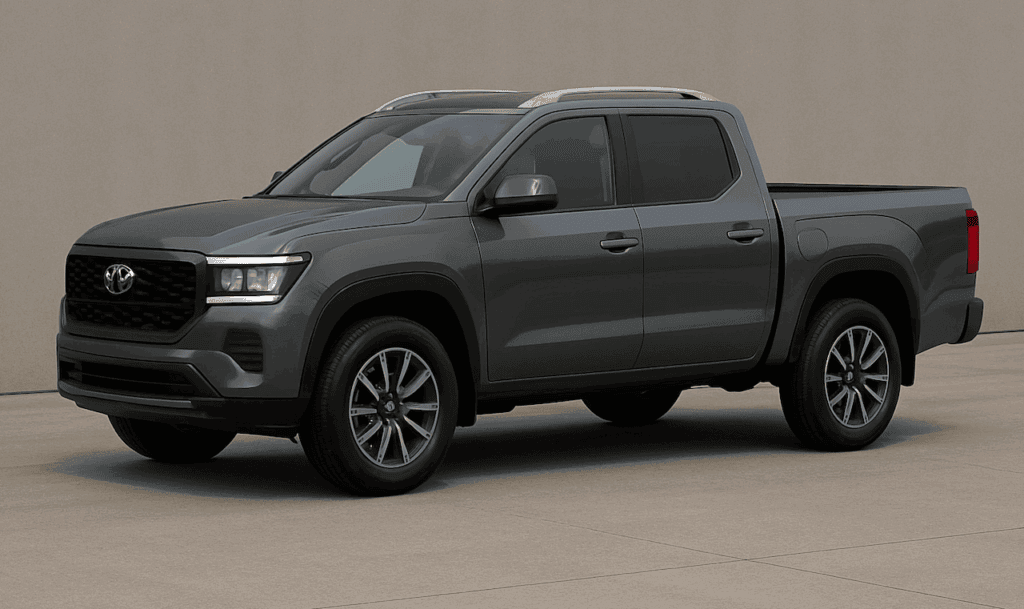
Hyundai has been investigating several potential routes into the ute market, including cooperation with General Motors in the US, drawing on sister company Kia’s experience developing the Tasman or developing its own vehicle.
Romano has also made clear that manufacturing location and price will be critical.
US production could create foreign-exchange problems for Hyundai Australia, prompting the company to investigate whether manufacturing facilities elsewhere in the Asia-Pacific region could eventually be involved.
“If it’s built in the US we have an exchange rate issue we would have to deal with,” Romano said in July.
“We have plants throughout Asia Pacific – we have plants in Indonesia, Thailand, Malaysia, Vietnam – and we want to utilise those plants as much as possible to minimise the impact of foreign exchange.
“So if there’s an option there and it takes a little longer, so be it. As long as we get the right ute at the right price.”
Hyundai will also be entering a much more heavily electrified Australian ute market than existed when it began seriously discussing the project.
The BYD Shark 6 has established plug-in hybrid power in the segment, while the GWM Cannon Alpha PHEV, JAC Hunter PHEV and Ford Ranger PHEV have followed. Chery is also preparing its Stockman electrified ute for Australia.
The EREV powertrain would also make logical sense for the Tasman ute of Hyundai-owned Kia.
The Tasman has so far bene only sold as a turbo-diesel, but hybrid, PHEV and EV powertrain options have all been mooted.