Toyota admits it can’t beat China on price: But its electrification fightback is already working in Australia
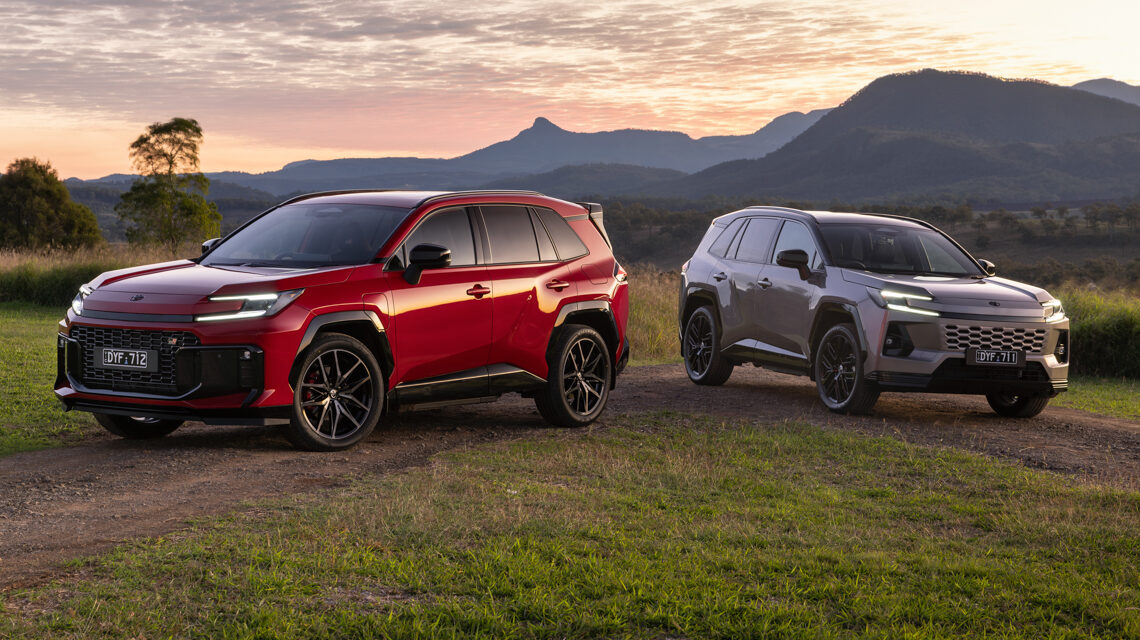
Toyota has admitted it cannot compete head-on with emerging Chinese brands at the cheap end of the new-car market, instead deliberately pushing important models such as the new RAV4 further upmarket.
But if the latest Australian sales figures are any indication, Toyota buyers appear willing to follow it there.
Toyota delivered 20,409 vehicles in Australia in July – its best sales month of 2026 – with electrified vehicles accounting for 53 per cent of the total as increased supplies of new-generation models finally began reaching showrooms.
READ MORE: 2026 Toyota HiLux BEV Review: Why this isn’t the electric ute that will make buyers switch away from diesel
READ MORE: Toyota shock admission: Electric HiLux and 4WDs won’t suit mainstream buyers until battery tech leaps forward
READ MORE: Toyota Australia fights back: How the world’s biggest car maker plans to stop BYD’s charge with a massive electrification push
And leading the charge was the all-new RAV4, which became Australia’s best-selling vehicle in July with 5564 deliveries.
Most significantly for Toyota’s electrification push, the first RAV4 plug-in hybrid accounted for 39 per cent of those sales, equating to almost 2200 PHEVs in its first full month on sale.
That result provides some early evidence that Toyota Australia’s plan to fight back against BYD and the rapidly expanding Chinese brands with a much broader electrified model range is gaining traction.
But comments from Toyota in South Africa reveal the company is under no illusions about the pricing challenge posed by those same Chinese manufacturers.
Asked why the new-generation RAV4 Hybrid had become more expensive, Toyota South Africa Motors senior public relations manager Riaan Esterhuysen said the move was deliberate.
“We intentionally moved it into a more premium space. It occupies or plays in the higher part of the segment now, and that is intentional,” Esterhuysen told BizCommunity.
“We can’t compete with the emerging Chinese brands directly on an entry-level price point. They have changed that market.
“They have shaped the market or changed the shape of the market by driving customers down to a lower and mid-tier of the segment or taking used car buyers and upselling them.”
Toyota Australia has not used the same language to explain the positioning of the new RAV4 here, instead pointing to increased equipment and value.
But Australian prices have also risen significantly.
The entry-level RAV4 GX hybrid has climbed $3730 to $45,990 before on-road costs, while the Cruiser has increased by as much as $5930 to $60,340.
The arrival of plug-in hybrid power has created an even higher price ceiling, with the flagship RAV4 PHEV GR Sport priced at $66,340 before on-road costs.
That places Toyota in an increasingly fierce battle with Chinese manufacturers that have used aggressive pricing, extensive standard equipment and electrified drivetrains to rapidly establish themselves in the Australian market.
Toyota’s response is increasingly clear: rather than trying to match the Chinese brands dollar-for-dollar, it is leaning on its enormous customer base, reputation and market presence while dramatically expanding the number of electrified vehicles it sells.
EV Central recently detailed that strategy, which stretches from conventional hybrids and PHEVs to an expanding bZ battery-electric range and even electrified performance cars.
July provides the first strong indication of how that strategy could translate into sales.
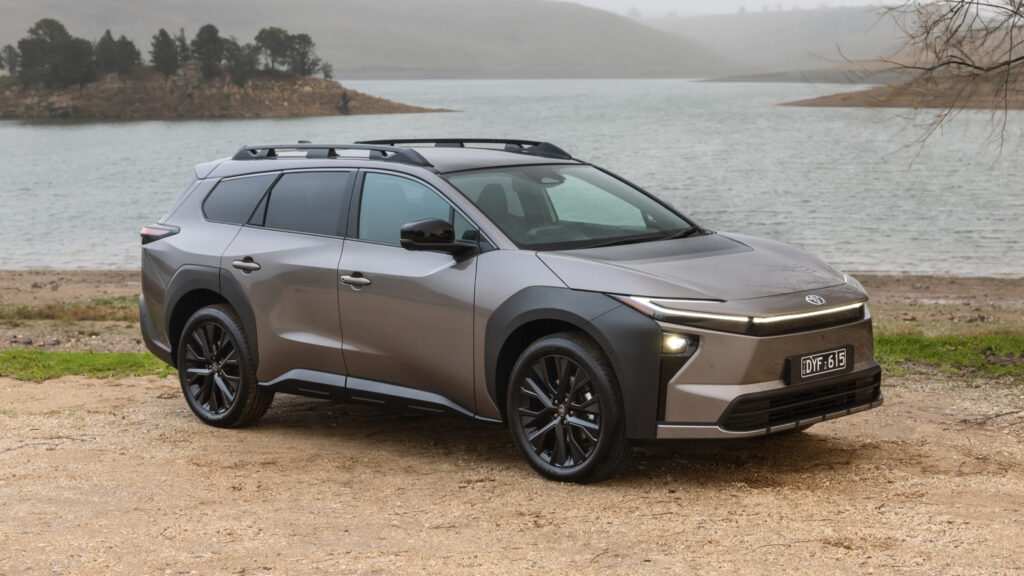
Beyond the remarkable early take-up of the RAV4 PHEV, approximately 30 per cent of bZ4X sales were of the newly introduced, larger and more powerful Touring EV.
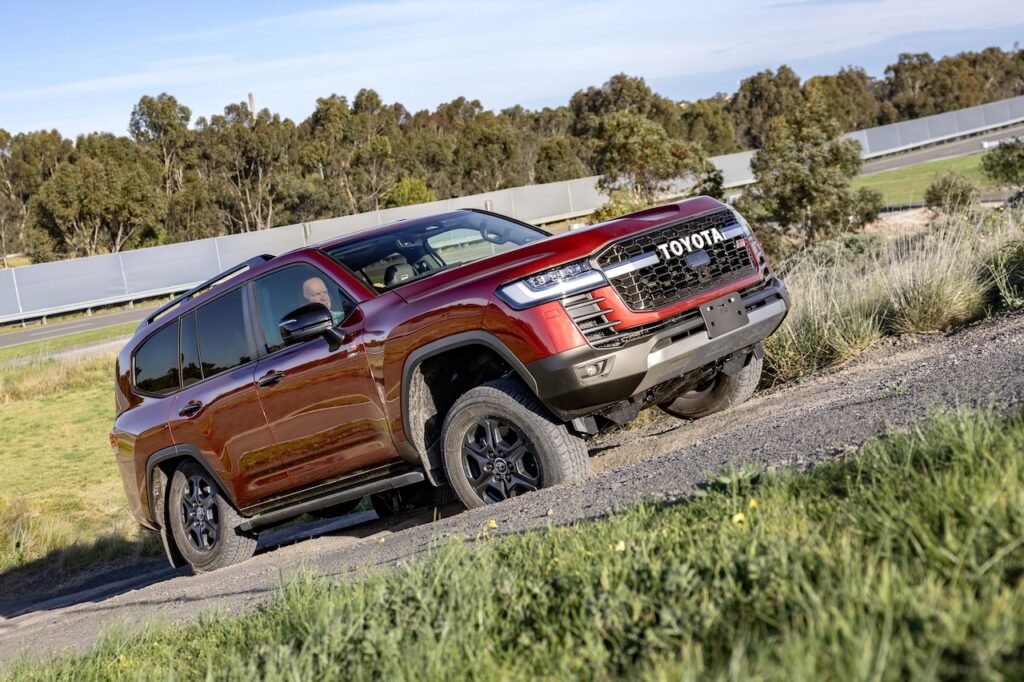
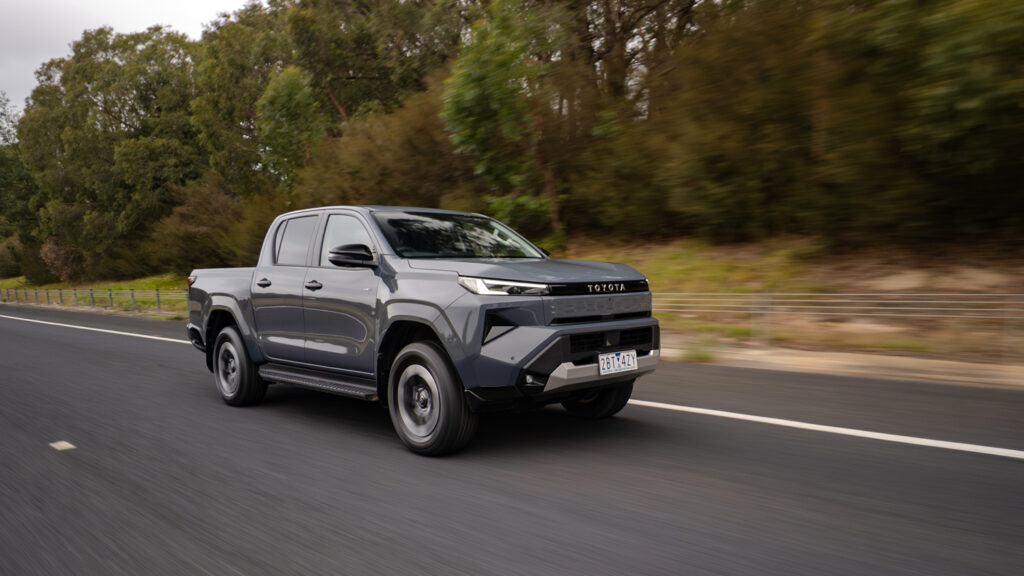
At the other end of Toyota’s range, 12 per cent of the 1397 LandCruiser 300 Series vehicles sold in July used the newly introduced performance hybrid powertrain. The HiLux EV ute has also just arrived targeted at fleet segments, especially mining.
Combined with Toyota’s huge existing conventional hybrid volumes, hybrid, PHEV and battery-electric models accounted for more than half of everything the company sold during the month.
The result also supports Toyota Australia’s argument that its comparatively slow first half of 2026 was primarily caused by supply shortages rather than customers deserting the brand for BYD and other Chinese rivals.
Toyota sold 95,141 vehicles during the first six months and has set itself an ambitious target of 230,000 deliveries for the full year.
July’s 20,409 sales represented a 6.7 per cent improvement over June and gave Toyota a 19.7 per cent share of the Australian new-vehicle market.
Toyota Australia Vice President Sales, Marketing and Franchise Operations John Pappas said improving supply was beginning to unlock demand that had been constrained earlier in the year.
“It’s fantastic to see the increased supply coming into Australia to satisfy customer demand, which has been a real focus for Toyota,” Pappas said.
“We are experiencing sustained, strong customer demand across our product range, which we believe will keep us on track to achieving 230,000 sales be the end of the year.
“And pleasingly, more than half of all vehicles sold in July featured electrified powertrain technology, showing Toyota’s multi-pathway approach of offering customers the right powertrain to suit their lifestyle.”
That improved supply includes the RAV4, whose delayed model changeover was one of the key reasons Toyota blamed for its subdued opening half.
Toyota is also securing increased allocations of hybrids and its bZ battery-electric models as it attempts to build momentum through the second half of 2026.