Tesla bounces back with record Q2 deliveries: But what’s going on with the share price?
Global Tesla sales have bounced back after the US car-maker delivered a record 480,126 vehicles in the second quarter of this year, but it seems investors don’t care, with its shares sliding 14.5 per cent following the release of its earnings.
Wiping US$214.5 billion (A$307b) off its market value in one day, last Thursday was the worst single day in Tesla’s history, according to analysts, despite the car-maker posting Q2 sales that were up 25 per cent compared with the same period last year.
The EV pioneer’s value has continued to slide in the week since.
The boost in volumes has been attributed to increased demand in regions like Europe and Asia Pacific, with the US brand expected to post strong sales in Australia.
READ MORE: Tesla Model Y triumphs again in latest AAA real-world EV range tests. Results indicate BYD has some work to do
READ MORE: Record sales for Tesla! EV heavyweight has huge May – Tesla Model Y outsells Ford Ranger, Toyota Hilux, Toyota RAV4
READ MORE: Tesla Model 2 back on the menu? Tesla races to develop small SUV to cash in on demand for affordable EVs
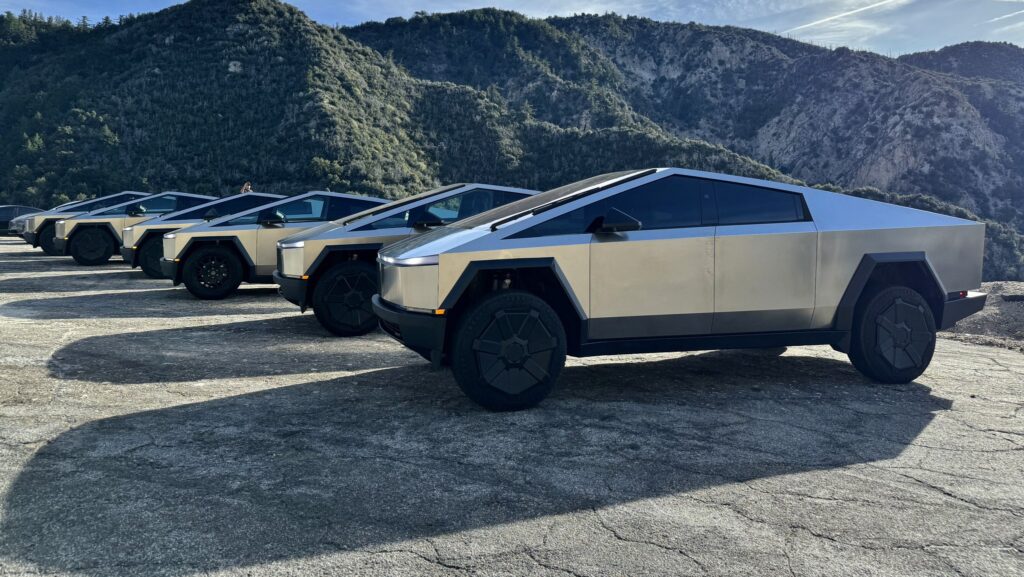
Out of the 480,126 delivered globally, just 12,364 were Cybertrucks, Model S sedans and Semi trucks, which are all sold in North America.
Fuelling demand was the arrival of the new three-row Model Y L, said Tesla bosses, while high petrol and diesel prices related to the US war in Iran continue to fuel demand for EVs from all brands.
Even though it posted US$28.24 billion (A$40.42b) in revenue, margins slumped from 17.2 per cent to 16.8 per cent, well off the 19.4 per cent forecast.
The decline was linked to rising expenses and huge investments in artificial intelligence and new models, plus fewer regulatory credits from other car-makers. The average sale price of its EVs was also down.
The share price drop means that so far this year the value of the EV pioneer has fallen by 27 per cent as investors lose faith in Tesla’s spending, weaker-than-expected profits and future plans.

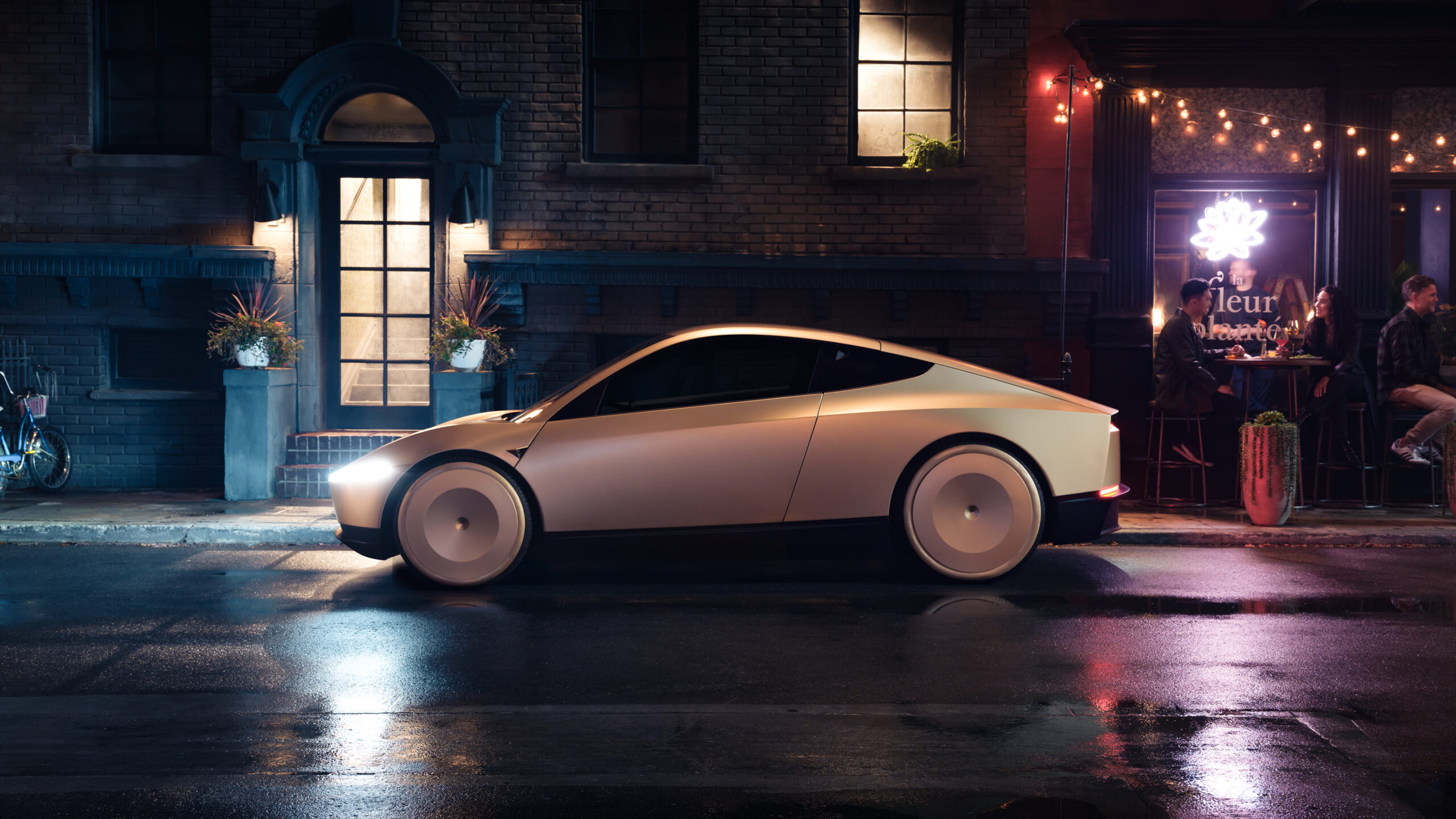
Triggering a sharp selloff in Tesla stock, CEO Elon Musk faced difficult questions over the slow rollout of its driverless Robotaxi, plus the inability of consumers to buy its new Optimus robot.
During the presentation, Musk doubled down on his claim that Optimus would be the biggest product ever, while shrugging off the Robotaxi’s slow launch due to concerns regarding its safety and worries that any fatalities linked with its operation would result in negative media coverage and trigger a regulatory crackdown on all driverless vehicles.
After the release of the Q2 results, some analysts said investors were worried about the shift away from Tesla’s lucrative automotive division towards robotics, AI and robotaxis.