Volkswagen ID. Cross arrives: T-Cross-replacing SUV switches to EV power to beat the BYD Atto 2, Geely EX2 and MG S5
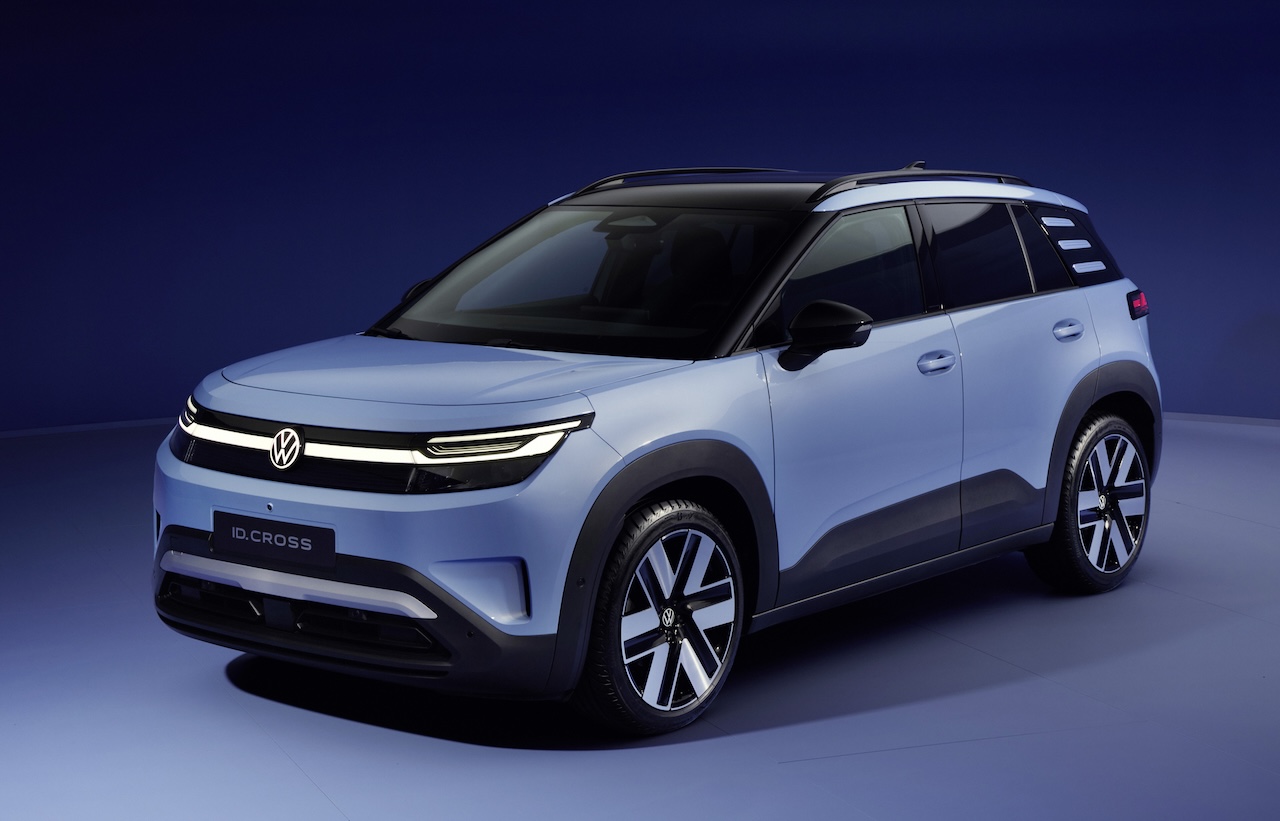
The Volkswagen ID. Cross has been launched in Europe as the German car giant’s most affordable battery-powered SUV yet, and it’s already under consideration for a local launch.
Developed alongside the Cupra Raval and Skoda Epiq, the new Volkswagen ID. Cross is the high-riding sibling to the VW ID. Polo and would rival the likes of the BYD Atto 2, Geely EX2, Leapmotor B10 and MG S5 if it lands in Australia.
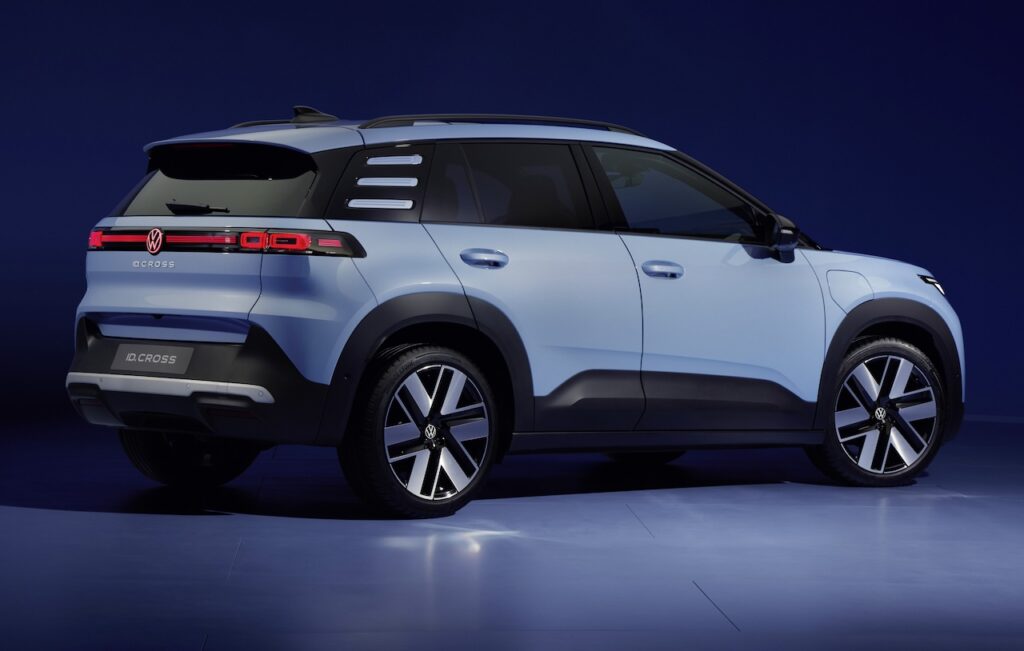
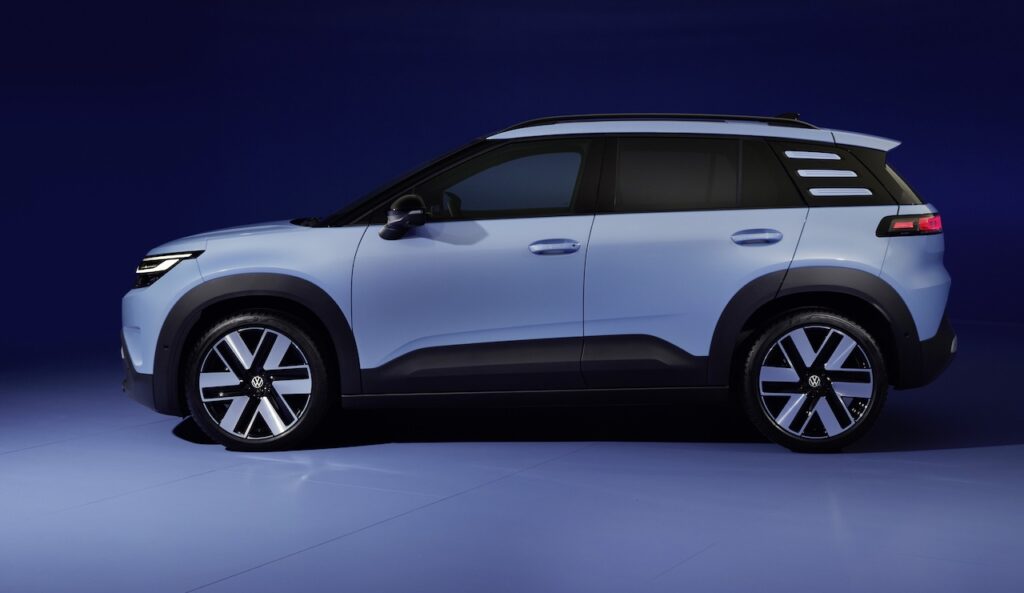
Closely based on the concept shown at last year’s Munich motor show, the production ID. Cross differs with revised front and rear bumpers, redesigned side cladding, and smaller wheels and tyres, but otherwise retains much of the show car’s styling.
READ MORE: Volkswagen ID. Buzz Good-Night Pack: This is the official camper conversion the all-electric Kombi always deserved
READ MORE: Volkswagen ID. Cross electric SUV breaks cover: Critical affordable EV just months from launch
READ MORE: Global unveiling: After many teases, the VW ID. Polo has been revealed in full. Is this the best small EV in the world?
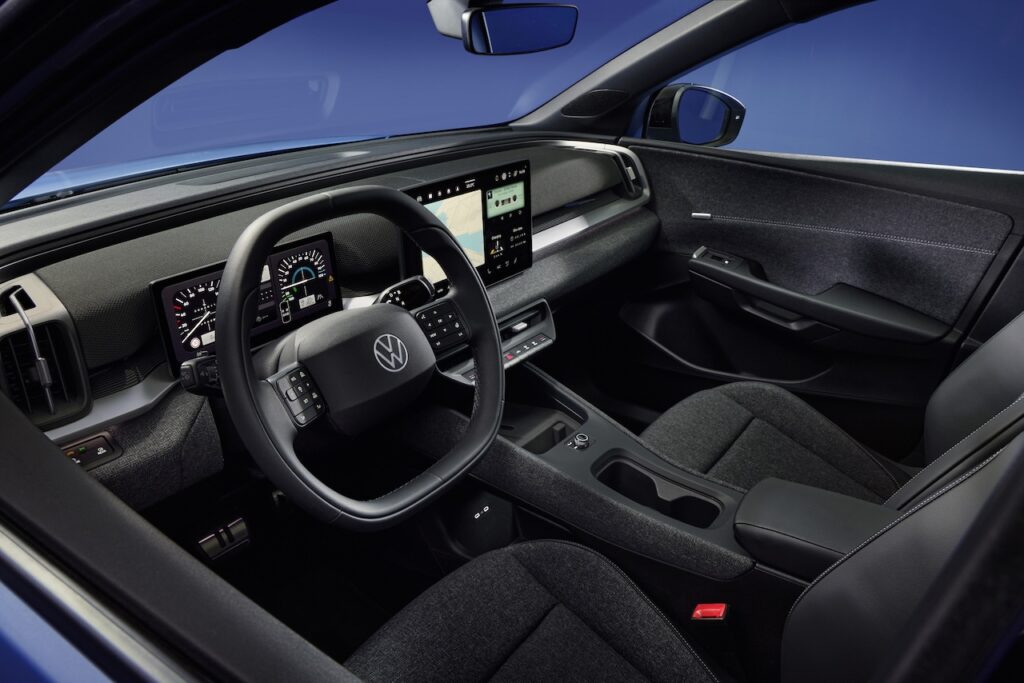
Inside, the cabin has been toned down significantly and now looks similar to that of the ID. Polo hatch, featuring proper physical controls for both the infotainment system and climate control.
Real buttons are fitted to the steering wheel, while a fabric-wrapped dashboard and door trims are said to give the impression of a more expensive car.
Like the ID. Polo, a 10.25-inch digital instrument cluster sits ahead of the driver and is paired with a larger 12.9-inch landscape-oriented infotainment touchscreen. A classic Polo-inspired instrument display can also be selected.
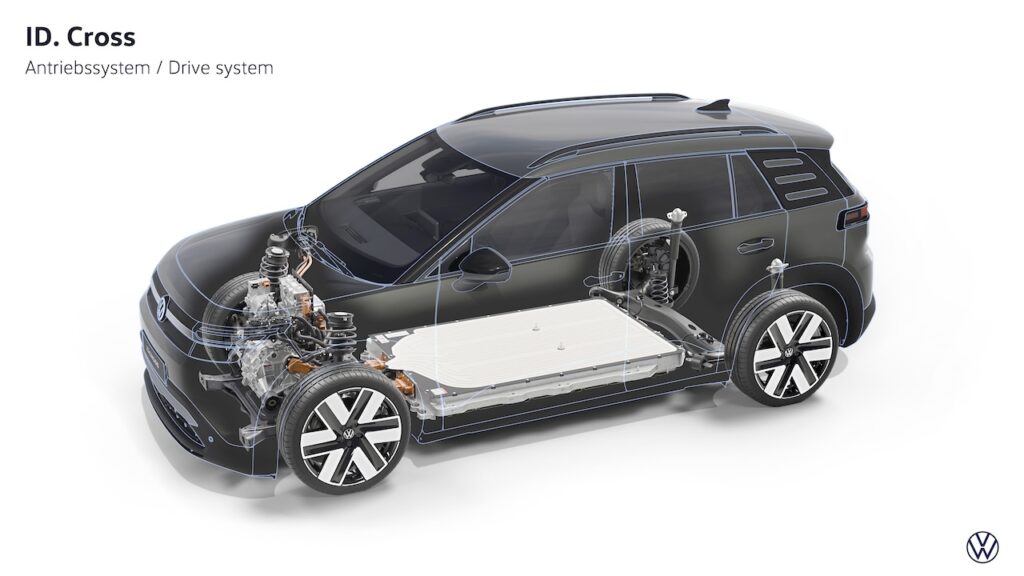
Based on the same MEB+ architecture as the ID. Polo, it’s no surprise the ID. Cross shares the same powertrains, with outputs of 85kW, 99kW and 155kW.
All-wheel drive isn’t available, although it could arrive later, along with a GTI version producing around 165kW.
Two battery options are offered: a 37kWh (net) pack that supports DC fast charging at up to 90kW, and a larger 52kWh battery capable of accepting up to 105kW.
A 10 to 80 per cent recharge takes between 23 and 24 minutes for both batteries.
Vehicle-to-load (V2L) capability is standard, allowing owners to charge an e-bike or laptop, or power domestic appliances.
In its most efficient configuration with the larger battery, the ID. Cross can travel up to 427km on the WLTP test cycle before needing a recharge.
Designed to replace the combustion-powered T-Cross, the new ID. Cross measures 4153mm long, 1794mm wide and 1581mm tall, riding on a 2601mm wheelbase.
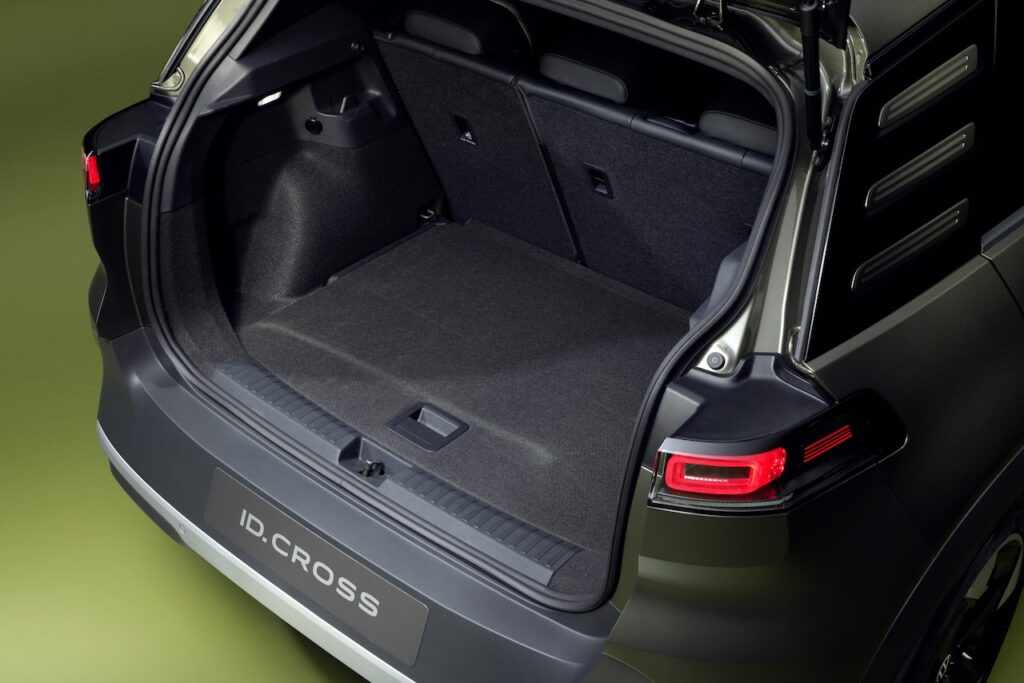
That makes it around 23mm longer, 36mm narrower and 94mm shorter than the BYD Atto 2, while offering a significantly larger 475-litre boot. It also gains a 25-litre front boot under the bonnet, compared with the BYD’s 380-litre luggage capacity.
In Europe, the ID. Cross comes standard with one-pedal driving, keyless entry and start, heated front seats, a heated steering wheel and 12-way electrically adjustable front seats with a massage function.
Standard safety equipment includes a 360-degree camera, remote parking, and adaptive cruise control capable of lane centring and automatically stopping at traffic lights.
The flagship version adds adaptive dampers, a 425W 10-speaker Harman Kardon sound system, a panoramic glass roof, LED matrix headlights, 3D LED tail-lights, and illuminated front and rear light signatures.
With deliveries due to begin in the European autumn from around September, the entry-level ID. Cross is priced from €27,995 (A$45,900) in Germany – around A$10,000 more than the most affordable BYD Atto 2.
While Volkswagen Australia has confirmed the ID. Cross is on its radar and is being assessed for local introduction, it has yet to confirm the model for Australia or provide any indication of timing should it receive the green light.