Toyota Australia fights back: How the world’s biggest car maker plans to stop BYD’s charge with a massive electrification push
Toyota has unveiled an ambitious electrification blueprint designed to reclaim momentum in Australia, with a flood of new hybrids, plug-in hybrids, battery-electric vehicles and performance electrified models forming the centrepiece of its fightback against fast-rising rival BYD.
After a sluggish first half of 2026 that saw Toyota come within just 243 sales of being overtaken by BYD for the monthly sales crown in June, the Japanese giant insists it is not losing customers to Chinese brands.
Instead, it says supply shortages have temporarily masked strong demand and that a wave of new electrified models will power a much stronger second half.
READ MORE: 2026 Toyota bZ4X Touring Review: Toyota stretches its electric SUV with more space and more power, but can it fire up the brand’s EV sales?
READ MORE: 2026 Toyota RAV4 PHEV Review: New plug-in hybrid takes the fight to GWM, Haval, BYD
READ MORE: Take down Toyota: BYD reveals its 2030 world leadership goal!
The strategy amounts to Toyota’s clearest response yet to the rapid rise of BYD and other Chinese manufacturers, with the company doubling down on electrification rather than abandoning its long-held multi-pathway philosophy.
Instead of betting everything on battery-electric vehicles, Toyota plans to attack every major segment with some form of electrified powertrain, from conventional hybrids and plug-in hybrids through to EVs and high-performance hybrid sports cars.
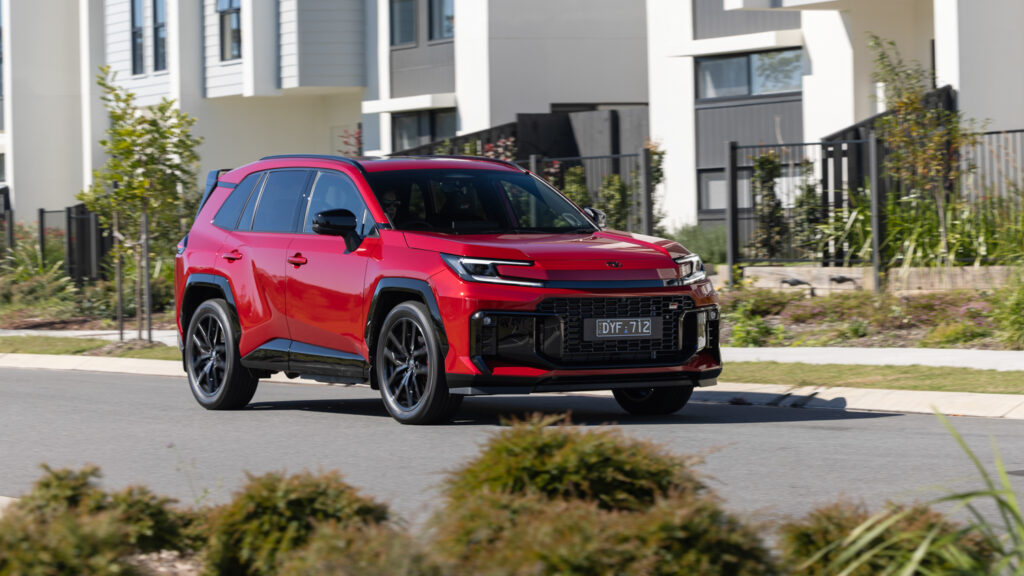
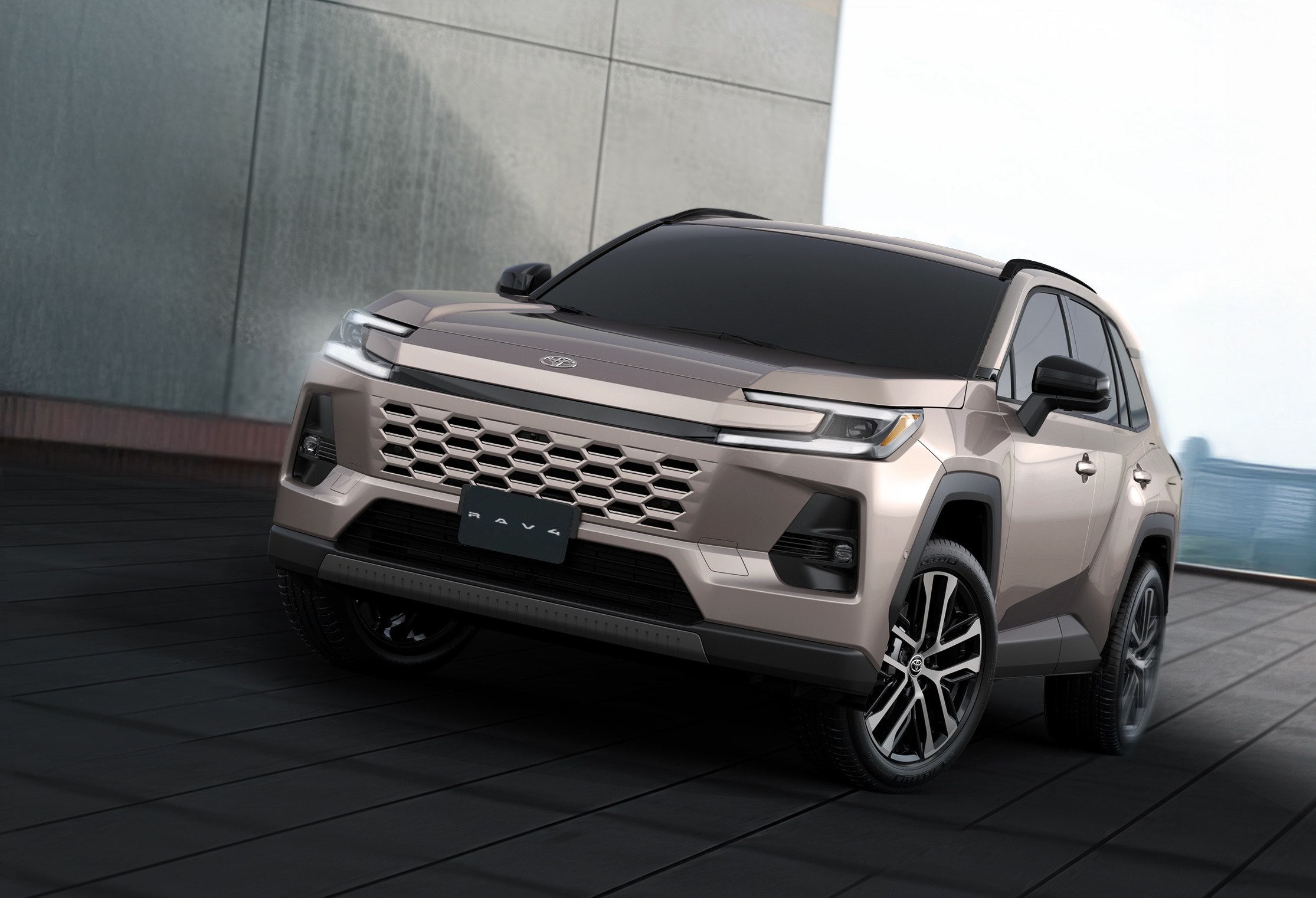
The biggest weapon will be the all-new Toyota RAV4, which for the first time has arrived in Australia with a plug-in hybrid option alongside its traditional hybrid range.
The RAV4 has long been Toyota Australia’s second-biggest seller, but delayed production and model changeover have significantly reduced supply this year.
Toyota says it expects improved production during the second half of 2026 to dramatically shorten waiting lists, while increased allocations of hybrid models and battery-electric bZ vehicles should also boost overall sales.
“Our biggest downfall this year has actually been our supply at the start,” Toyota Australia Vice President of Sales, Marketing and Franchise Operations John Pappas said.
“We knew last year that we were coming into this year with a Q1 into Q2 shortfall because we were launching the RAV4 later than we had liked.”

Toyota sold 95,141 vehicles during the first six months of 2026 and is targeting approximately 230,000 deliveries for the full year as supply improves.
But Toyota’s recovery plan stretches well beyond a single SUV.
The company is also preparing to broaden its battery-electric line-up through the expansion of its bZ family led by the recently released bZ4X Touring, while simultaneously pushing into new market segments with electrified commercial vehicles.
Among the most intriguing is a Corolla Cross-based compact ute, known internally as Project 150D, which is being developed primarily for South America but is already attracting interest from Toyota Australia.
Expected to use Toyota’s first tray-backed plug-in hybrid powertrain, the compact ute would target rivals such as the expected BYD Mako and Ford Maverick while offering buyers an electrified alternative below the HiLux.
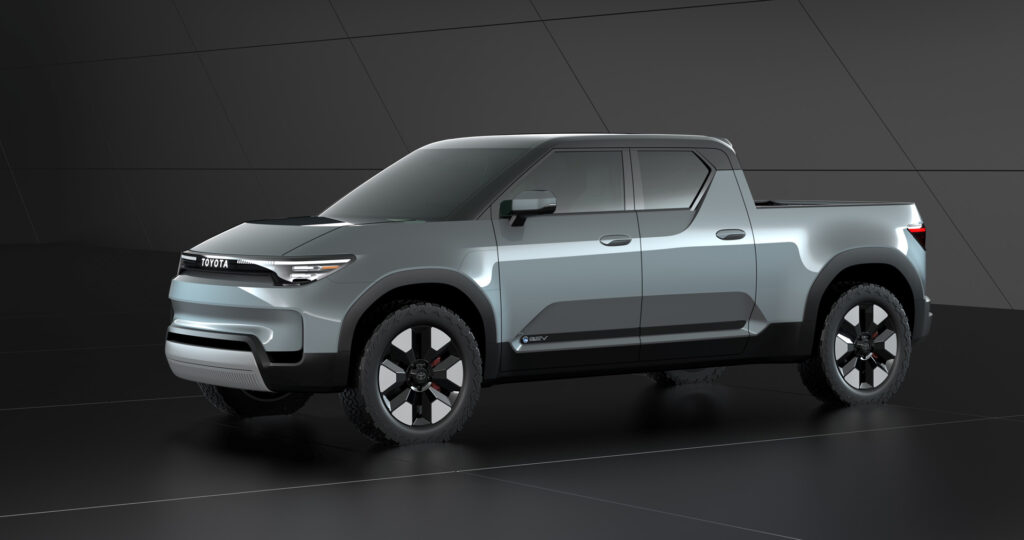
Toyota Australia has stopped short of confirming the vehicle for local showrooms, but senior management has openly acknowledged demand exists if the product becomes available globally.
“If it was the right product at the right price, we believe there is some demand for that here,” Toyota Australia Senior Manager Product Planning and Pricing Ray Munday said.
The electrification push extends even into Toyota’s GR performance division.
Rather than replacing petrol performance cars with EVs, Toyota says the future of Gazoo Racing lies in combining powerful combustion engines with hybrid systems to create faster, more efficient performance cars.
That philosophy has already been previewed by the GR GT supercar and is expected to flow into future generations of the GR Yaris, GR Corolla and additional performance models.
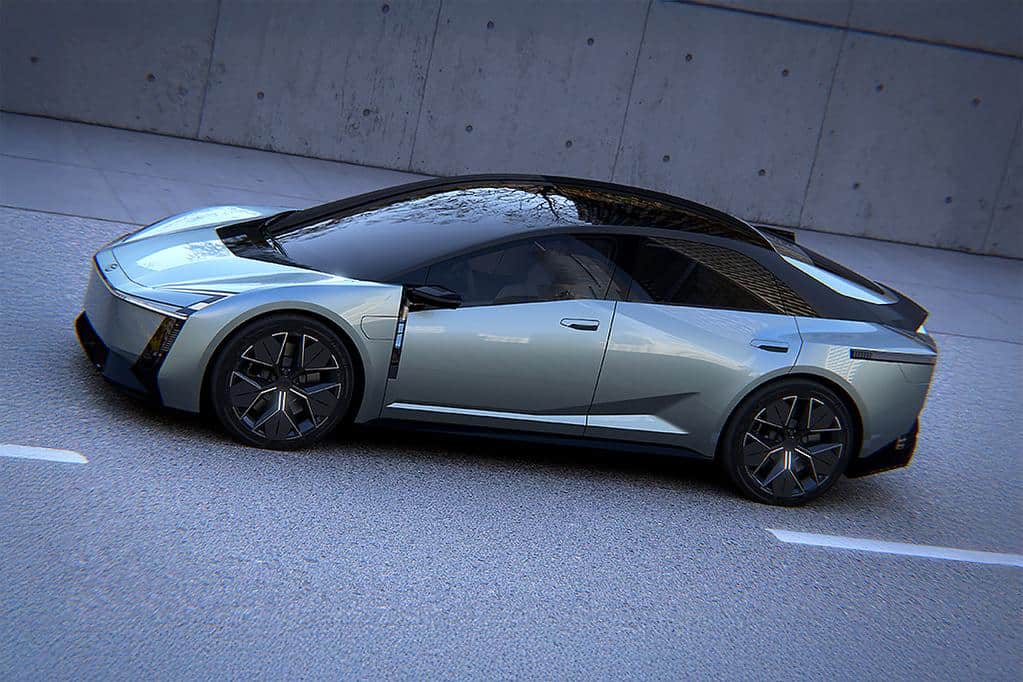
“Performance hybrid is saying we take an existing ICE powertrain, and then the way to get a lot more power with effectively the same fuel efficiency is electrification on top,” Munday explained.
Toyota says the approach will allow GR to expand while maintaining the character enthusiasts expect from the brand.