2026 Volkswagen Tayron eHybrid Review: VW’s other plug-in SUV might be the smarter Tiguan
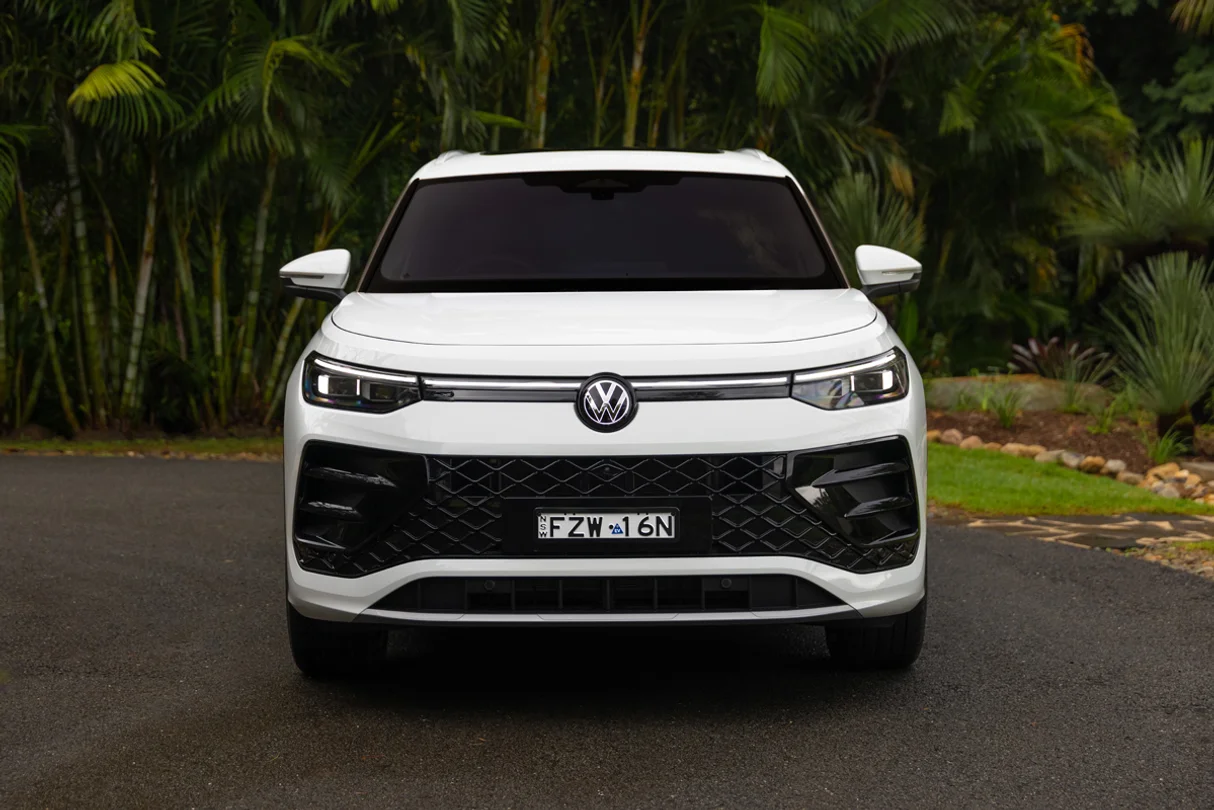
It might not have the name recognition of its Tiguan sibling, or the seven seats that its ICE variants offer, but the Volkswagen Tayron eHybrid might still be the best plug-in hybrid SUV in VW’s Australian line-up.
While the Tiguan eHybrid gets the familiar badge and a slightly stronger standard equipment list, the Tayron brings more space, more family usefulness and, I think, a more settled feel on the road.
It is effectively the plug-in hybrid successor to the old Tiguan Allspace, except this time the electrified version does without the third row of seats. That might sound like a strange compromise until you realise just how much room is left over for people and luggage.
In other words, this might be the VW’s plug-in sleeper.
READ MORE:
Porsche Taycan overhauled: Trailblazing EV has now added a driving feature
2026 Subaru Trailseeker Brief Drive: The ultimate EV off-roader?
2026 Leapmotor B05 Brief Drive: Budget Chinese warm hatch tested
2026 Volkswagen Tayron eHybrid price and equipment
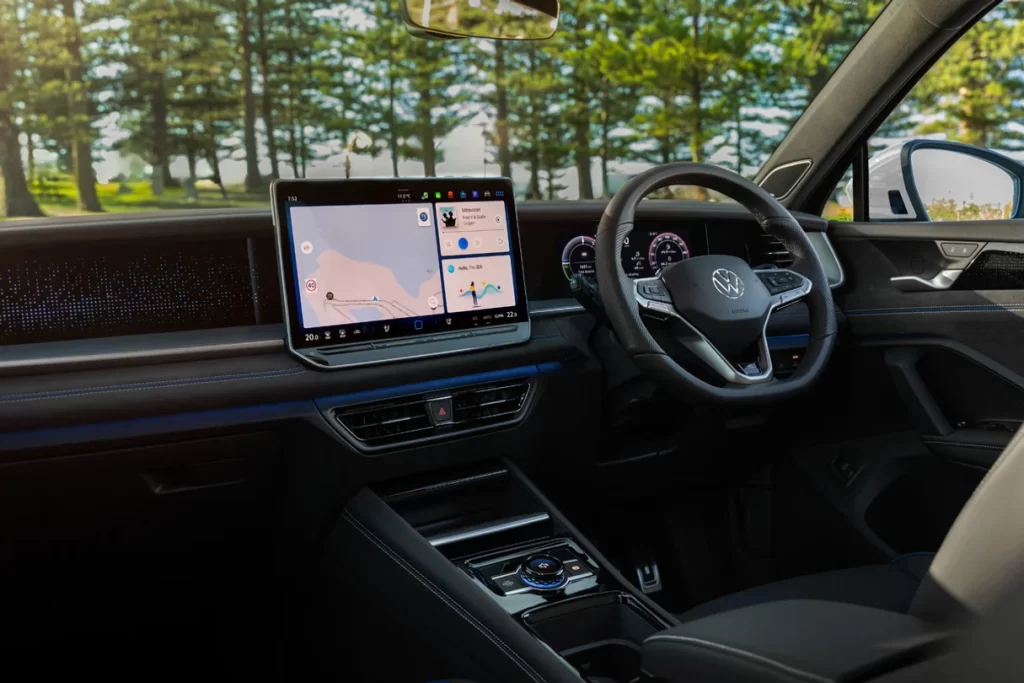
There are two Tayron eHybrid grades in Australia, mirroring the Tiguan plug-in line-up.
The 2026 Volkswagen Tayron eHybrid Elegance starts from $62,390 before on-road costs, while the sportier-looking R-Line is priced from $76,550 before on-roads. At launch, both are also being offered with sharper drive-away deals, effectively dropping the on-road price below the MSRP.
Both versions use the same plug-in hybrid system as the Tiguan eHybrid. That means a 1.5-litre turbo-petrol engine, a front-mounted electric motor and a 19.7kWh net battery, with claimed electric driving range of around 115km on the WLTP cycle.
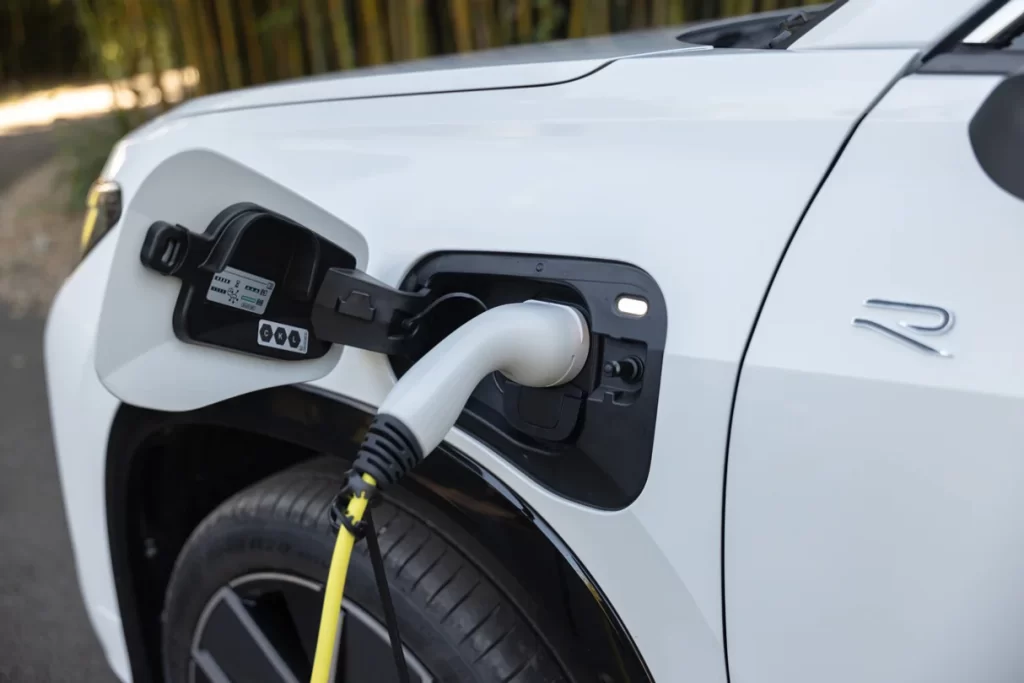
Charging is better than the old-school PHEV norm, too. The Tayron can accept up to 11kW AC charging at home or up to 40kW DC charging when you’re out and about.
The Elegance produces a combined 150kW and 350Nm, while the R-Line lifts that to 200kW and 400Nm. Both are front-wheel drive and both use a six-speed dual-clutch automatic transmission.
In Elegance form, the Tayron eHybrid brings 19-inch alloy wheels, an auto-opening boot, LED lighting, leather trim, heated, cooled and ventilated front seats, wireless phone charging, a digital driver display and a 12.9-inch central touchscreen.
The R-Line adds the extra power, a sportier body treatment, 20-inch alloy wheels, Matrix LED headlights, a larger central screen and progressive steering.
But the cheaper car is the one I’d be looking at. It feels the most value packed.
2026 Volkswagen Tayron eHybrid: What we think
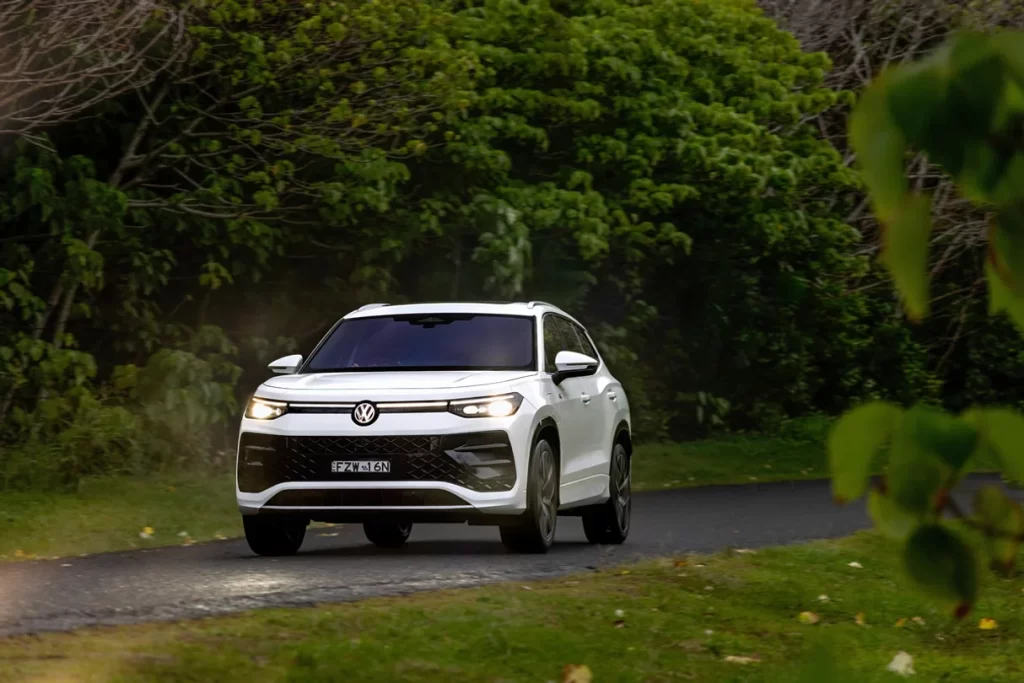
The Tayron eHybrid takes the core strengths of the Tiguan eHybrid, then puts them in a bigger, more practicla body.
The plug-in system is the same, but that’s no bad thing. Around town, the electric motor gives the Tayron the kind of smooth, easy step-off response that feels very EV-like from a standing start.
It pulls away cleanly and quietly, and there is enough low-speed EV shove that you don’t feel short-changed in the less powerful Elegance. In fact, the cheaper model’s 150kW and 350Nm feels plenty for the job at hand.
Yes, the R-Line is quicker. But this is a roomy family SUV, not a hot hatch. The extra grunt is nice to have, but not essential, and the Elegance’s outputs actually feel like the better fit for the Tayron’s brief.
There are moments when the petrol engine can sound a bit busy, especially if you ask for a big burst of acceleration from a rolling speed, but most of the time the system works neatly in the background. Driven as a family SUV, rather than a performance SUV, it makes plenty of sense.
The Tiguan eHybrid already feels more polished and more tied down than a lot of its plug-in hybrid rivals, but the Tayron feels a little calmer again. The longer wheelbase seems to bring a more planted, balanced feel, particularly on faster roads, where it somehow feels more composed than its smaller sibling.
The ride can still get firm over dodgier road surfaces, and it doesn’t completely float over bumps, but there is a sense of European solidity here that some cheaper PHEV rivals can’t quite match.
The steering has a confident weight to it, the body control is tidy, and the Tayron feels nicely connected through corners.
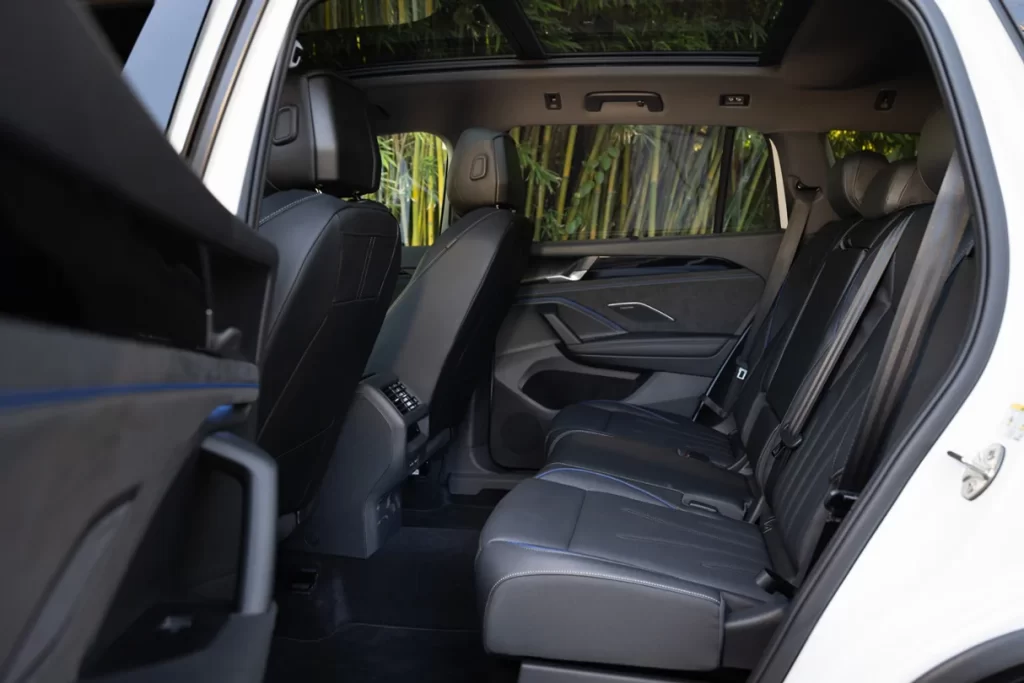
The cabin is clean, modern and broadly premium-feeling, with decent materials in the places you touch most often. The back seat is properly roomy, too. Adults will fit comfortably in the outer seats, and there are rear air vents, tri-zone climate control, USB ports and a fold-down divider.
The only catch is the big centre tunnel running through the rear floor, which makes the middle seat less appealing for adult passengers. Kids will cope, but three adults across the back will quickly start complaining.
The boot is enormous. With the second row in place, there is 705 litres of luggage space, expanding to 1915 litres with the rear seats folded. That is a major advantage over the Tiguan eHybrid and turns the Tayron into a genuinely useful family hauler.
There are some ownership gripes. Volkswagen’s five-year, unlimited-kilometre warranty now feels underdone against rivals offering seven, eight or even 10 years of coverage, though the battery is covered for eight years or 160,000km.
Servicing is required every 12 months, and Volkswagen offers prepaid packages, with three years costing $1605 and five years priced at $3391.
2026 Volkswagen Tayron eHybrid: Verdict
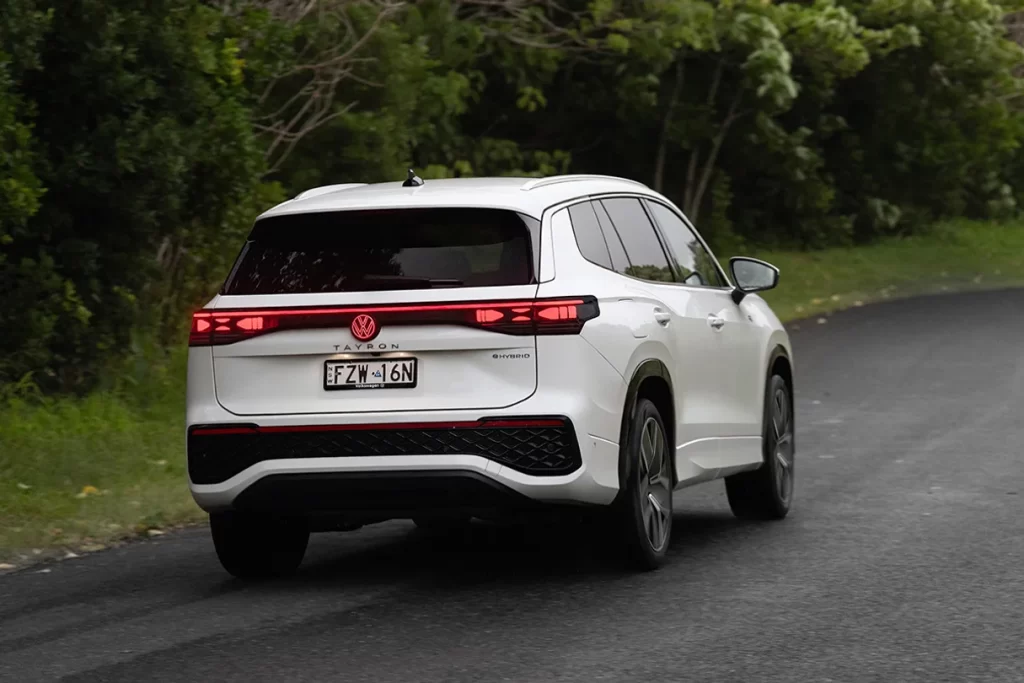
The Tayron eHybrid might not have the badge recognition of the Tiguan, and it doesn’t have the seven-seat layout of the other Tayron models, but it might be the smarter plug-in hybrid SUV.
SCORE: 4.0/5
2026 Volkswagen Tayron eHybrid price and specifications
Price: From $62,390 plus on-road costs
Basics: PHEV, five seats, five doors, large SUV
EV range: Approx 115km
Battery capacity: 19.7kWh net
Fuel use: 1.7/1.8L/100km (ADR)
Drivetrain: 1.5-litre four-cylinder turbo-petrol, front electric motor, total 150kW/350Nm or 200kW/400Nm
AC charging: 11kW, Type 2 plug
DC charging: 40kW, CCS combo plug