
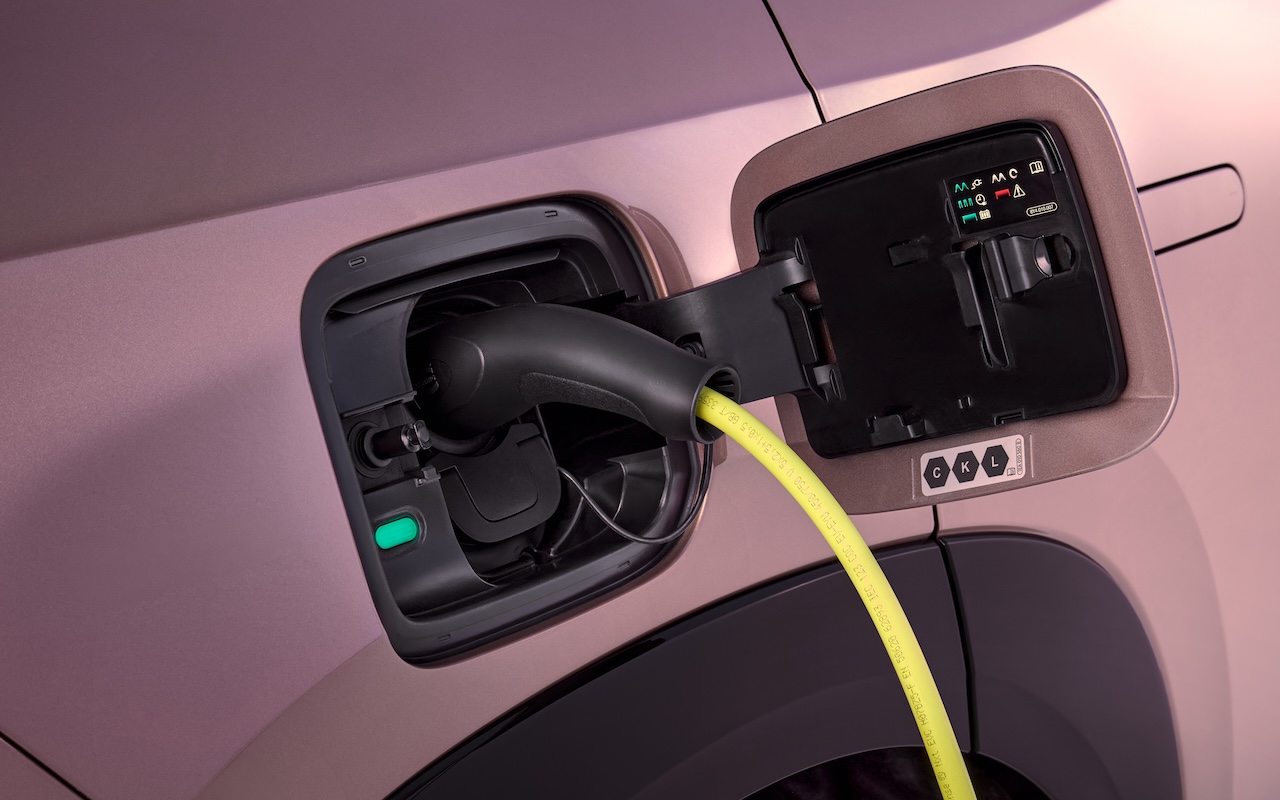
Shock findings: Switching to an EV electricity plan could save drivers up to $1800 a year, but not every deal stacks up
Electric vehicle owners could cut their household electricity bills by as much as $1800 a year by switching to a dedicated EV electricity plan, according to a new analysis that also warns some specialised tariffs can end up costing more than standard offers.
The comparison by Compare the Market examined EV-specific electricity plans from nine Australian retailers, finding annual savings ranged from around $180 to almost $1860 depending on the provider, charging habits and household electricity use.
The study found most EV tariffs offer heavily discounted overnight charging rates—typically below 10c/kWh—or free charging periods designed to encourage electricity use when demand on the grid is lower.
READ MORE: What happens when an EV runs out of electricity?
READ MORE: V2V tech coming: Electric cars to provide EV top-up charges
READ MORE: Forget the knockers! Why the experts reckon EVs are critical to the future health of the Australian electricity grid
However, it also found some retailers offset those discounts with higher daily supply charges or increased electricity rates outside the discounted charging window.
Compared with equivalent standard electricity plans, some EV offers charged up to 24 cents more per day in supply charges, up to 5c/kWh more for single-rate tariffs and up to 12c/kWh more for peak time-of-use rates. Only three retailers offered identical pricing structures across both their standard and EV plans.
Under the assumptions used in the analysis, Origin Energy’s EV Power Up add-on delivered the biggest annual saving at about $1860, narrowly ahead of AGL’s Night Saver EV plan at $1752 and Powershop’s EV Night plan at $1718. Red Energy was the only retailer in the comparison where the dedicated EV plan was estimated to cost more than its standard electricity offer.

The modelling assumed a household used 15kWh of electricity each day and charged an electric vehicle with a further 20kWh daily. Compare the Market noted drivers covering fewer kilometres would likely see lower savings, while accessing the cheapest overnight rates may require a higher-powered home wall charger capable of replenishing 20kWh during the discounted charging window.
The comparison also found that the low-cost charging periods generally apply to all household electricity consumption rather than just vehicle charging, allowing owners to run appliances such as washing machines and dishwashers during the discounted periods to maximise savings.
Compare the Market said the findings highlight the importance of comparing both EV-specific tariffs and standard electricity plans rather than assuming every EV offer automatically delivers lower running costs.
| Retailer | Estimated annual saving | Catch |
|---|---|---|
| Origin | $1860 | Tesla & Mercedes compatibility for EV add-on |
| AGL | $1752 | Overnight charging |
| Powershop | $1718 | Overnight charging |
| Globird | $1696 | Higher supply/usage charges |
| Ovo | $1518 | Higher peak tariffs |
| Alinta | $1488 | Higher single-rate tariff |
| Energy Australia | $1218 | NSW only |
| Engie | $768 | Smaller overnight discount |
| Red Energy | Costs $319 more | EV plan dearer than standard |
What you need to know
- Cheapest charging typically between midnight and 6am
- Most EV plans charge less than 10c/kWh overnight
- Some EV plans have higher daily supply charges
- Compare your standard plan before switching
- Savings depend on how much you drive and whether you can charge overnight
Compare the Market’s Economic Director, David Koch, said it was worth switching to an EV plan but it’s still important t0 shop around.
“The fuel crisis has sparked strong interest in plug-in hybrids and full electric vehicles, which is a great opportunity to switch to an EV energy plan,” Mr Koch said.
“However, not all offers are identical. The energy comparison experts at Compare the Market have uncovered some retailers are charging higher rates on EV plans than their standard offerings, which diminishes the potential savings you could benefit from.
“It generally works out to be cheaper on an EV plan, but there’s a wide difference in how much you could save between retailers. If you aren’t driving as far and don’t need to charge as much every day, those potential savings will vary as well.
“A bonus perk is the ultra-low tariff or free energy periods don’t just apply to EV charging for most retailers, so you can schedule the dishwasher, washing machine, and other devices to maximise the savings.
“It’s well worth shopping around and looking at the details beyond the advertised EV promotion to make sure you’re making the most out of your wallet.
“With regulators reducing their standing offers from July 1, it’s a good time to shop around EV energy plans regardless of whether you’re a new or existing EV owner.”

I’m in Perth and I cancelled my EV electricity plan with Synergy within a year because I ended up paying more, not less.
Yes it’s cheaper to charge the EV at off peak times once or twice a week but the catch is it is significantly more expensive everyday when we’re doing the cooking and using the AC.