Are used EVs good P-plater cars? We list the pros and cons
Big thing, buying your first car.
Like a first love, it’s hopefully a memory you’ll look back upon fondly.
The current P-plater cohort have first car choices very different to previous generations: no manual rear-drive V8 Commodores nor mattress-ready Falcon wagons for this lot.
For the first time, used electric cars are a viable choice for new drivers. And for many enlightened young folk, the idea of driving something with zero tailpipe emissions has great planet-saving appeal.
And, potentially, money-saving appeal.
READ MORE: Bargain hunting? The seven best used EVs under $40,000 in 2025
READ MORE: 2025 BYD Atto 1 Premium Review: Australia’s cheapest EV.
The pros and cons of buying an older, semi-affordable EV
Save your pub arguments: EVs are proven to have a far less damaging environmental impact than petrol and diesel powered cars.
Of course there’s an EV’s manufacturing carbon footprint, and charging them with renewable energy is a must to make them make sense.
On a more practical note, an EV’s running costs can be minimal. Ideal for cash-strapped P-platers.
Best scenario is living somewhere with home solar, or having access to it at your workplace/college/uni. If you can charge an EV’s battery for free, you’ll drive past every servo with a massive grin on your face.
EVs cost less to service. An electric motor and (typically) single-speed transmission have very few moving parts, so you swerve a combustion powertrain’s fluid changes, filters, and their eventual tendency to break and fail.
An EV still needs wear-and-tear items replaced. Think tyres, suspension, brakes and brake fluid. In theory, with regenerative braking, rotors and pads last far longer.
The big potential EV cost is a battery replacement. For a sub-$15,000 EV, this would likely cost more that the car’s worth. But the same is true of a petrol or diesel car should its engine or gearbox go pop.
Good news is – in general – an EV’s battery life is proving better than both sceptics and experts predicted.
While degradation and loss of range is accepted, many owners report it not being too detrimental, and often an EV’s battery can have individual cells replaced rather than a complete, expensive battery change.
Most EVs allow owners (or at least workshops) to discover the battery’s State of Health (SoH). This is a must to see how much capacity, and thus range, has been lost. Buyers could haggle off plenty of dollars if the SoH is on the poorl side.
Worth noting, many EVs have battery warranties longer than their general warranty: 160,000km and eight years is typical, although MG now does ten years, and some brands allow unlimited kilometres.
What used EVs are available?
Choice isn’t huge until you’re up around the $20,000 spend.
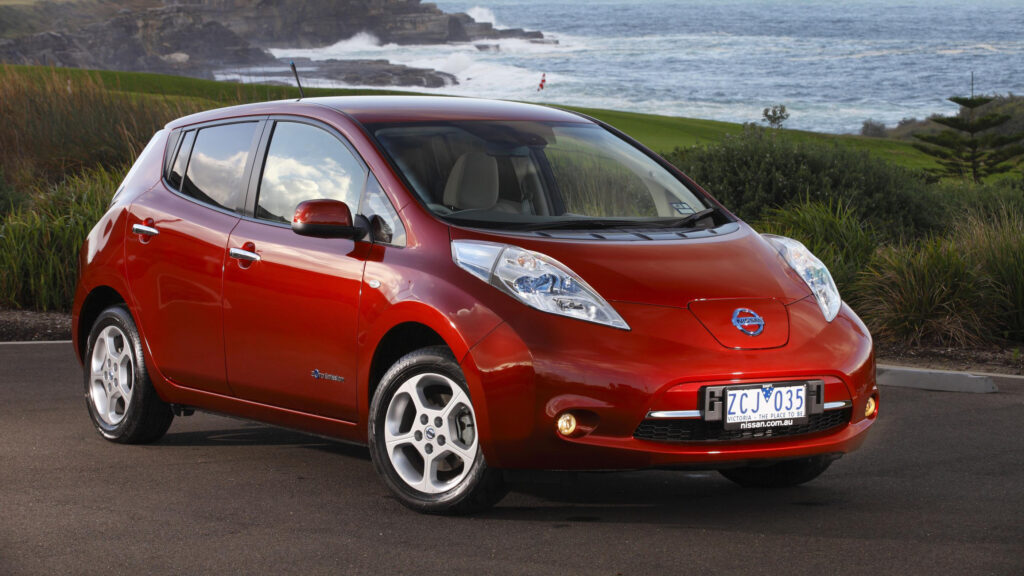
With a $5000 to $10,000 budget, EV options basically begin and end with the first-generation Nissan Leaf.
It’s not a terrible EV per se, but its battery’s small (24kWh) and real-world range of around 120km from new makes them very much a city car.
According to sellers, ten-year-old Leafs now offer between 50 and 100km range (unless they’ve had a replacement battery). Pretty woeful, but for some that may be all they need. Plus, that little battery charges overnight using a domestic power socket.
Snaring one for around $7000 could be an interesting – if limited – first foray into EV life.
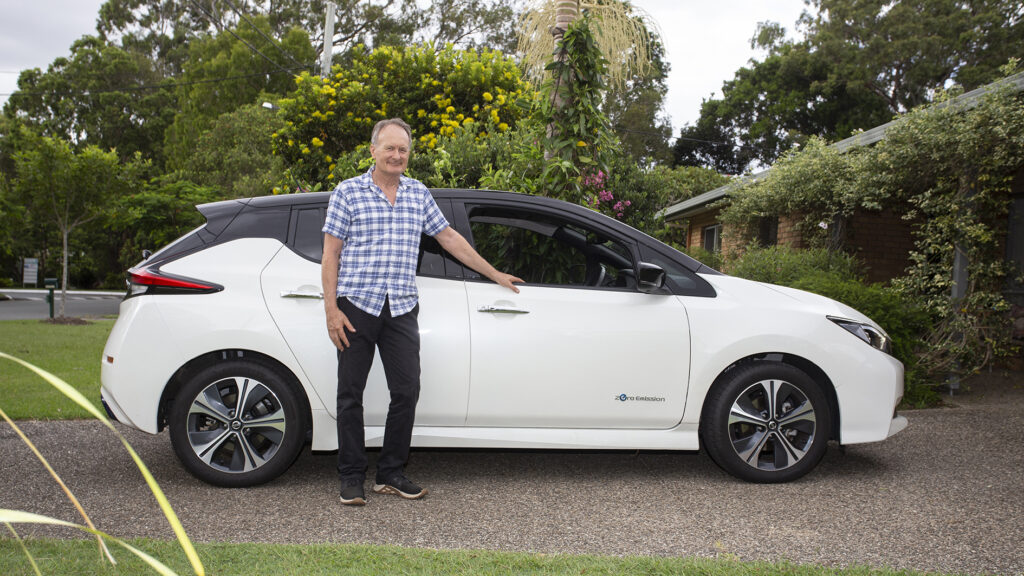
Second-generation Nissan Leafs (from 2017) are a better buy, costing from around $12,000. Their larger battery (30kWh or 40kWh) means real-world range up to 200km, and used versions are often showing battery State of Health at around 90 per cent.
From around $15,000, choice improves. You’ll find 2021 MG ZS EV SUVs and 2019+ Hyundai Ioniq hacthbacks, both offering around 250km range.
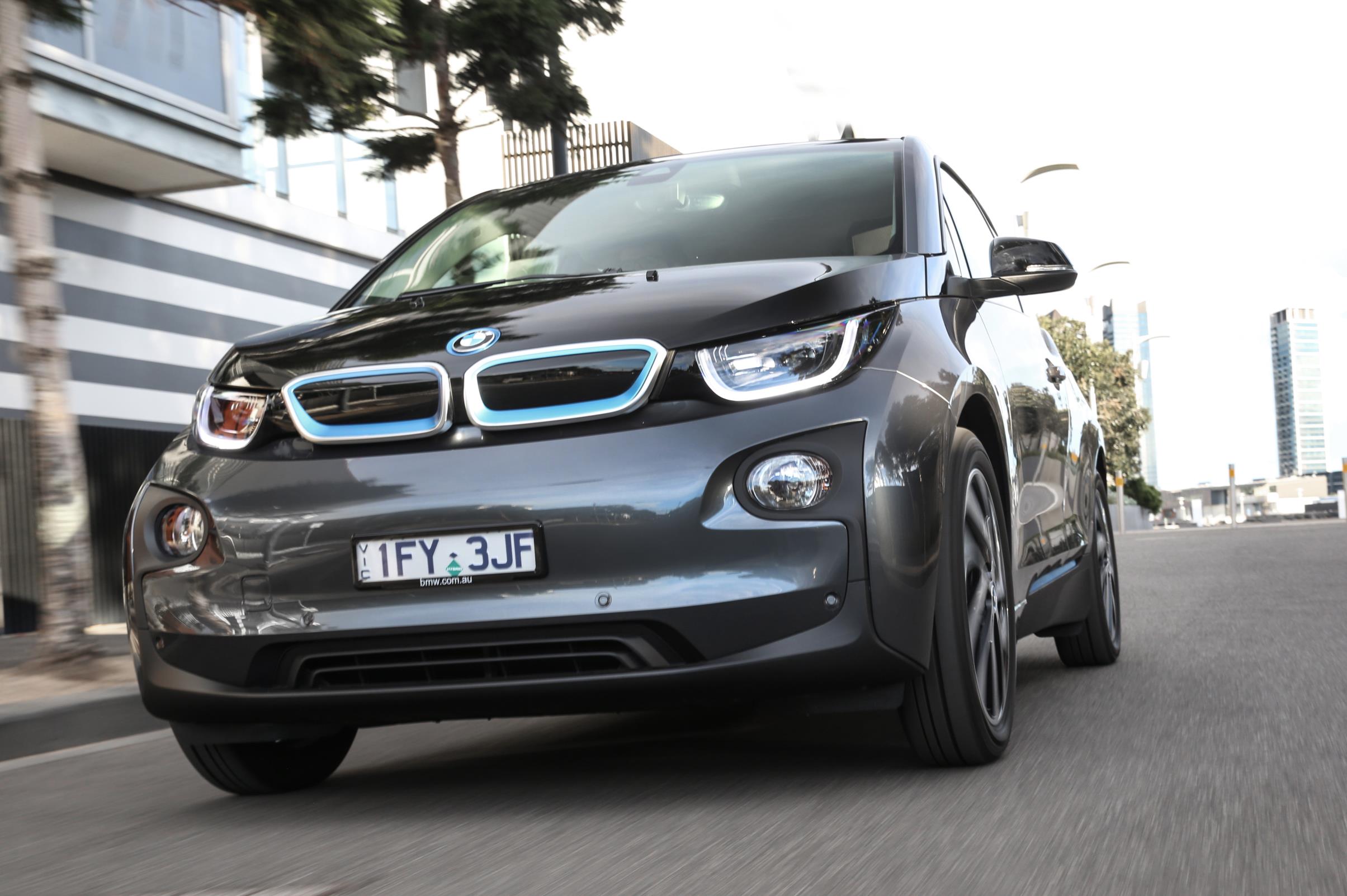
Few P-platers will get excited about such models, but the same money buys cooler first car EVs like a BMW i3 or Renault Zoe.
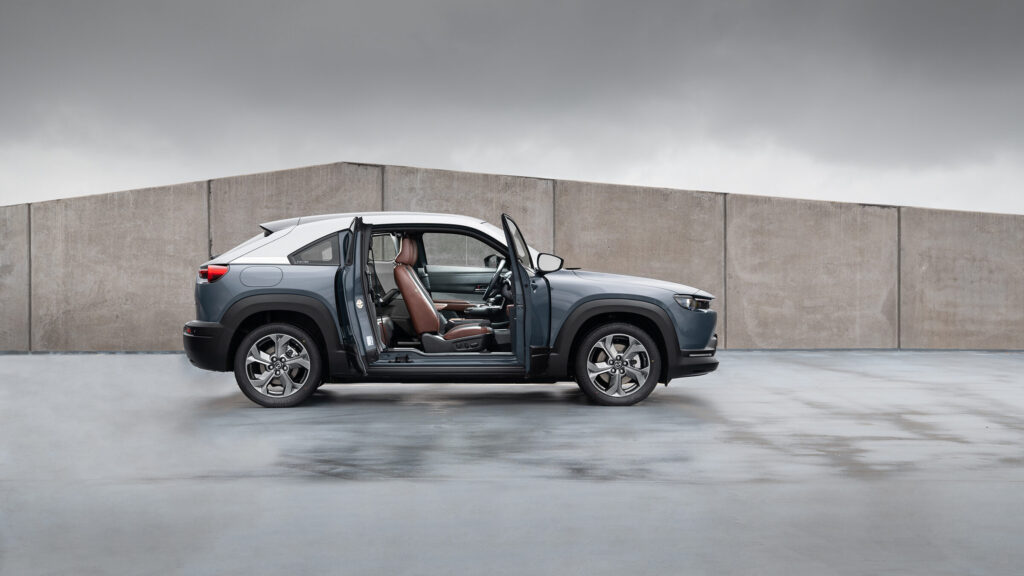
Meanwhile, in the low $20,000s, you’ll find Hyundai Kona EVs, Mini Cooper Electrics and luxe-packed Mazda MX-30 E35 Astinas.
Used EV prices set to plummet
Elephant in the room is BYD’s new Atto 1, priced from $23,990 before on-roads. At that money, not only is it Australia’s cheapest EV, but it’s also on par with the cheapest new combustion cars on our market.
P-platers able to buy new would typically go for something like a petrol Kia Picanto, MG3 or Chery Tiggo 4. All are around the $20k mark, bringing that Atto 1 EV into the conversation.
Here’s the thing. With such a cheap new EV available, why buy a used electric car with expired warranty and an ageing battery for roughly the same price?
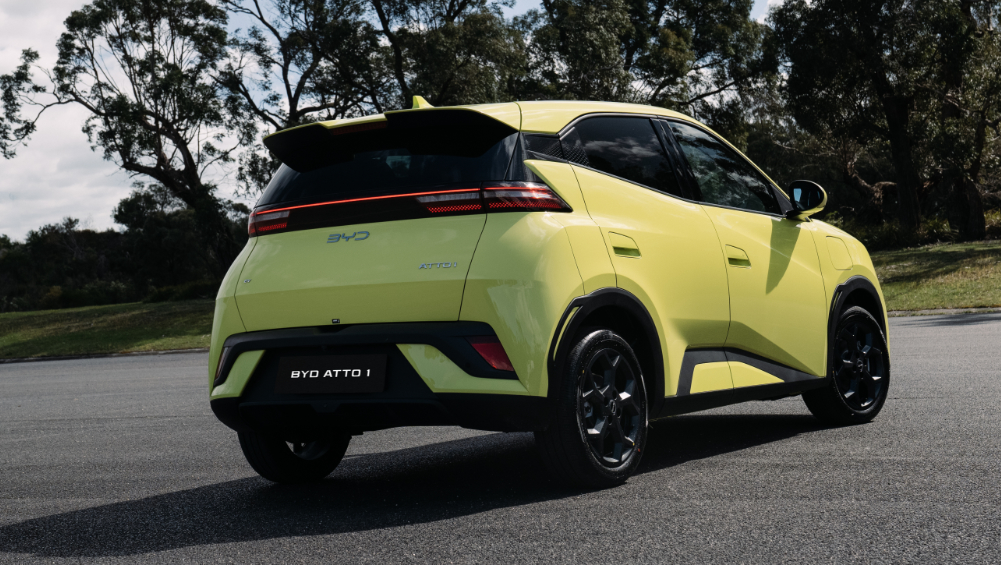
The BYD Atto 1 will squeeze the circa $20k used electric car market. Second-hand EVs will look less appealing, so sellers will be forced to slash prices to meet the market.
Many of the pre-loved EVs listed above should see substantial price drops, and shoppers can make low-ball offers once it becomes a buyer’s market.
What about EV insurance?
There’s no sense owning a used EV if you can’t afford to insure it.
There have been headlines around high premiums for electric cars due to pricey repair bills, so it’s imperative to get quotes before committing.
In positive news, our research on insuring a used EV proved it almost comparable to combustion models.
For our quotes, our sample driver was an 18 year-old male student, insuring a car for the first time, driving 10,000km per year and keeping his car on a driveway in an inner-city suburb of Brisbane.
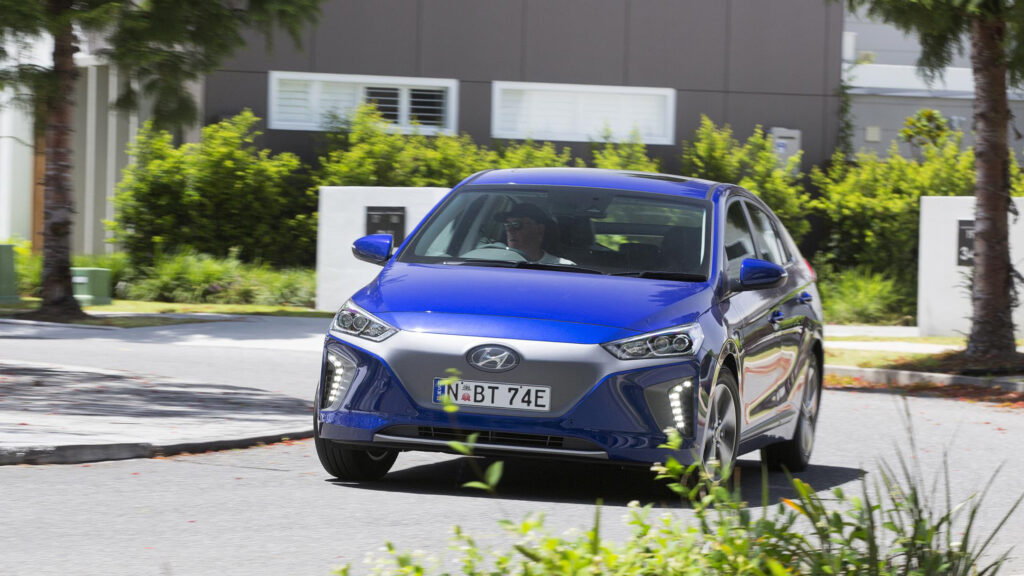
Lowest annual quote for comprehensive cover was $1410 for a 2020 Nissan Leaf, $1438 for a 2019 Hyundai Ioniq Electric, and $1780 for a 2015 BMW i3.
For the same teen driver to insure a 2020 Suzuki Swift petrol was $1269.
Not too much difference. And certainly cheaper to insure than that V8 Commodore.