Denza and Zeekr have Lexus on the luxury hitlist. Here’s why the Japanese brand isn’t worried
The electric vehicle revolution has handed Chinese brands something they never had in the petrol era: a level playing field.
With battery technology increasingly commoditised, names such as Zeekr and BYD’s Denza sub-brand are arriving in the luxury space with lashings of technology, decent design and prices that undercut established European and Japanese players.
The question for incumbents is no longer whether the challenge is coming — it’s whether they have an answer.
READ MORE: Three-row Lexus TZ EV looking good for Australia
READ MORE: 2026 Lexus RX 500h F Sport Performance Review: It’s a very nice Lexus, but not quite what its name suggests
READ MORE: Axed! 2025 Lexus UX 300e bows out in Australia leaving upgraded RZ as luxury brand’s only EV
READ MORE: Lexus RZ600e F Sport to take on Tesla Model Y Performance
Lexus thinks it does.
Newly appointed Lexus Australia chief Jack Hobbs isn’t hitting the panic button – but he’s not pretending the threat doesn’t exist either.
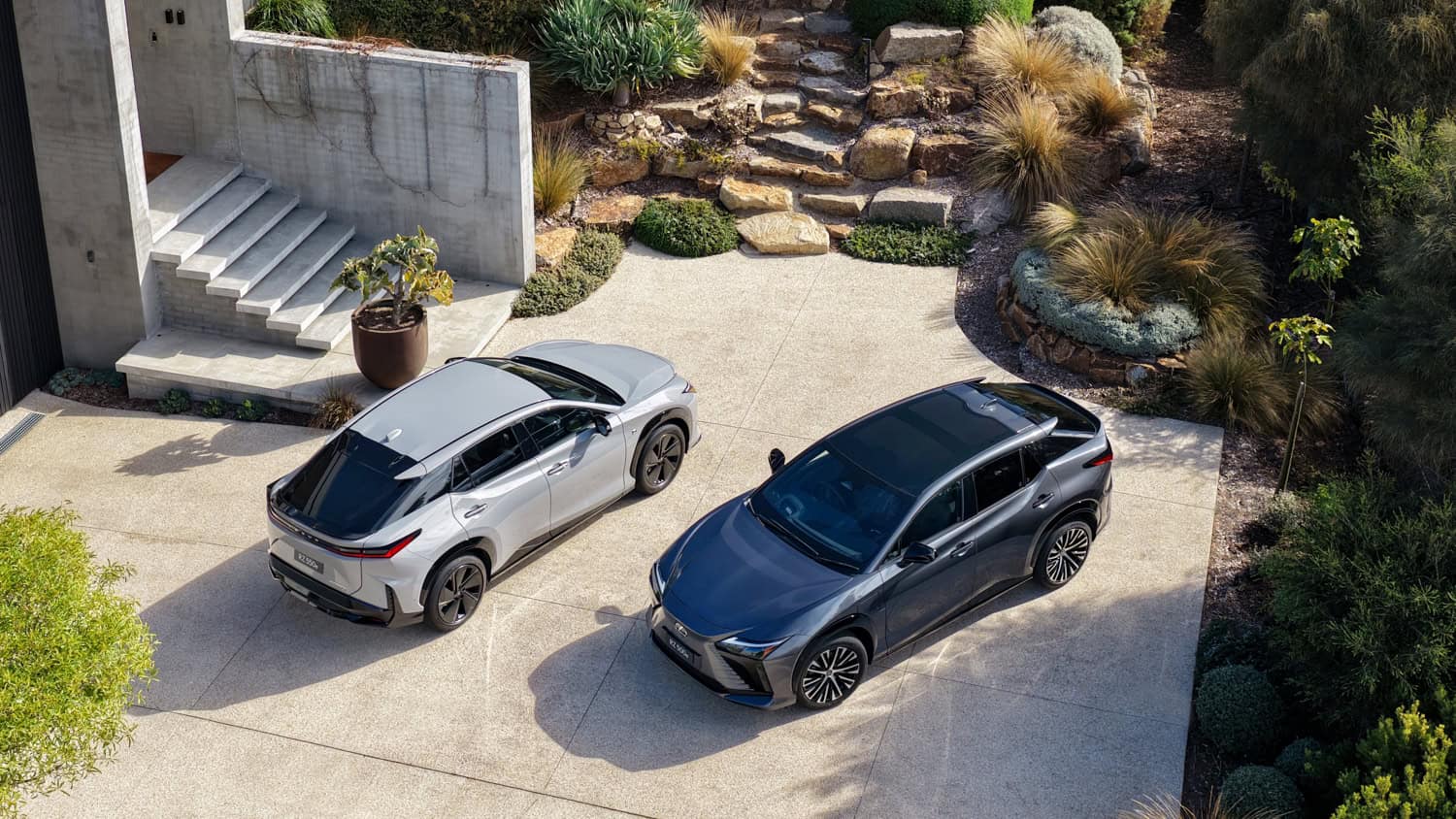
“First and foremost, I think we respect the competition. We welcome it. Actually, I think it’s good for the market in general, because it gives the customers more choice,” Hobbs told EV Central at the launch of the updated RZ this week.
But Lexus has no intention of chasing the newcomers on price.
“We don’t want to race to the bottom, per se, but we want to make sure that we’re offering really good value for what we do offer in the market,” he said.
It’s a position that sounds sensible on paper, but in a market where Chinese brands are increasingly matching European rivals on technology and undercutting them on sticker price, the pressure to respond will only intensify.
Offering more for less is a familiar disruption playbook – and exactly what Lexus did when it first arrived here in 1990 – and the incumbents are watching closely.
Of course, the one thing Chinese brands don’t have is heritage and reputation, two things that are typically very important in the luxury space.
Hobbs’ answer is to lean harder into what Lexus does beyond the showroom.
“Lexus is not just a brand you buy, but it’s a brand that you belong with,” he said. “We want to continue to expand into that space through our lifestyle activations, through our Encore membership, and some of the other things that we offer other than just really good product.”
That ecosystem play – covering not only the dealer experience and after-sales support but importantly the broader Encore loyalty program – is increasingly central to how Lexus positions itself against challengers who can match it on specs but not yet on heritage or network depth.
Hobbs is direct about it: the purchase is only part of the story.
“It’s actually the journey with the customer. There’s a lot more than just the product. We focus on the entire experience.”
Amid the influx of fresh competition Hobbs says Lexus wants to grow – not just defend its position.
“I think there’s space for us to organically grow, yes,” he said, pointing to inflows from both rival luxury brands and buyers stepping up from mainstream nameplates.
Lexus has long served as many buyers’ first taste of the luxury segment, and Hobbs says around half buy another Lexus.
Whether that loyalty sticks as Chinese alternatives grow more sophisticated – and more prestigious – is the question the industry can’t yet answer.
For now, Lexus is betting that belonging beats buying. In an era where the product gap is narrowing fast, it could prove crucial.