


You can save how much? As fuel prices rise a new survey reveals the growing cost advantage of EVs


New data from EV charger manufacturer Evnex claims Australian electric vehicle owners could save more than $30,000 in fuel costs over the life of a car, as petrol prices remain elevated.
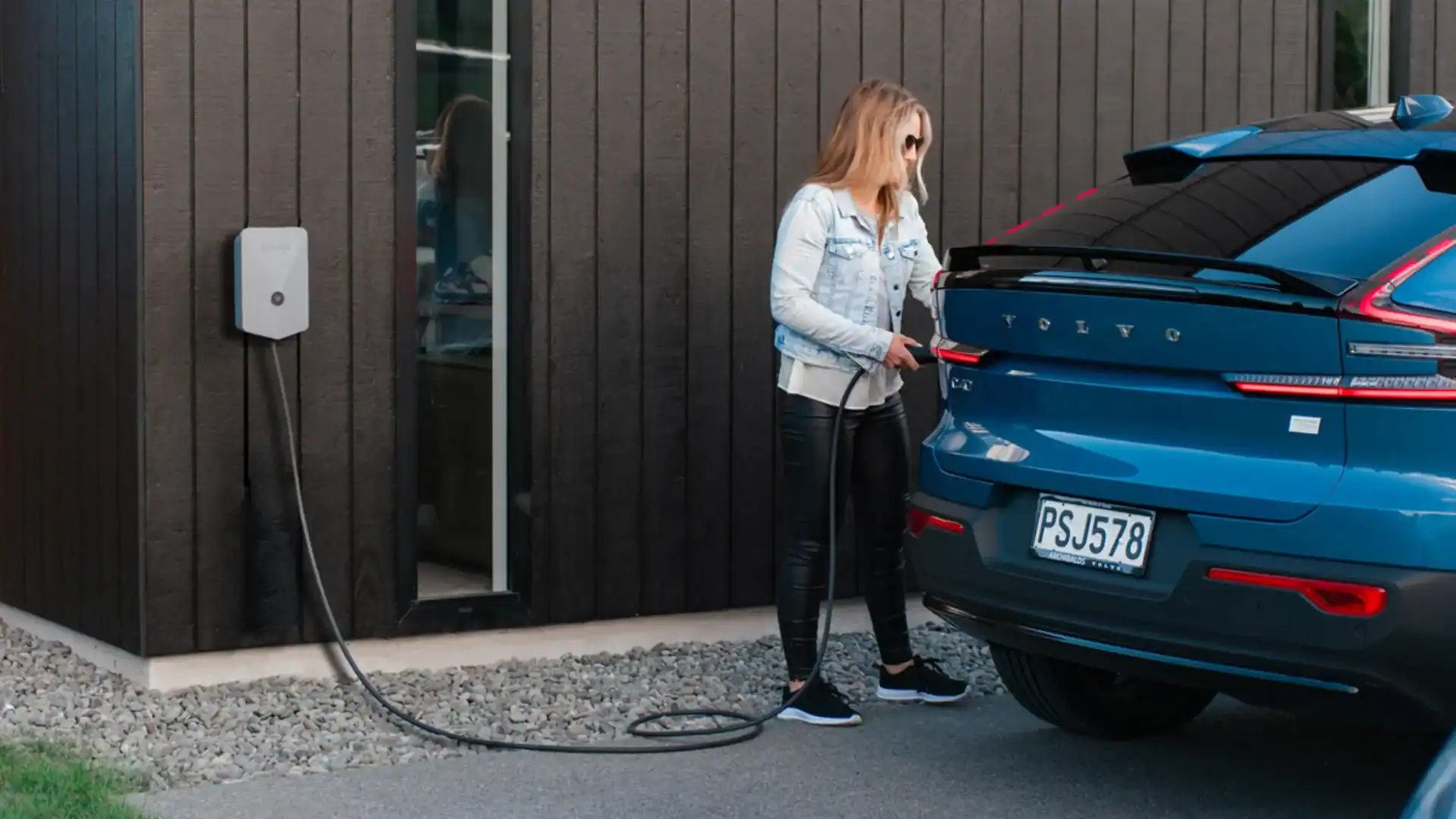
Drawing on data from its network of around 5000 chargers across Australia, Evnex says the average EV driver spends about $380 per year charging at home, compared to roughly $3200 annually for petrol, equating to a saving of about $2820 each year.
Based on the average vehicle lifespan in Australia of 11.5 years, the company estimates total fuel savings of approximately $32,430 for EV owners over the life of their vehicle.
READ MORE: “It’s going crazy!” EV sales surge as oil crisis accelerates Aussie buyer interest
READ MORE: The Middle-East war, the price of oil and how it impacts on EV owners | Analysis (and some opinion)
READ MORE: The most popular postcodes for buying EVs revealed
The figures come as petrol prices climbing past $2 per litre and diesel busting through $3.
With ongoing geopolitical tensions contributing to volatility in global oil markets, the likelihood is those prices will continue to climb and the refuelling financial advantages of EVs continue to grow.
Evnex chief executive Ed Harvey said the data reflects real-world charging behaviour rather than laboratory testing or manufacturer estimates.
“Most people know EVs are cheaper to run, but very few realise quite how dramatic the gap is,” he said.


“When you break it down, the average EV owner is spending around $7.30 a week on charging.”
The company also said annual EV charging costs are comparable to typical household expenses, suggesting running an electric vehicle can cost less than some home broadband plans.
According to the data, a year’s worth of home charging equates to roughly six weeks of petrol costs for an internal combustion vehicle.
Evnex said its analysis is based on usage patterns from Australian households, rather than theoretical consumption figures, and reflects the growing share of renewable energy in the national electricity grid.
Australia’s EV fleet continues to expand, with more than 454,000 plug-in vehicles now registered nationwide, accounting for around two per cent of the total vehicle parc.
Plug-in vehicles made up 13.1 per cent of new car sales in 2025, following a reported 38 per cent year-on-year increase.
The findings add to a growing body of data highlighting lower running costs as a key driver of EV adoption, alongside government incentives such as the Fringe Benefits Tax exemption under the Electric Car Discount.
Harvey said rising fuel prices and broader cost-of-living pressures are likely to keep total ownership costs in focus for buyers.
“A saving of almost $3000 a year is significant for any family,” he said.
“With petrol prices well above $2 a litre, that’s looking like it could get worse before it gets better.”