Ford teases radical $40,000 mid-size electric ute: Designed to smash the BYD Shark 6 and Toyota HiLux EV for range and efficiency
Ford has teased the affordable mid-sized electric ute it will reveal later this year, dubbing it “one of the most audacious and important projects” in its 122-year history of car-making.
Releasing a video teaser of the battery-electric pick-up that details some of its advanced technology, the new all-electric Ford features advanced aerodynamics designed to slash drag and boost efficiency, enabling engineers to use a smaller battery and keep costs down to US$30,000 (A$42,000).
Set for a full-scale launch in 2027, the 14-minute-long video gives the impression the new model will be an indirect successor to the F-150 Lightning EV. It will feature a shape that looks similar to China’s Deepal S07 ‘transformer’ ute.
READ MORE: 2026 Ford Mustang Mach-E Premium Review: Will the latest price slash finally bring some sales?
READ MORE: Ford plans high-performance pivot to hybrids: Fancy a petrol-electric V8 Ranger Raptor? It could happen!
READ MORE: Ford hits pause on EVs: F-150 Lightning axed, hybrids and range extenders fast-tracked
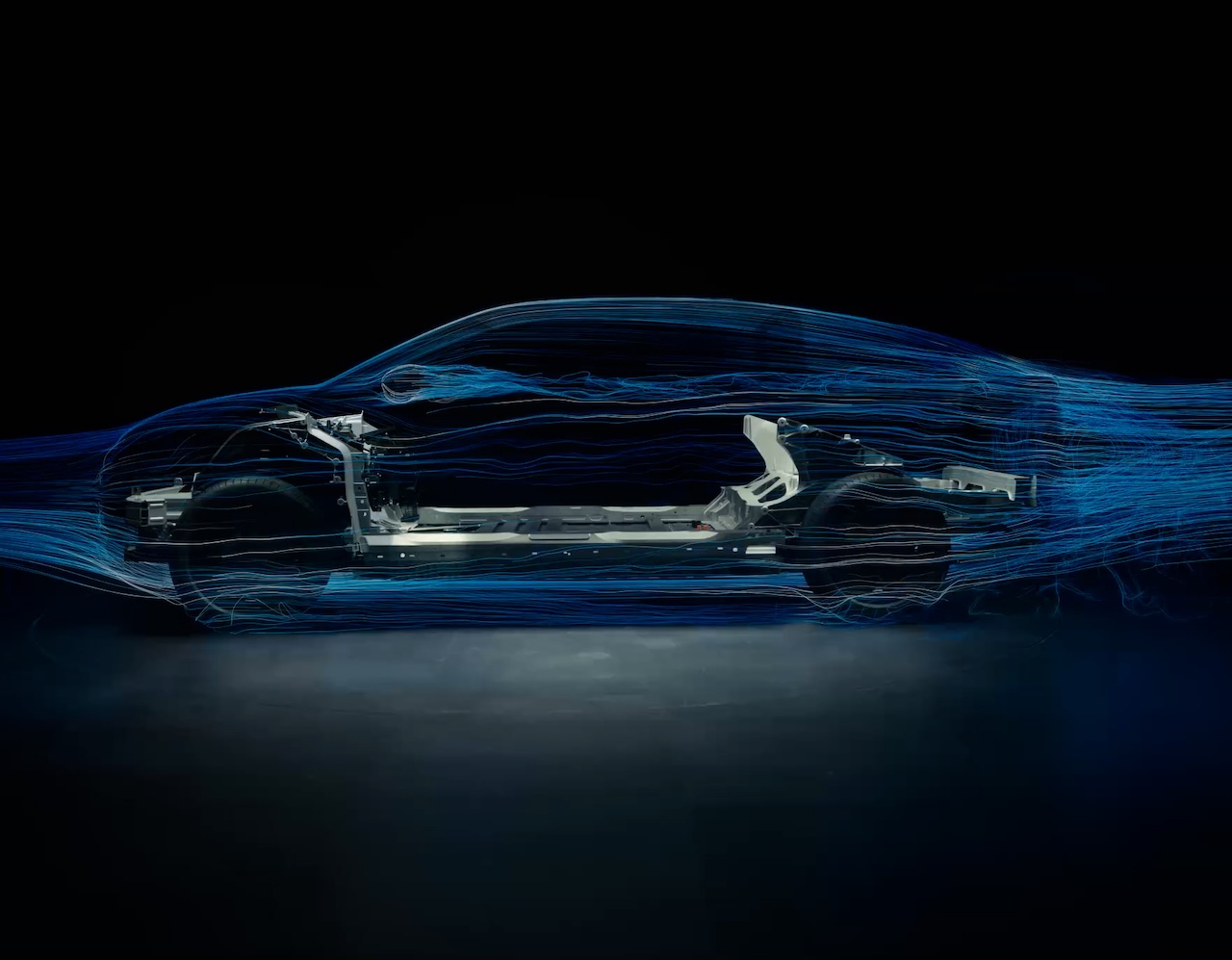
In the video, Ford reveals the new unnamed zero-emission utility will, thanks to its slippery shape, have “aerodynamic efficiency [that] is more than 15 per cent better than any other pickup truck on the market today”.
The lower, sleeker shape, says the US brand, “will ultimately result in longer range and lower cost for our customers”.
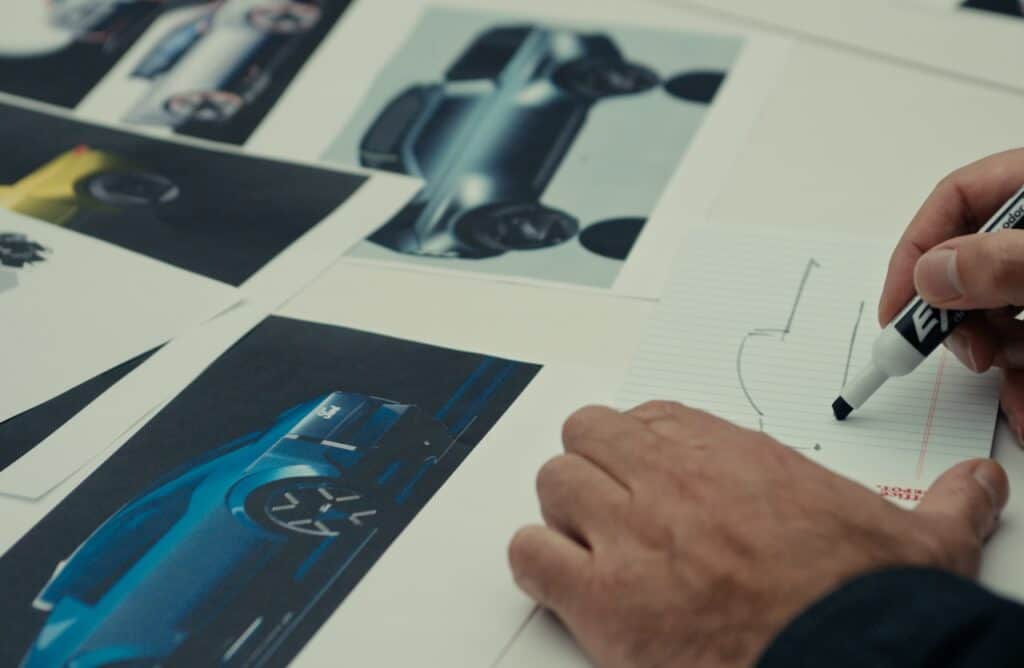
The curvy front end and smooth, rakish rear are said to allow the air to ‘skip’ over the bed, reducing drag. Even the side mirrors have been shrunken by 20 per cent, which alone adds almost 2.5km of range.
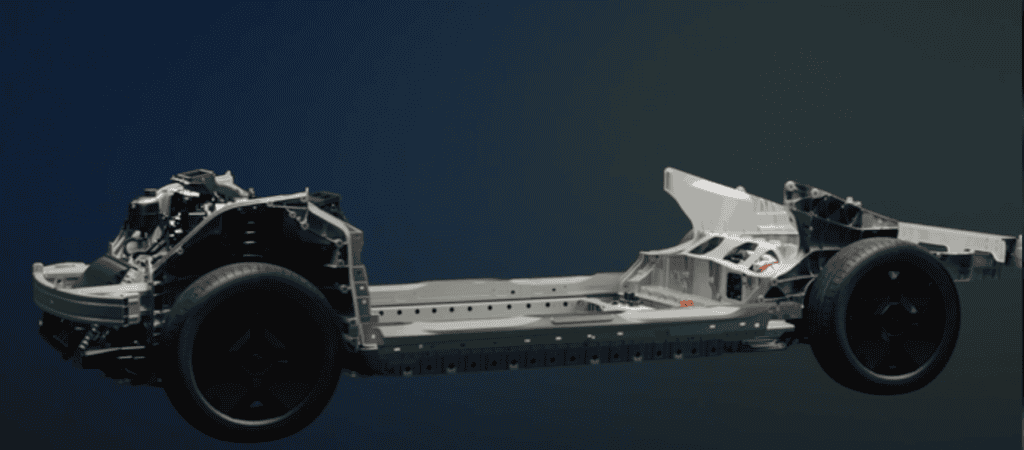
Based on Ford’s all-new Universal EV platform (pictured top), the US car-making giant says the new EV ute will employ large aluminium uni-castings that are 27 per cent lighter than rivals.
The new Ranger-sized pick-up will also have just two structural components, compared to the car-based Maverick ute’s 146, saving cost and making the new small truck easier and cheaper to build.
Further savings come from using a low-cost lithium-iron phosphate battery pack, plus a new regenerative braking system. Combined with the weight savings and efficiency gains, Ford says it has been able to employ a smaller battery pack.
Currently, around 40 per cent of an EV’s total cost comes from the battery, with the pack accounting for more than 25 per cent of total vehicle weight.
To help keep tabs on the new EV’s development, Ford said it introduced a ‘bounty system’ focused on anything that would specifically affect range or battery cost.
If a designer added 1mm to the roof, for example, engineers calculated the additional height would add US$1.30 in battery cost or reduce range by 0.09km.
One area where the Ford truck misses out is high-voltage electrics, making do with a 400-volt system, although it does feature 48-volt electrics for low-voltage devices.
The latter increases efficiency and is said to reduce charging times and maximise battery lifespan.
Another benefit is a wiring harness that is 1219m shorter and 10kg lighter than a vehicle using traditional 12-volt electrics.
Created with plenty of input from Ford’s skunkworks engineering team in California, the new low-cost battery-powered ute is considered a major project because it has been designed to democratise electric vehicles in North America.
There is still no word on whether the pioneering ute has been engineered for right-hand-drive markets, which would open the door for Australian sales.
It is also unknown whether the new mid-size ute will carry the Ranger nameplate, already used successfully in the US, although other reports suggest senior executives are considering resurrecting the Ranchero name for the new EV truck.