Supercar-hunting 300+kW Cupra Raval R confirmed: Red-hot EV on the way to humble combustion-powered hot hatches
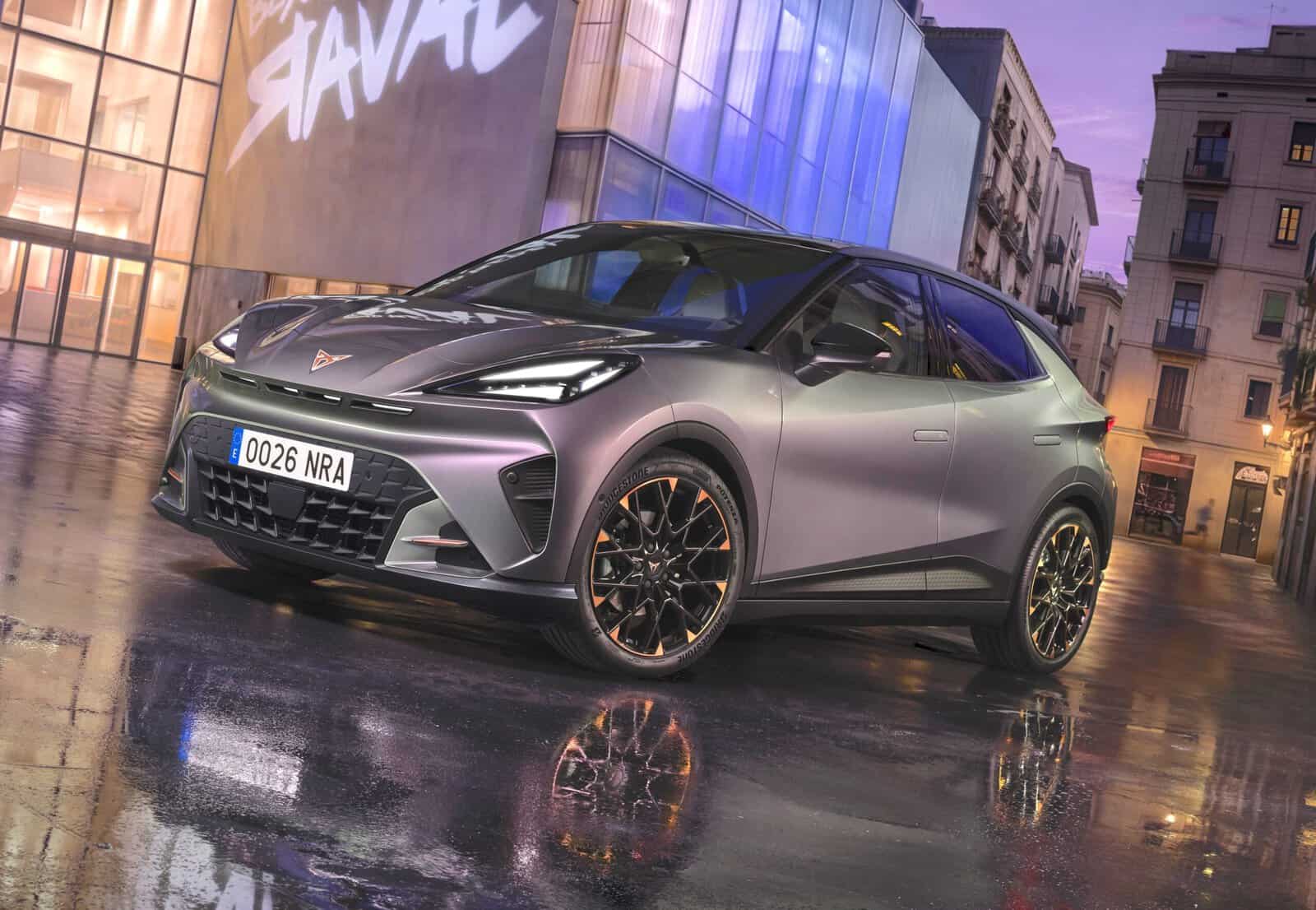
Cupra has announced a white-hot quad-motor Cupra Raval is on the way that will boast a pioneering quad-motor all-electric powertrain, epic power and unmatched levels of agility.
Developed alongside the Volkswagen ID. Polo R, the powerful Cupra Raval is expected to revive the firm’s Racing badge that was last used back in 2018 on the extreme Seat Leon Cupra R.
Speaking to EV Central, Cupra’s global product boss, Toni Gallego, said conventional powertrains were considered for the hot Raval Racing but were ultimately ruled out in favour of far more advanced in-hub motors because of the benefits they bring.
READ MORE: Cupra Formentor PHEV upgraded: More power, more range and DC charging capability added
READ MORE: Wild Cupra Tindaya previews new VW Group 365kW range-extender hybrid powertrain … and next-gen Cupra Formentor
READ MORE: Radical electric Cupra previewed: New concept to join production Raval small EV at Munich show in September
Already previewed on the rear axle of the VW ID. Cross concept, the beauty of the new design is that each unit incorporates its own power control unit and, without any half-shafts, conventional transmission or differential, the in-hub motors weigh just 39kg apiece.
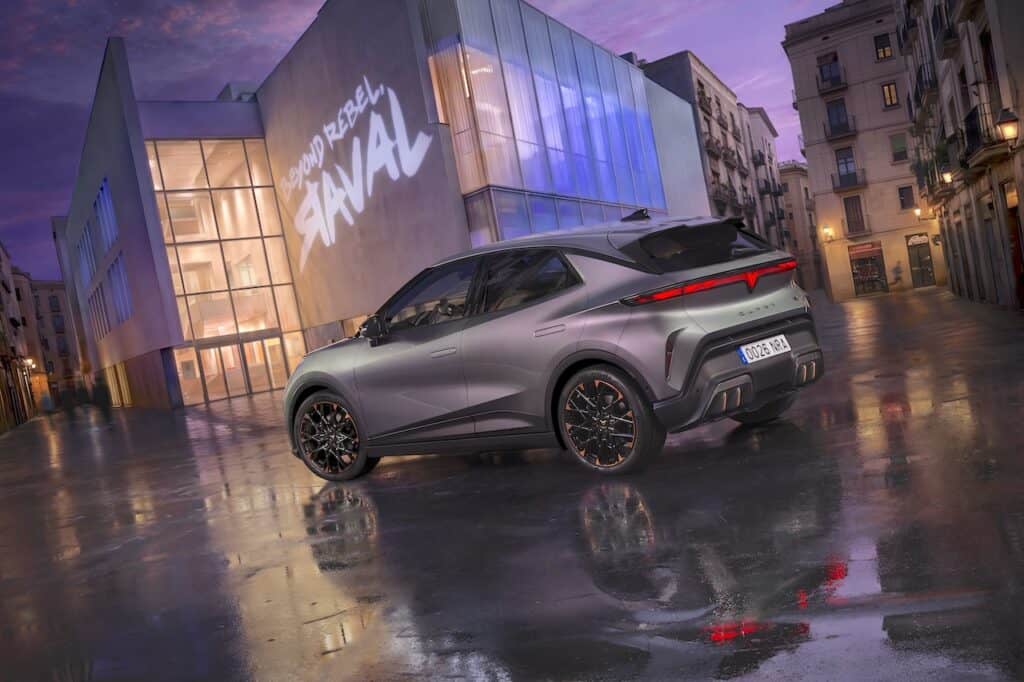
With each e-motor producing around 100kW, the Cupra hyper hatch is expected to come with at least 300kW, with the final figure capped by how much power the high-voltage battery can pump out.
Set to be more power-dense than the existing 52kWh battery, it’s been hotly tipped the 4.1m-long Raval Racing should be able to sprint from 0-100km/h in less than 3.0 seconds – comfortably beating the 3.8 seconds an Audi RS 3 or MG4 XPower takes.
Another advantage of in-hub motors is their ability to deliver unmatched torque vectoring, precisely measuring how much force should be applied to each wheel, with the system able to neutralise any understeer or oversteer in milliseconds.
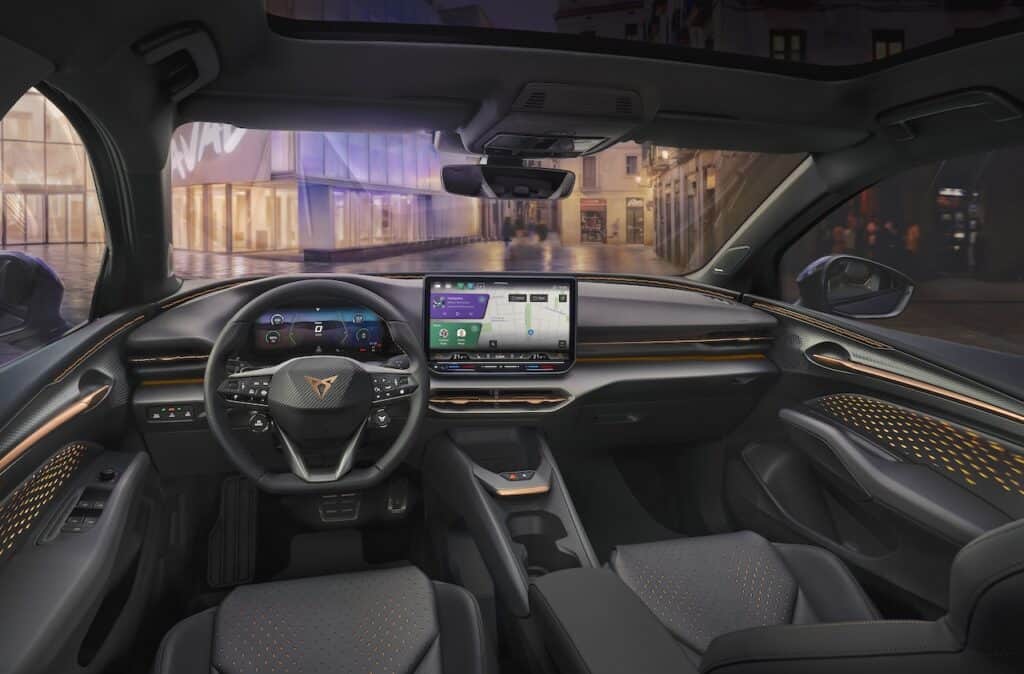
Brake regeneration will also be class-leading, with the Raval Racing able to claw back more energy than any of its rivals, boosting both efficiency and real-world range.
Finally, by being able to package the motors within the wheels, Gallego says both cabin space and the Raval’s large 441-litre boot are unaffected.
The big problem is the added unsprung mass, which means it will need a sophisticated active suspension system, all of which adds considerable cost.
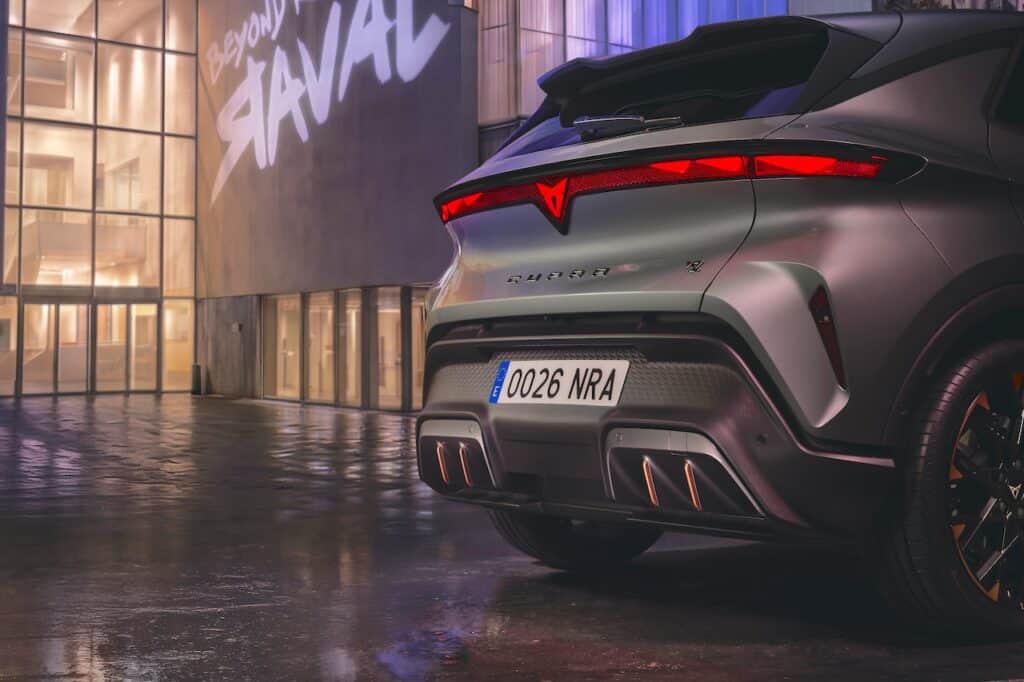
“We requested four-wheel drive from the beginning, but it requires a huge investment. It’s crazy. I cannot say the final figures, but the good thing is we can manage the production mix across our four plants to balance out the high development costs.”
As well as sharing the high price of development with the Volkswagen ID. Polo R, faster versions of the VW ID. Cross SUV are also expected, along with detuned, non-sporting variants.
Using the Raval as a testbed, the same technology could go on to power the Mk9 Golf R, the next-generation Skoda Octavia RS and other hot VW Group models.
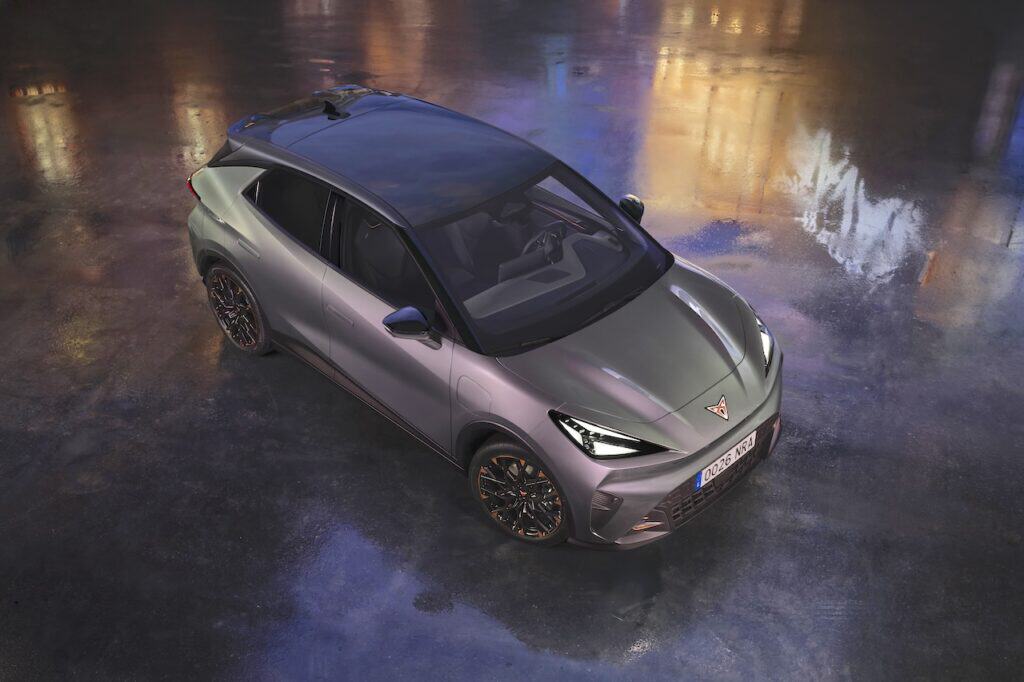
Gallego was careful not to reveal exact powertrains for the mules it is already testing, nor did he provide a timeline for when the faster Raval Racing and ID. Polo R will make their debut, but it’s thought the pair of fast all-electric hot hatches should land in 2028.
“Some figures cannot be communicated right now. It is a concept [for now] and we are exploring how the performance works. It’s a massive investment from the technical centre.”
It’s not just the Raval Racing that Gallego’s team of engineers are working on. Following its launch a raft of improvements will also be introduced to the core Raval model, including virtual gearshifts and a higher 190km/h speed limiter after some reports suggested media and potential owners thought the current 175km/h cap was too low.