



As Australia swelters, Nissan reveals a solar-powered version of the Ariya EV

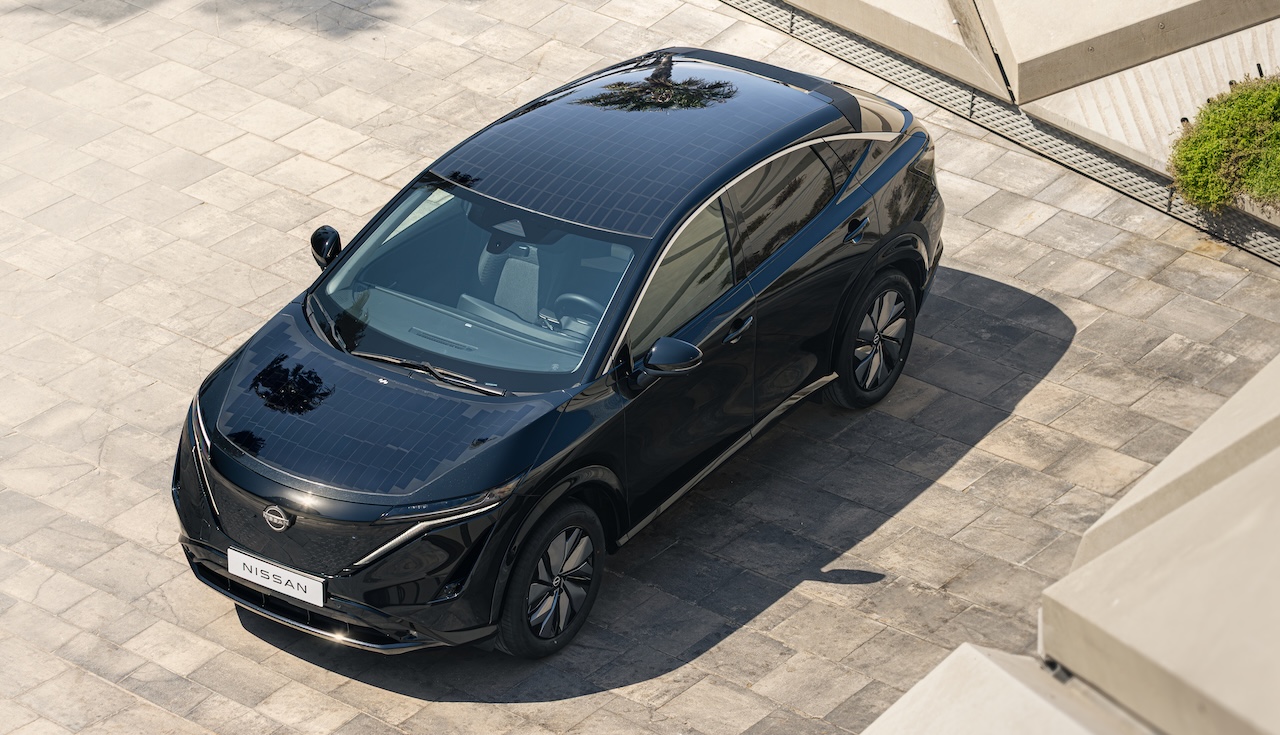
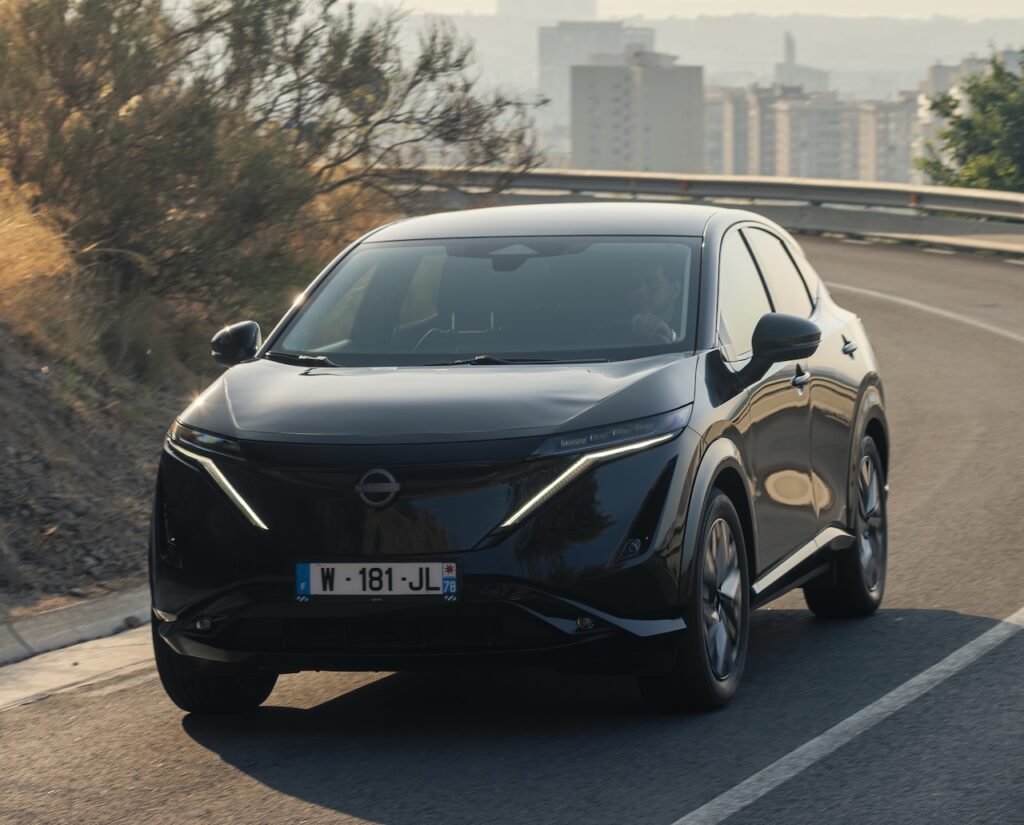
Nissan has unveiled a solar-powered version of its Ariya electric SUV, offering a glimpse of a future where EVs may be able to top up their own batteries simply by sitting in the sun.
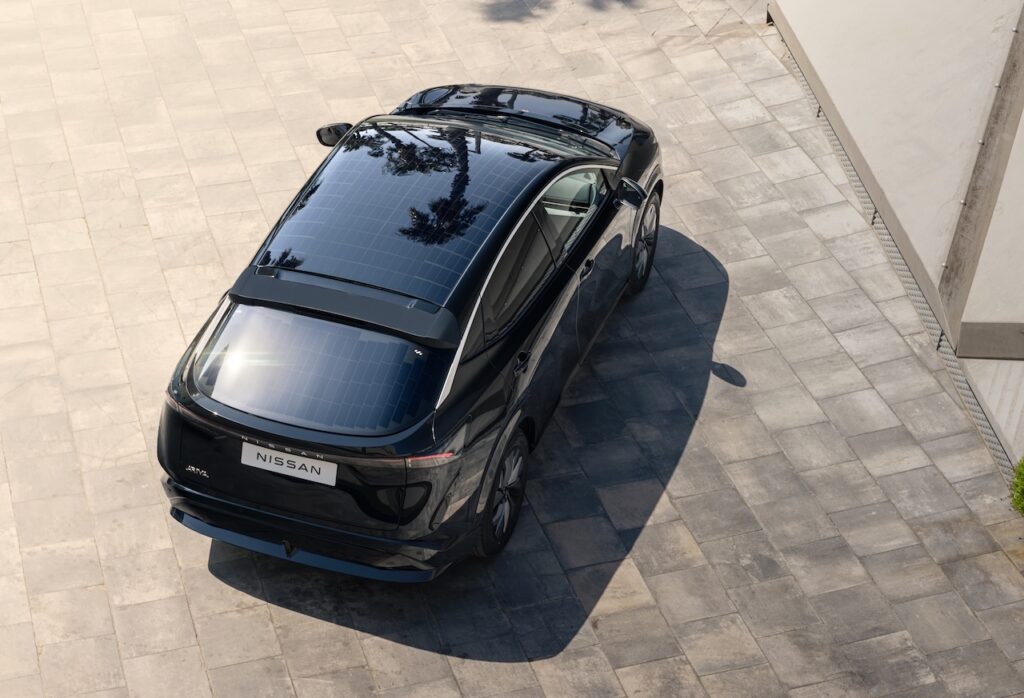
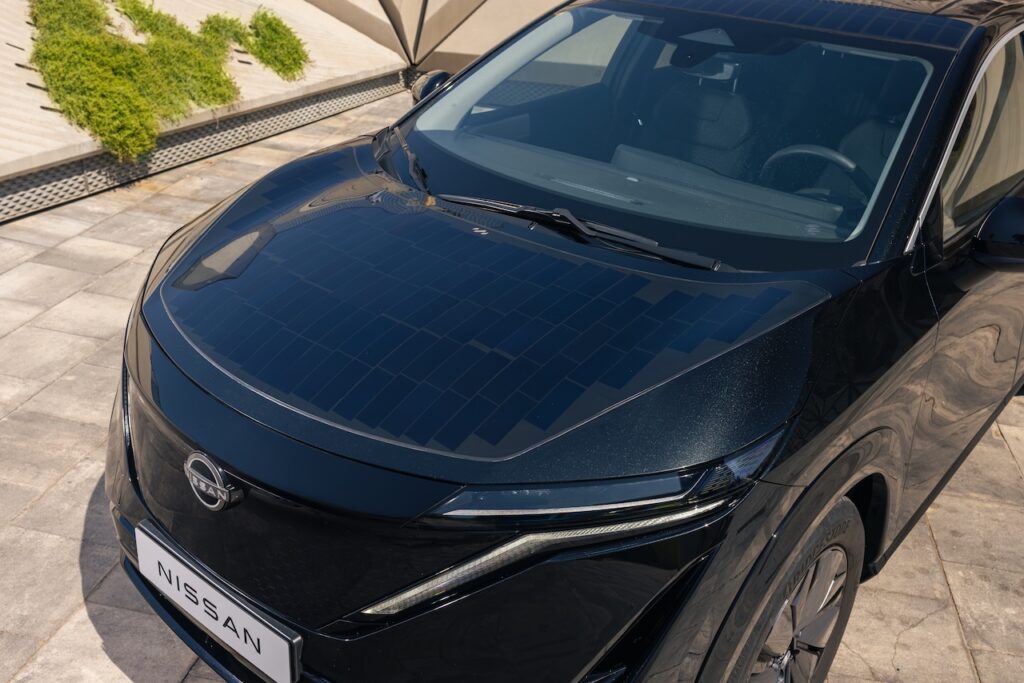
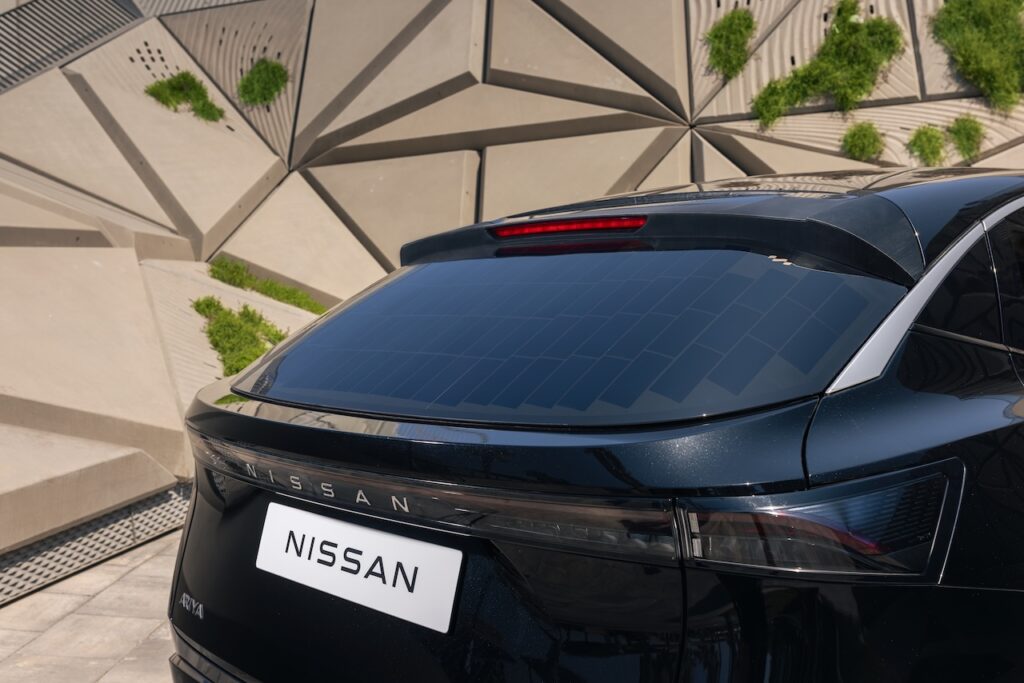
Revealed to mark Clean Energy Day, and released coincidentally as heatwave conditions blasted much of Australia, the concept Ariya is fitted with 3.8 square metres of high-efficiency photovoltaic panels integrated into the bonnet, roof and tailgate.

The panels feed DC electricity directly into the vehicle’s system via a dedicated controller, allowing the car to harvest energy whether it is parked or being driven.
READ MORE: 2025 Nissan Ariya Review: Electric SUV finally boosts Japanese brand’s EV artillery to fight Tesla, BYD, Kia and MG
READ MORE: Revolutionary! Mercedes-Benz solar paint could mean Australians never have to plug their EVs in again
READ MORE: Electric Renault 4 powered by transparent solar panels
According to Nissan’s testing, the system can add up to 23km of driving range on a bright sunny day.
In solar-rich cities such as Dubai and Barcelona, daily averages of between 17km and 21km were recorded, while even London conditions returned an average of just over 10km per day.
Nissan says this could reduce charging frequency by between 35 and 65 per cent depending on how and where the vehicle is used.
For drivers who commute short distances, the implications are significant. Nissan’s engineers calculated that a 6000km-per-year driver could reduce annual plug-in charging sessions from 23 to just eight if the vehicle was regularly exposed to sunlight.
The project was developed in collaboration with Dutch solar mobility specialist Lightyear, a company that has spent much of the past decade attempting to commercialise solar-assisted electric cars.
Lightyear famously launched the ultra-efficient Lightyear 0 production car before entering bankruptcy in early 2023.
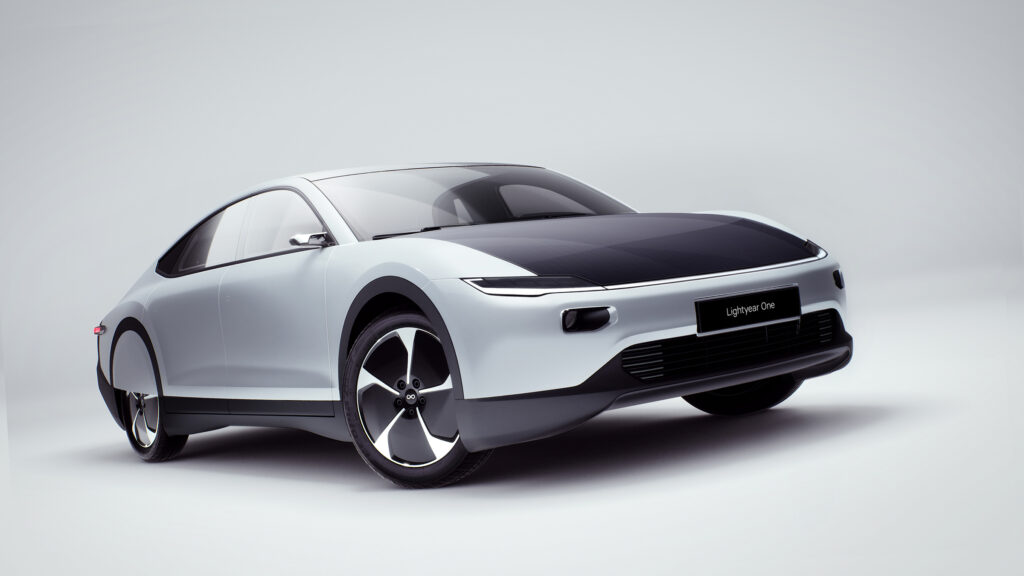
The company has since re-emerged as Lightyear Technologies with fresh backing and a renewed focus on developing a more affordable solar EV platform, rather than attempting to build complete vehicles itself.
That background is important context for Nissan’s concept. Solar-assisted driving is not a new idea, but turning it into a viable commercial product has proven extremely difficult.
Nissan positions the Ariya concept as an exploration of how future EVs could “generate their own renewable energy” and reduce reliance on charging infrastructure, particularly in regions where chargers remain scarce.
The company says the project aligns with its long-term goal of achieving carbon neutrality across the life cycle of its products by 2050.
However, the broader industry experience shows why solar cars remain rare.
Energy experts consistently point out that while vehicle-integrated solar can produce meaningful energy, the output is highly variable.
It depends on weather, latitude, time parked in direct sunlight, how clean the panels remain, and whether the vehicle is garaged or parked under cover for much of the day.
Even optimistic daily energy harvest figures can fall sharply in real-world use.
For this reason, most analysis concludes that solar on a car is best treated as a supplementary source of energy rather than a replacement for plug-in charging.
That supplementary role is exactly where Nissan’s numbers become interesting. An extra 15–20km of range per day in Australia’s climate would cover a large portion of many urban commutes without ever needing to connect to a charger during the working week.
Over months and years, that could translate to a meaningful reduction in electricity consumption and charging inconvenience.
It also reframes how solar is viewed in the EV space. Rather than attempting to power a vehicle entirely from sunlight, as some early solar car pioneers proposed, modern approaches focus on efficiency gains and incremental energy capture that reduces reliance on the grid.
In that sense, the Ariya concept sits somewhere between today’s EVs and the long-promised idea of self-charging cars. It demonstrates that the technology is viable, but also highlights why it has yet to appear on mainstream production vehicles.
“The solar‑powered Ariya concept embodies Nissan’s belief that innovation and sustainability must move forward hand‑in‑hand. By exploring how vehicles can generate their own renewable energy, we are opening the door to new opportunities for customers—greater freedom, reduced charging dependency, and a cleaner future. This concept is not just a technical milestone; it’s a vision of how Nissan intends to lead the next phase of electric mobility.”, said Shunsuke Shigemoto, Vice President ePowertrain & Internal Combustion Engine Powertrain (ICE), Technology Research & Advanced Engineering & Chief Powertrain Engineer, Nissan AMIEO.