
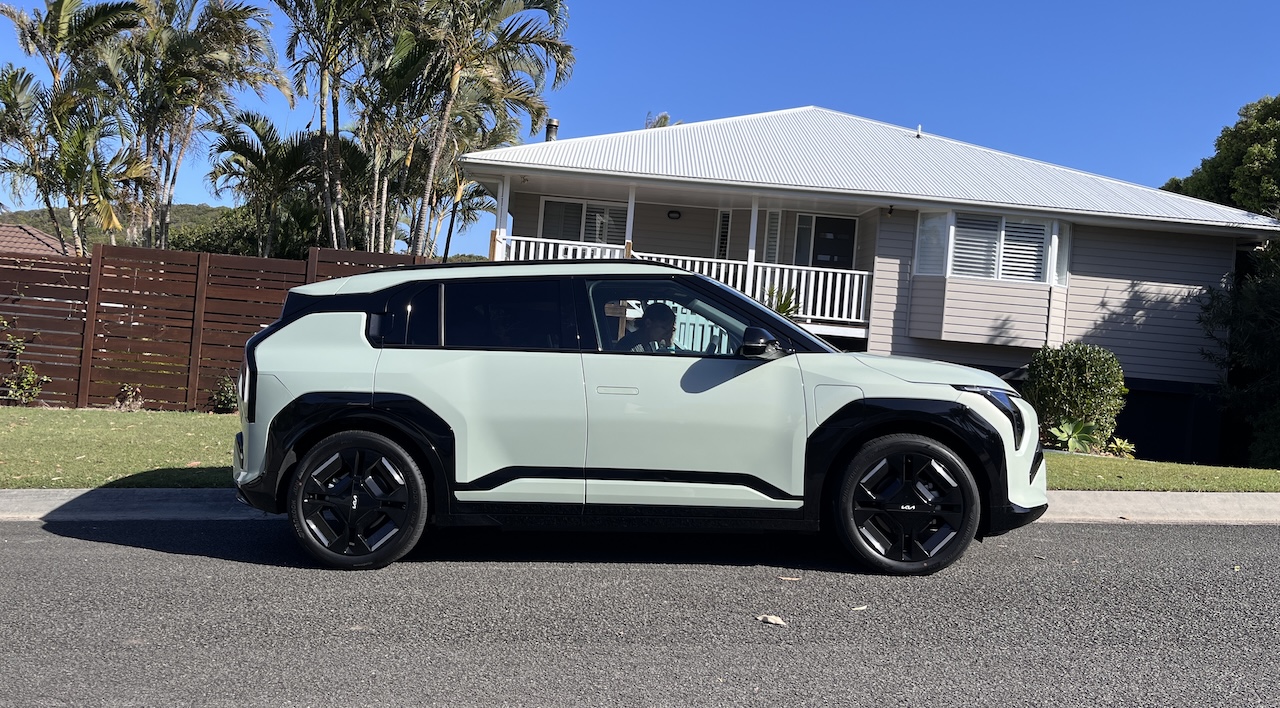
Iain Curry’s best electric car of 2025: Kia EV3
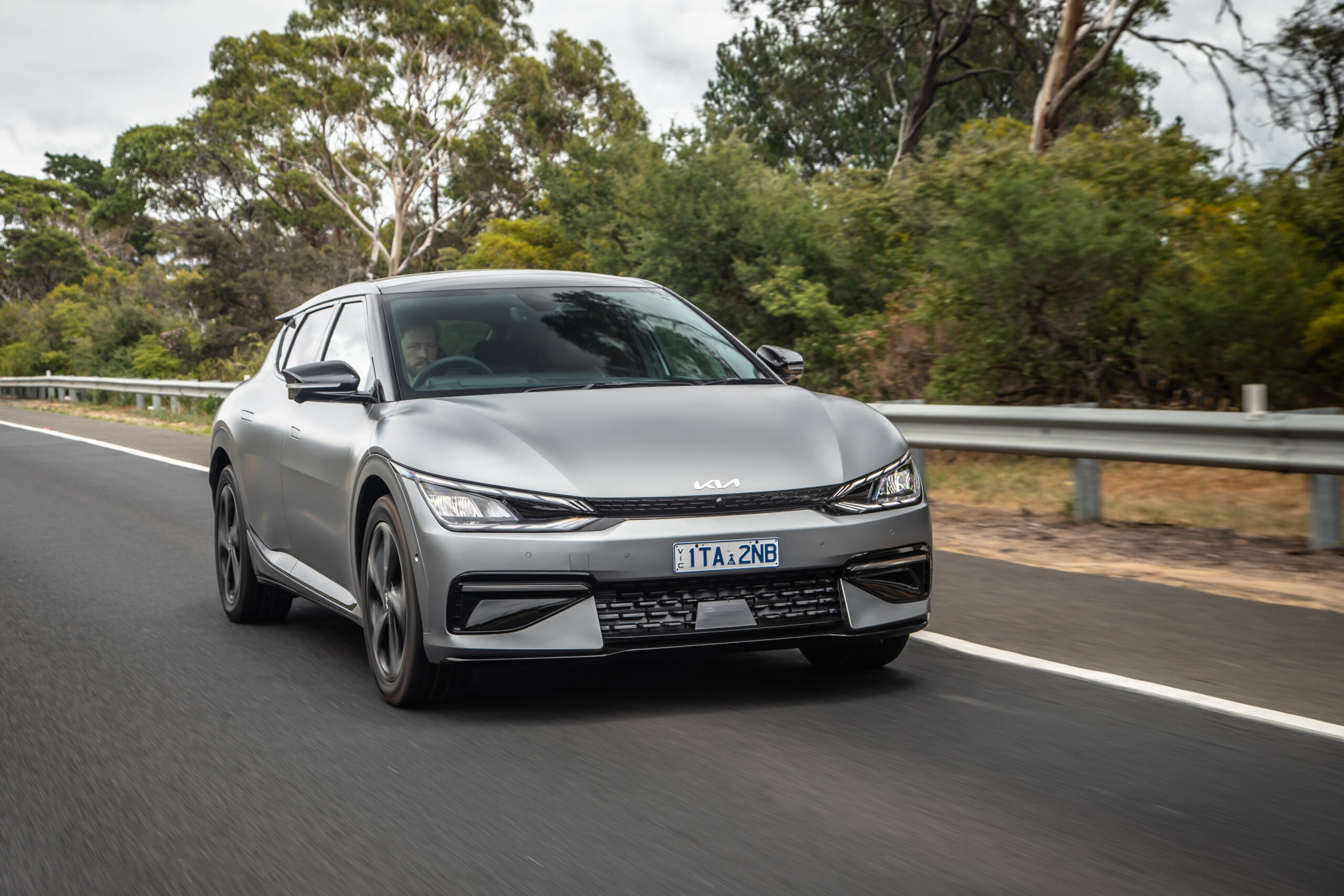
No car brand produces as many segment benchmarks as Kia, and with its EV3 the Korean has aced the booming electric small SUV market.
It’s my best EV of 2025.
Just as the Carnival owns the people mover segment, and the Picanto is the best city car, Kia’s EV3 feels stand-out brilliant next to a Hyundai Kona Electric, Volvo EX30, MG S5 EV and Renault Megane E-Tech.
Exterior design is futuristically boxy and toy-like chunky; the cabin’s spacious, layout’s excellent and there’s proper polish to the drive experience.
READ MORE: Kia EV3 GT-Line Seven-Day Test: Korea serves up a lesson in small SUV desirability
READ MORE: BMW iX3 50 xDrive Review: The best car of 2025?
READ MORE: Why the Renault 4 and 5 EVs are going to save the world, not Orange Don or Elon.
On the EV front, the entry-level EV3 Air Standard Range offers 436km between charges – ample for most use cases – and peak charging is 150kW, so in ideal conditions you’re looking at 30 minutes to go from 10-80 per cent. Good enough.
Crucially, it (and Hyundai’s Inster for that matter) really takes the fight to the current flood of Chinese electric cars.
Not on price, but by reminding buyers there’s more to a car than just cramming it full of whatever “enticing” features are lying around.
The Chinese tactic of a bargain basement price allied to generous equipment is reaping sales rewards, but you’re often lumbered with a car high on bling but low on drive experience.
Trust me. After a few months you’ll want the daily driver to ride and handle beautifully – as the EV3 does – far more than you’ll want a giant rotating touchscreen, arse-freezing leather-like seats and annoying digital assistants.

The Kia EV3 has prioritised the basics very well. Its 150kW/283Nm front motor is well calibrated for perky but not wheel-spinning performance, while the Aussie-specific ride and handling tune is up there with the best EVs I’ve tested.
It’s firm-ish but never crashy, feels tied-down in corners, grips mightily and there’s decent steering feedback. If you care about driving (and you should), it’s a car you look forward to piloting.
The same can’t be said for most of its cheaper rivals. I still have no idea how people buy cars that frustrate and annoy them… yet many do just to save a few grand or snare unnecessaries like heated rear seats.
The EV3 feels fair value from $48,990 drive-away, although the Earth Long Range (563km range) is the pick with its mighty spec for $62,690 on the road.
The family SUV? It’s large enough for our family of four with a teen and a tween… and is a far better EV than its EV5 big brother.
Biggest EV surprise of 2025: Renault’s massive own goal
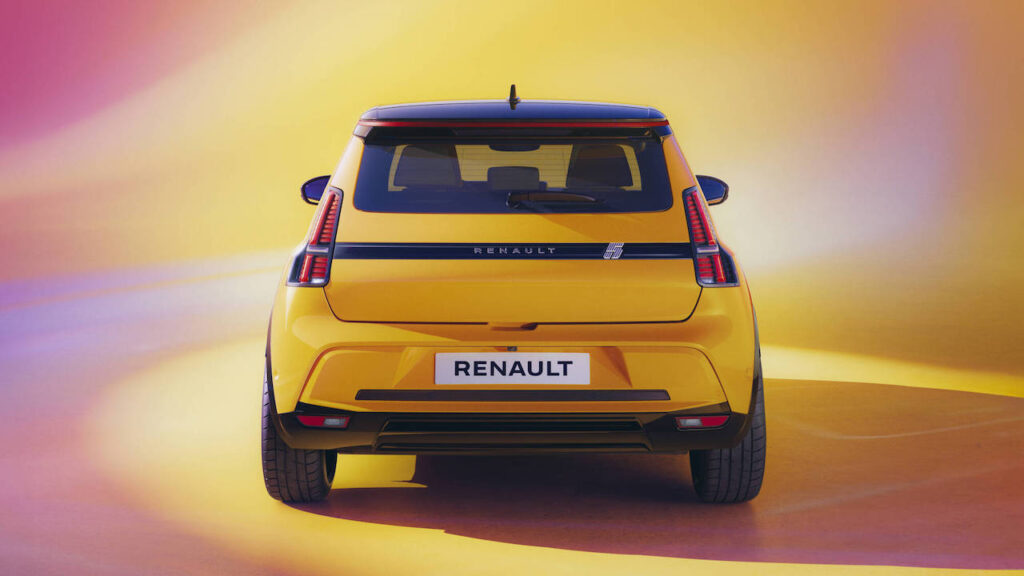
This time last year I said the car I was most looking forward to in 2025 was the retro delight Renault 5 EV.
It didn’t arrive in Australia. Nor is it on the immediate horizon. Surprised? More than that. I’m bewildered and endlessly disappointed.
I visited Europe in the middle of this year, and these 5s were everywhere in right-hand-drive UK, where the roughly $40,000 small hatch sells around 2000 per month, and in some months has outsold the Tesla Model Y.
Next I popped over to continental Europe and 5s were even more ubiquitous. And I spotted a few Alpine A290s – the hot version of the Renault 5.
It’s a car the absolutely sells on looks alone, but apparently they’re bloody good to steer too. I want one.
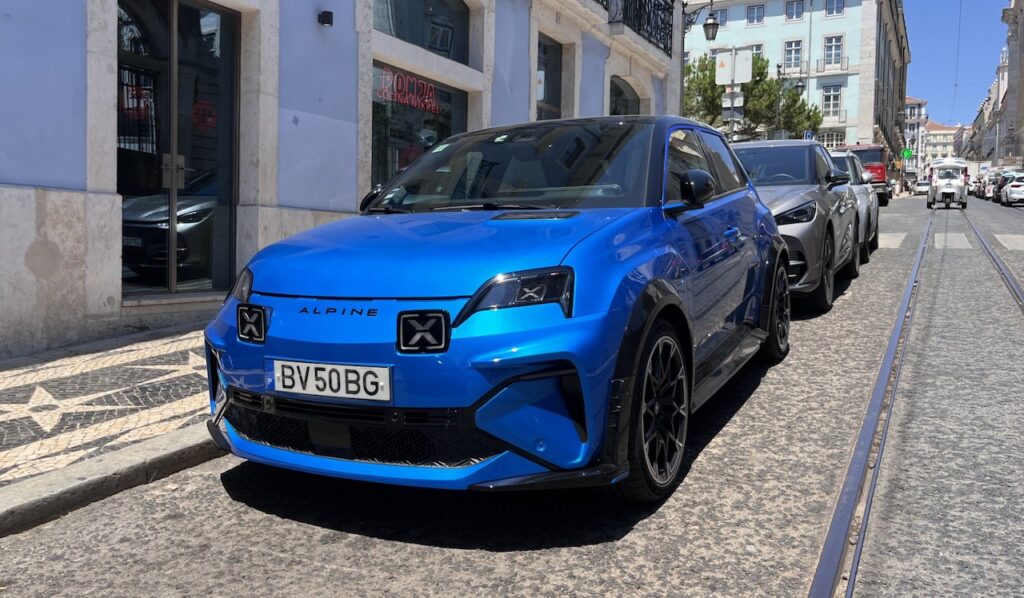
The French-made little EV won 2025’s European Car of the Year, and over 100,000 have sold in total already.
Yet not a sausage – or saucisson – for Australia.
Renault Australia’s sales are down 17 per cent this year, its electric Megane barely troubles the scorers, and returning Chinese player Geely is outselling the long-established French brand already.
Geely’s name was mud in Australia following its early 2010s exploits with awful unsafe cars and then it retreated from our market. Yet it’s selling more than Renault five minutes after its return? It must be down to product, and Renault does not have what the people want right now.
I fear Renault’s incoming $60k drive-away Scenic E-Tech SUV will struggle in a quality-packed, crowded segment. I certainly lacks the styling desirability of the little Renault 5.
I know the 5 hatch has ADR hurdles, but brands like Renault are surely fighting for their survival in Australia.
Citroen’s already gone due to not having the right product at the right time. Renault must get the 5 (and equally brilliant Renault 4 SUV) to our market soon – if there are delays of a Nissan Ariya nature (five years late), the goodwill and sales potential will be gone as it becomes old news and an old car.
Which would be a monumental waste.
The EV I’m most looking forward to in 2026: BMW iX3
I’ve fallen out of love with BMW in the past decade or so.
Why should anyone care? Because I used to be a customer, owning six of Bavaria’s finest in the past 25 years. There’s still an old 5 Series (2001 E39 530i M Sport) in the garage, which is my ride/handling palate cleanser after testing yet another wobbly SUV from a brand I don’t recognise.
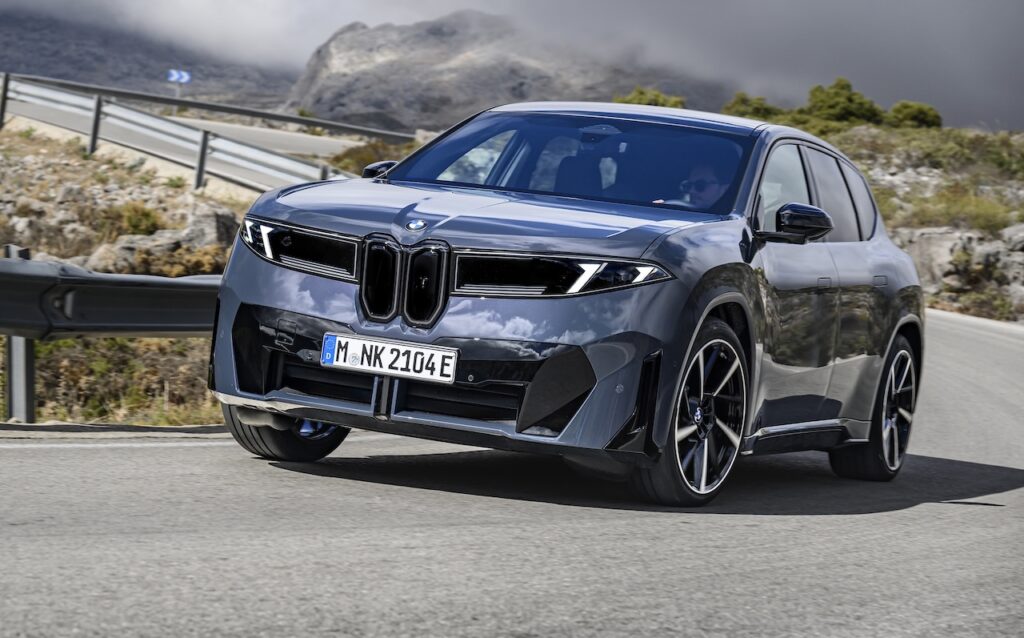
The iX3 looks a blessed departure from the over-sized, chubby and ludicrously be-grilled current BMW SUV offerings.
It’s the “new” Neue Klasse (Google it, kids), and something of a reset.
The iX3 looks cleaner and classier – as if BMW wants it to appeal to those who give a shit about design, rather than pandering to markets wanting the biggest, blingiest, look-at-me styling horrors.
Overseas reviews of the iX3 suggest it’s exactly what I’d want from the family BMW: brilliant blend of comfort and driving dynamics, superb range and a beautiful cabin.
Perhaps most encouragingly, it’s just the start of this new EV platform’s potential.
I expect BMW to deliver electric small hatchback, sedans and wagons (alongside SUVs) which will be segment-leading and desirable to behold.

Totally agree with you about the Renault 5 and A290. Maybe the local importer thinks us Aussies only buy Utes and SUVs. Not true if the product is good. Renault Australia seem to be playing it safe with bringing only the Scenic e-tech here. Not good enough.
Astonishing that Renault haven’t brought the 5 and 4 here. I’m not buying a Renault to get a big bland blob like the Megane E tech that looks like every other family SUV. I drive a Renault for the style and flair.