Ford hits pause on EVs: F-150 Lightning axed, hybrids and range extenders fast-tracked
Ford Motor Company has announced it has gone back to the drawing board in the USA when it comes to its EV strategy.
The move, revealed the same week a new EV alliance with Renault was announced in Europe and the EU Commission back-tracked on a 2035 ICE ban, is being made in a bid to stem haemorrhaging losses triggered by slowing demand for electric cars globally.
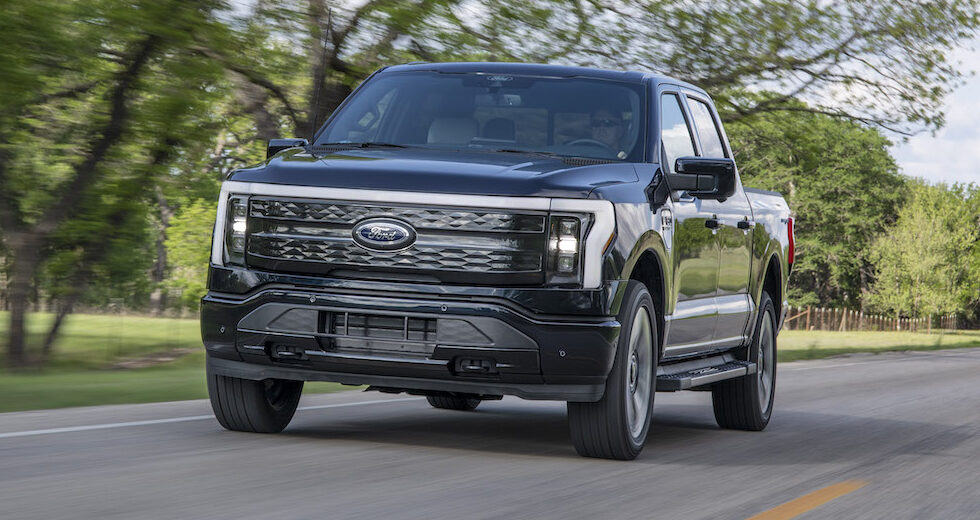
Announcing an all-new strategy this week, the US car-making giant said it had taken the decision to axe the current F-150 Lightning after three years on-sale without introducing a direct successor.
READ MORE: 2026 Ford Mustang Mach-E Review: Updated electric SUV aims to stand out from the Tesla crowd
READ MORE: 2025 Ford E-Transit Custom Trend Review: This electric delivery van has a lot going for it, so why don’t we rate it higher?
READ MORE: USA versus China: Ford’s revolutionary EV rollout takes key step towards Australian launch
Instead, the F-150 Lightning nameplate will live on and be used for an all-new range-extender hybrid (EREV) version of its full-size F-150 ute.
The new F-150 Lightning EREV will be built at Ford’s Rouge Electric Vehicle Center in Dearborn, Michigan, on the same production line as the outgoing truck.
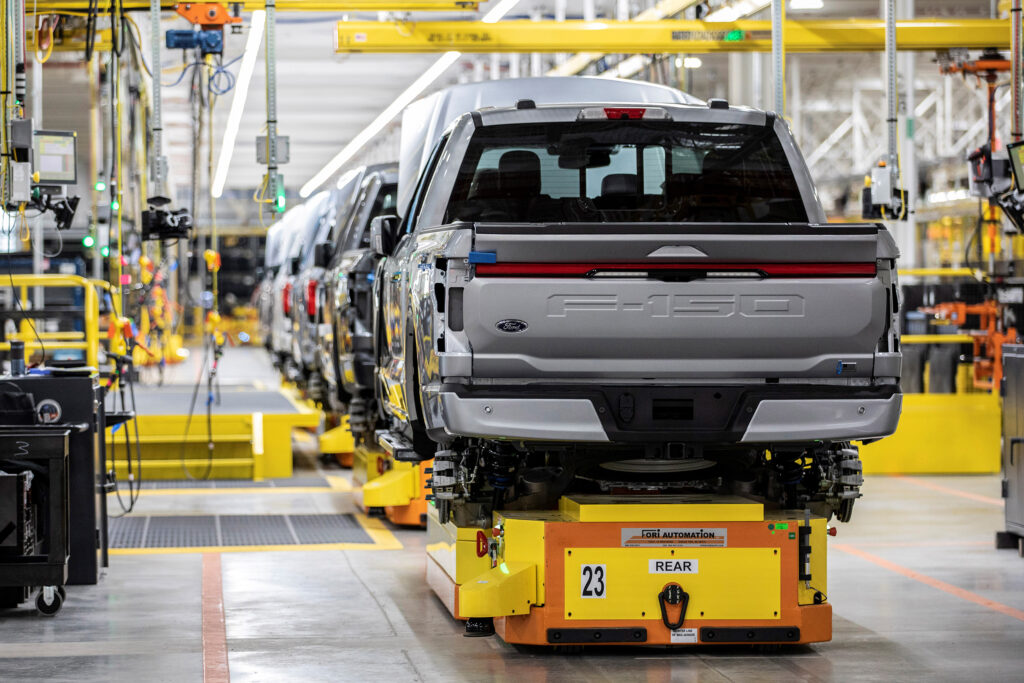
Combining a petrol engine that acts as a generator with an all-electric powertrain, Ford claims the new F-150 Hybrid can drive more than 700 miles (1126km) with a full tank of fuel and topped-up battery.
As well as the all-electric F-150 Lightning replacement, Ford has also admitted its electric replacement for the E-Transit van due in 2028 has been put on ice.
Work is already underway to re-engineer it for petrol and hybrid power.
One EV Ford is racing to launch is the small mid-size Ranchero. The Ranger-sized all-electric ute set to be the first of a new family of affordable EVs based on Ford’s new low-cost universal EV platform.
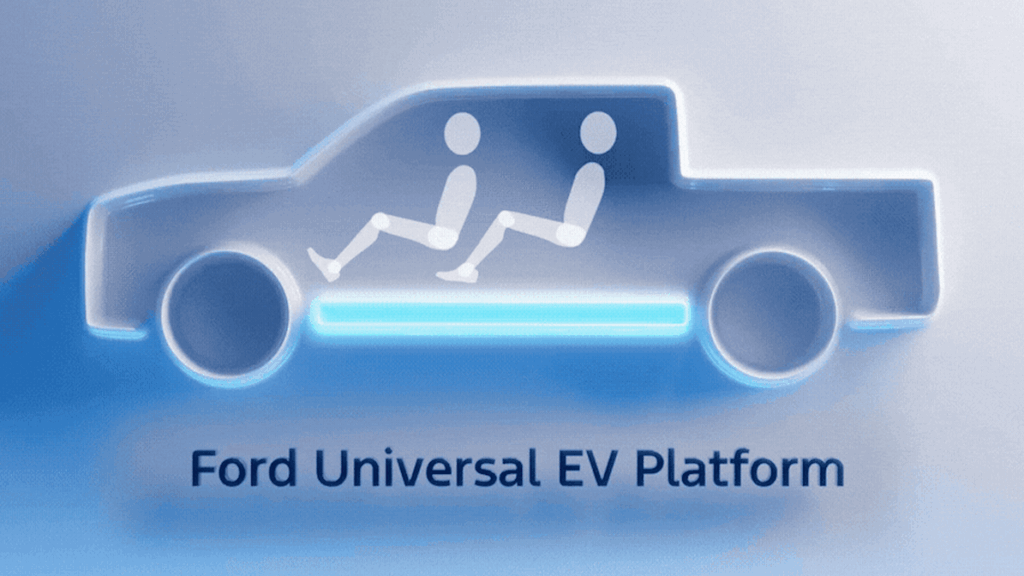
The same architecture is allegedly destined by 2030 to underpin as much as half of all Fords sold globally.
Helping boost its appeal, when it lands in early 2027, the new Ranchero will “cater to customers who want more for their money – more range, more utility, [and] more usability”.
Back in Australia, Ford still struggles to sell EVs, with volumes of the Mustang Mach-E having fallen by 31.9 per cent to just 435.
It is currently outsold by the Toyota bZ4X three-to-one.
Meanwhile, the battery-electric E-Transit is said to only account for seven per cent of total Transit sales.
From now on Ford said it would focus its resources on rolling out smaller more affordable EVs all built on the new Universal EV platform.
Finally, to fulfil its 2030 ambitions that more than 50 per cent of all vehicles sold will either an EV, hybrid or range-extender hybrid, Ford says it will launch a new hybrid version of every current series models it makes.
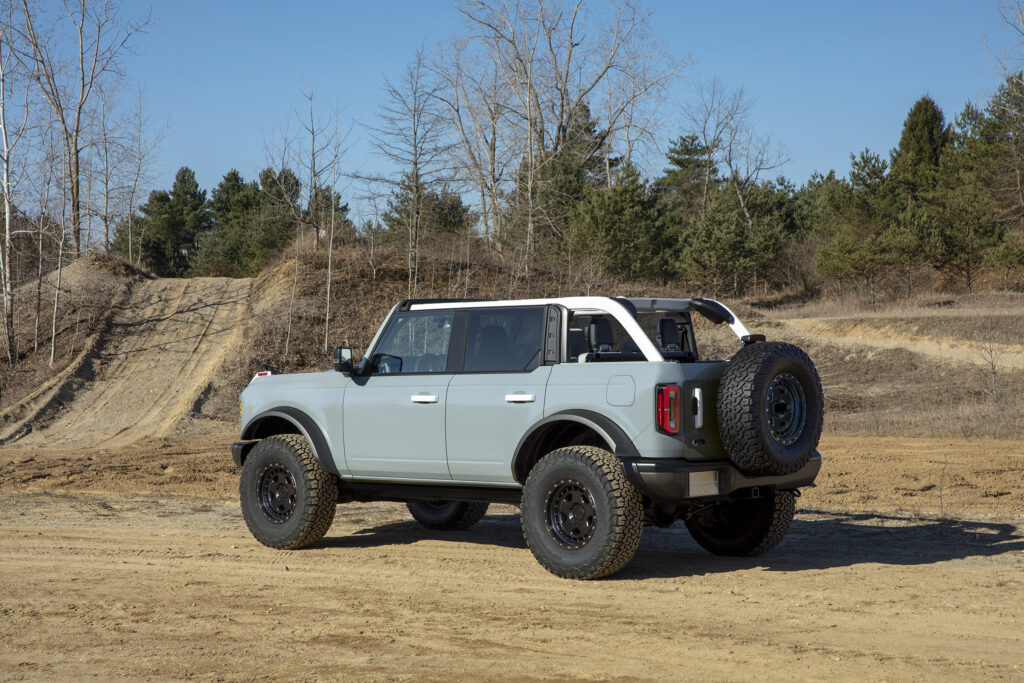
As well as F-150 Lightning EREV, Ford will also introduce a Bronco EREV that should offer a larger all-electric range with near unmatched off-road capability.
While it’s expected the Ford Bronco is destined for Australia, there’s no word yet if we’ll get the new electrified powertrain.