
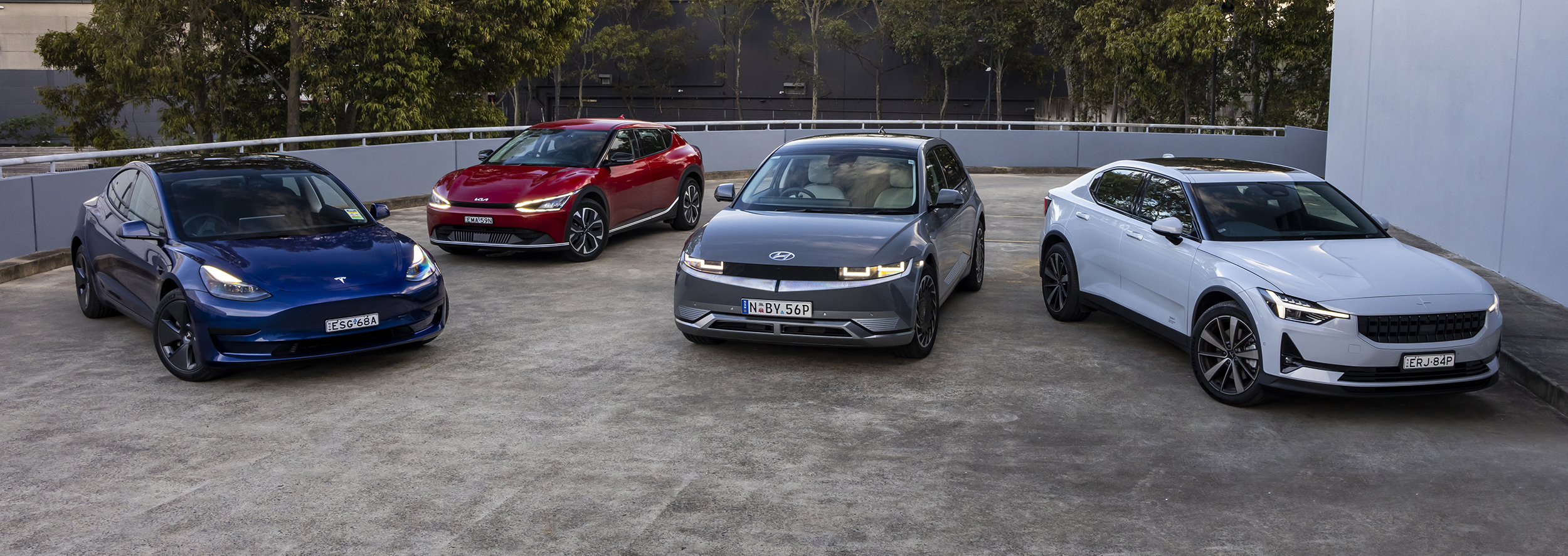
Electric car tax breaks under the microscope: Federal Government assesses benefits and costs of EV exemptions
A key tax break that has aided the purchase of almost 100,000 electric cars in Australia is going under a scheduled statutory review in 2026.
The Federal Government will analyse the true cost and benefits of its flagship Electric Car Discount policy.
The policy, that has been in effect since July 2022, provides a valuable Fringe Benefit Tax (FBT) exemption that can save thousands of dollars when a vehicle is purchased via a novated lease.
READ MORE: Thinking of taking out a novated lease to buy a new EV so you can leverage the FBT exemption? Read this first
READ MORE: The ultimate guide to buying an EV in Australia: Everything you need to know
The discounts apply to electric vehicles priced below the Luxury Car Tax (LCT), which for the 2025-26 financial year stands at $91,387 for fuel efficient vehicles.
The legislation also removes a five per cent tariff on EVs imported from regions without free trade agreements, notably Europe. This has opened up the opportunity for several Kia models led by the EV4 hatchback to come to Australia.
Heralded as a huge success by the Government, the exemption has helped the EV market share climb from two per cent to around a 10 per cent mix of all vehicle sales.
Choice has more than tripled, with the number of EVs available on the market rising from 56 in 2022 to more than 160 now.
With more electric cars available to buy, competition within the segment has increased, with officials pointing to more than 10 models now priced under $40,000.
Meanwhile, some models led by the BYD Atto 1 are now priced comfortably under $30,000.
However, the Federal Government review will balance that benefit against the estimated $23.4 billion cost of lost revenues if the discounts continue to carry on to the middle of the next decade.
The value of the benefits is said to cost the government $1.35 billion in 2025-2026 alone.
This has led some analysts to suggest the federal government might be tempted to scrap the measures.
This is something it has already done with plug-in hybrids that lost their FBT exemption status on April 1, 2025.
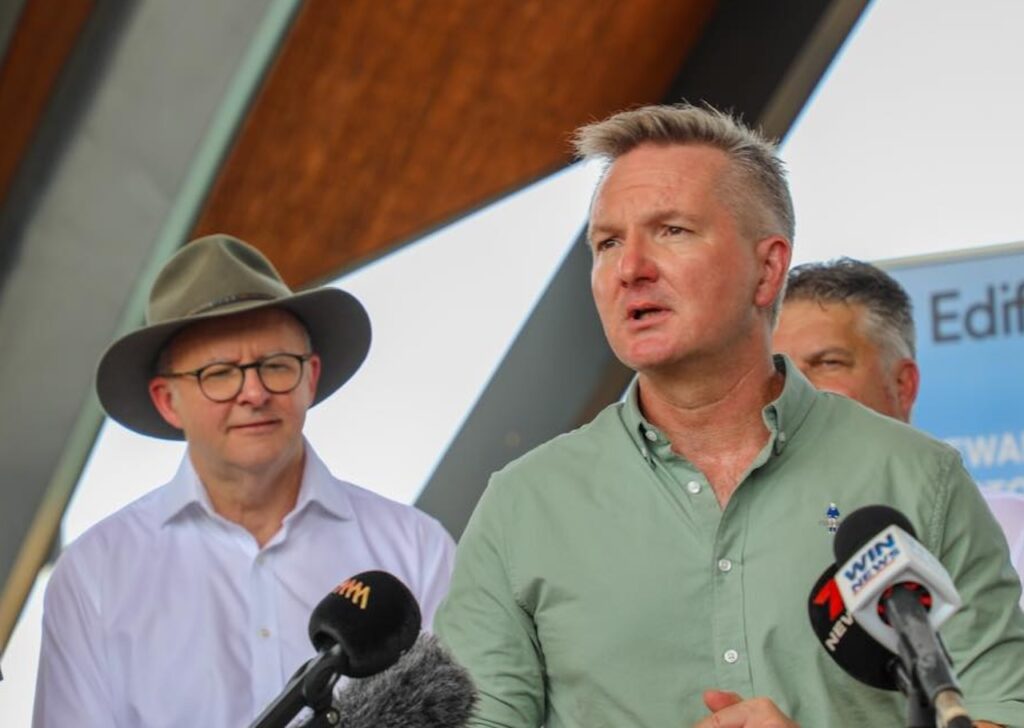
Commenting on the planned review, minister for climate change Chris Bowen praised the current scheme for improving affordability and widening access and claimed the discounts were linked with encouraging more car-makers to bring EVs to sell in Australia.
Bowen said the upcoming review will help the policy keep pace with a maturing market.
“We’ll keep refining our policies to make sure that we have the right settings to help more Australians into cheaper to run cars as the market matures over time.”
It’s not yet known if the maturing market hints the internal view of the Government is that the policy’s work has been done.
But plenty of reports suggest that both Bowen and Treasury are analysing what type of electric cars should be eligible for the discount.
The review will be led by the Australian Centre for Evaluation, which is located within the Commonwealth Treasury, with the Department of Climate Change, Energy, the Environment and Water also contributing.
The finding will guide future policy aimed at continuing to influence more Australians to buy EVs in an overall bid to slash transport emissions.
“The take up of electric vehicles over the past few years has exceeded expectations and that’s been good for drivers, good for business and good for the climate,” said Treasurer Jim Chalmers.
“The electric car discount has made EVs cheaper to support early adoption and the next step is to review the policy as we committed to do when we legislated it.
“This is all about supporting Australians to make the switch to more efficient vehicles and ensuring we have the right settings in place for the transport sector over the long term.”


It time to scale back and talk about phase out year. The job is done and is beginning to be resented by taxpayers.
Why should tax payers pay for your life style choice ev