Crash shock! Chinese-made EVs are Australia’s safest new cars says ANCAP
In a turnaround of Hurcluean proportions, “Made in China” appears to have become a byword for quality, not fragility.
Chinese-built electric cars have topped ANCAP’s safety league tables in 2025, proving best-in-class across six of the seven different vehicle categories.
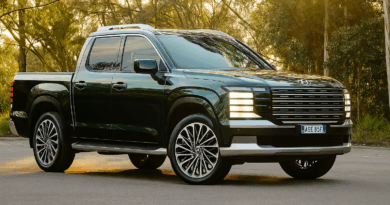
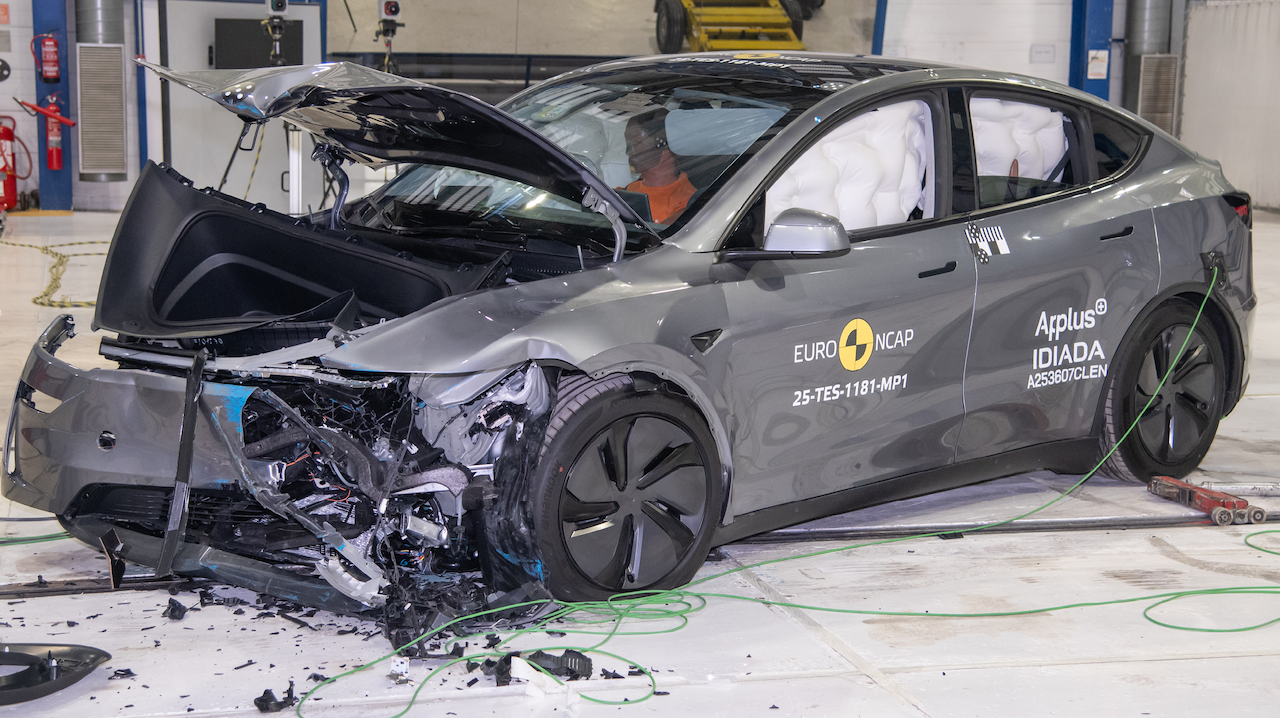
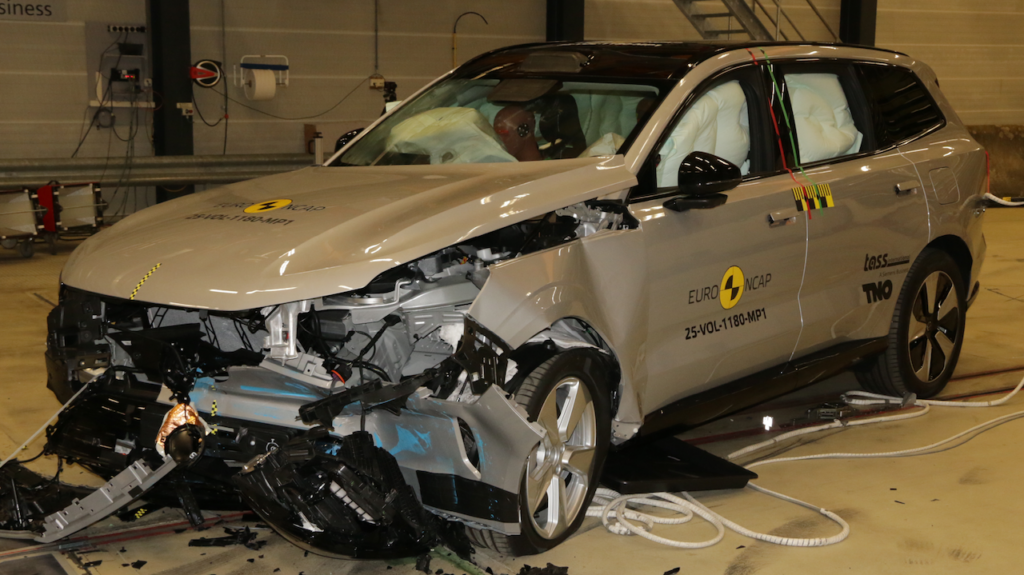
Highest rated were the Tesla Model Y (Medium SUV), Tesla Model 3 (Medium Car), Volvo EX90 (Large SUV), IM 5 (Large Car), MGS5 EV (Small SUV), Mini Cooper E (Light/Small Car) and Toyota HiLux (Utility).
READ MORE: Fantastic five: Deepal S07 ANCAP crash test finds new Tesla Model Y rival is one of the safest cars it’s tested
READ MORE: That’s Gotta Hurt: Jeep Avenger flops in latest ANCAP crash testing, while new Leapmotor C10, XPeng G6, Volvo EX30 and Zeekr X EVs star
The results are for new cars crash and safety tested by Australia’s independent safety body in the past 12 months, and by using shared results with its European equivalent, Euro NCAP.
All ANCAP’s category winners (bar the ute segment) were EVs, but headline is all were manufactured in China, either by Chinese brands or global car makers with plants in the country.
The figures are reassuring for Australian buyers, as Chinese-sourced cars snowball in pouplarity here.
According to VFACTS data, vehicles manufactured in China represented around 18 per cent of total Australian new vehicle sales in 2025, up from 14 per cent in 2024.
China is now Australia’s third-largest source of vehicles, behind Japan and Thailand.
ANCAP uses a weighted sum of scores across four pillars of assessment (see table below) to identify the strongest-performing vehicles in each vehicle category.
| Top Performer | Vehicle Categoery | Adult Occupant Protection | Child Occupant Protection | Vulnerable Road User | Safety Assist |
| Tesla Model Y | Medium SUV | 91% | 95% | 86% | 92% |
| Tesla Model 3 | Medium Car | 90% | 95% | 89% | 88% |
| Volvo EX90 | Large SUV | 92% | 94% | 82% | 84% |
| IM 5 | Large Car | 89% | 91% | 85% | 79% |
| MGS5 EV | Small SUV | 90% | 86% | 82% | 79% |
| Mini Cooper E | Small Car | 89% | 83% | 77% | 83% |
| Toyota Hilux | Utility | 84% | 89% | 82% | 82% |
The highest overall weighted score of any vehicle assessed by ANCAP in 2025 was the facelifted Tesla Model Y, continuing the strong safety showing of the previous version.
Think what you will of Elon and his EVs, but they sure do crash well.
No battery electric (BEV) ute was crash tested in 2025, but the plug-in hybrid BYD Shark 6 was, and its combined scores weren’t far off the triumphant Toyota Hilux in its class.
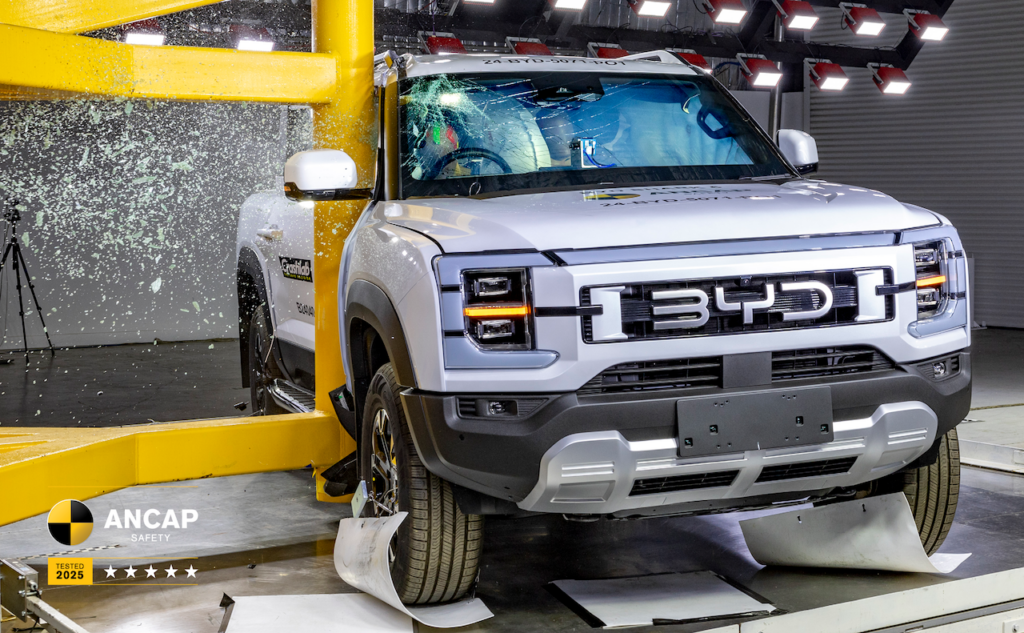
The Chinese-built Shark scored (using the criteria in the table above) 85%, 87%, 74% and 86% respectively.
“The top performers this year delivered consistent results across physical crash protection, crash
avoidance and vulnerable road user safety, rather than relying on strength in a single area,” said ANCAP Chief Executive Officer, Carla Hoorweg.
Positively, for those driven mad by over-nannying and mistake-ridden driver assist systems (Chinese-made cars have been notorious for this in recent years), Ms Hoorweg said: “Improvements in
autonomous emergency braking, lane support and driver monitoring systems are translating into more
robust protection in everyday driving.”
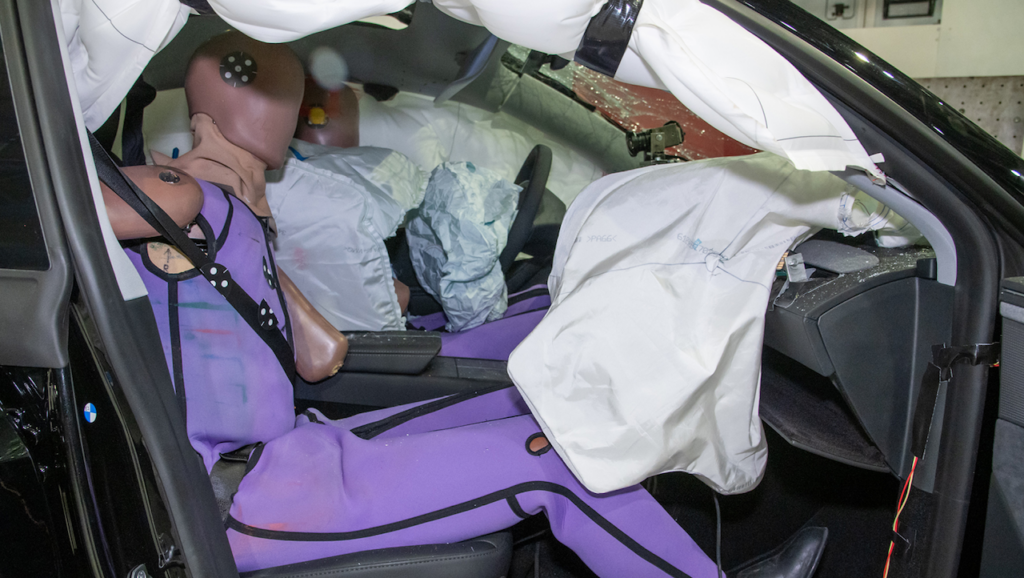
Whether Chinese-made EVs perform as well in 2026 will be interesting to see, as ANCAP (and Euro NCAP) introduce new protocols this year.
Points will be deducted for the likes of “abrupt or irritating” lane-keeping assist, speed monitors and driver monitors; an over-reliance of touchscreen-based controls; and power door handles that don’t automatically extend after an accident.
Such sins are the bane of many new car owners (and motoring journalists), with EVs often the worst offenders.
Hopefully 2026 sees a return to common sense here, as well as continued excellent showings by EVs in physical crash testing.