2026 BYD Sealion 7 Premium Review: We slept on this super-solid electric SUV. We were wrong
For some reason, the BYD Sealion 7 kind of slipped past me last year. I drove the Performance (albeit briefly) at launch back in February 2025, left suitably impressed, and then just kind of forgot all about it.
Anyway, while I was off day-dreaming, the Sealion 7 took off, finishing the year with more than 13,000 sales in Australia – enough to secure second place on the list of our best-selling EVs, trailing only the Tesla Model Y.
It’s also the brand’s second-best-selling vehicle, behind only the Shark 6 ute. In fact, more people bought a Sealion 7 in Australia last year than bought an Atto 1, Atto 2, Atto 3, Dolphin and Seal combined. How all of that passed me by is a mystery to me (though probably less of a mystery to those who know me well), so I set about making amends by spending a week behind the wheel of the Sealion 7 Premium to see just what I’d missed.
READ MORE: 2026 Ford Mustang Mach-E Premium Review: Will the latest price slash finally bring sales?
READ MORE: Zeekr 8X revealed: PHEV hybrid’s looks and tech detail have been exposed in China
READ MORE: 2026 Deepal E07 AWD Performance Seven-Day Review:
It’s the entry point to the Sealion 7 range, it’s cheaper than a base Tesla Model Y and, in predictable Chinese fashion, it’s absolutely loaded with kit.
In short, I’m beginning to see what all the fuss is about.
2026 BYD Sealion 7 Premium price and equipment
In refreshing fashion, BYD doesn’t overly punish you for shopping at the cheaper end of the pricing spectrum in the way some mainstream brands like to. Sure, you miss out on an extra motor and more power, but the equipment list isn’t wildly different across the two Sealion 7 models.
Our Premium lists at $54,990 (plus $1500 for our paint), while the Performance arrives at $63,990. And having now driven both, I have to say the Premium feels very much like the sweet spot in the range.
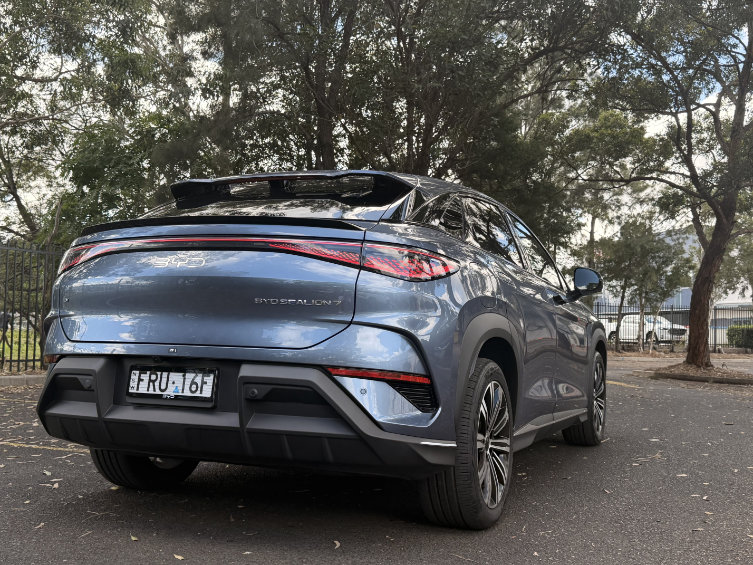
Yes, the rear-mounted (and therefore rear-wheel-drive) electric motor’s 230kW and 380Nm is well down on the dual-motor grunt of the Performance (390kW and 690Nm), but it certainly doesn’t feel like a slouch. In fact, it feels quicker than its claimed 6.7-second 0–100km/h sprint.
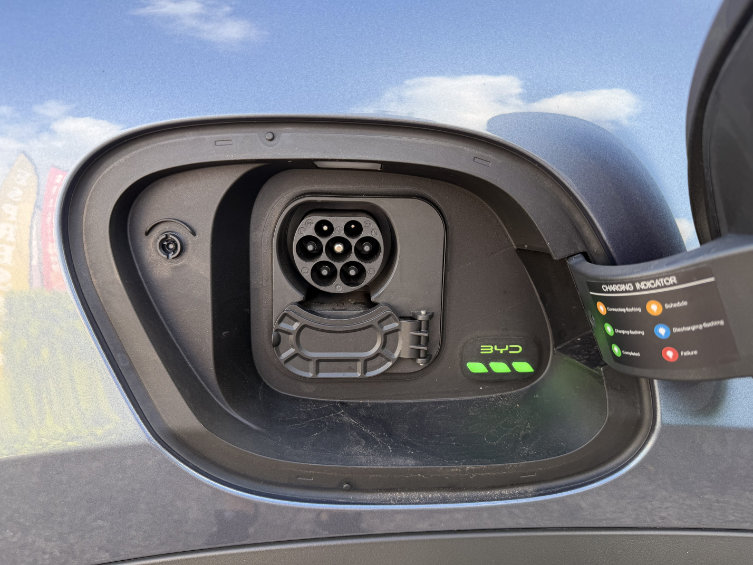
And because both models share the same 82.56kWh Blade battery, the Premium will actually travel further between charges – 482km versus 456km on the WLTP cycle. Both also get vehicle-to-load (V2L) functionality and are set up for 11kW AC charging or up to 150kW DC fast charging. That feels like smart buying to me.
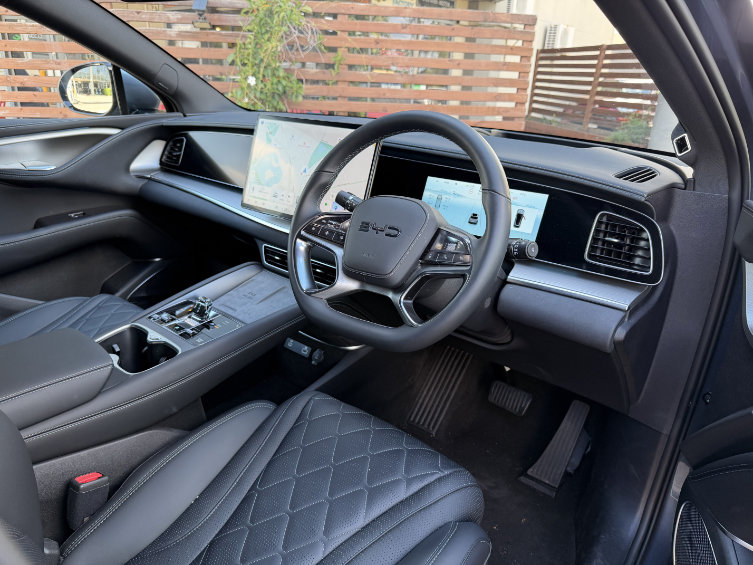
The entry-level car also comes with a strong standard equipment list. Outside, the lighting is all-LED, the alloy wheels are 19 inches, and the large glass roof gets a welcome summer-saving shade. Inside, you’ll find real leather seats that are both heated and ventilated, a 15.6-inch central touchscreen with Apple CarPlay and Android Auto, a 10.25-inch digital driver display and a 12-speaker stereo. It really doesn’t feel like it’s missing much, if anything.
I won’t bore you with a long list of active safety tech, other than to say it’s all there and I didn’t find it overly annoying. The Sealion 7 carries a five-star ANCAP safety rating and is fitted with nine airbags.
2026 BYD Sealion 7 Premium: What we think
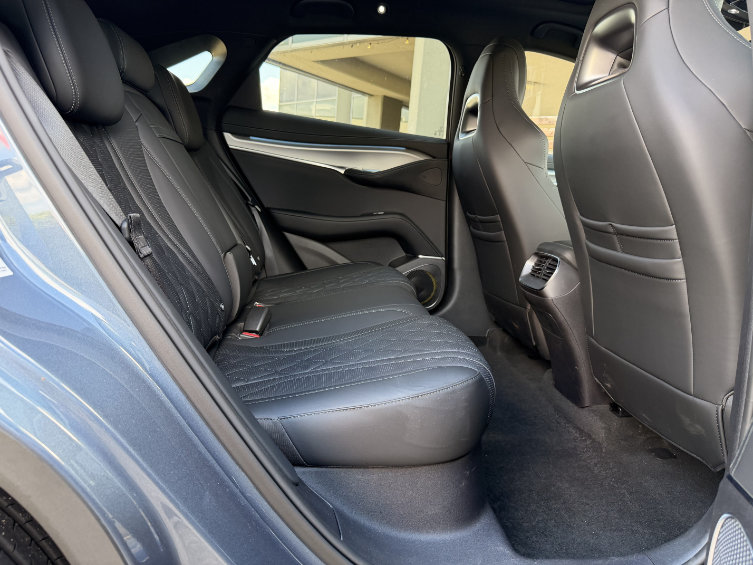
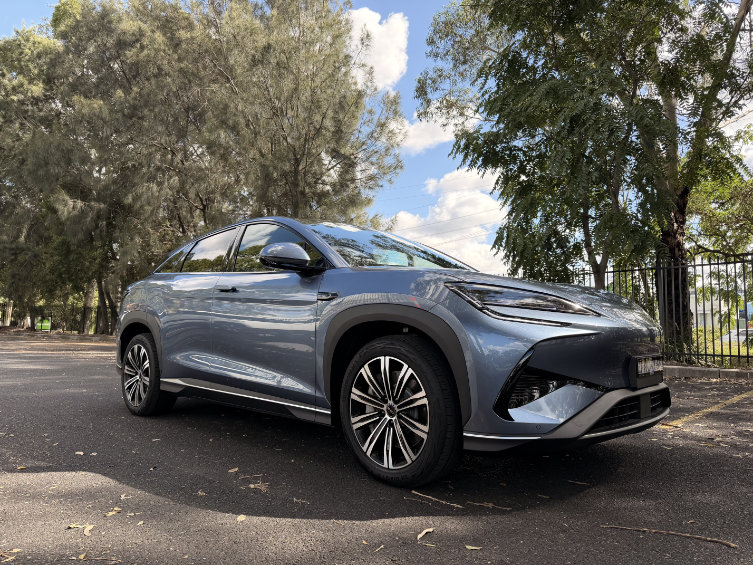
We’re talking about a mid-size SUV with a difference here. And not just because of the electric powertrain – if you’re used to piloting ICE-powered vehicles, I reckon you’ll be genuinely surprised by the space on offer inside the Sealion 7.
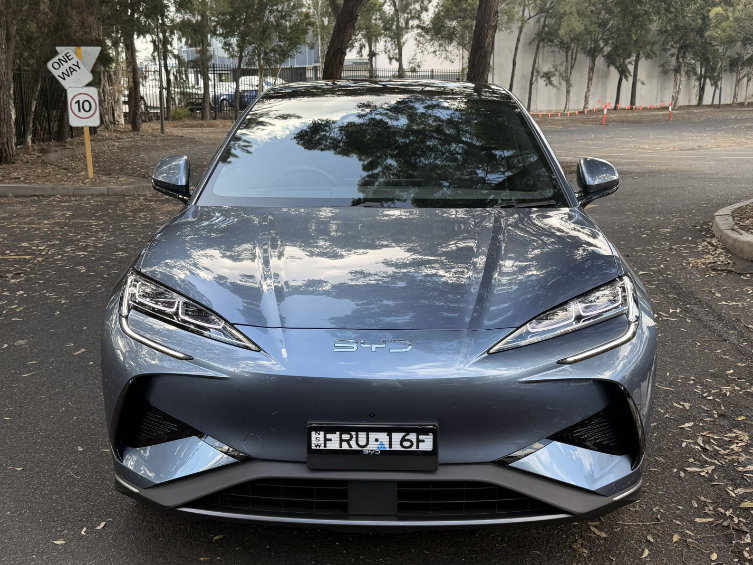
It measures just over 4.8 metres long, 1.9 metres wide and 1.6 metres tall, and rides on a near three-metre wheelbase. That’s about right for the segment, but thanks to its flat floor and the way interior packaging has clearly been prioritised, there’s oodles of room in the cabin, especially in the back seat. I’m 175cm tall and had no trouble getting comfortable. Kids will feel like they’re travelling business class.
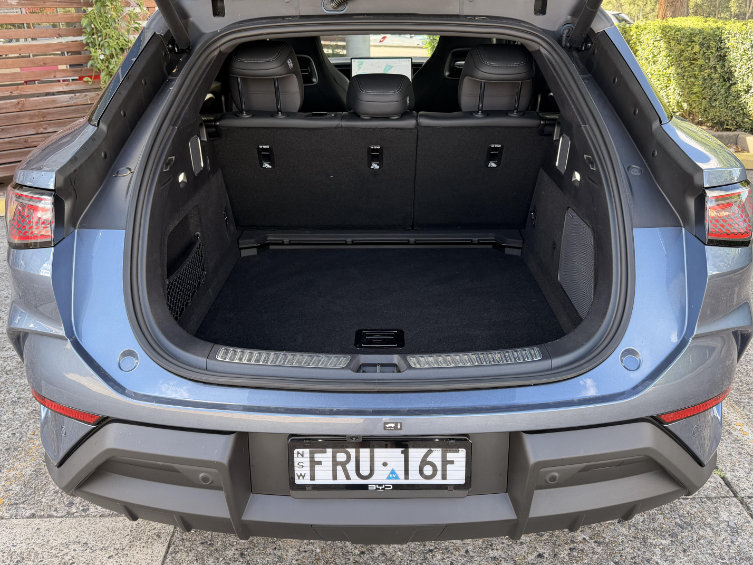
In the auto-opening boot, there’s 500 litres of luggage space with the rear seats in place, joined by a smaller 58-litre frunk up front. For reference, a Mazda CX-5 offers closer to 438 litres.
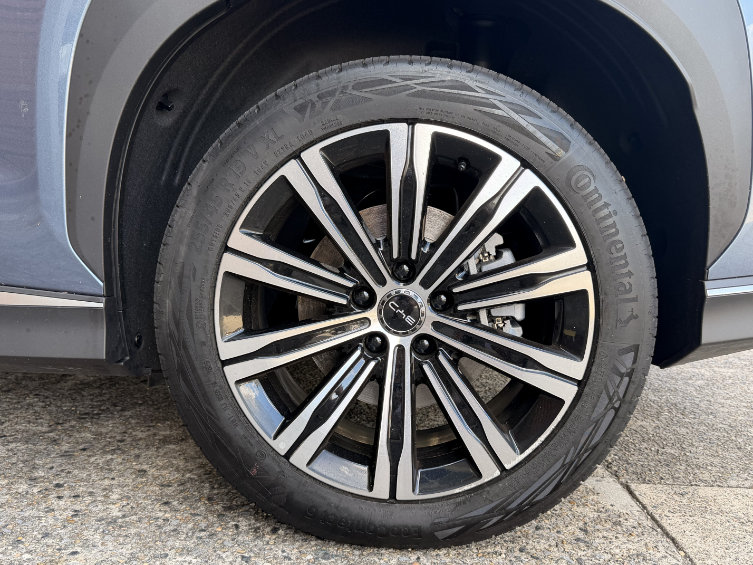
I was also impressed by the attention to detail elsewhere. Our car rode on Continental tyres, for example. The pop-out door handles are stamped with “BYD” on the usually hidden inside bit, and an illuminated logo is hidden in the charging port.
So, how is it on the road? Super solid. I’ll die on the hill that says the rear-wheel-drive model produces more than enough grunt for most people. Power delivery is smooth, and the cabin remains mostly quiet and composed.
This is easy EV motoring whether you’re in town or out of it. The steering is fine, the ride is comfortable over rougher roads, and everything feels well-sorted. Is it the last word in driver engagement or excitement? Definitely not. But it delivers competent, comfortable and premium-feeling forward progress.
My only real gripes are the fiddly nature of the infotainment (even with on-screen shortcuts, this car would really benefit from more physical buttons), slow(ish) DC fast-charging by modern EV standards, and a driving range that can’t quite match some its rivals. Otherwise, I have to admit I’m pretty impressed.
2026 BYD Sealion 7 Premium: Verdict
Buy the Performance at your peril. This is not a performance car, and the smart money rests with the Premium, which still delivers plenty of poke, plenty of kit and an even longer driving range.
Score: 4/5
BYD Sealion 7 Premium: Price and specifications
Price: From $54,990 (MSRP)
Basics: EV, five seats, five doors, mid-size SUV, RWD or AWD
Range: 482km (WLTP)
Battery capacity: 82.56kWh lithium-ion
Battery warranty: Eight years/160,000km
Motor: Single rear permanent-magnet synchronous motor, 230kW/380Nm
AC charging: Up to 11kW, Type 2
DC charging: Up to 150kW, CCS Combo
0–100km/h: 6.7 seconds