
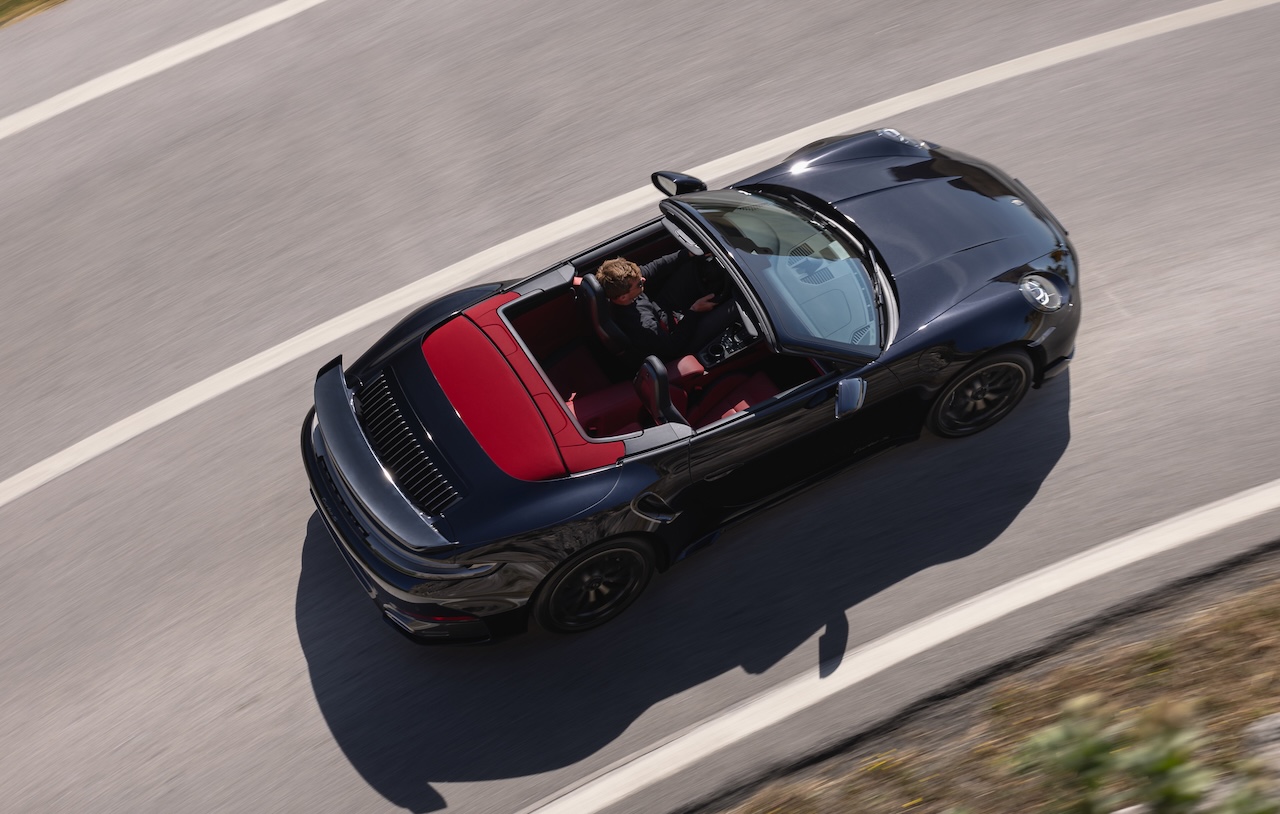
John Mahoney’s best electrified vehicle of 2025: Porsche 911 Turbo S
Yes, the latest 911 Turbo S isn’t an EV. Instead, it’s proof of how electrification is evolving the supercar in this prolonged transition to all-electric vehicles.
Of course, there are already a few battery-powered supercars out in the wild but general apathy from the super-rich towards them has so far seen the likes of the Rimac Nevera and Pininfarina Battista largely ignored.
It’s no wonder once you tire of their neck-snapping antics.
Put simply, they’re too heavy for track, run out of juice too quickly when you’re in a hurry and, dare we say it, just too quiet for peacocking around town.
READ MORE: Andrew Chesterton’s best electric car of 2025: Hyundai Ioniq 9
READ MORE: Toby Hagon’s best electric car of 2025: Tesla Model 3 Long Range Rear-Wheel Drive
READ MORE: Iain Curry’s best electric car of 2025: Kia EV3
What billionaires desire is something loud and proud, but still devilishly quick – and that isn’t easy with ever-tightening regulations, hence why embracing electrification has become a must for both Ferrari and now Porsche with its fastest series models.
Out of the two, the German brand first started dabbling with the tech back in 2010 in racing before rolling out its wild 918 Spyder hypercar in 2013.
Rebooting the tech for 2026, the new 911 Turbo S adopts the firm’s T-Hybrid electrification already employed on the GTS but goes much further.
Designed to be ultra-lightweight, the hybrid system fails to provide silent all-electric motoring, but from then on is a masterpiece.
Combining a small battery plus a dual-clutch transmission, that neatly packages a powerful e-motor within it, the jewel in the crown is a pair of larger turbochargers that each feature tiny electric-fed motors that spin them up in the blink of an eye.
Keeping mass to a minimum means Porsche didn’t have to chase epic power, although 523kW and 800Nm of torque is hardly meek.
Nor is the 911’s astonishing ability to launch from 0-100km/h in 2.5 seconds.
It’s not just straight-line speed that benefits. The T-Hybrid electrics also help power the active suspension and even quicken gear changes that, ironically, provide for electric car-like responses.
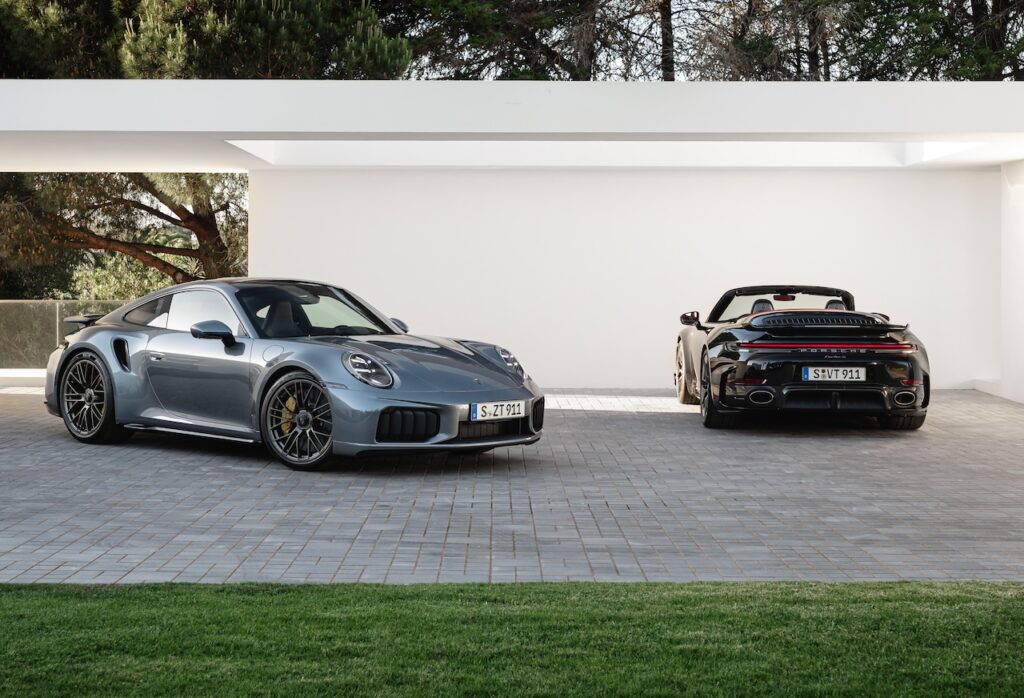
According to engineers, those scalpel responses are deliberate, as many Porsche buyers who already own EVs in their collection, like the Taycan Turbo GT. Few of them are willing to compromise on pace with a supposed flagship model.
The result is a car that is effortlessly quick on road and track, with the 911 Turbo S so fast now it runs rings around even more expensive hypercars and demonstrates just how electrification will continue to enhance and improve cars for enthusiasts until the petrol pumps run dry.
Biggest EV surprise of 2025: Why running late can be so costly in the electric age
This year EV Central finally climbed behind the wheel of the highly anticipated Polestar 5, the Sino-Swedish brand’s most ambitious car yet – a low-slung four-door coupe that has been created from scratch by a talented team of engineers at the firm’s new R&D hub.
Keenly priced, great to drive and both sleek and stylish, its combination of power, performance range and charging speeds should have made headlines when it launched.
But a costly two-year delay means it now runs the risk of being outshone by cars like the facelifted Porsche Taycan and a long line of Chinese EVs even before it lands on sale in Australia.
The electric car I’m most looking forward to in 2026: Renault 5 Turbo 3E
With the Porsche 718 Boxster/Cayman EV a no-show this year it’s tempting to nominate the battery-powered roadster and coupe for a second year.
But with the German car-maker’s electric car strategy being overhauled (to put it nicely) and reports the 718 replacement’s being re-engineered back to petrol power, a 2026 arrival is no longer a dead cert.
Instead, we’re hoping to get our first taste in 2026 of the inbound Renault 5 Turbo 3E.
Perhaps the most extreme hot hatch ever made, in the flesh the new hot R5 is already a triumph and that’s before you factor in its state-of-the-art in-hub motors, epic 400kW power output, and its ultra-lightweight aluminium spaceframe chassis, carbon-fibre skin and superfast charging.
You can understand why we’re so excited about the mini-French Ferrari.
Hi good read re EVs but pls avoid putting Porsche in the mix.
And remaining for EVs is problem of repairs to mega casting inc a bump to battery pack.
Insurance will right off the EV.
Very expensive option .