
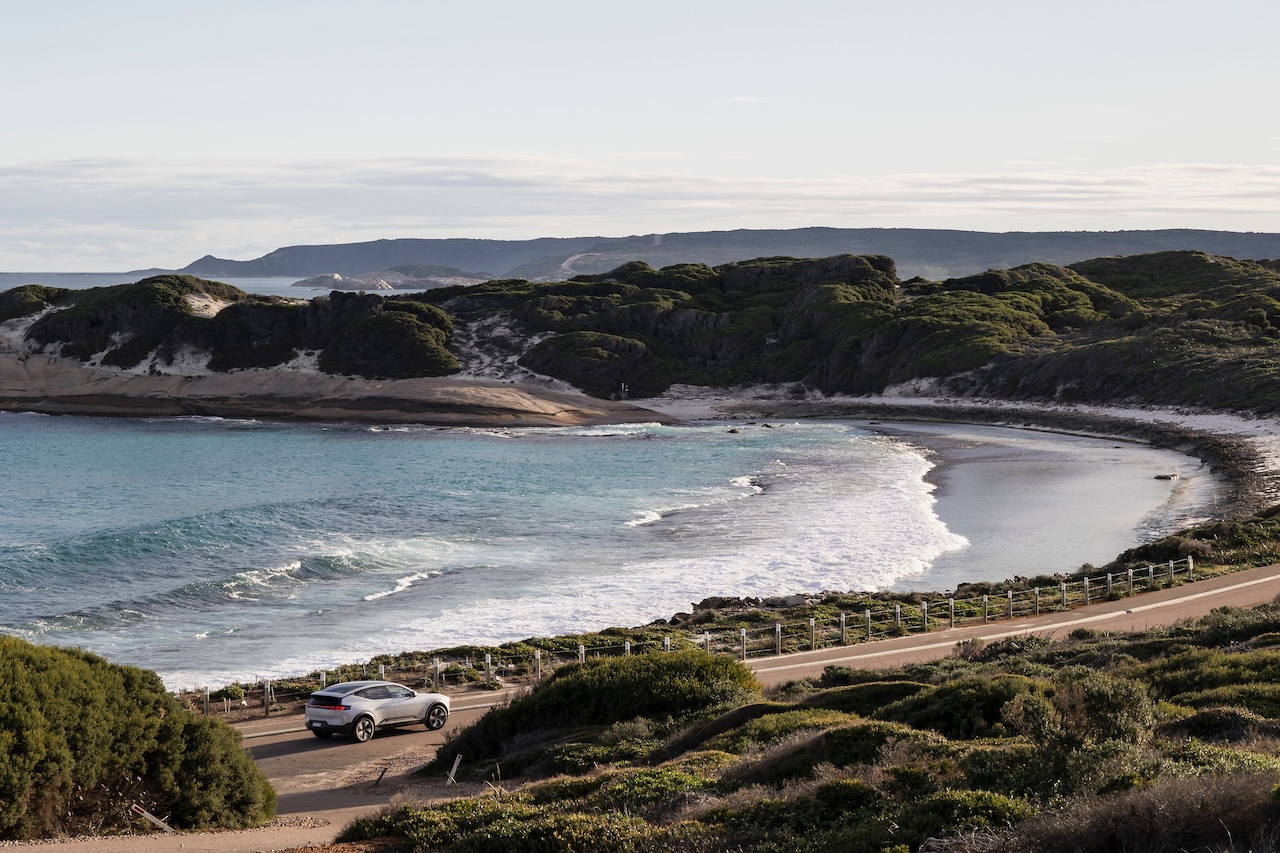
Just how long range is the 2025 Polestar 3 Long Ranger? We drive Western Australia’s EV Highway to find out
Here is the question – did I set out to drive the world’s longest EV Highway, in Western Australia, to establish just how far you can drive an EV on a single charge, in particular a Polestar 3 Long Range Single Motor, and how electric vehicles perform on long-distance drives at highway speeds and how do those higher speeds affect EV range?
They all seem like good Google bait for someone who works at an EV website.
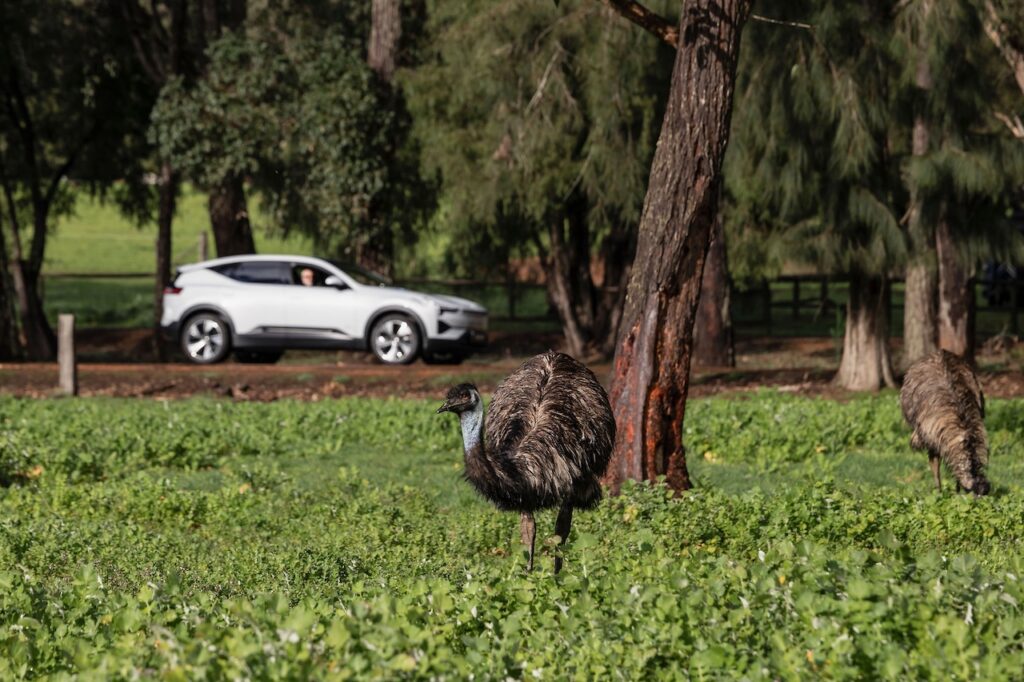
Or, and this seems just a tiny bit more likely, did I agree to this trip, organised by the helpful people at WA Tourism (and imagine selling that State, “Come to Western Australia – There’s Bugger All Here, And A Lot Of It Is Sand”, or perhaps “Where the Bloody Hell Are You? Come to WA and No One Will Ever Find Out”) because I was chortled at the idea of calling myself the Polestar Long Ranger?
READ MORE: What range anxiety? Polestar 3 drives 935km on a single charge to set new SUV world record. Beats its own claim by almost 230km!
READ MORE: 2028 Polestar 7 SUV previewed! EV maker gears up for the launch of its next best-seller and its next-gen EV tech
READ MORE: Take Five! New Polestar 5 flagship snapped testing in Australia months before its global launch
Whatever the reason, I did find out a lot on this journey, in which I covered 1755km of the more than 7000km of EV Highway that the WA Government has helpfully (and no doubt expensively, it’s listed as being “part of” a $43.5 million investment in EV infrastructure) provided, from Perth through Margaret River, Pemberton, Albany, Esperance and then finally on to Kalgoorlie.
I found out what happens if you stand in a busy car park and howl at the moon in frustration (people politely avoid eye contact, but rarely call the police, it seems). I discovered that some chargers, and charging apps, are better than others.
And I found out that, if you’re thinking of retracing my steps to prove that your EV can do all the things your nasty neighbours say it can’t, then WA is a pretty good place to do it, because I never had to queue up for a charger, not even once, and nor were any of the many I visited ever broken.
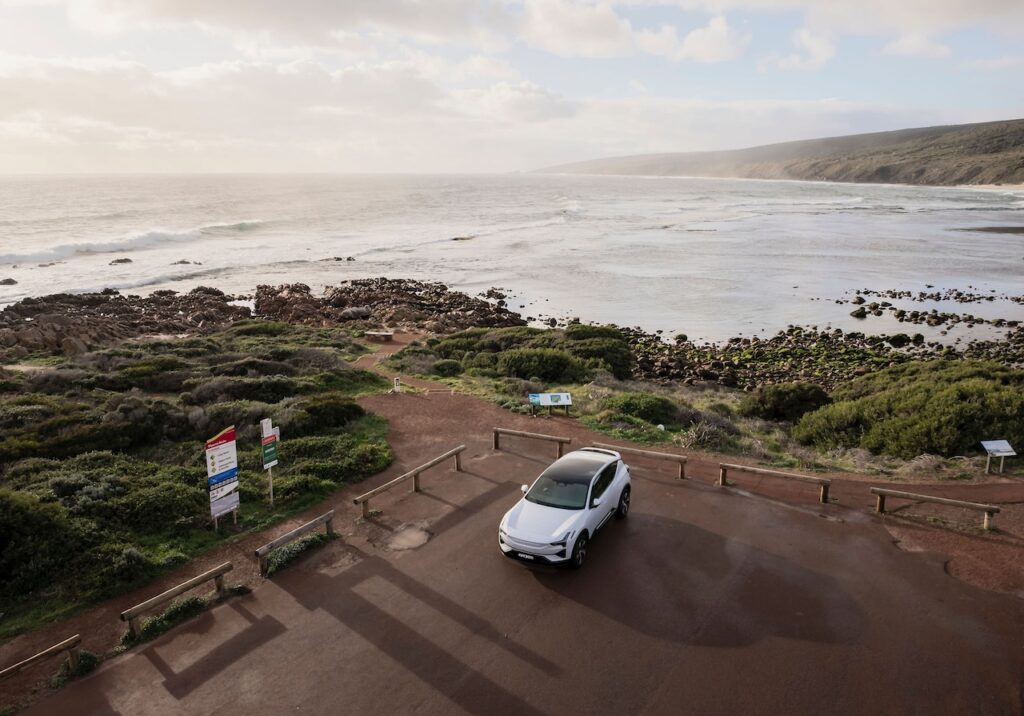
Better yet, the clever people who mapped out the WA EV Highway realised that range anxiety is the enemy of a good driving holiday, and helpfully spaced the 110 charging points, across 49 locations, roughly just 200km apart.
Oh, I also deduced, although not for the first time, that properly fast chargers are properly awesome and can change your life, if you’re attempting a long EV journey. But you’ll have to pay more for the privilege.
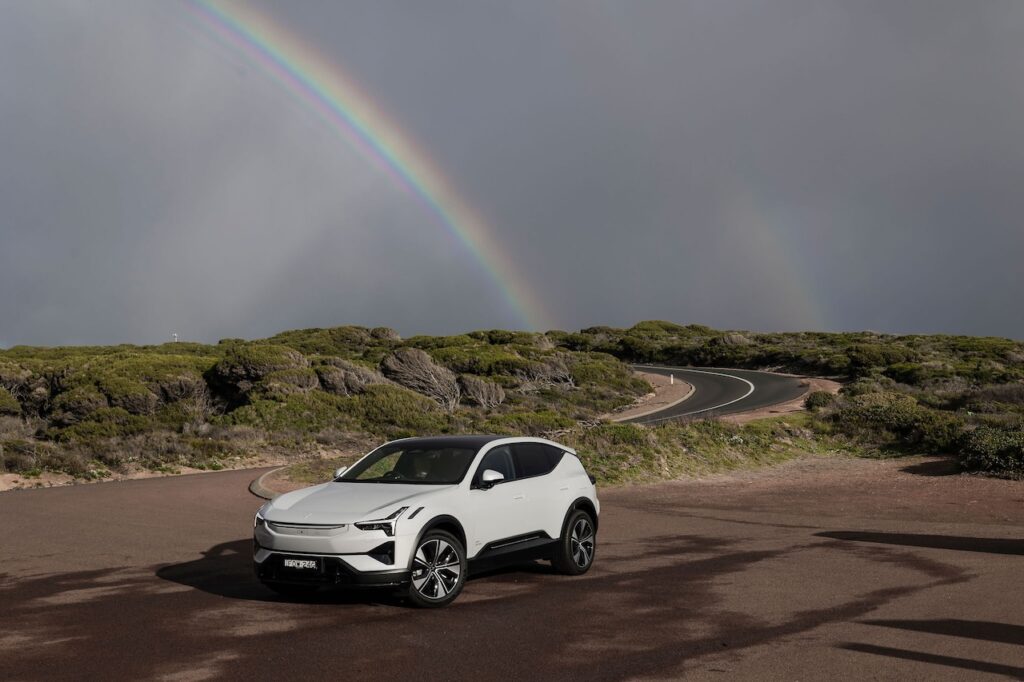
And finally, I found out that the Polestar Long Ranger, as I had dubbed myself, has to provide some awkward answers to questions, should they bump into any EV curious nerds who ask questions like “so, are you actually getting anywhere near the claimed range of 706km between charges for your Polestar 3 Long Range Single Motor?” And those answers may make you look more like Silver’s ass than the Lone Ranger (all right, young folks, go and Google “Hi-ho Silver! Away!”).
The first day of our mission sees us picking up the Polestar in Perth and filling it with so much photography and videography gear that we are now conducting a test of what the range would be for a family of five, all of them obese.
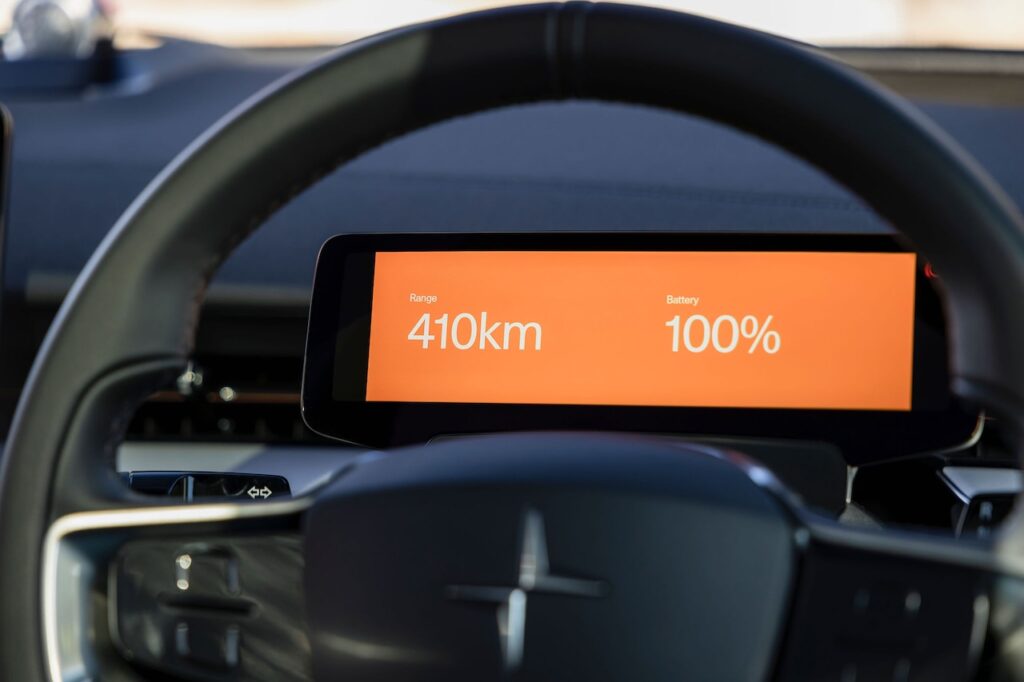
What I do instantly notice is that the Polestar 3 has only been charged to 90 per cent, which seems unfortunate, and that it is offering a predicted range of 450km (the computer bases this estimate on the way the previous user has been driving, so I don’t worry too much about it being well under the 706km figure).

We sat sail for Margaret River along one of WA’s less fortunate highways, dead straight and carved just far in enough inland from the beautiful sand-kissed coastline to make it perilously boring. But having been here before, I also know how fabulous the views are once we get to the end.
Our first stop is at a winery called Wills Domain, theoretically chosen because it has two on-site chargers, but realistically because it offers some of the best damn food you could ever wish to gorge on for lunch.
While the meal turns out to be even better than hoped for, the two Destination chargers turn out to be Tesla branded, which, in this case means we can’t use them at all. We’d driven 255km too get here, but rather than having around 200km of range left, we were down to 150km, and 36 per cent of battery.
After plugging into the winery’s walls on a trickle charge for two delicious hours, we’d managed to bump that back up to 180km, which, after visiting some lovely coastal beaches for photography, was not enough to keep range anxiety at bay.
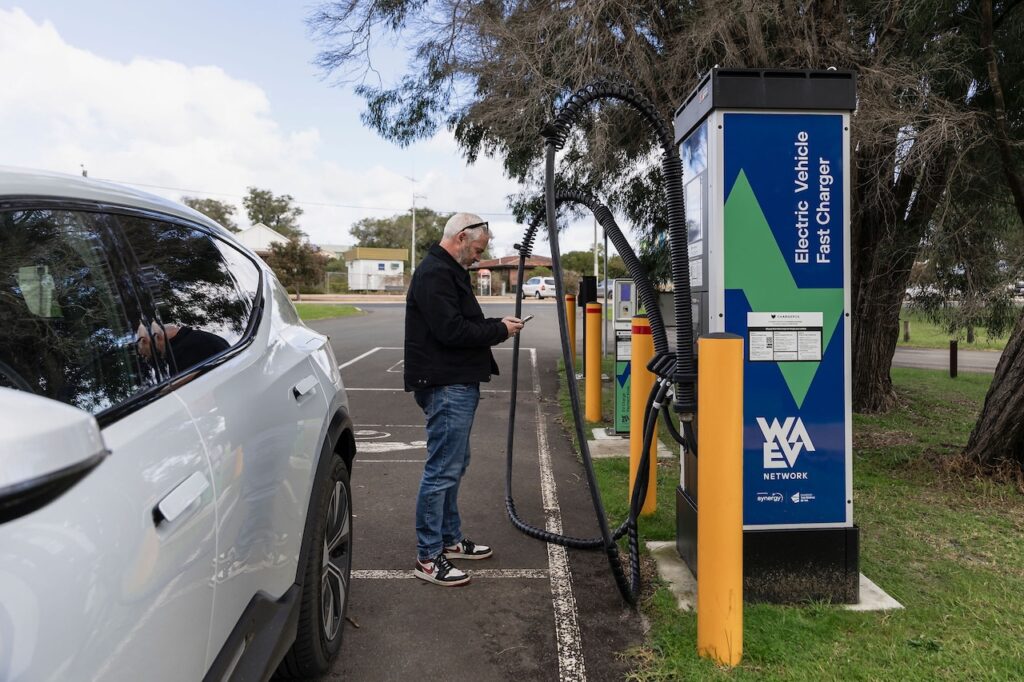
A detour to Dunsborough and a 200kW WeVolt charger was required, as was the downloading of a new app and some random swearing and kicking things, as we utterly failed to get said charger to work for a good three hours or so. It took just a further 15 minutes, once it was operational, to add 100km of range from the 200kW fast charger.
Further challenges were just down the road, however, as we reached the RAC Karri Valley Resort near Pemberton, where we’d been promised a slow-ish 11kW charger, which we could hopefully plug into for the night.

All would have been well, except that this charger required us to have a cable of our own, which was not in the car, to our immense disappointment.
Some begging and pleading scored us a borrowed cable, however, and we were finally able to trudge off for the 2km walk to our rooms (the charger was near the reception, the resort is enormous – and very lovely – and we were too scared to risk unplugging and driving ourselves there).
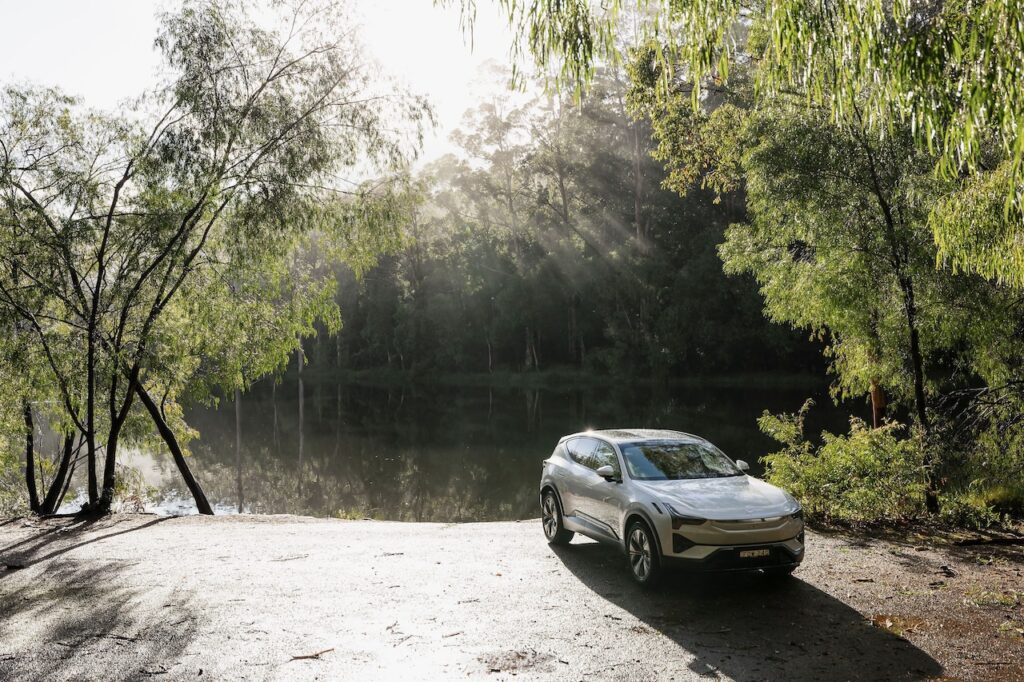
At this point, we were starting to doubt the sanity of what we were attempting, but in all honesty, things got much, much easier from that point on. Forward planning was the key, and finding a Chargefox fast charger each day seemed to be no problem.
Our next stop was Walpole, where a 150kW Chargefox unit restored us to 100 per cent in less time than it took to order and eat (39 minutes). So quickly, in fact, that I had to run across the road and unplug before the system started charing us “idling fees”. I get that these are a good idea, to stop careless people hogging chargers, but when you’re the only EV for 1000km in any direction they seem a little harsh.
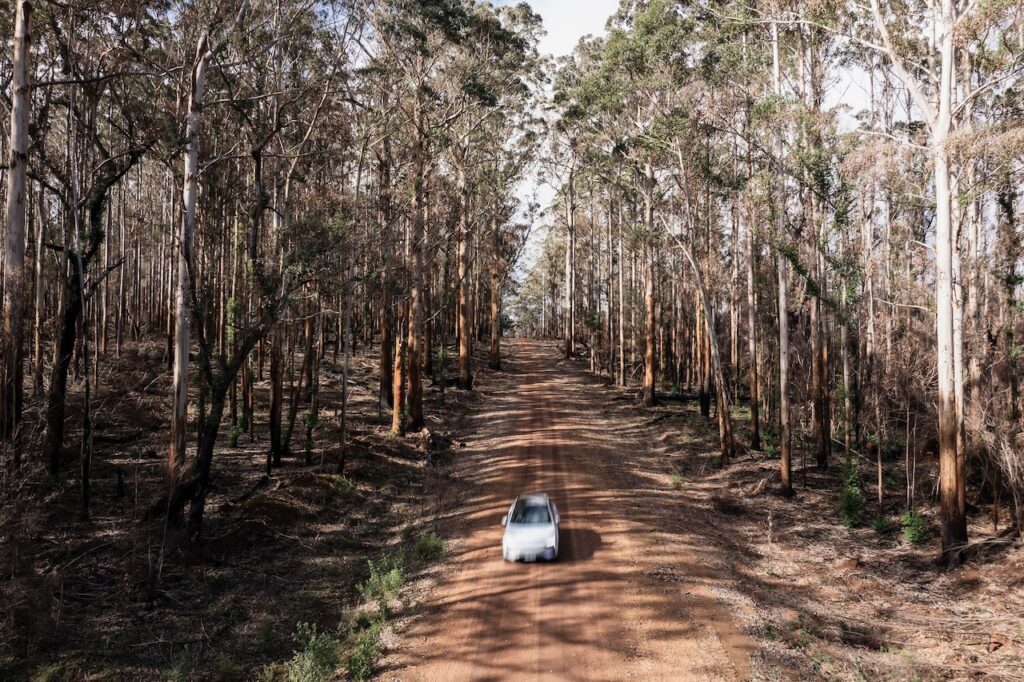
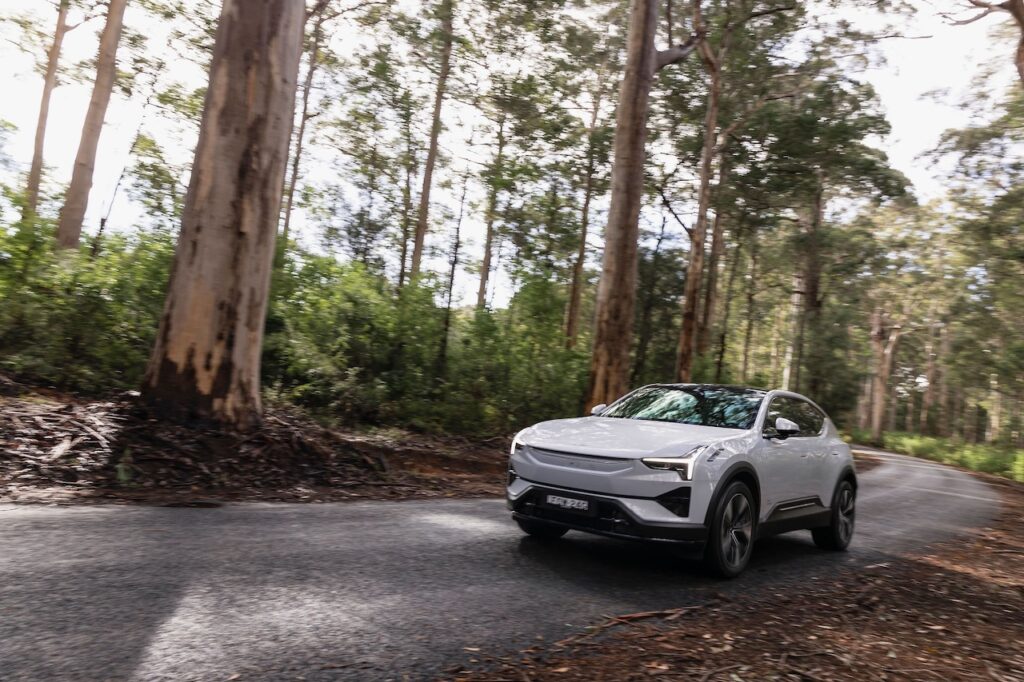
The giant Karri forests of this area were spectacular and I wish the photographer and I had had more time to take some of the many bush walks on offer, but journalism waits for no luxuries and we powered on to our next stop at the Hilton Garden Hotel in Albany, which actually did deliver the promised chargers in its car park, three of them, all empty.
Sadly they were MG-branded and involved the use of a new and even more confusing app system, which asked us to predict how much power we wanted in advance, and wouldn’t actually let us buy enough for a full recharge.
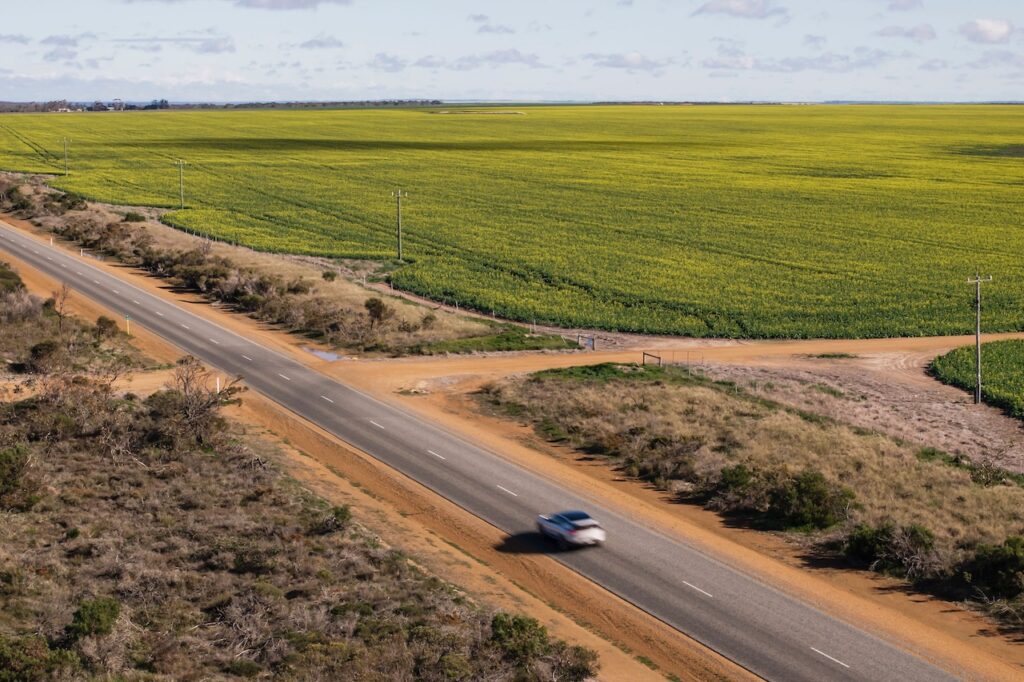
Refusing to be daunted, we set out for the drive to Esperance, through surprisingly lush farming fields of verdant green and bright yellow rape flowers, with just one more Chargefox fast charge along the way, coinciding with lunch again. Truly, when you plan your days around it, the EV charging thing adds no extra time at all.
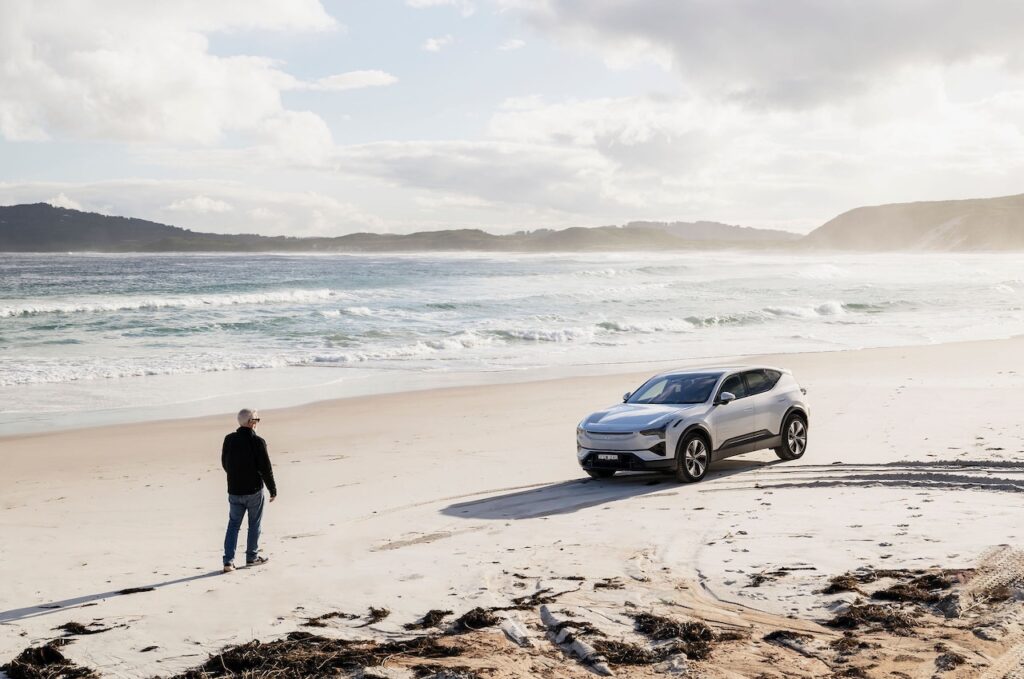
Esperance, with its ridiculously beautiful Great Ocean Drive (less famous than the overly busy Great Ocean Road in Victoria, but not less stunning, and blessed with whiter sand and more sparklingly emerald waters), was a real surprise. I don’t know how it’s not more famous than it is. It should be.
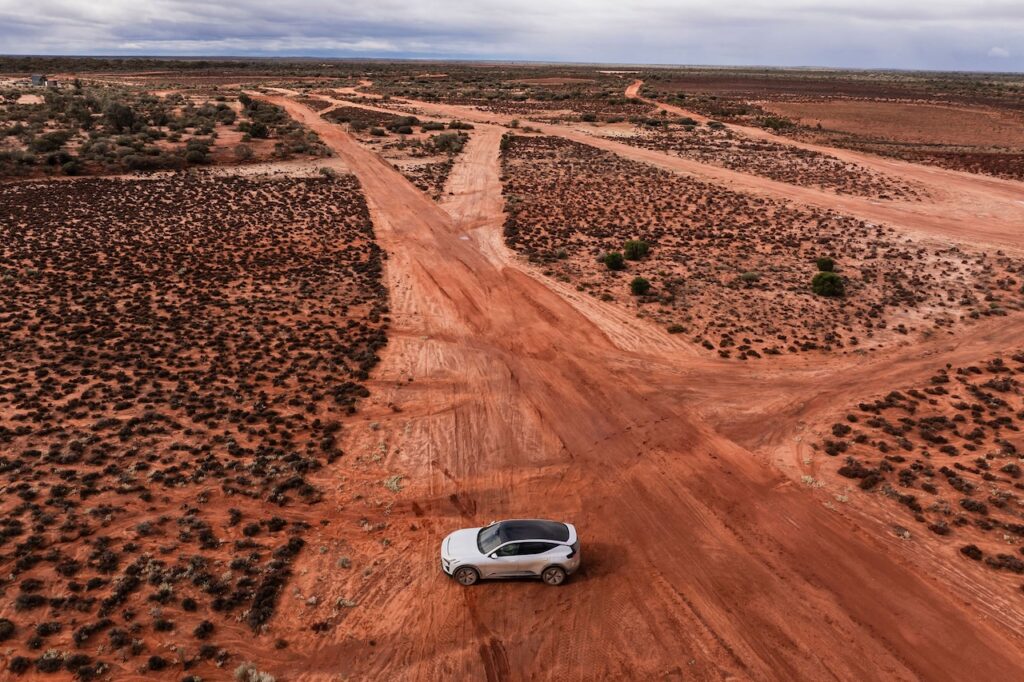
Our final punch up into the midriff of WA was a drive to the mining Mecca of Kalgoorlie, where the land around us finally turned the rich red of the outback I thought would dominate the whole trip.
The highlight of this town on the edge of a hole in the ground was said hole, the Super Pit, which is 3.7km long, 1.5km wide and more than 600m deep (you could drop Uluru in there and it wouldn’t get close to filling it). The size of this vast mine, and the constant rumbling of the trucks that gorge on it 365 days a year, is simply mind boggling.
Our journey done, we handed over the Polestar to a trucking company and did the math. While on our longer trips I’d watched the consumption vary between 18kWh and 28kWh, depending on our speed, but the difference between 100km/h and 120km/h wasn’t as great as that caused by the rise and fall of the road.
In total, I spent almost 23 hours at the wheel, driving 1755 km and averaging 25kWh/100km, which is obviously higher than the official WLTP energy consumption range of 17.6 to 20.3 kWh/100km for the Polestar 3 Long Range Single Motor. The WLTP test, clearly, does not involve long cross-country drives.
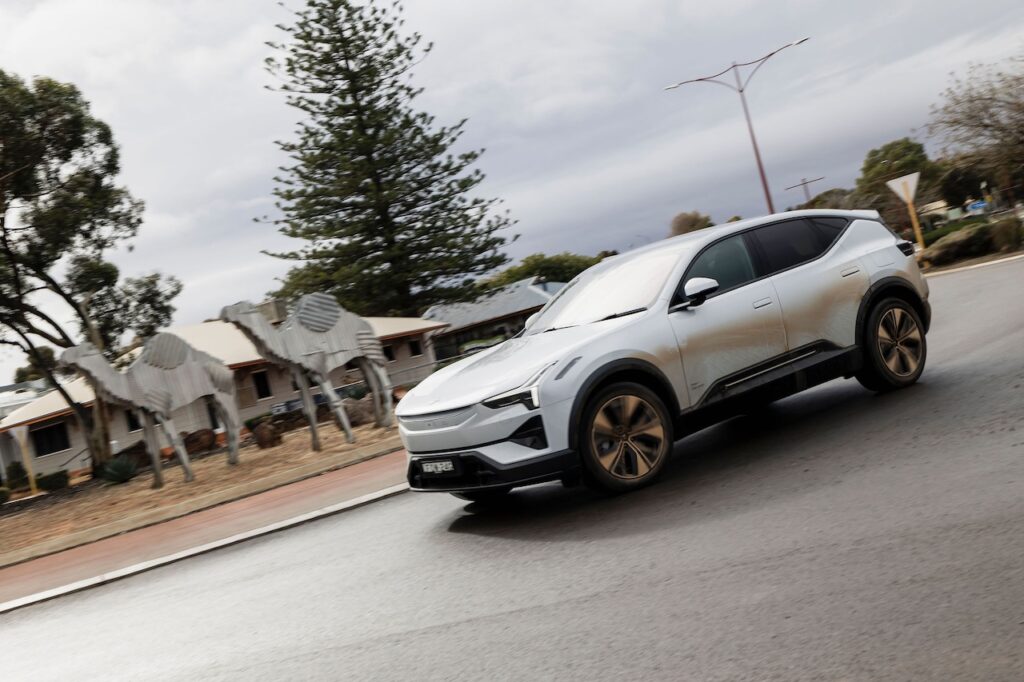
At no point did I see a predicted range higher than 450km, and some days I think we might have struggled to get to 400km, but this was never a problem because of the number of chargers on the EV Highway.
The Single Motor variant I drove costs $118,420, while the Dual Motor version costs $132,720, and provides less claimed range (636km).

In terms of charging, our fast chargers were the most expensive, and you pay for convenience, just as you do when buying a Coke at your local BP. My 1755km cost $228 in electricity, while a similarly sized premium large SUV using fuel would have cost $350, by my estimate. A filthy diesel machine would be even cheaper.
So, the WA EV Highway works, it can be done, and an EV really does work for a road trip like this, as long as you’re willing to do a bit of forward planning, and never skip a lunch stop.
And Western Australia really is a place full of surprises, and surprising beauty.
2025 Polestar 3 Long Range Single Motor price and specifications
Price: $118,420
Basics: EV, 5 seats, 5 doors, large SUV, RWD
Range: 706km (WLTP)
Battery capacity: 111kWh (107kWh useable)
Battery warranty: 8 years/160,000km
Energy consumption: 17.6-20.3kWh/100km
Motors: 1 rear 220kW/490Nm
DC charging: 250kW, CCS combo plug
AC charging: 11kW, Type 2 plug
0-100km/h: 7.8 seconds

Interesting read, tesla new chargers should be open to everyone ! I think you meant the fact charge is DC and the 11kw charge is AC.
Yes we did. Thanks.