Year of the Horse power: Geely and Renault release full details of pioneering combustion engine for plug-in hybrids that cuts fuel use by 40 per cent
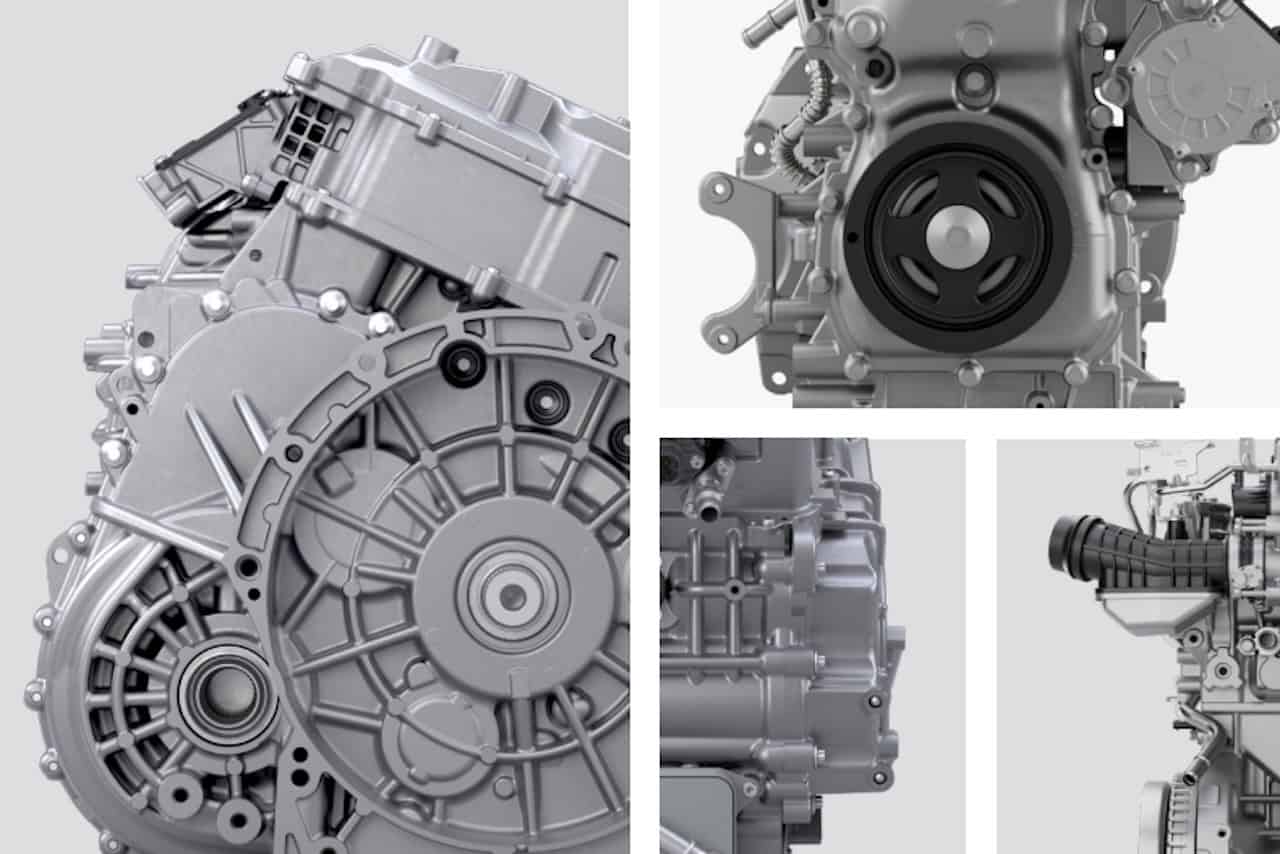
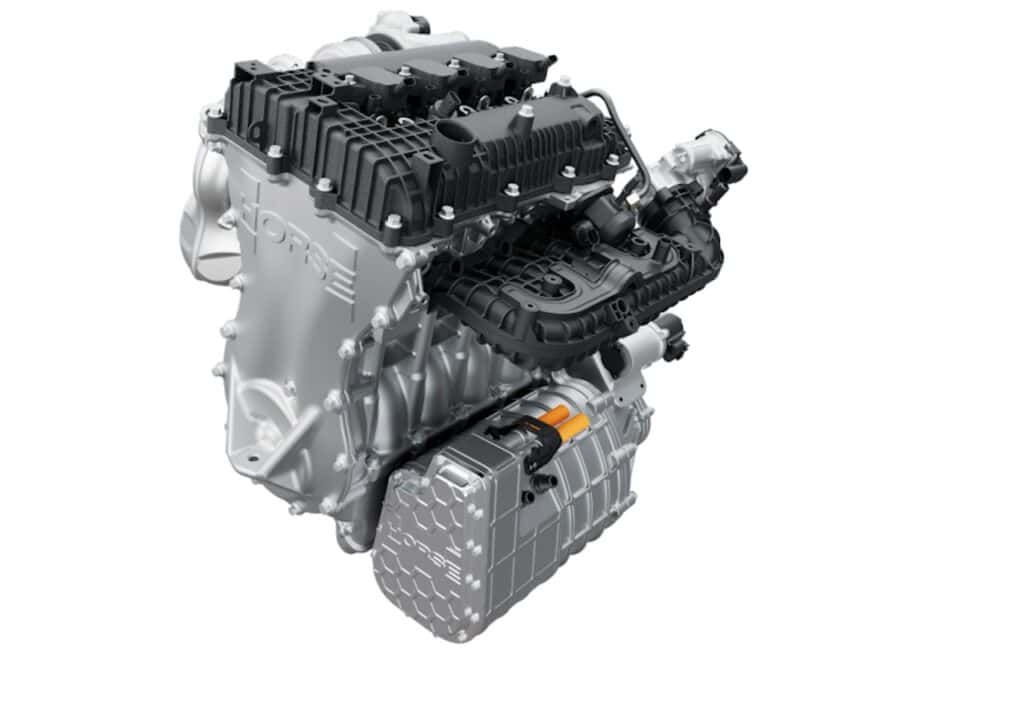
Geely-Renault’s Horse Powertrain has unwrapped a state-of-the-art all-new combustion engine that it claims will significantly improve a plug-in hybrid’s real-world efficiency once the battery is depleted.
According to the powertrain joint venture, its new H12 combustion engine can run on 100 per cent biofuels, where it can achieve a claimed thermal efficiency of 44.2 per cent.
Better still, prototype engines tested under WLTP conditions reportedly averaged an impressive 3.3L/100km, which Horse says is 40 per cent lower fuel consumption than the European average for new passenger cars — although the comparison is based on 2023 vehicle data.
READ MORE: Is this the future of the ute in Australia? Chery reveals the KP31 plug-in hybrid diesel-electric dual cab. It will be on-sale here this year!
READ MORE: It’s time we get grown-up about EV uptake and allow ICE to survive | Opinion
READ MORE: Which is best for the environment: EV or ICE? Here’s the truth about CO2 emissions across the lifecycle of new cars
READ MORE: What is a PHEV? Plug-in hybrid electric vehicles explained
Enabling it to achieve such efficiency, the new H12 engine — of undisclosed capacity — uses a stratospheric 17:1 compression ratio, employs a sophisticated recirculation system, features an ‘optimised’ turbocharger and is paired with a new transmission tailored to both the engine and hybrid applications.
The fuel used for testing, meanwhile, was developed by Spain’s Repsol and is said to have been produced from renewable feedstocks.
With a full tank of the biofuel used throughout the year, a mid-size hybrid equipped with the new H12 combustion engine could save as much as 1.77 tonnes of CO₂ over 12,500km of annual driving.
Horse Powertrain says two prototype engines have already been built and tested and that vehicles featuring a new hybrid system and its H12 engine will be unveiled in early 2026 — suggesting a reveal in the coming weeks.
The emergence of the new combustion engine is notable given the Horse Powertrain joint venture was only formed in 2024, with Geely and Renault each holding 45 per cent stakes, while oil and gas giant Aramco owns the remaining 10 per cent.
Horse operates 17 factories and as many as five R&D hubs.
As well as being set to benefit Renault, Geely, Volvo, Nissan, Mitsubishi, Proton and even Lotus vehicles, the new high-efficiency combustion engine from Horse Powertrain will also be offered to other Chinese and Western car brands as they scramble to meet growing demand for plug-in hybrid vehicles.
It is not yet known whether, in addition to more traditional plug-in hybrids, the new combustion engine has been developed for range-extender hybrids popular in China, where a small combustion engine acts only as a generator with no physical connection to the wheels.