Why Changan and Hyundai could suddenly now be in pole position for solid-state batteries
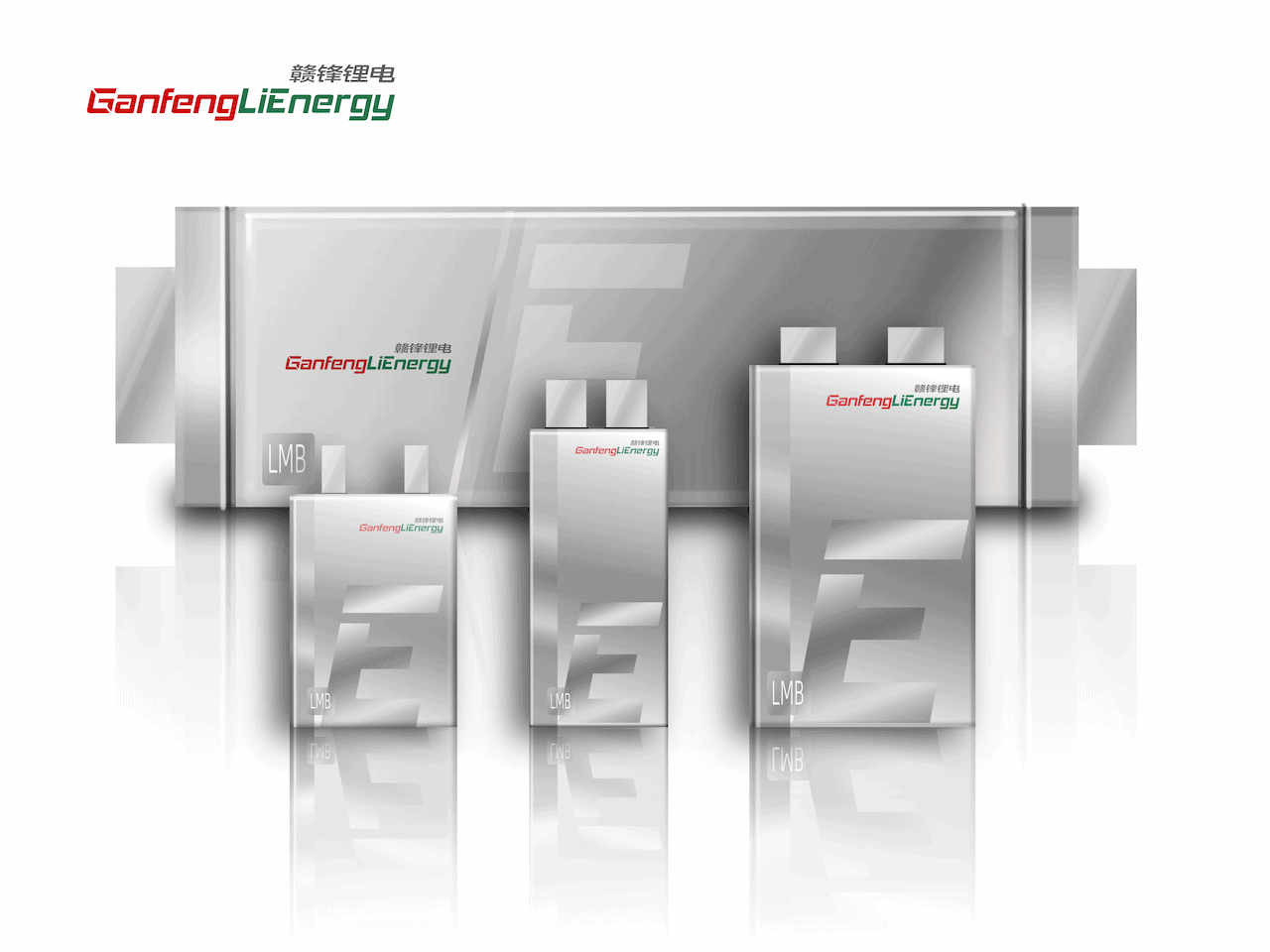
A key supplier to Hyundai Motor Group and China’s Changan has announced it has begun mass production of a new high energy-density “semi-solid” (solid-liquid hybrid) battery cell — technology it says could ultimately help deliver longer-range EVs with faster charging and improved safety.
China-based Ganfeng Lithium (sometimes rendered as “Gangfeng”) says its newly produced cells can achieve up to 650Wh/kg energy density, and that it has addressed one of the major hurdles for lithium-metal designs: the growth of finger-like lithium dendrites that can lead to internal short circuits.
The company attributes the improvement to an undisclosed multi-element lithium alloy anode it has developed.
READ MORE: Game changing semi-solid-state battery arrives: Li-Mn has the potential to make 1000+km long-range EVs common
READ MORE: The most important new EV to be launched in 2026? And it’s unlikely to ever be sold in Australia
READ MORE: Huawei’s huge battery breakthrough! New solid state tech promises massive range and miniscule charging times
Ganfeng also claims the cell design supports 3C fast-charging (a rate meaning, in simple terms, the battery could theoretically be charged in around 20 minutes under ideal conditions), while noting it remains below the higher 5C–10C rates some other solid-state developers have talked up.
According to reports, Ganfeng pairs the lithium alloy anode with a sulphur cathode and says the battery experiences only around 3–5 percent expansion during full charge and discharge cycles.
It also claims strong thermal performance and safety testing results, including nail/penetration testing and exposure to temperatures as high as 250°C.
The announcement could be significant for Hyundai Motor Group — which includes Hyundai, Kia and Genesis — and for Changan – which sells the Deepal brand in Australia and has a joint-venture with Mazda — given Ganfeng has signed agreements with both companies in recent years.
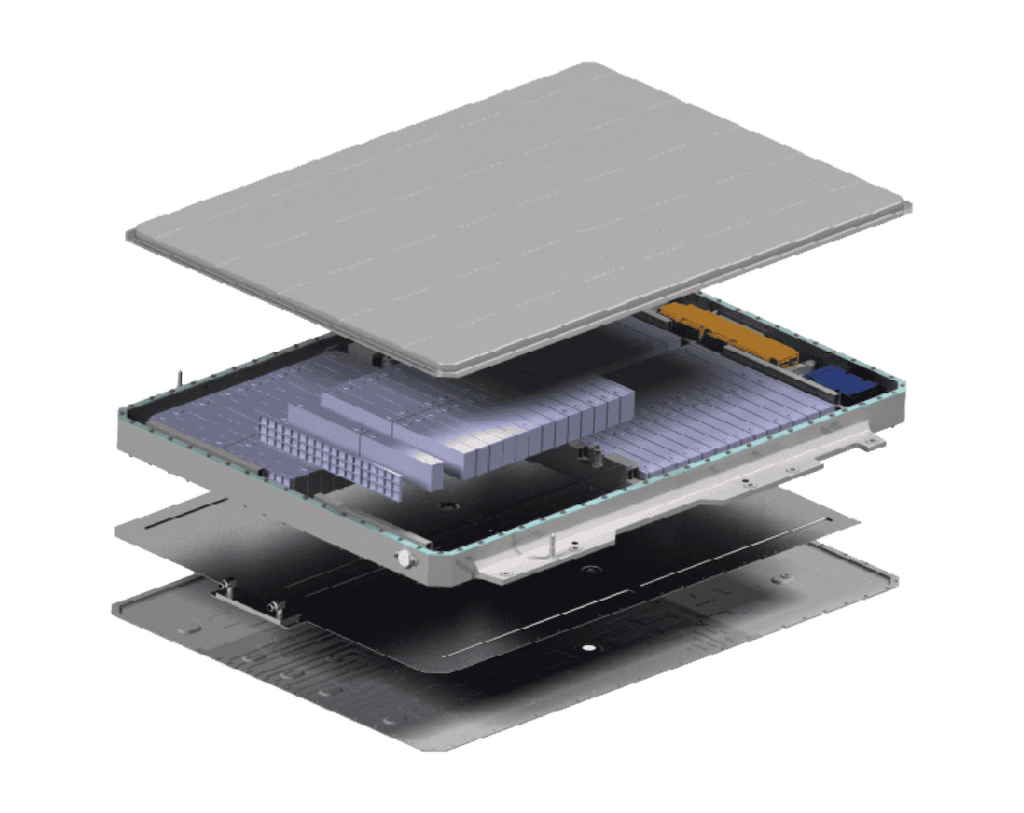
However, the company’s high-density cells are understood to be in non-automotive use for now, with automotive adaptation still in progress.
No timeline has been given for when an EV-ready high-voltage pack will be production-ready, nor which vehicle might be first to adopt the technology.
Even so, evidence that Ganfeng has moved beyond the lab and into volume production — albeit for non-automotive applications — will add momentum to the race to commercialise next-generation batteries, as rival developers continue to wrestle with the complexity of scaling solid-state-style chemistries for road cars.