We are still committed to EVs! Despite a flood of plug-in hybrids, Chery insists EVs are still part of its plans in Australia
Despite a recent flood of plug-in hybrid activity, Chinese giant Chery’s Australian operation insists it remains committed to developing its battery electric vehicle line-up.
But it’s going to need more customer interest to hit the throttle harder on Evs.
At a recent media technical day in Sydney, Chery revealed a world-first plug-in hybrid diesel ute currently codenamed KP31 that will launch in Australia in 2026.
It also confirmed a plug-in hybrid petrol sibling would arrive in 2027.
READ MORE: Is this the future of the ute in Australia? Chery reveals the KP31 plug-in hybrid diesel-electric dual cab. It will be on-sale here this year!
READ MORE: 2026 Chery Tiggo 8 CSH Urban Review: Sharp pricing and heaps of equipment aren’t the only positives offered by this plug-in seven-seat family SUV
READ MORE: Sharper pricing for Jaecoo J7 PHEV: Undercuts BYD Sealion 6, takes aim at Chery Tiggo 7 Super Hybrid and Geely Starray EM-i
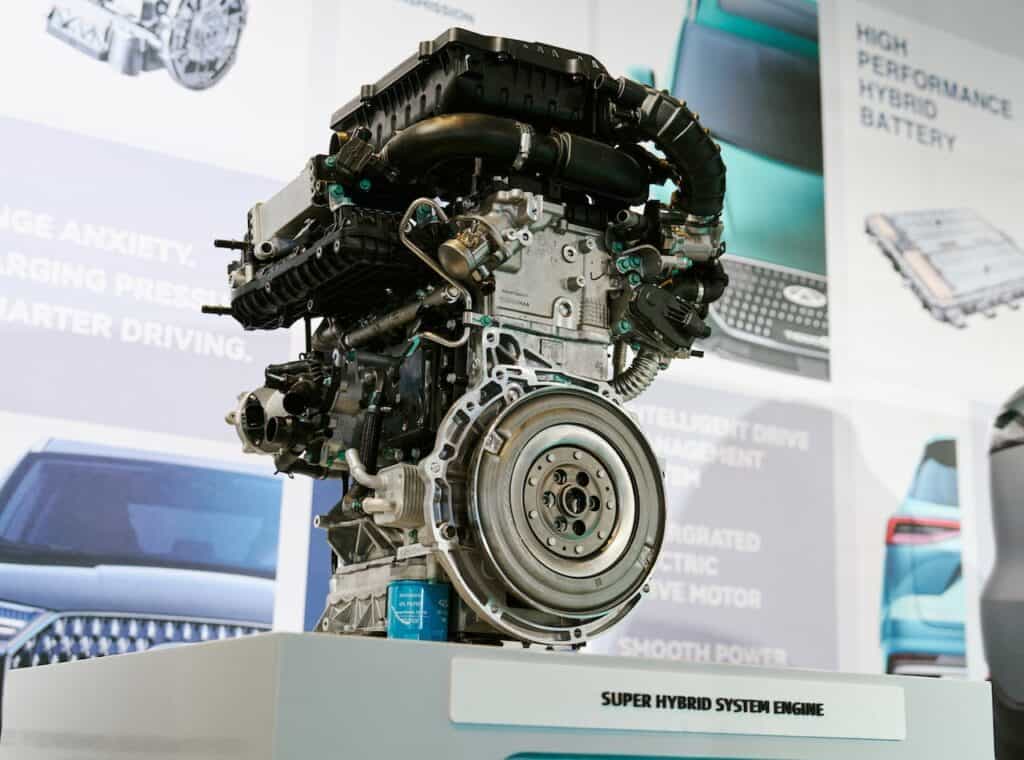
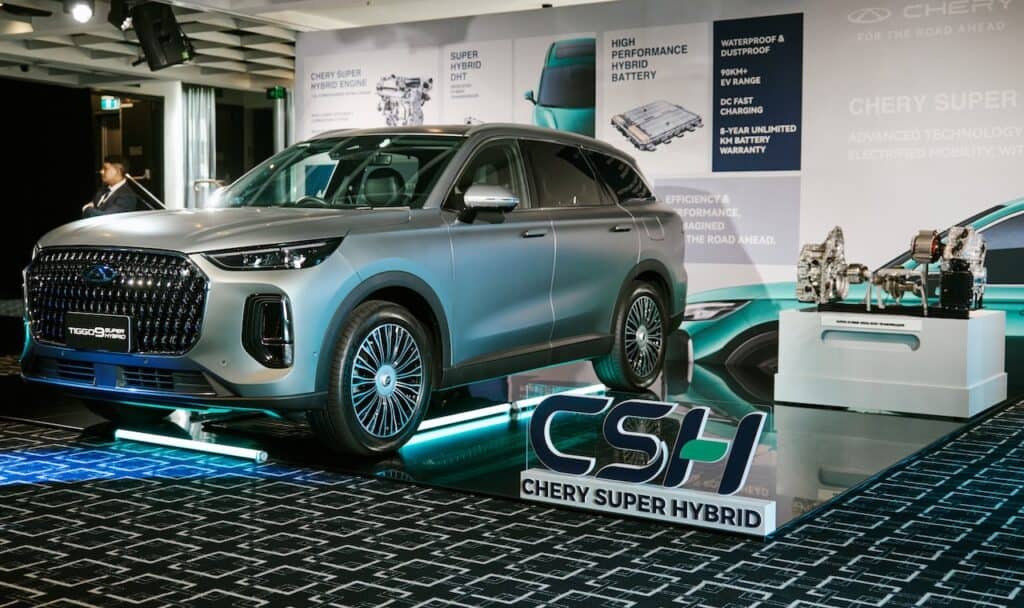
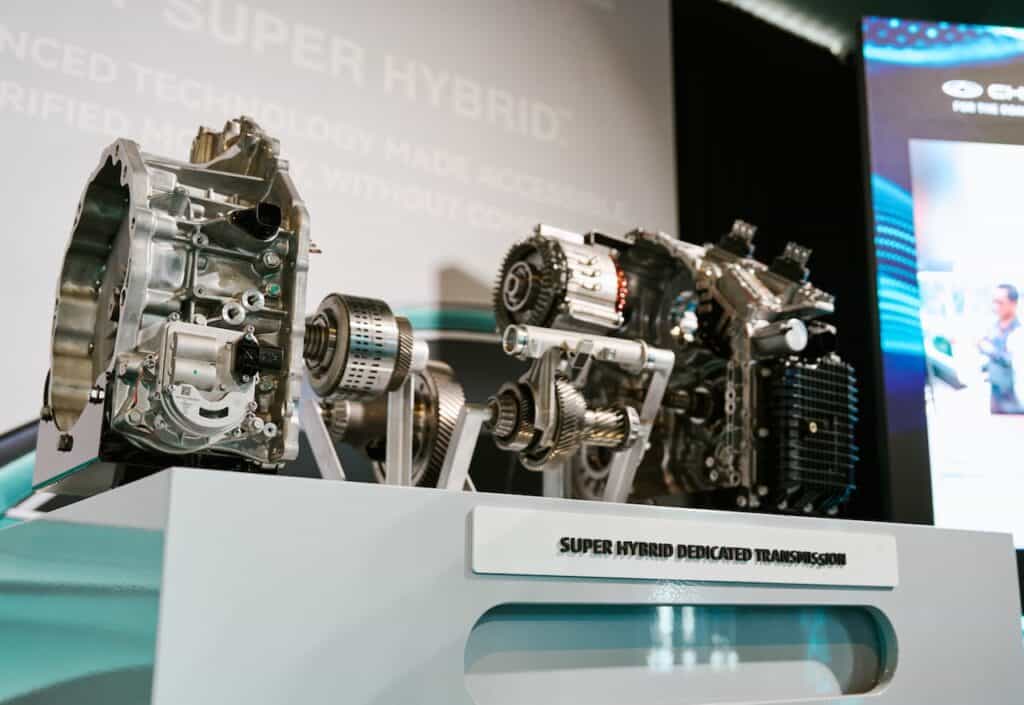
While the diesel will use a longitudinal powertrain set-up, Chery also revealed the same day two new sixth-generation transverse plug-hybrid petrol-electric systems designed for use in its extensive range of SUVs.
The ambition for these systems is to generate a 2000km combined range, up from the current 1200km claim.
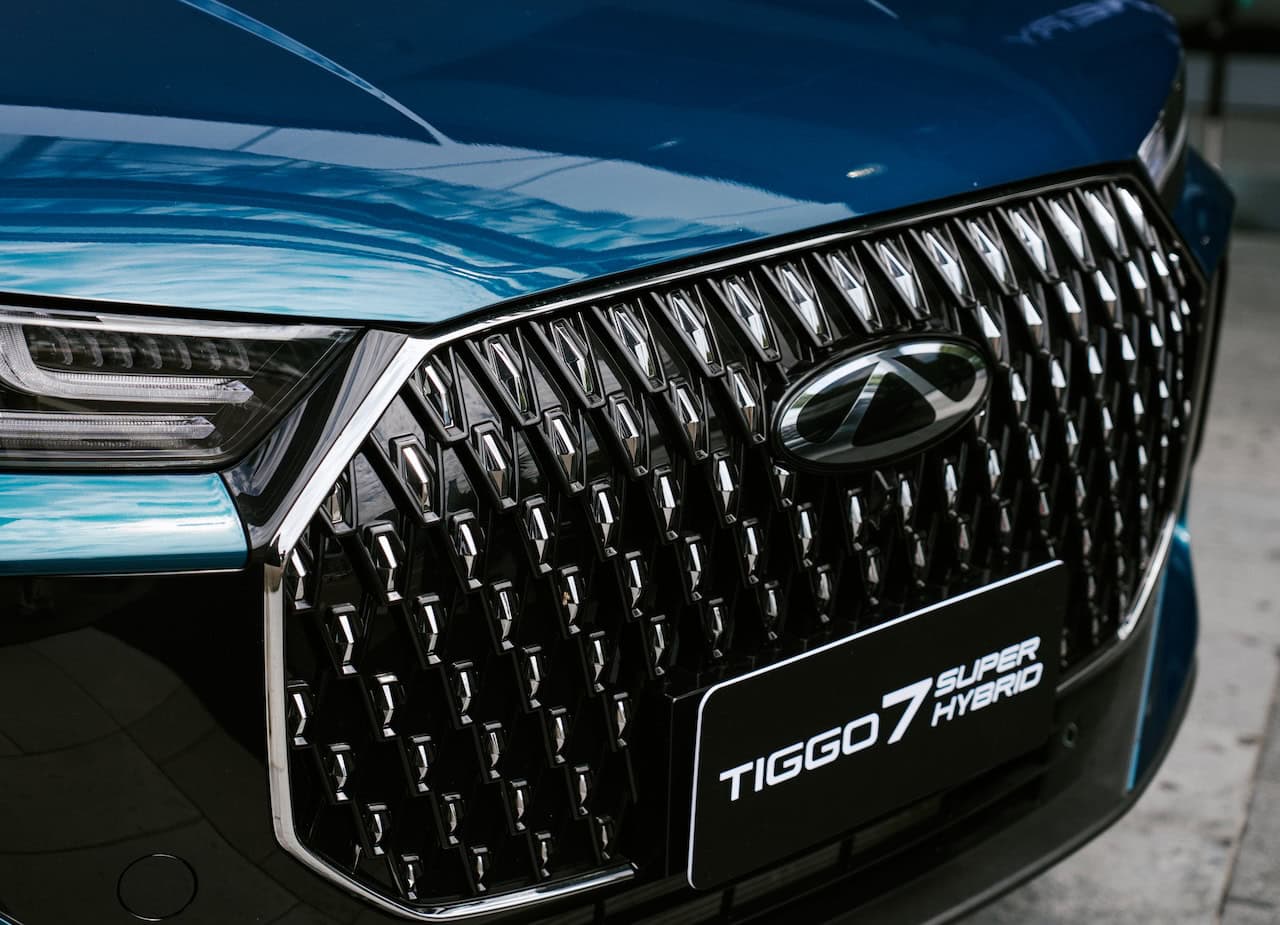
All this activity follows on from Chery launching Chery Tiggo 7, Tiggo 8 and Tiggo 9 PHEV models in Australia, as well as the Jaecoo J7 and Omoda 9 PHEVs – or Super Hybrids as Chery dubs them – all in 2025.
In 2026, the Lepas brand will also arrive with yet more SUVs powered by the Chery Super Hybrid powertrains, while the incoming iCaur brand is reported to use range extenders as well as EVs.
In amongst all this PHEV activity, the Chery group of brands has only launched one recent EV in Australia, the Jaecoo J5.
It’s only the group’s second EV launched in Australia after the Chery E5.
While PHEVs are growing faster in popularity, EVs still outsell them. EV purists also deride PHEVs for still relying on an internal combustion engine.
Various studies have also show PHEVs often use much more fuel than their claims because owners are not rigorous in keeping the battery charged.
“[EV is] certainly not something we’ve given up on,” Chery Australia chief operating officer Lucas Harris told EV Central.
“But I think consumer demand is the obvious thing for us to follow and if customers are saying ‘we want ICE and we want hybrid and plug-in hybrid and we’ll have a little bit of BEV’, well then that’s what we’ll offer.
“We’ll still have BEV options across the group of products.”
Harris said there would be EV activity in the Chery group of brands in Australia this year.
He said Chery’s EV focus in Australia will accelerate when customer demand indicates it is warranted.
“If the consumer sentiment totally shifts and goes ‘never talk to us about ICE again, PHEV we’re kind of lukewarm on but BEV, we want it’, then we’ll easily shift.
“Everything’s available to us, it’s more about trying to make sure that we’re not dictating to customers ‘you must have this and this is the only thing we’ll offer’.”
The two plug-in hybrid systems Chery previewed in Sydney were the DHT160 and the DHT230.
The DHT160 will product 160kW and 275Nm from its e-motor.
It is designed for SUVs weighing between 1500kg and 2000kg, which means vehicles such as the Tiggo 7 and Tiggo 8.
The DHT 230 produces 260kW and 330Nm and is designed for vehicles weighing over two tonnes.
Highlights include a new 16-in-one e-motor design capable of spinning to 24,000rpm. It also has a 30 per cent weight reduction and up to 40 per cent improved heat dissipation.
The only battery linked with the system so far is an 18.46kWh lithium iron phosphate pack.
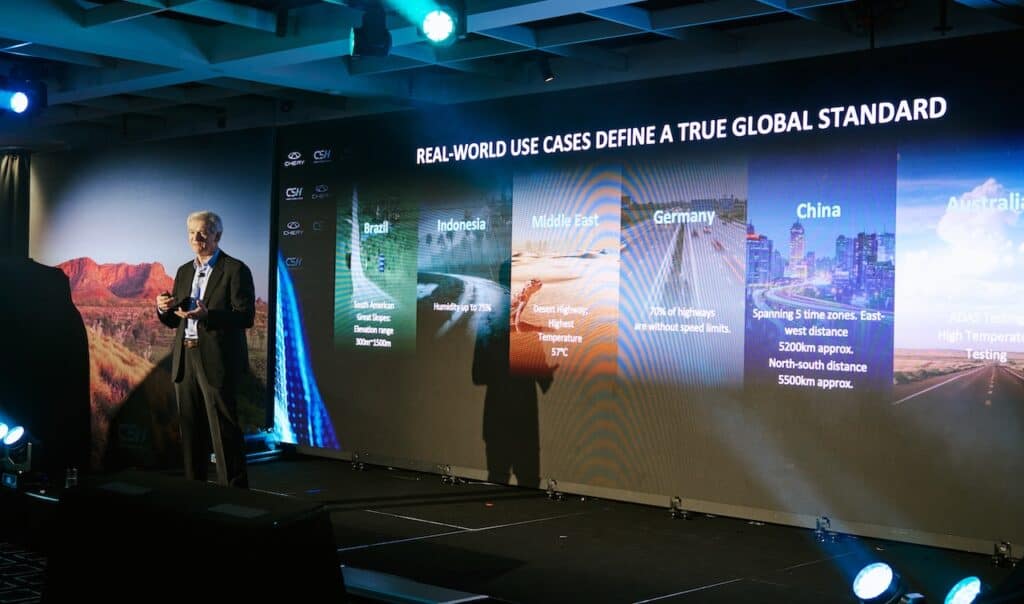
“Put it simply it [Chery sixth generaytion PHEV] is all about lower fuel consumption, stronger performance smoother, more refined driving experience and this will bring the customers a combined range – we’re targeting – … of 2,000km again,” said peter atkin, executive director engineering at Chery.
“Quite outstanding really.
“In addition to that we’re trying to deliver this three per cent reduction in fuel consumption. Again, a huge difference.”