Revolutionary sodium-ion batteries enter mass production: Lithium prices are soaring and this is the cheap, sustainable solution
EVs could become much cheaper thanks, ironically, to the soaring cost of lithium, which is forcing car-makers and battery producers to explore sodium-ion batteries made from abundant materials such as seawater and rock salt.
Supply chain constraints, geopolitical instability and resource volatility linked to lithium production are accelerating efforts to fast-track sodium-ion batteries, which are said to cost around 30 to 40 per cent less to produce.
Leading the race, unsurprisingly, is CATL – the world’s largest automotive battery manufacturer – with its new-generation Naxtra sodium-ion batteries that have already been confirmed for use in passenger vehicles as soon as this year.
READ MORE: EV cancer risks: Real-world study delivers verdict on battery electric electrosmog health threat
READ MORE: Nissan’s Aussie battery recycling solution: LEAF batteries become second-life power packs at Melbourne factory
READ MORE: BMW launches EV battery recycling initiative in Australia
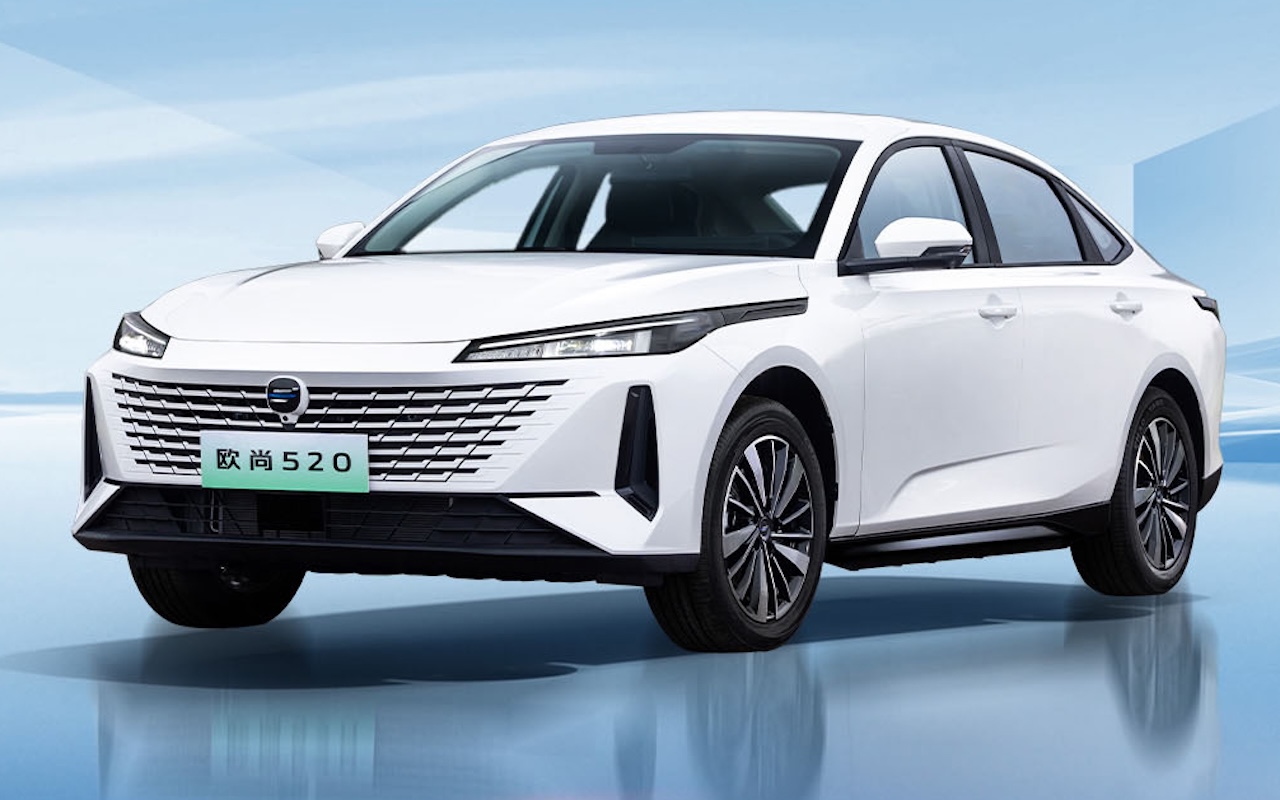
The first vehicle widely tipped to be offered with the new technology is the Changan Oshan 520 sedan (pictured top), which will also feature CATL’s advanced battery-swap capability.
According to CarNewsChina, following successful testing the technology will then be rolled out into undisclosed GAC and JAC models, with a strong possibility that sodium-ion powered vehicles could be available in China before the end of 2026.
Last month CATL also announced plans to mass-produce a new 45kWh sodium-ion battery designed specifically for light trucks and small-to-medium vans.
Rather than focusing purely on cost savings, these new sodium cells are being promoted for their ability to operate at full load in extreme temperatures as low as -30C, conditions in which existing lithium batteries can struggle to perform efficiently.
Commercial vehicles are expected to play a key role in the early rollout of the technology, with sodium-ion batteries also planned for more affordable entry-level EVs as well as stationary energy storage.
Still considered to be at an early stage of development, sodium-ion batteries are known to offer lower energy density per volume compared with lithium technology.
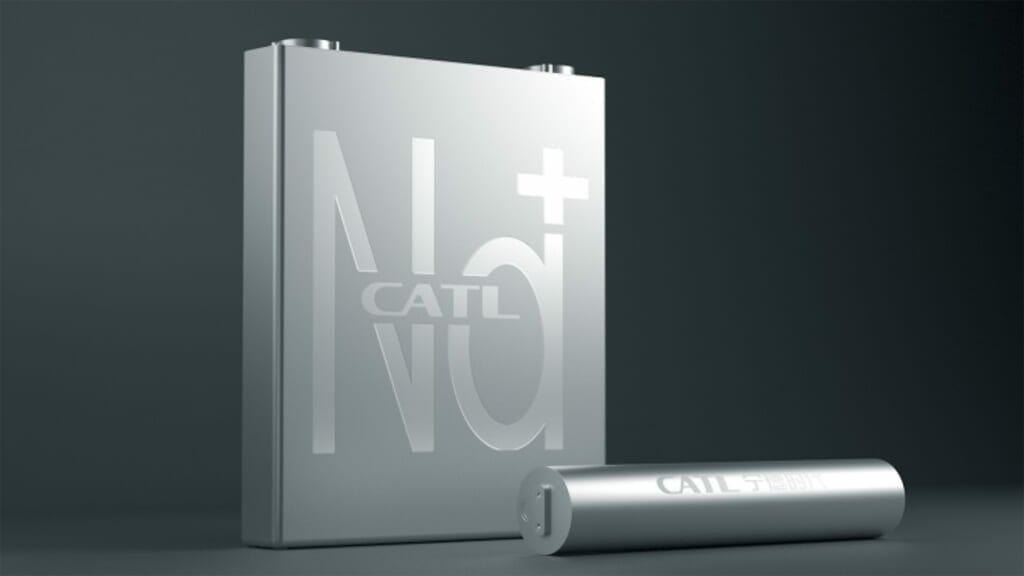
However, their strong cold-weather performance and high levels of safety, including no reported fires during rigorous testing, suggest they have significant long-term potential.
CATL has claimed that within three years it expects sodium-ion energy density to match that of today’s lithium iron phosphate (LFP) cells.
As they stand, sodium-ion batteries are also said to be more robust than current lithium cells, rising by only around 5C in temperature under ultra-fast 5C charging conditions, even without a complex cooling system, potentially allowing car-makers to reduce development costs.
Current sodium-ion energy density ranges from around 100 to 175Wh/kg, while lithium iron phosphate (LFP) batteries typically sit between 180 and 200Wh/kg.
At the top end are ternary lithium-ion cells, used in long-range and higher-performance EVs, which average between 250 and 300Wh/kg.
Next-generation solid-state batteries could significantly exceed this, with projections ranging from 300 to 800Wh/kg.
While sodium-ion cells look promising, demand for lithium is expected to remain strong as battery makers continue to refine ternary lithium chemistries and work towards commercialising solid-state technology.