Oil price rise driving global EV surge, including the USA
Escalating tensions in the Middle East have coincided with a sharp increase in online interest in electric vehicles, as consumers look to shield themselves from rising fuel costs.
According to the US car buying service CarEdge, search traffic for EVs has increased by more than 20 per cent as global oil prices approached a four-year high of around US$100 (approximately $140) per barrel.
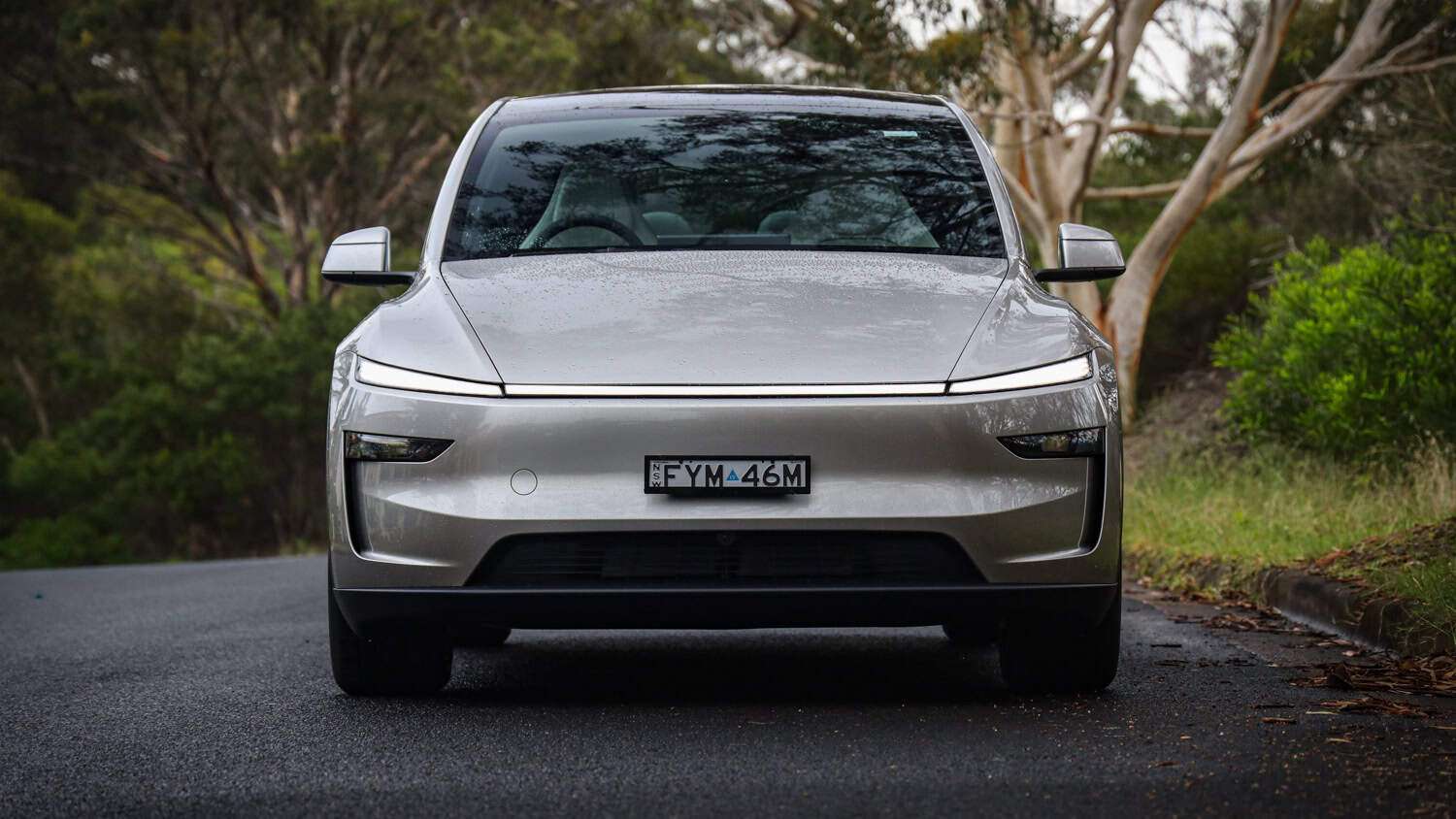
Searches for popular models such as the Tesla Model Y are reported to have more than doubled over the same period.
READ MORE: “It’s going crazy!” EV sales surge as oil crisis accelerates Aussie buyer interest
READ MORE: The Middle-East war, the price of oil and how it impacts on EV owners | Analysis (and some opinion)
READ MORE: EV owner survey: Apparently, you lot think EVs are great!
The spike comes after a recent EV downturn prompted by the end of US federal incentives.
“When oil prices rise, gasoline prices follow, and the math on vehicle ownership shifts quickly,” noted CarEdge analyst Justin Fischer.
“Gas prices are also uniquely visible. They’re posted in large numbers on every corner, and when they rise, they shift how drivers think about affordability in a way that abstract ownership calculations rarely do. That’s why drivers and politicians alike keep close tabs on gas prices.”
While Fischer is talkign about the USA, he could be saying the exact same thing about the Australian market!
“In the previous oil price spike in 2022, EV sales were limited by a smaller model lineup, thinner charging infrastructure, and a buyer pool that was largely first-adopters,” Fischer noted.
“That’s no longer the case. There are now more than 70 fully-electric models available in the U.S. across a wide range of price points.
The public charging network has expanded significantly [and] used EV inventory is deeper and more affordable than ever.”
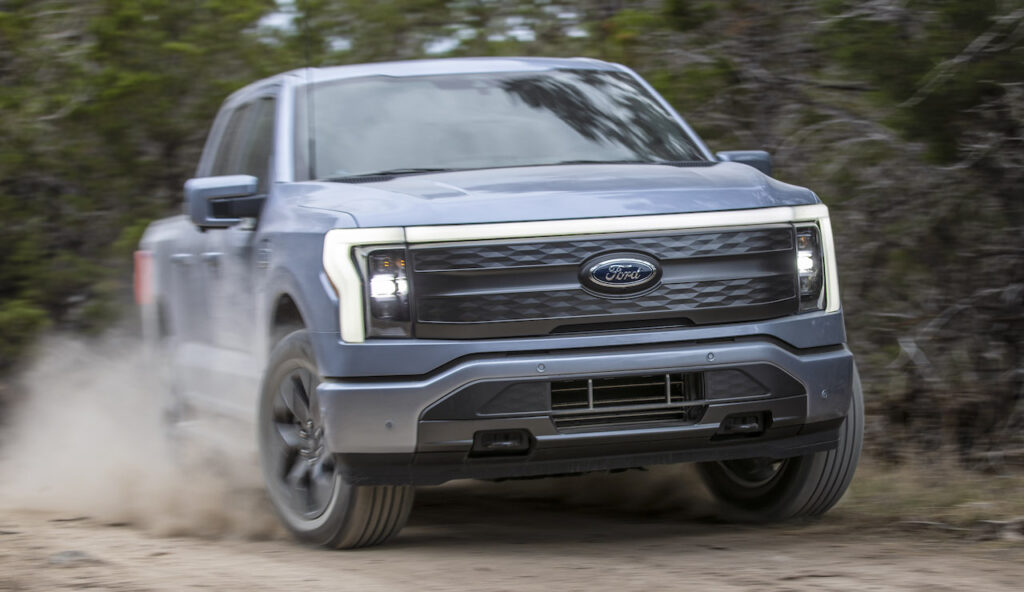
The renewed interest also comes as US automakers slow their EV commitment, with models such as the F-150 Lightning, being culled.
Rising EV adoption is already having an impact on global oil demand. Recent estimates suggest electric vehicle sales reduced oil consumption by around 2.3 million barrels per-day last-year.
Looking ahead, some analysts forecast that figure could reach as much as 5.25 million barrels per-day by 2030 if current growth trends continue.
Electric mobility beyond passenger cars is also contributing to reduced oil use. Bloomberg reports that battery-powered two- and three-wheelers account for daily savings of more than 1.7 million barrels.
Even at lower oil prices of around US$80 (approximately $110) per barrel, China is estimated to be saving about US$28 billion (around $40 billion) annually due to widespread EV adoption.
Europe is also benefiting, with estimated savings of approximately US$8 billion ($11 billion).
In the United States, rising fuel prices are already being felt by consumers, with spending on petrol increasing by an estimated US$1.65 billion (around $2.3 billion) in a single week.
While there is no clear end in sight to the conflict, increased online interest in EVs is expected to translate into higher demand.
Anecdotal reports suggest Australian dealers are already experiencing increased enquiries and tightening supply of electric models.
Although electricity prices can be influenced by energy markets, the link to crude oil is relatively limited in some regions. In the US, for example, only around a quarter of household electricity costs are directly tied to oil prices.