
Huawei’s huge battery breakthrough! New solid state tech promises massive range and miniscule charging times
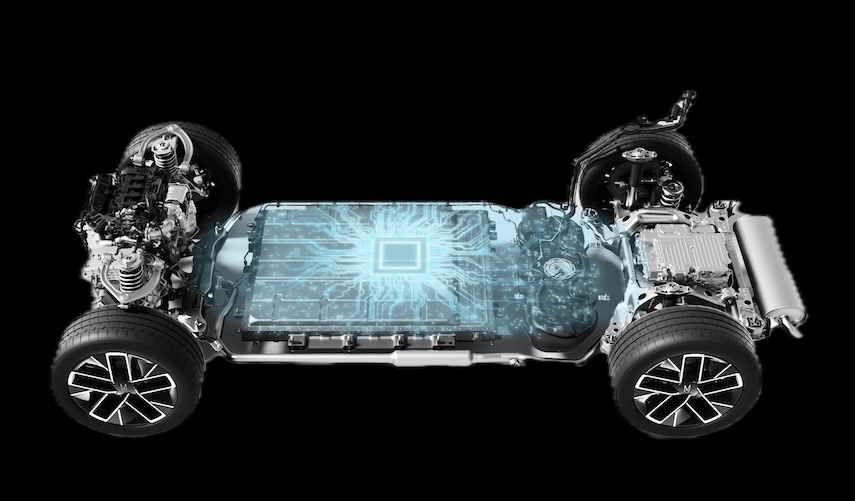
Smartphone giant and EV investor Huawei has challenged CATL and BYD’s supremacy by inventing a pioneering new battery that blends an incredible range of up to 3000km with a charging time of just five minutes.
Taking the battery-making industry by surprise, the fresh filing is for a solid-state style battery delivers an energy density of between 400 and 500Wh/kg – two or three times that of conventional lithium-ion cells.
It also harnesses a sulfide chemistry that even the biggest battery-makers have struggled to make work.
READ MORE: Cheap trick: MG’s advanced semi-solid-state batteries it will launch next year will be affordable says boss as Chinese brand gets upper hand on VW and Toyota
READ MORE: What is a solid-state battery?
READ MORE: Batteries not included: NIO introduces pioneering new semi-solid-state battery with 1000km range … but there’s a big catch
According to CarNewsChina, which discovered the patent, the new filing reveals Huawei’s scientists have added nitrogen into the mix, overcoming the sulfide cell’s biggest failing.
In the past sulphur-rich battery cells resulted in the lithium component of the batteries reacting elsewhere in the cell.
That slashed its lifespan compared to other more stable chemistries.
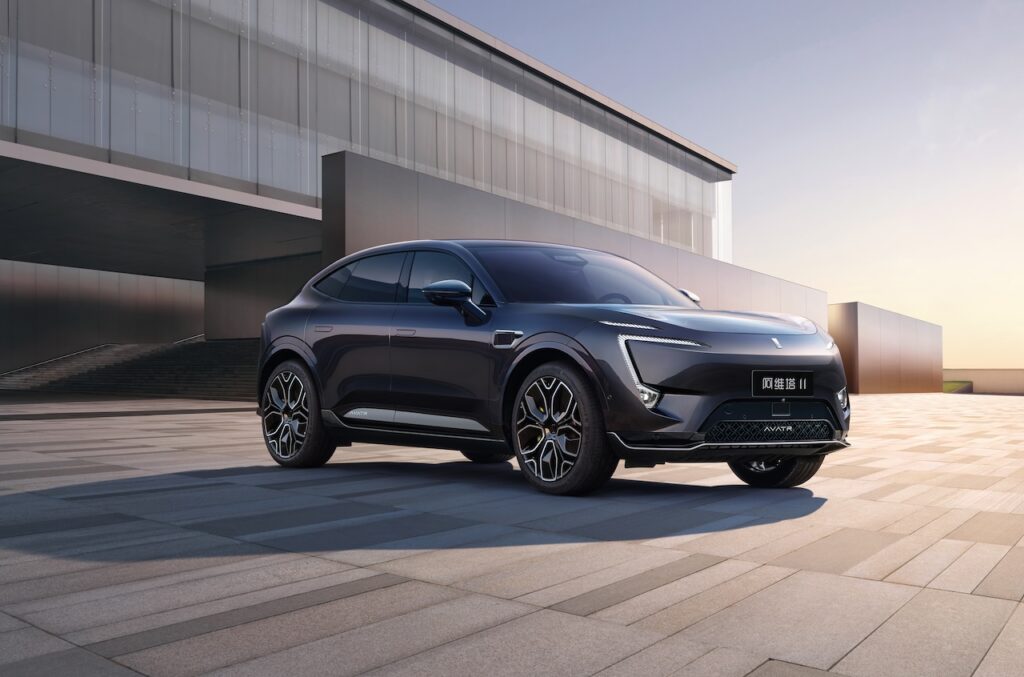
With the patent filed, it’s not known what the tech giant plans next as Huawei does not currently have any manufacturing facilities that are suitable for mass-producing batteries for the car industry. Its involvement in the EV industry is as technology supplier and partner to several Chinese makers rather than building its own vehicles.
These brands include Aito, Avatr and Taiwan’s Luxeed.
It’s also worth pointing out that even in China – where one-megawatt BYD chargers are currently being rolled out – there still aren’t any chargers capable of delivering a five-minute charge with the batteries rumoured to need well beyond 1000kW of power for their maximum charging speeds.
Proving the new sulfide battery filing isn’t a one-off, earlier this year Huawei filed another patent for a state-of-the-art sulphide-based electrolyte.
At the time analysts ruled it out due to the extreme cost associated with producing it, with some predicting that gram-for-gram it would cost more than gold to produce.
The move for tech giants to start investing in solid state batteries is said to be a growing trend, as firms like Huawei attempt to break free of their reliance on third-party battery suppliers.
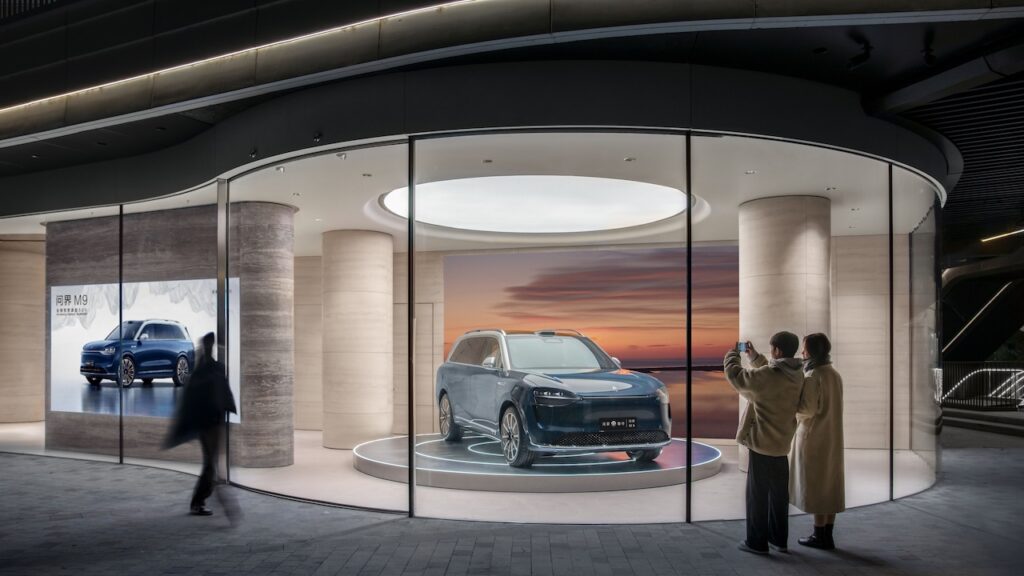
In 2024 CATL claimed it made 37.9 per cent of all the world’s high-voltage automotive batteries with BYD (17.2 per cent) in second place.
The news of Huawei’s solid-state breakthrough must make for sober reading to car-makers who have been developing them for the last decade, but have still not rolled out the tech for mass production.
It was rumoured that Toyota was about to steal a march on the competition when it unwrapped a prototype back in 2024 that blended a 1200km range with a 10-minute charge, but the car-making giant has yet to mass produce solid-state batteries.
In fact, its tech not expected to launch until 2028.
Unsurprisingly, CATL said it will beat Toyota with its next-gen ‘Jinshi’ power pack in 2027, although that isn’t as energy dense (350Wh/kg) as the new Huawei tech.
Nor is it expected to be as cheap to make as sulfide-based batteries that use sulphur as a key ingredient.
Speaking of expense, even with sulphur that’s easy to mine and plentiful, the Chinese car website reports all battery producers are continuing to struggle with the sheer cost of using a battery that employs a solid electrolyte.
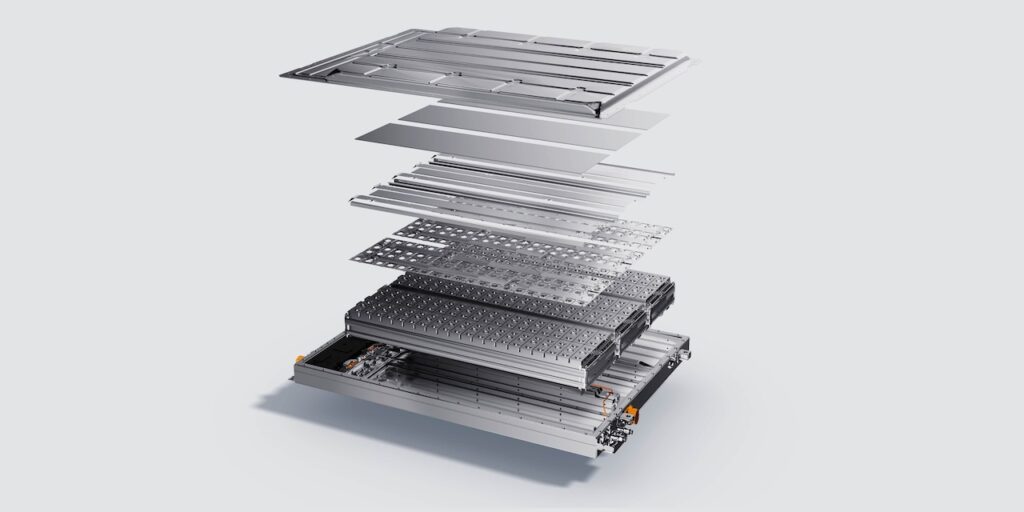
Current estimates are they cost an incredible 8000 and 10,000 yuan per kWh ($1700 and $2150) to produce – but even at that price the tech is believed to be worth it, such are the benefits to consumers.
Solid-state batteries are much safer and will dramatically boost the range while slashing charging times to an equivalence with refuelling, thereby paving the way for the mass acceptance of EVs.
No hype.