Honda’s big EV rethink: As Aussie Super-One launch looms, Japanese giant overhauls its global EV strategy
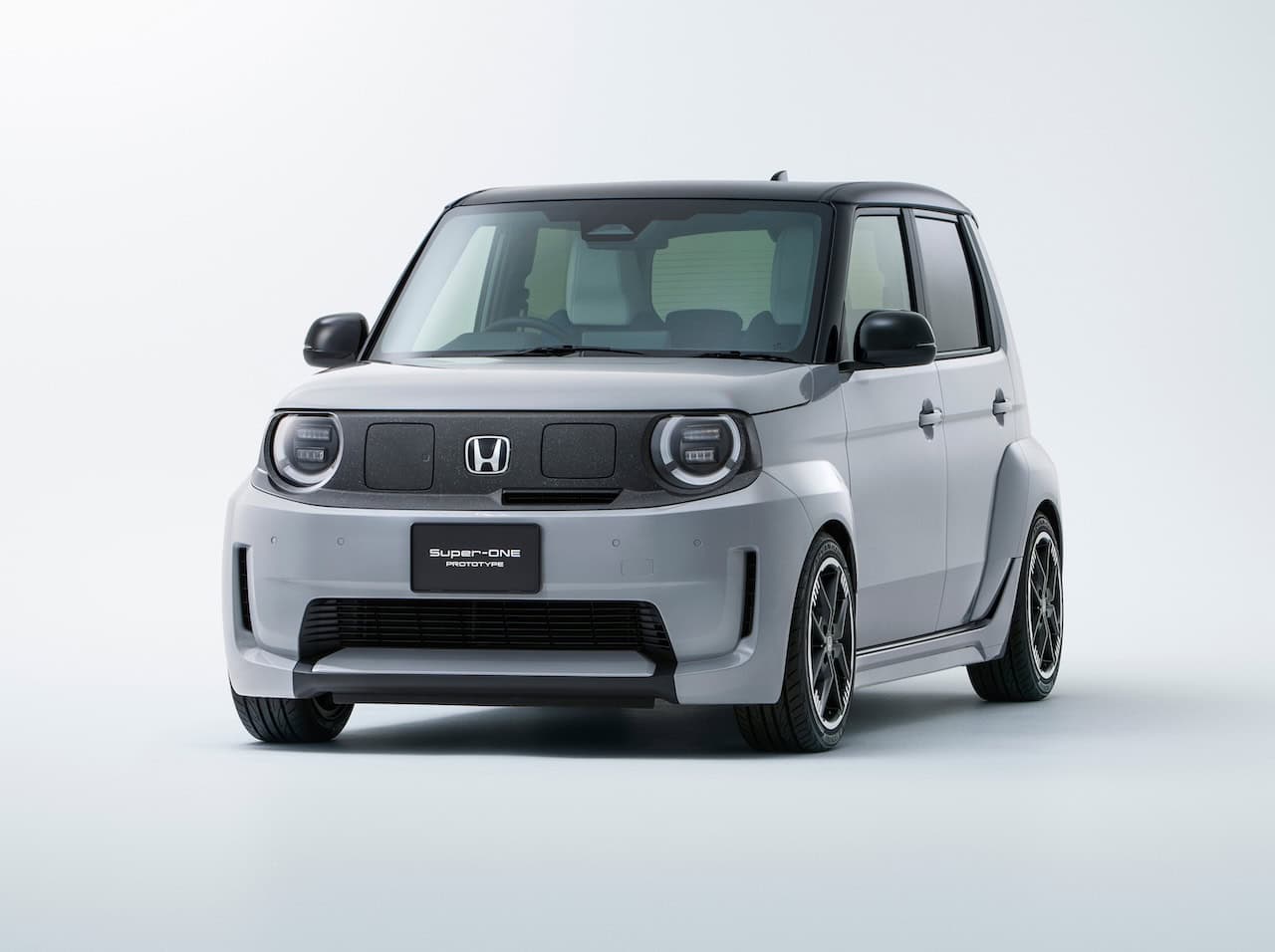
As Honda Australia prepares to launch its first EV within months, its Japanese parent is rebalancing its electric vehicle strategy and plans in the face of slow demand and significant financial losses.
Joining the ranks of Ford ($11.5 billion) and Stellantis ($35 billion), Honda reported a loss of ¥166.4 billion ($1.5b) in the nine months to December 2025.
That figure widened to operating losses of ¥267.1 billion ($2.5bn) for the full 12 months once tariffs and EV-related expenses were factored in.
READ MORE: Honda EV spin-off reveals next model: Afeela ‘Prototype 2026’ is a Tesla Model Y-sized dual motor SUV
READ MORE: Honda Super-One EV confirmed for Australia: Tiny city car will be a fun and different drive promises Honda
READ MORE: We want our people back! Honda Australia boss says going EV in 2026 will return fans to the brand
Despite four consecutive quarters of losses in its automotive division, Honda’s pain was offset by strong motorcycle sales and solid returns from its financial services arm, allowing the company to post an overall profit of ¥591.5 billion ($5.4b).
Honda sold 3,396,057 cars globally in 2025, with total vehicle sales down 8.9 per cent compared with 2024. The main thorn in its side was its underperforming EV business.
Despite sizeable investment, Honda sold just 15,000 electric vehicles globally in 2025 — around half the number it shifted in 2024.
Originally, Honda had hoped that by 2030 its EV sales would exceed two million units annually, but revised estimates have downgraded that target to around 750,000.
Behind the scenes, a radical rethink of the brand’s EV strategy is believed to be underway. However, executive vice president Noriya Kaihara insists the company remains committed to becoming carbon neutral by 2050.
“While our ultimate goal [of carbon neutrality by 2050] remains unchanged, the pathway to achieving it is evolving into a different form from what we had previously envisioned,” he said.
To save costs, Honda’s leadership has said the brand will now “carefully reassess the timing of EV introductions”, hinting that several electric models could be delayed until market conditions improve.
Compounding matters, Honda has been affected by trade war-imposed tariffs in key markets. In the United States, the ending of the US$7500 ($10,500) federal EV tax credit in September 2025 triggered a slump in demand shortly afterwards.
While US EV demand is slowly recovering, Honda says it will for now concentrate resources on developing and selling traditional combustion-powered and hybrid vehicles.
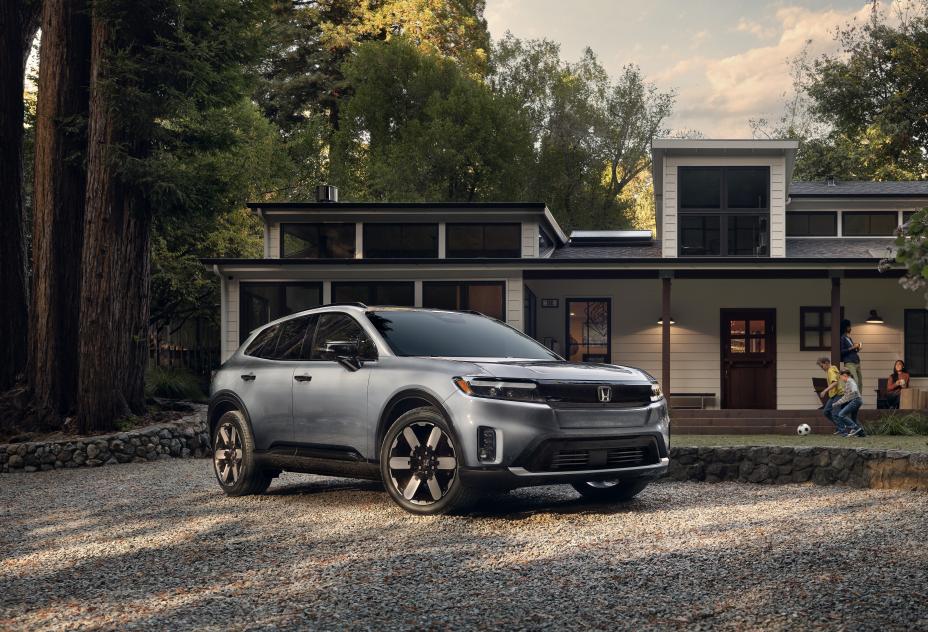
Further challenges stem from its partnership with General Motors, which builds the Honda Prologue SUV. With lower-than-expected sales, reports suggest Honda now faces compensation payments exceeding $180 million.
In China, Honda has also admitted it is lagging behind domestic rivals in software and in-car technology. The brand has confirmed it will shift strategy by working more closely with local suppliers and car-makers, mirroring the approach adopted by other global brands operating there.
It remains unclear whether cost pressures will force Honda to abandon its strategy of exclusively using in-house vehicle architectures, or whether it may look to borrow platforms from Chinese brands to reduce costs and accelerate development.
How these global losses will affect Honda’s Australian operations is also unclear, particularly as the brand is warming up for the launch of its first EV, the tiny Super-One..
For now, Honda’s Australian line-up is heavily hybrid-focused. It will add more variants and the Prelude sports car in 2026.
Sales in Australia grew by more than nine per cent last year, with 15,383 vehicles delivered, compared with 14,092 in 2024.
Strong demand for the small HR-V SUV, with 4817 units delivered (+43.8 per cent), was the main driver of that growth.