First to the Finnish! Solid-state battery triumph claimed by Nordic upstarts
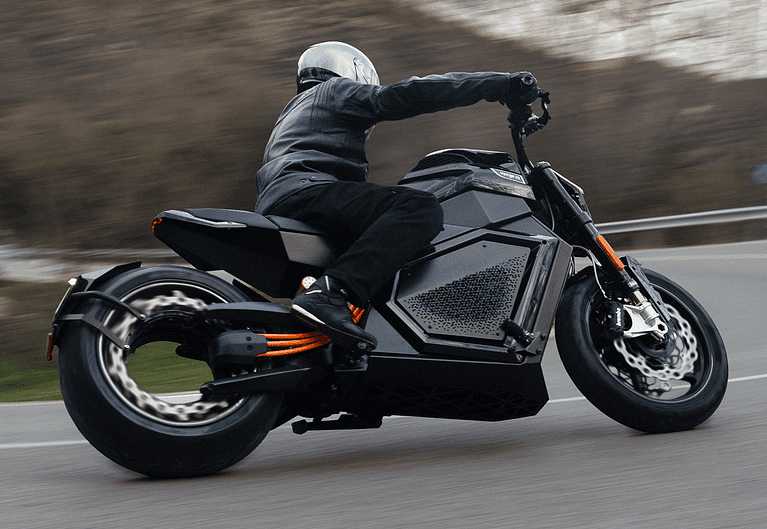
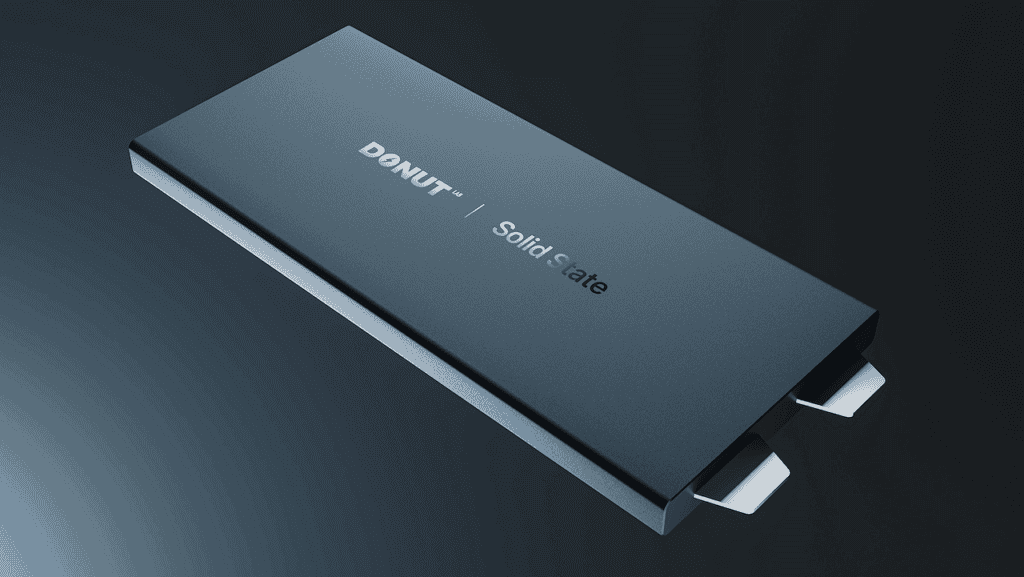
Donut Lab and Verge Motorcycles have taken a big step towards commercialising solid-state battery technology, announcing the Verge TS Pro electric motorbike will be offered with what the companies describe as a solid-state battery pack.
If the claims pan out the two small Finish companies will have won the solid-state production race ahead of automotive and battery giants from all around the globe.
The battery cells will be offered in either 20.2kWh or 33.3kWh battery pack options when the Verge TS Pro goes on sale later this month.
READ MORE: Why Changan and Hyundai could suddenly now be in pole position for solid-state batteries
READ MORE: Game changing semi-solid-state battery arrives: Li-Mn has the potential to make 1000+km long-range EVs common
READ MORE: The most important new EV to be launched in 2026? And it’s unlikely to ever be sold in Australia
The companies claim the new battery chemistry delivers extremely fast charging capability and unusually long durability, with the cells said to support up to 100,000 charge cycles.
The headline figures include an 11C charging rate that would see a 0–80 per cent top-up take just 4.5 minutes, while a full charge at 11C is claimed to take around seven minutes.
To demonstrate the technology, Donut Lab has released a video showing the battery in operation.
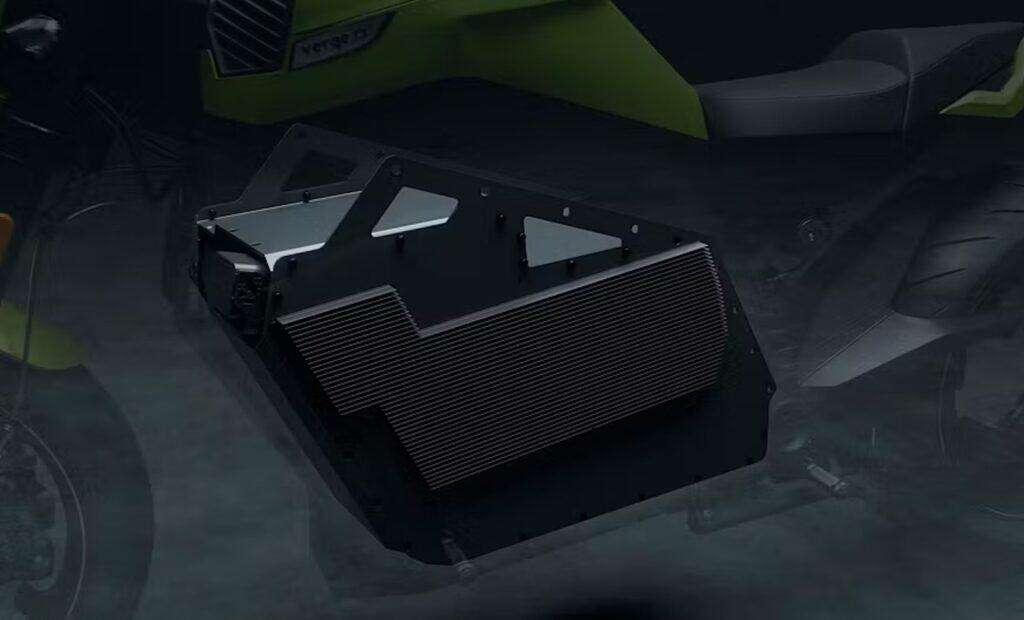
During testing, battery temperatures reportedly reached 63°C with two aluminium cooling plates attached or 90°C with just one heat sink in place. During the demonstration, Donut Lab said the new cells require no active cooling, although it noted that larger battery packs with more cells could still require additional cooling. Overall, the company says the technology is simpler, smaller and lighter than rival systems.
The battery specialist also says its cell architecture eliminates the need for measures designed to deal with battery swelling.
“Unlike other solid-state batteries requiring high compressive pressures and undergoing volume changes of up to 15–20 per cent during recharging cycles, the Donut Battery does not require special compression or more extensive cooling,” said Donut Lab CEO Ville Piippo.
“This greatly simplifies the structure of battery packs and enables solutions that are cost-efficient, powerful, and better than traditional lithium-ion batteries in terms of energy and power density.”
The battery maker has not revealed the technical details behind the new technology but says its iDonutBelieve website will address criticism from rivals and analysts who suggested its claims of ultra-fast charging speeds were too good to be true.
Further independent testing has also been conducted by the VTT Technical Research Centre of Finland.
In the UK, the Verge TS Pro has been priced from £31,980 (about A$60,500) with the standard 20.2kWh battery, which provides a claimed range of 349km but supports charging at up to 100kW.
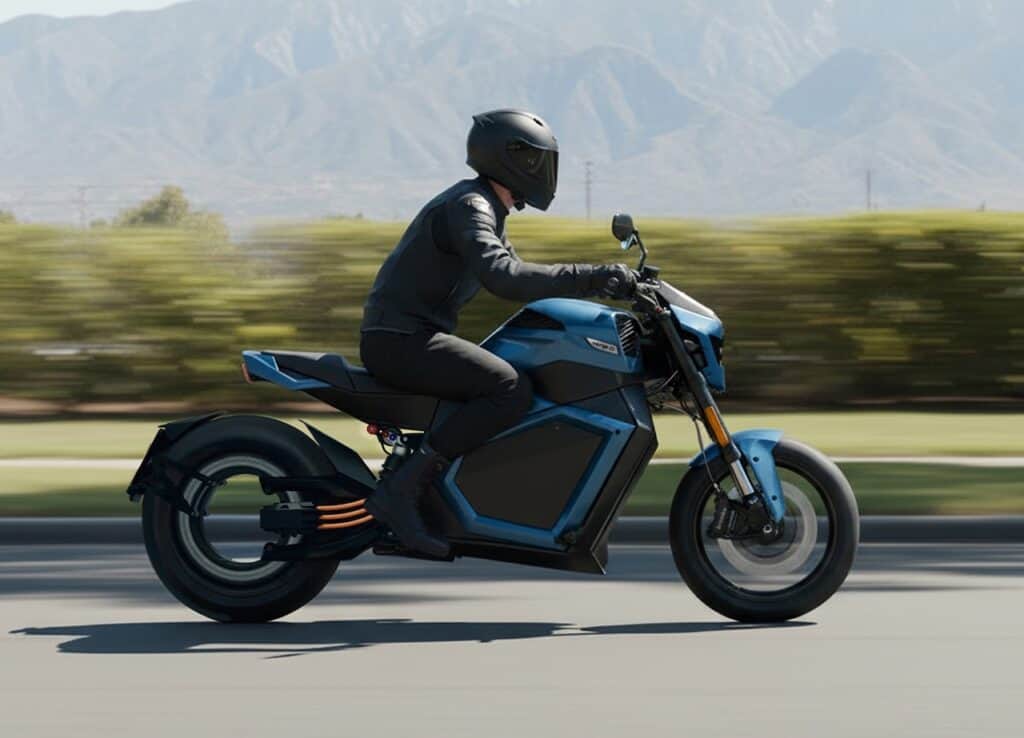
The larger 33.3kWh battery is a £2500 (about A$4700) option and increases the claimed range to 554km while allowing charging at up to 200kW.
Both bikes use a single 102kW electric motor, but customers will not initially have access to the highest theoretical charging speeds claimed for the battery.
Instead, the TS Pro can currently charge at up to 200kW, with a ten-minute charge adding around 300km of range with the larger battery pack.
It is not yet known whether faster charging capability will be enabled at a later date.