China moves to mandate physical car controls: Confusing, distracting touchscreens to be phased out
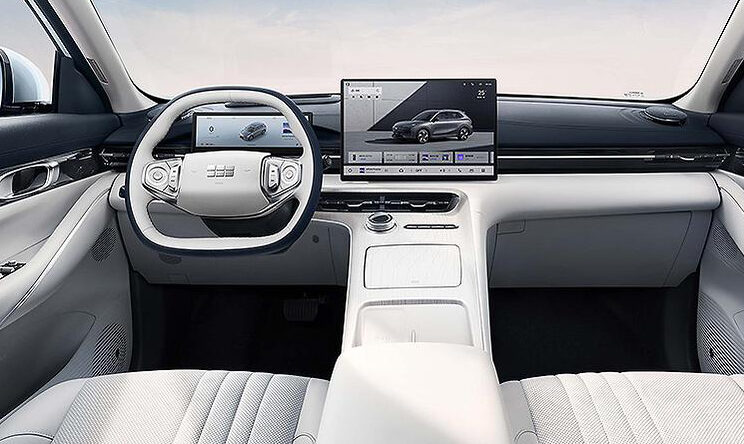
China has finally woken up to the dangers of allowing car designers to replace physical controls with confusing and distracting touchscreens.
The Chinese Ministry of Industry and Information Technology (MIIT) has announced it will introduce new rulings mandating physical controls be included on every car sold within the region.
In what is considered a landmark decision for the global car industry, the move to bring back proper controls follows a similar decision by Europe’s Euro NCAP crash test body, which deducts points for removing physical controls.
READ MORE: Falling star? ANCAP warns Deepal that safety changes risk S07’s five-star rating and retesting could be required
READ MORE: Geely EX5 silences the bing-bongs! Electric SUV’s OTA update addresses one of our key annoyances
READ MORE: Hoorah! 2026 MG4 electric hatch to get huge interior upgrade, including dials and buttons!
The move will have a clear impact in Australia where Chinese-built cars have claimed nearly 20 per cent of market sales.
Many of the recently arriving brands offer cars that rely on touchscreen drilling for many controls.
The backlash has been significant and there have been moves to address the issue with shortcuts to key functions by brands including Deepal with its S07 and Geely with its EX5 (pictured top).
From July 1, 2027, to achieve a sales licence in China, all vehicles must have physical controls for indicators, switches to raise or lower windows, plus proper buttons to activate advanced driver-assist technology.
According to GB4094-2016, the key controls must be accessible, usable and largely blind-operable (able to be used without looking) during driving to avoid distracting from the road ahead.
Chinese brands’ mass adoption of large, do-it-all central screens has drawn widespread criticism from safety experts in recent years for banishing buttons and being rolled out with little or no rules on how accessible important functions are to the driver on the move.
Fresh research drafted by the China Automotive and Technology Research Center, with help from Geely, FAW-Volkswagen, BYD and Great Wall Motor, will also be released soon and has gauged public appetite for whether to go further than the MIIT legislation.
It’s thought that once released, the MIIT will be pressured to dictate physical switches for hazard warning lights and the horn, while banning screen-only gear shifting.
Among the proposals, proper controls for the wipers, demister, engine on/off and e-call system could all be included.
The major manufacturers and research group will present Chinese legislators with their findings and go on to demand that all physical buttons must have a minimum operating area of more than 10mm x 10mm, be capable of blind operation, have haptic or auditory feedback, and work even if the infotainment system has crashed.
Changes to Chinese legislation will then impact Western brands planning to sell vehicles in the region and force plenty of car-makers back to the drawing board on new models and mid-life facelifts to reintroduce buttons and physical controls.