BYD warns big-name car brands will face “fallout” from new Chinese rivals
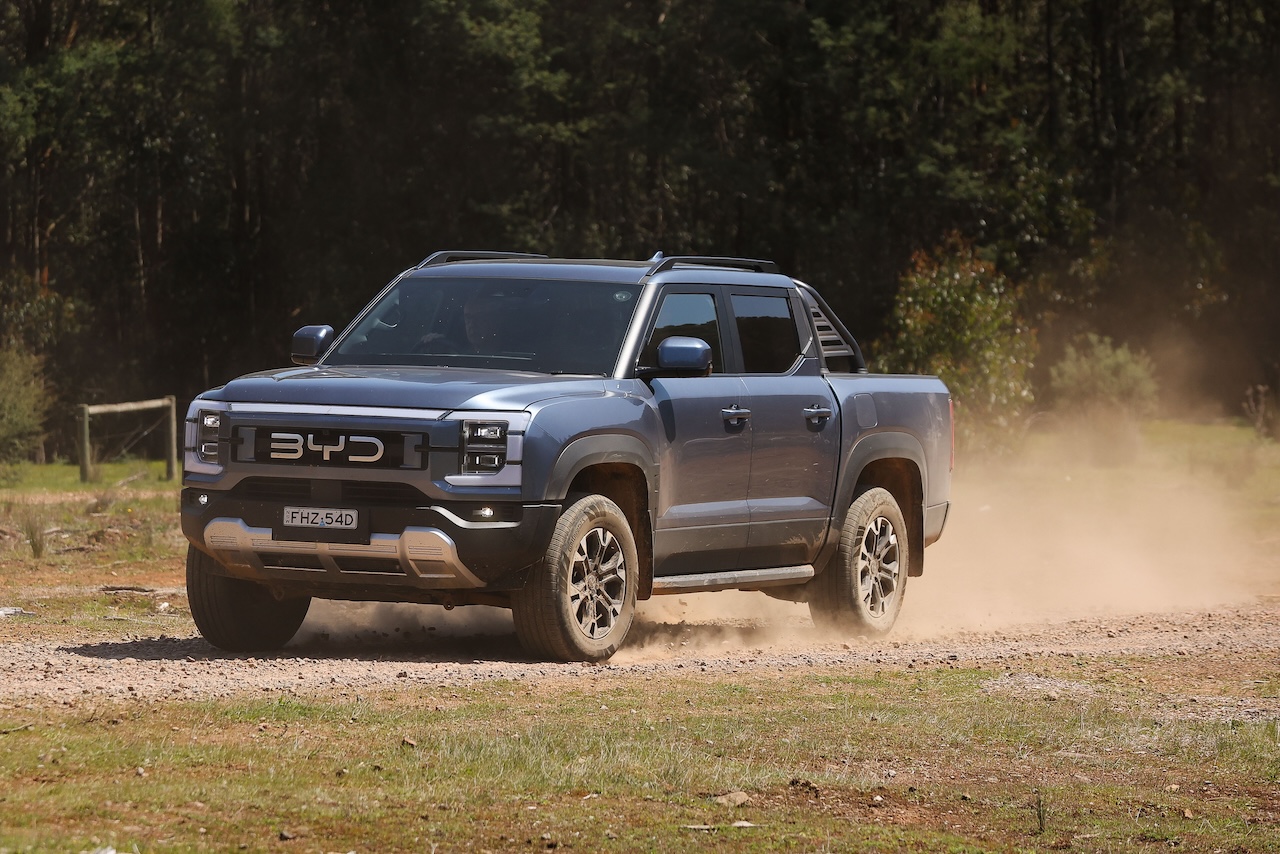
BYD says Australia’s new-car landscape is heading for a dramatic reset, arguing that a fast-growing wave of Chinese brands combined with tightening emissions rules will put serious pressure on some long-established manufacturers.
Stephen Collins, BYD Australia’s COO, says the changes now occuring in the industry amount to a “seismic shift”, unlike anything the local market has experienced since perhaps the closure of Holden and the end of local manufacturing.
He points to the fact that total new-car sales in Australia are traditonally stable – rising or falling by only one or two per cent each year – but increased competition means there are more brands than ever before fighting for Australia’s pool of customers.
READ MORE: Denza B5 priced! BYD-owned luxury brand’s plug-in hybrid SUV brings big power, big torque and affordable dollars
READ MORE: Australia backs Tesla: While BYD is dominating sales in Europe the Model Y still leads the way here
READ MORE: Denza aims for the top in Australia: BYD’s premium brand promises high-tech, luxury and “accessible” pricing as it targets German, Japanese and Korean rivals
“It’s tough,” he says. “I’m obviously not going to speak for individual brands, but I think for certain brands, it’s going to be really, really tough.
“If you look at the market over probably 20 years, it grows by one, or maybe two per cent each year. Or it dips by one or two. So it’s very mature, it’s very consistent.
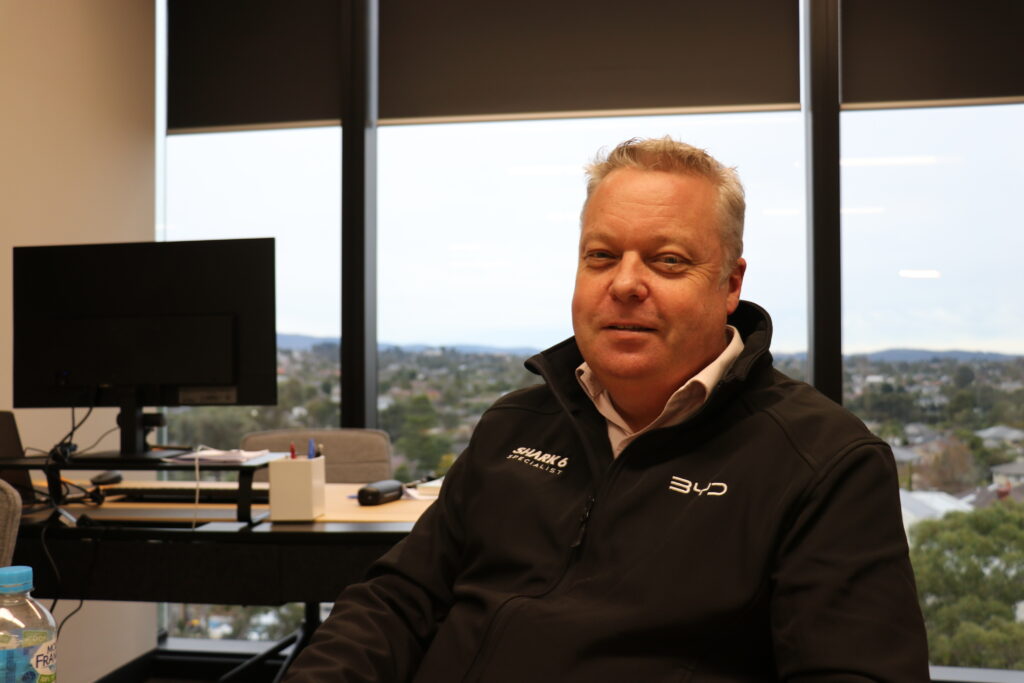
“And I think that some of the legacy brands that aren’t so competitive on product and tech and value, I think they’re going to find it difficult.
“Now, whether that’s having to resize their business or whatever, that’s up to them. But I feel that it’s a seismic shift, really, what’s happening. And what happens with unprecedented shifts is that some brands have to re-evaluate what they offer and how big they are, or how small they are, or what business model they adopt, or whatever it may be.”
Adding complexity is the New Vehicle Emission Standard, which becomes progressively tougher over the coming years. Chinese manufacturers, already heavily invested in new-energy technology, are often better positioned to meet those targets without radical change.
“When shifts like this happen, there can be fallout,” Collins says.
Even with the looming pressure, Collins insists the shake-up represents a win for Australian buyers. He believes increased competition will push every brand to move faster and price more competitively.
“In the end, the way I look at it is that I reckon it’s good for consumers. It makes every OEM push harder, do better, be faster,” he says.
BYD is clearly a brand benefitting from the turmoil currently being created. Its sales are up 147.3 per cent year on year in Australia and it sits eighth on the sales charts with a chance of hurdling fellow Chinese brand GWM into seventh in December.
It has recently reset the pricing floor for EVs in Australia with the Atto 1 small car and for electric SUVs with the Atto 2.
It will soon add two plug-in hybrid SUVs to its line-up, the fleet-focussed Sealion 5 and and its first seven-seater, the Sealion 8.
In addition, BYD-owned premium brand Denza is now rolling out in Australia with its two PHEV SUV launch models the B5 and B8.
BYD has also recently announced it is taking its vehicle servicing obligations in-house from partner mycar.